Stories
Objects and stories from The Clockworks collection.
-
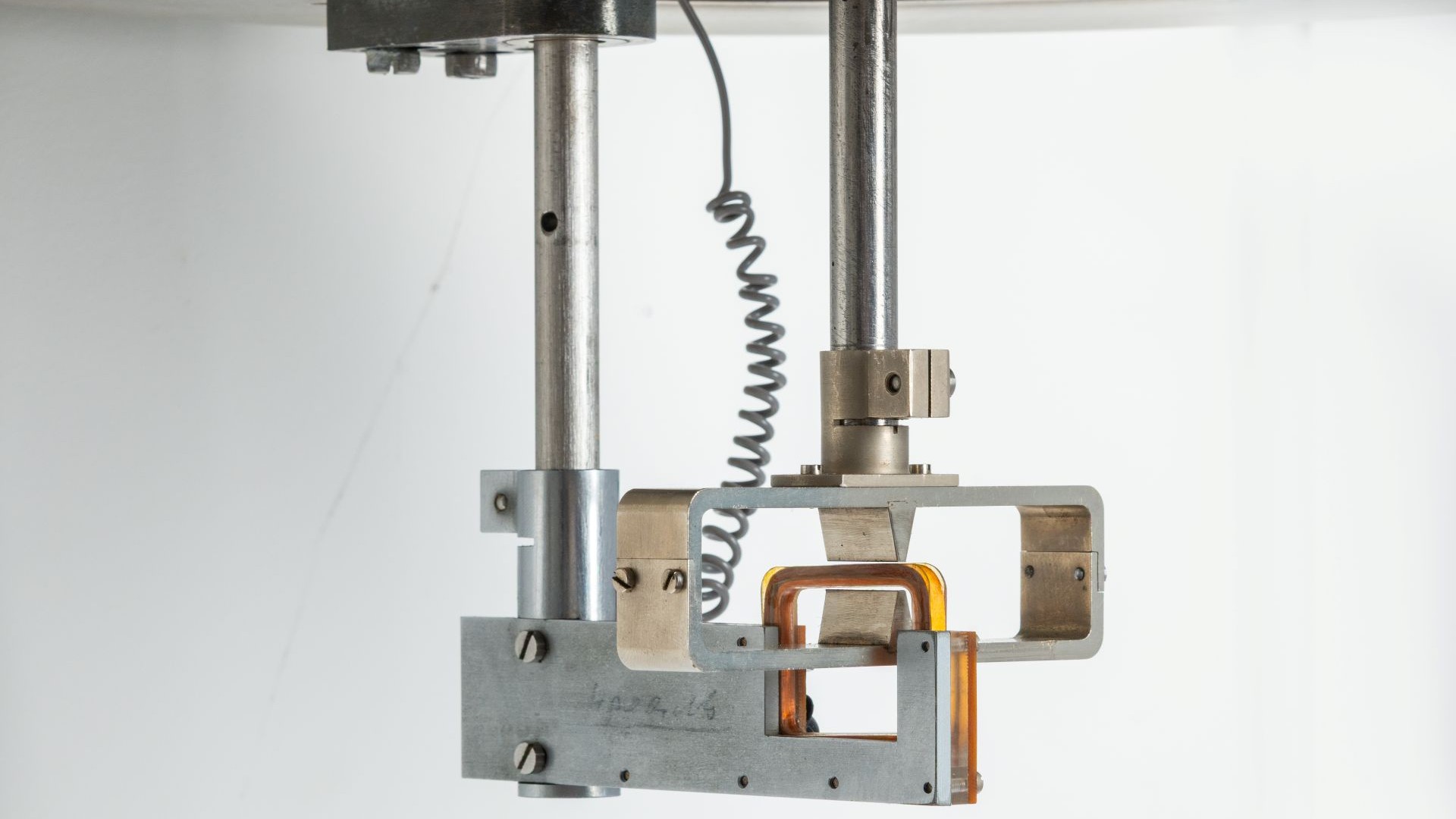
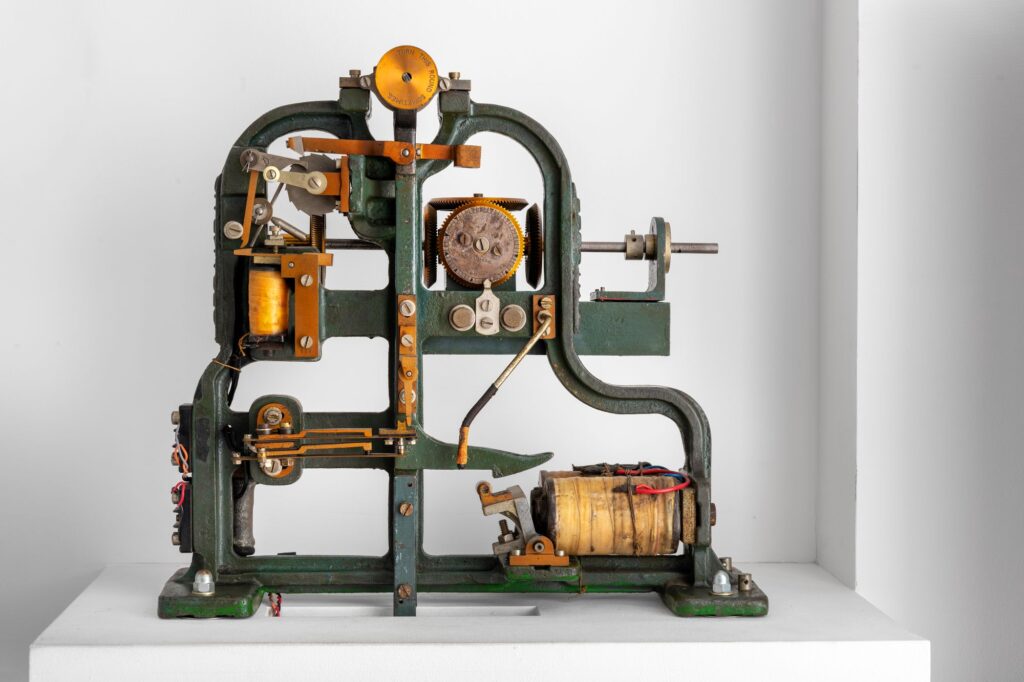
Electric time for the scientist
Precision clocks have always shaped science. In May 1832, astronomers were able to calculate Mercury’s dimensions for the first time, by observing its transit – and timing it. In fact, the research potential of a reliable timebase has made astronomers clockmakers’ most demanding customers. Short-duration time In the 1840s, Swiss-German clockmaker Matthaus Hipp developed an…
-
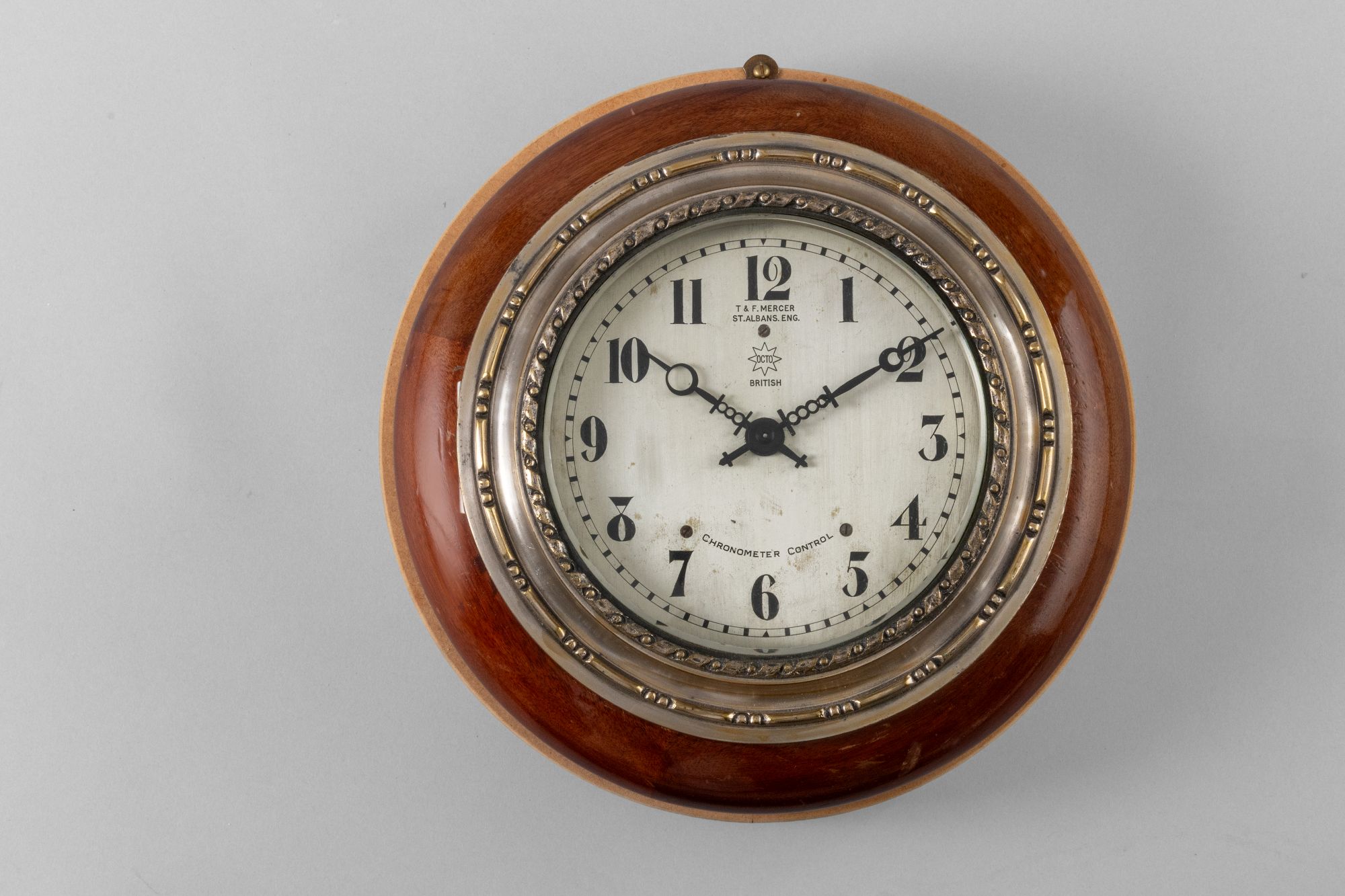
Time at sea
Electric clock technology helps conquer the sea. Traditionally, timekeeping at sea has been managed by the hourglass: sailors ring a bell every 30 minutes, with ‘eight bells’ marking the end of a four-hour watch. However, from the later nineteenth century, ocean travel required more complex systems. Undersea telegraph cables Electric telegraph technology first began to…
-
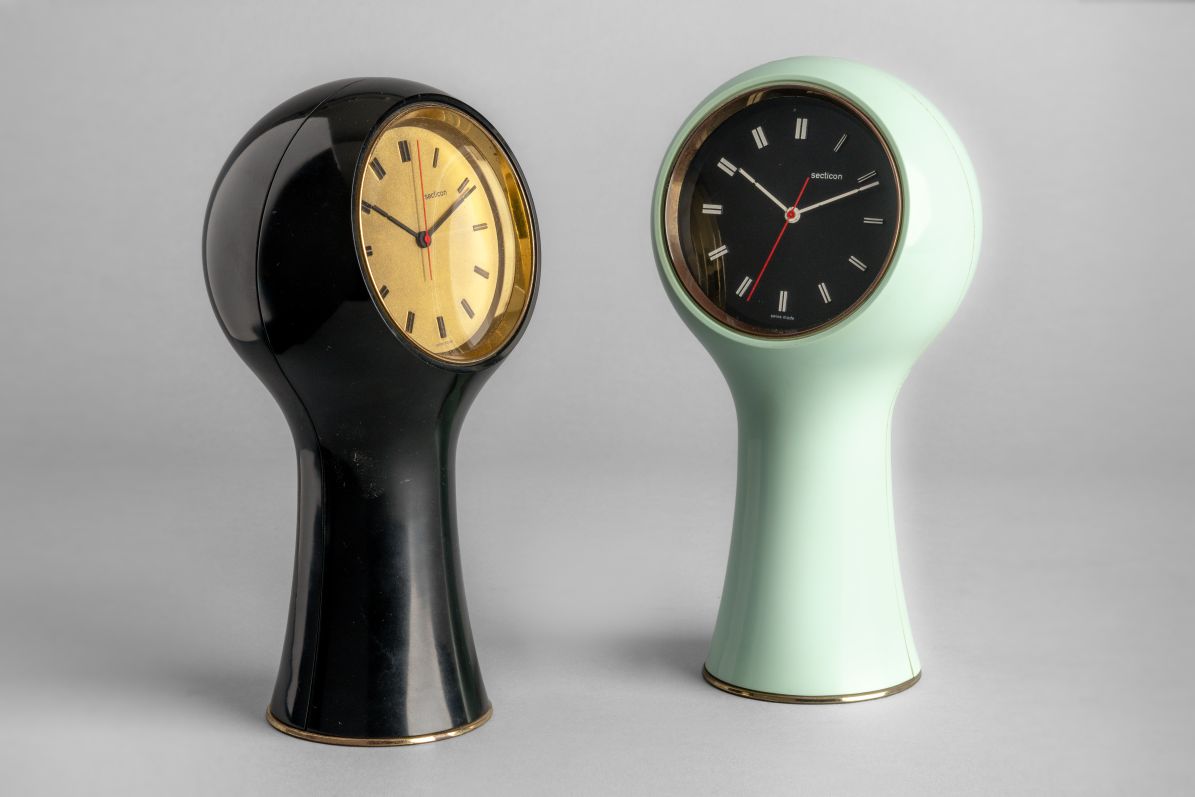
Electric time at home
When catering to domestic markets, clockmakers had to combine accuracy, price, and style. The father of electrical horology Alexander Bain is often dubbed ‘the father of electrical horology’ for his work on networked clock systems combined with telegraph technology. However, he saw the possibilities of domestic electric clocks from the beginning, devising a series of…
-
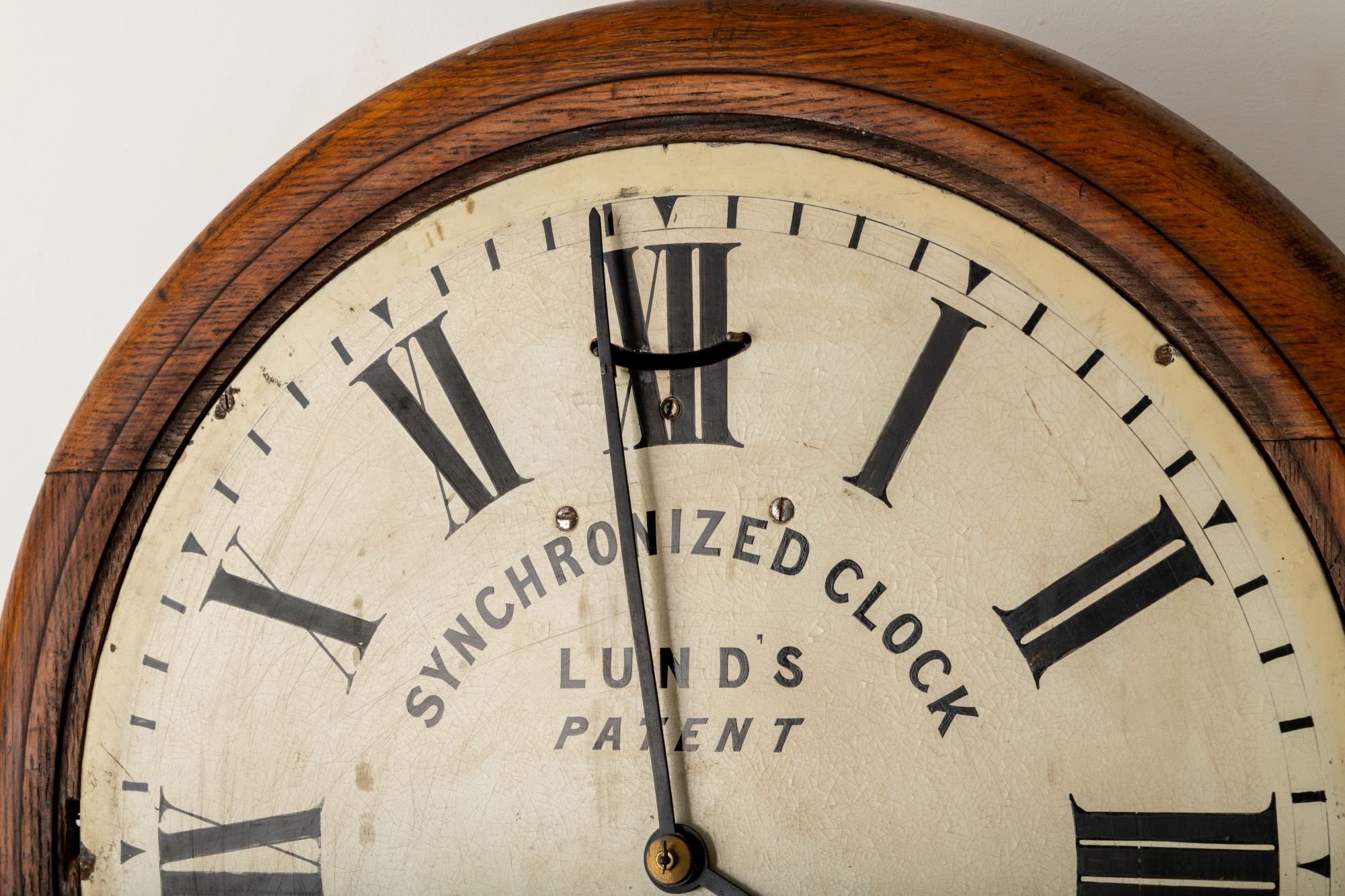
The birth of networked time
How electric clocks made networked time. Today, we take networked time for granted: our phones, computers and digital timekeepers are silently updated by satellites or radio waves, and we have one time across the country, no matter where we are. It hasn’t always been like this. For centuries, people ran their mechanical clocks and watches…
Find out more