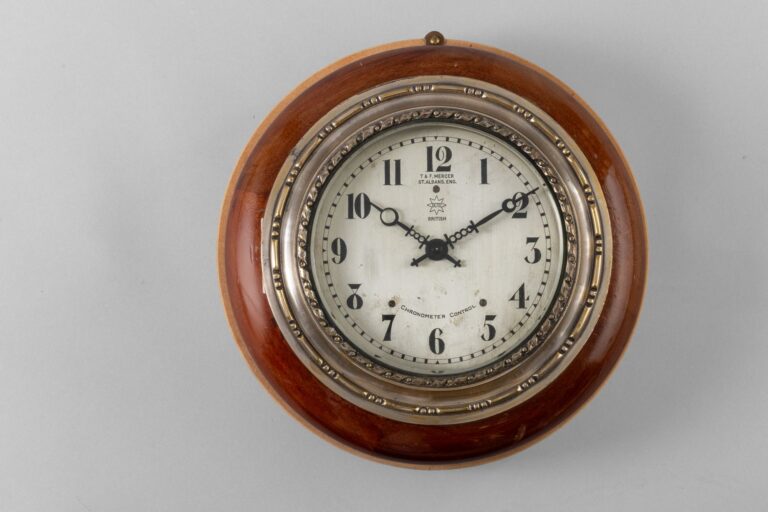
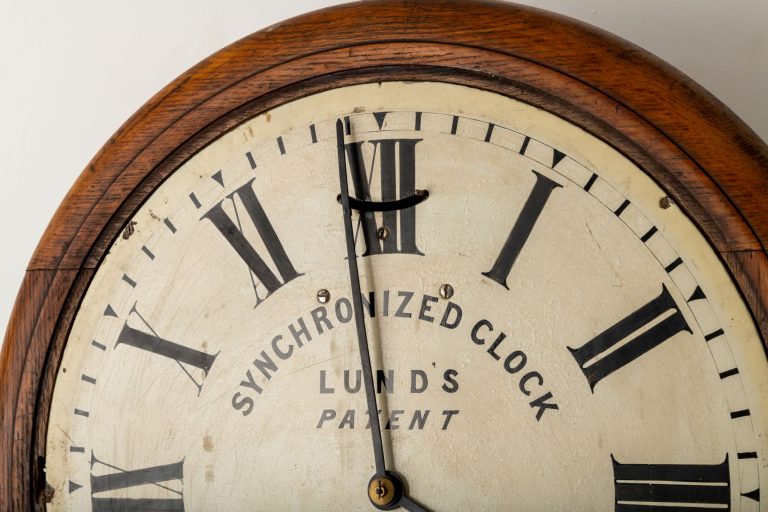
When catering to domestic markets, clockmakers had to combine accuracy, price, and style.
Though electric and electro-mechanical clocks were quickly adopted in institutional settings, domestic take-up was slower. Many clockmakers struggled to make electric clocks that were sufficiently reliable, and sufficiently cheap, to seriously challenge their traditional mechanical cousins.
Earliest examples
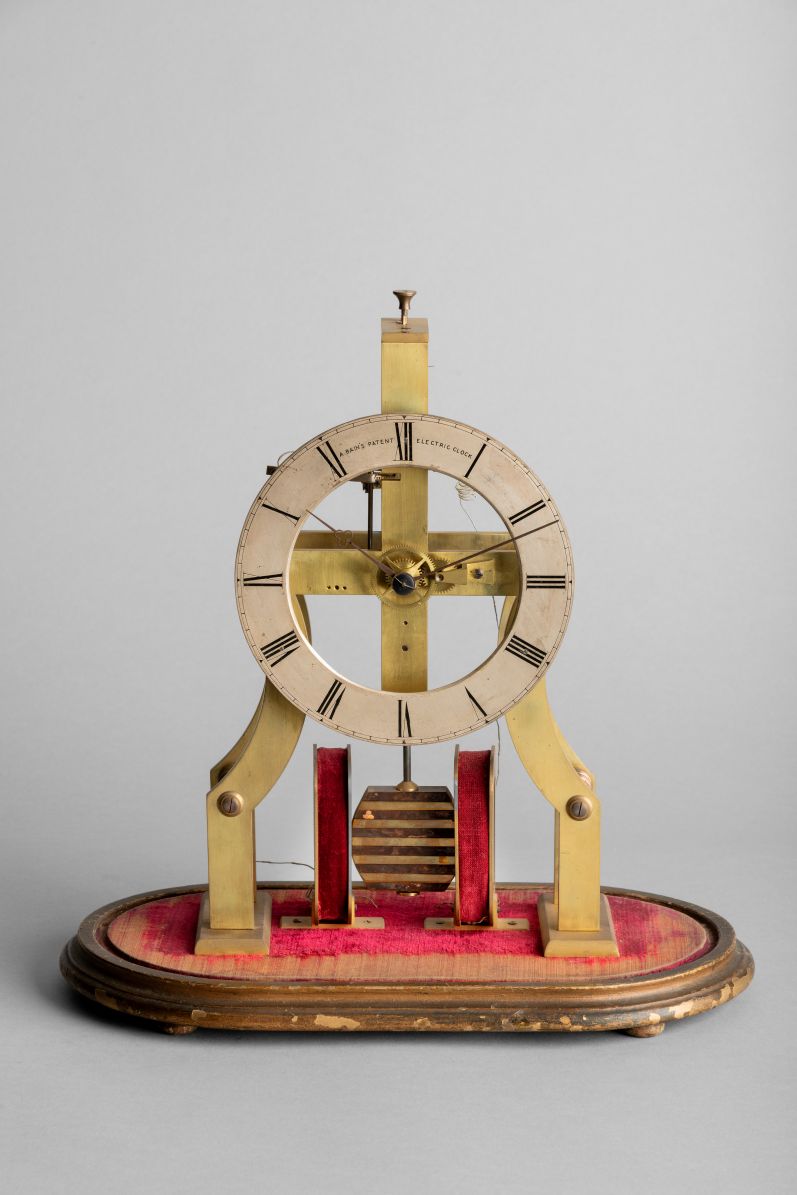
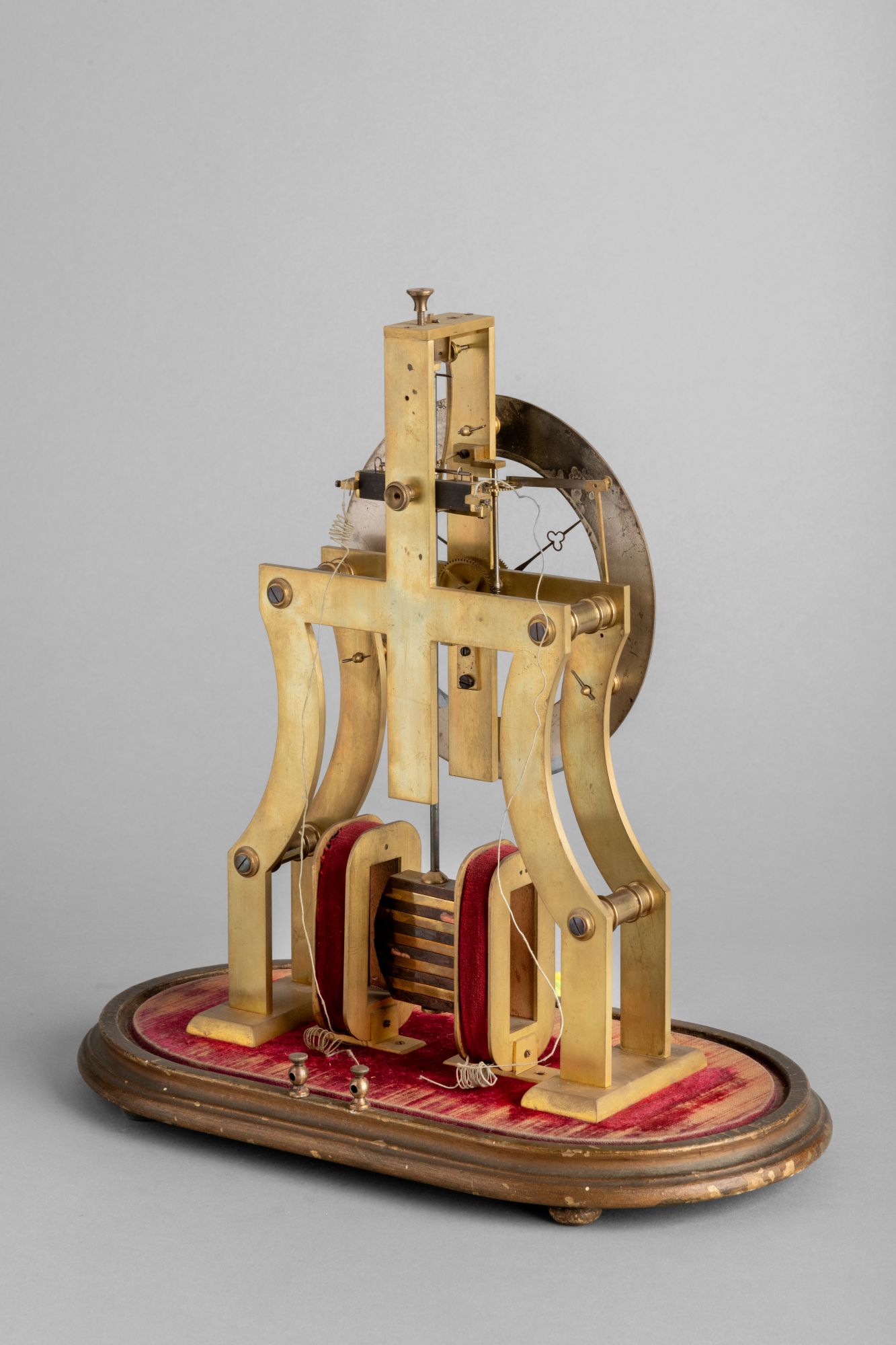
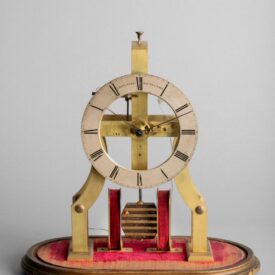
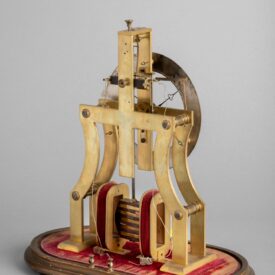
Alexander Bain is often dubbed ‘the father of electrical horology’ for his work on networked clock systems combined with telegraph technology. However, he saw the possibilities of domestic electric clocks from the beginning, devising a series of electric mantel clocks powered by ‘voltaic batteries which can be set in a cupboard, or any convenient place’.
This system was described in Bain’s Short History of the Electric Clocks (published in 1852) but few examples have survived.
A 60-franc clock
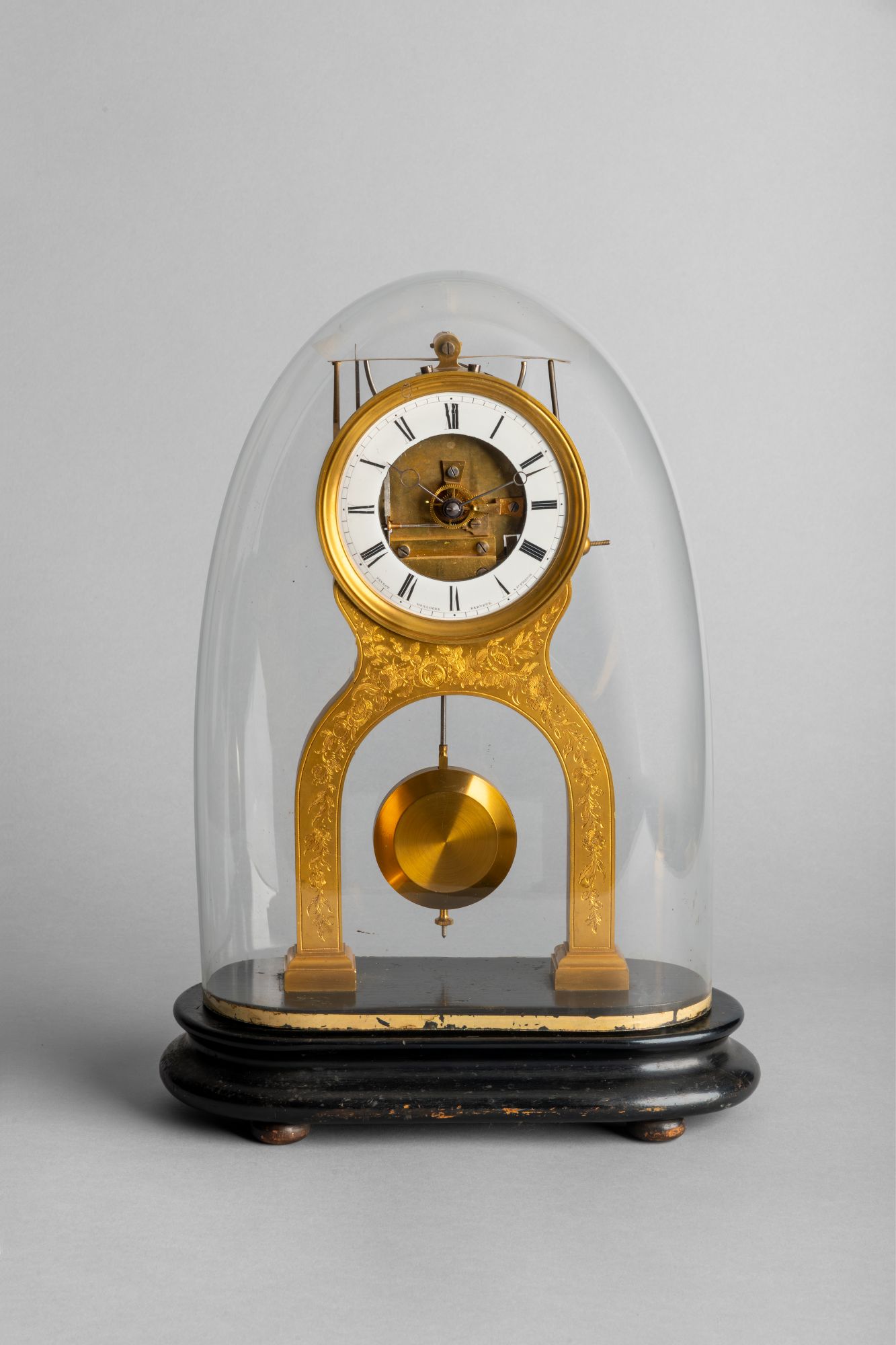
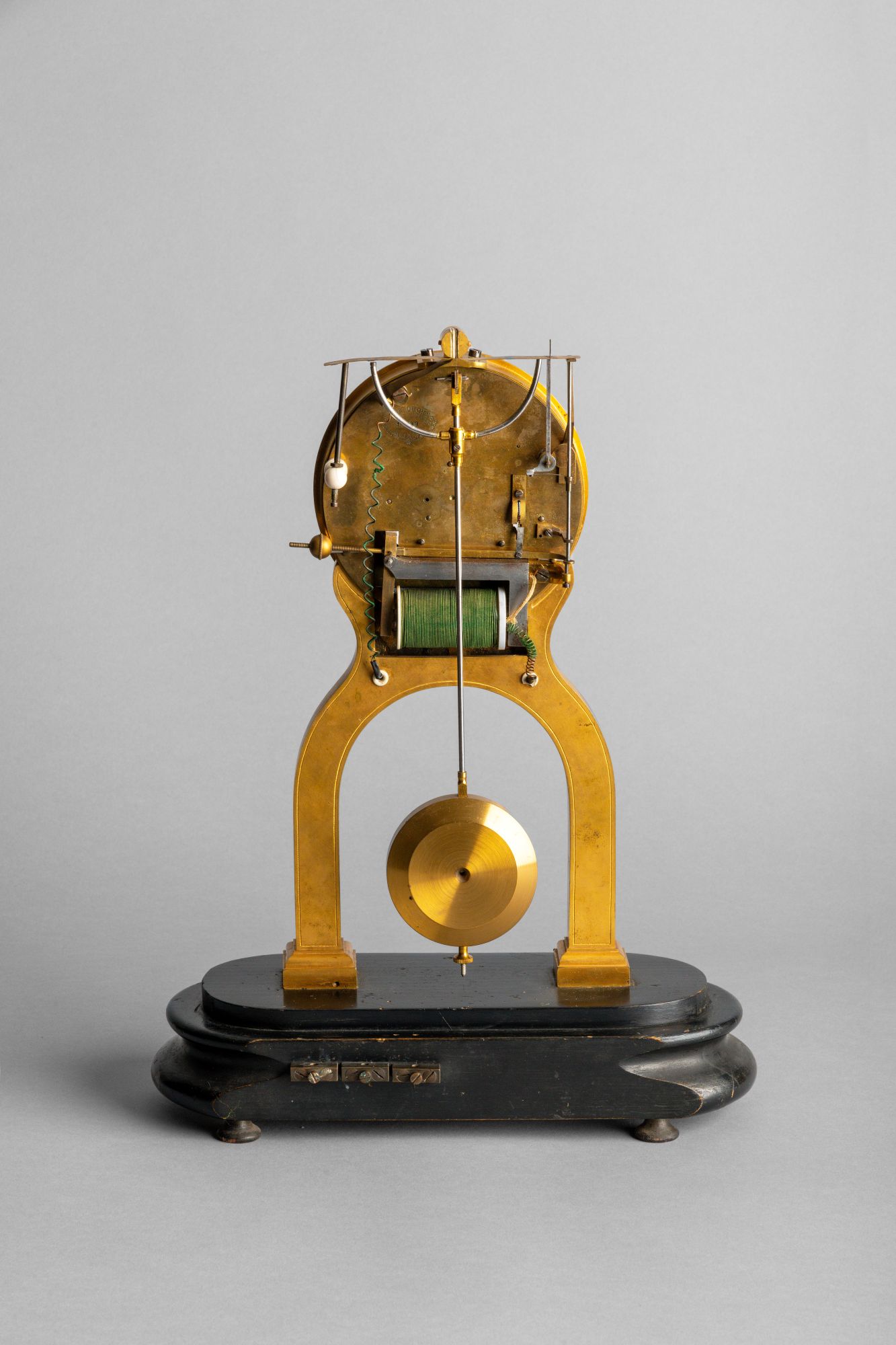
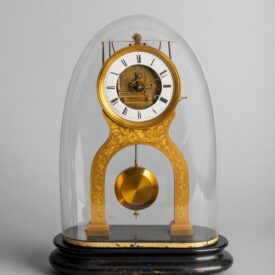
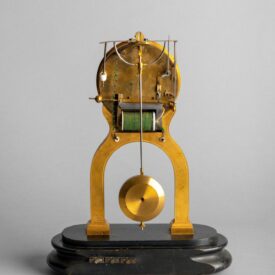
Around the same time, in France, established mechanical clockmaker Louis-Constantin Detouche debuted his own electrical timepiece (made in collaboration with Eugene-Robert Houdin) in 1855.
Retailing at a modest 60 francs, this clock was designed to be powered by a Daniell cell – easy to find and relatively inexpensive. It won a gold medal at the 1855 Exposition Universelle, but never entered mass market production, always remaining a timekeeper for early adopters.
Partial electrification
A typical mechanical clock requires winding once a week; potentially a time-consuming operation, particularly in a house with multiple clocks. Many engineers saw electricity as an obvious solution.
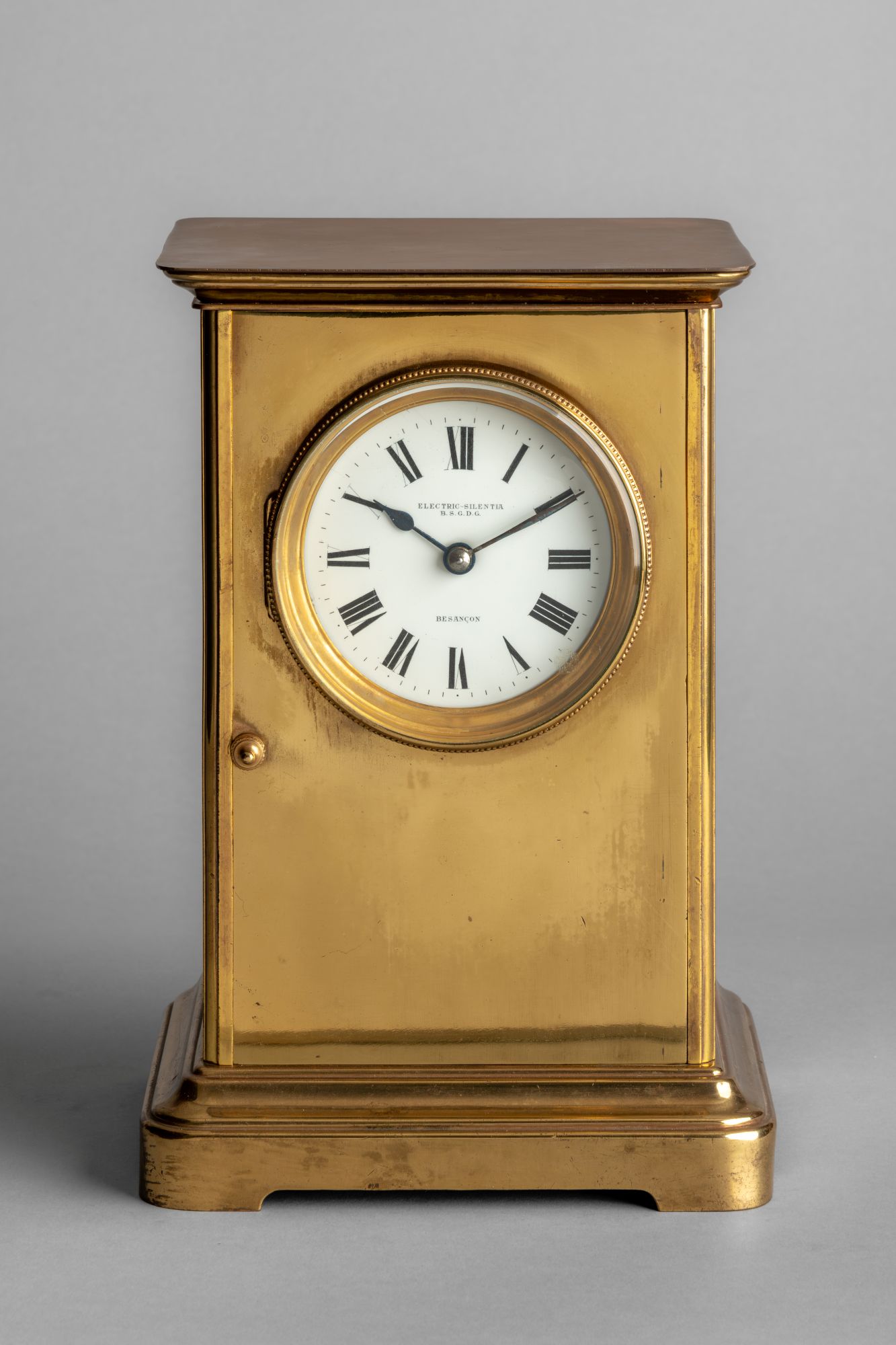
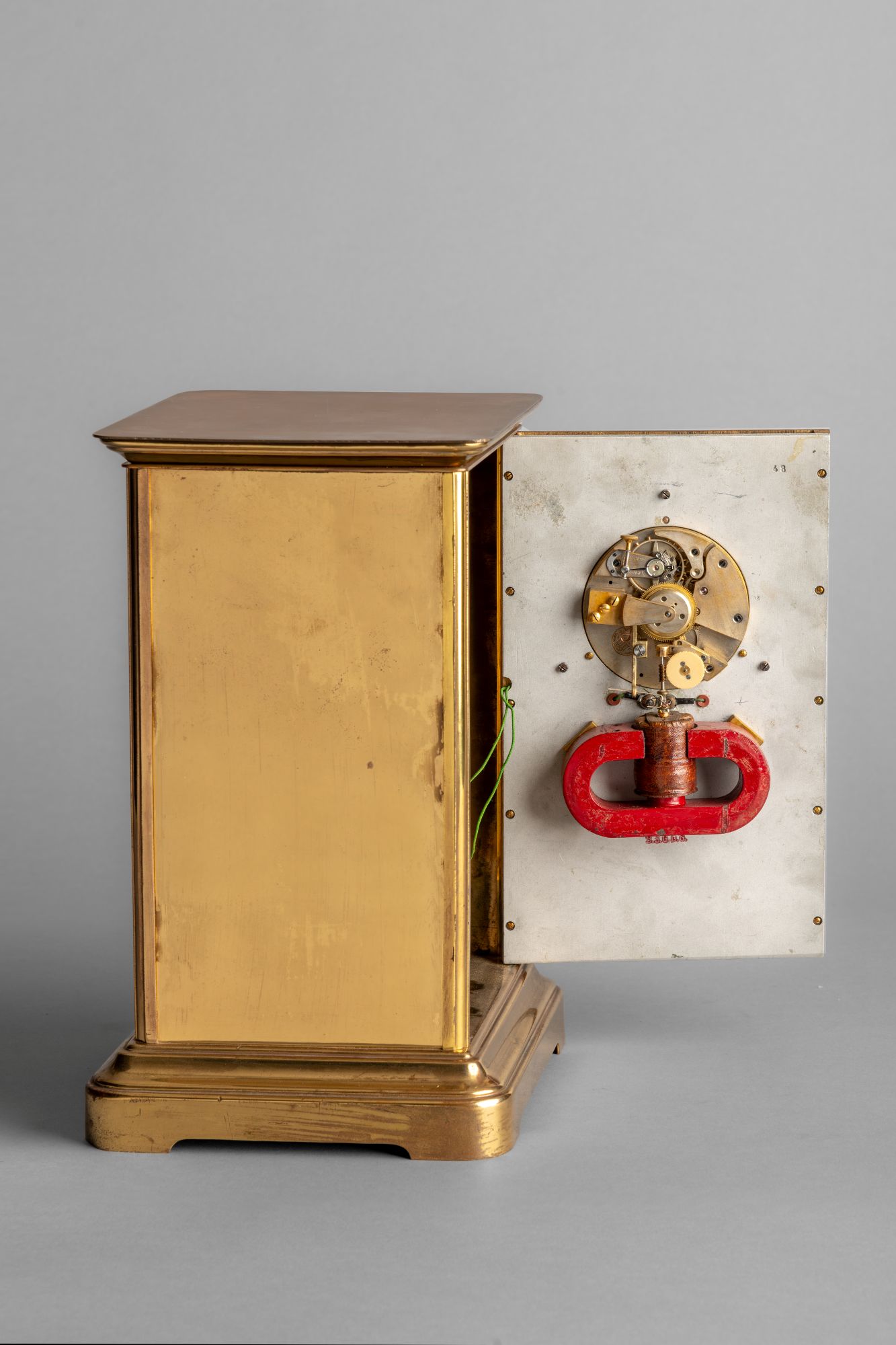
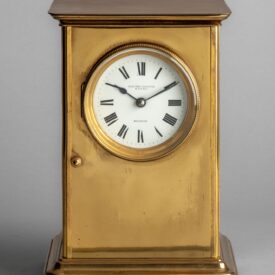
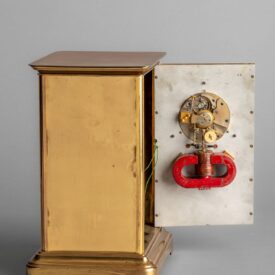
In c.1908, French company Silentia created a wholly mechanical clock movement supported by an electrical rewind. An electric motor rewinds the remontoire spring intermittently – and, as suggested by the name of the company, virtually silently.
It is an elegant solution to a perennial problem, but was hardly taken up en masse: these clocks remain rare today.
British balance wheels
Meanwhile, in the UK, British engineer Thomas Murday designed an electrical domestic clock featuring an attractive lazy balance, prominently displayed under a glass shade. Here, the visual display of the clock movement becomes an integral part of its appeal. It is believed that somewhere between 80– 300 of these clocks were manufactured over a production period of approximately four and a half years – but their timekeeping was always erratic.
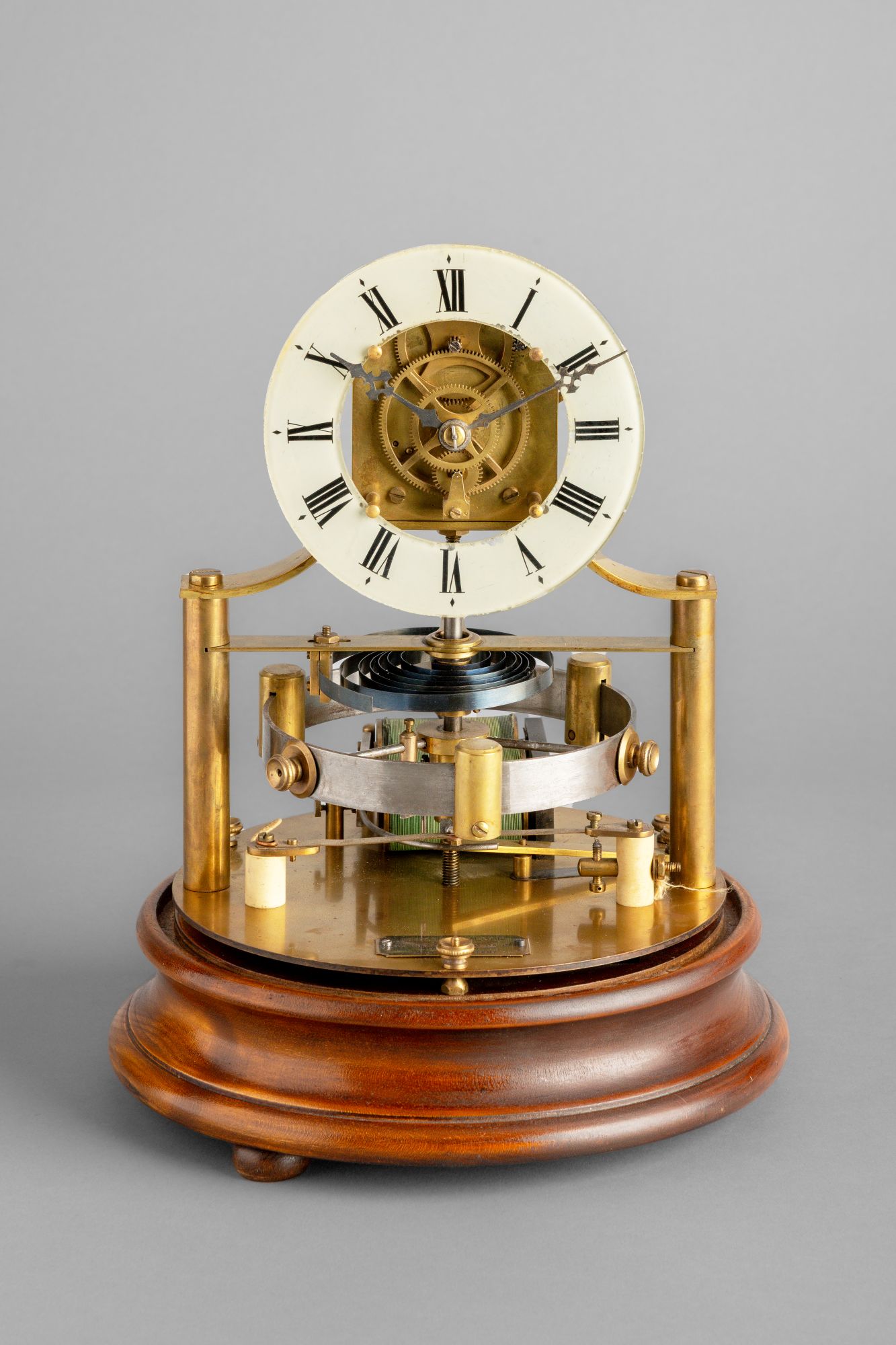
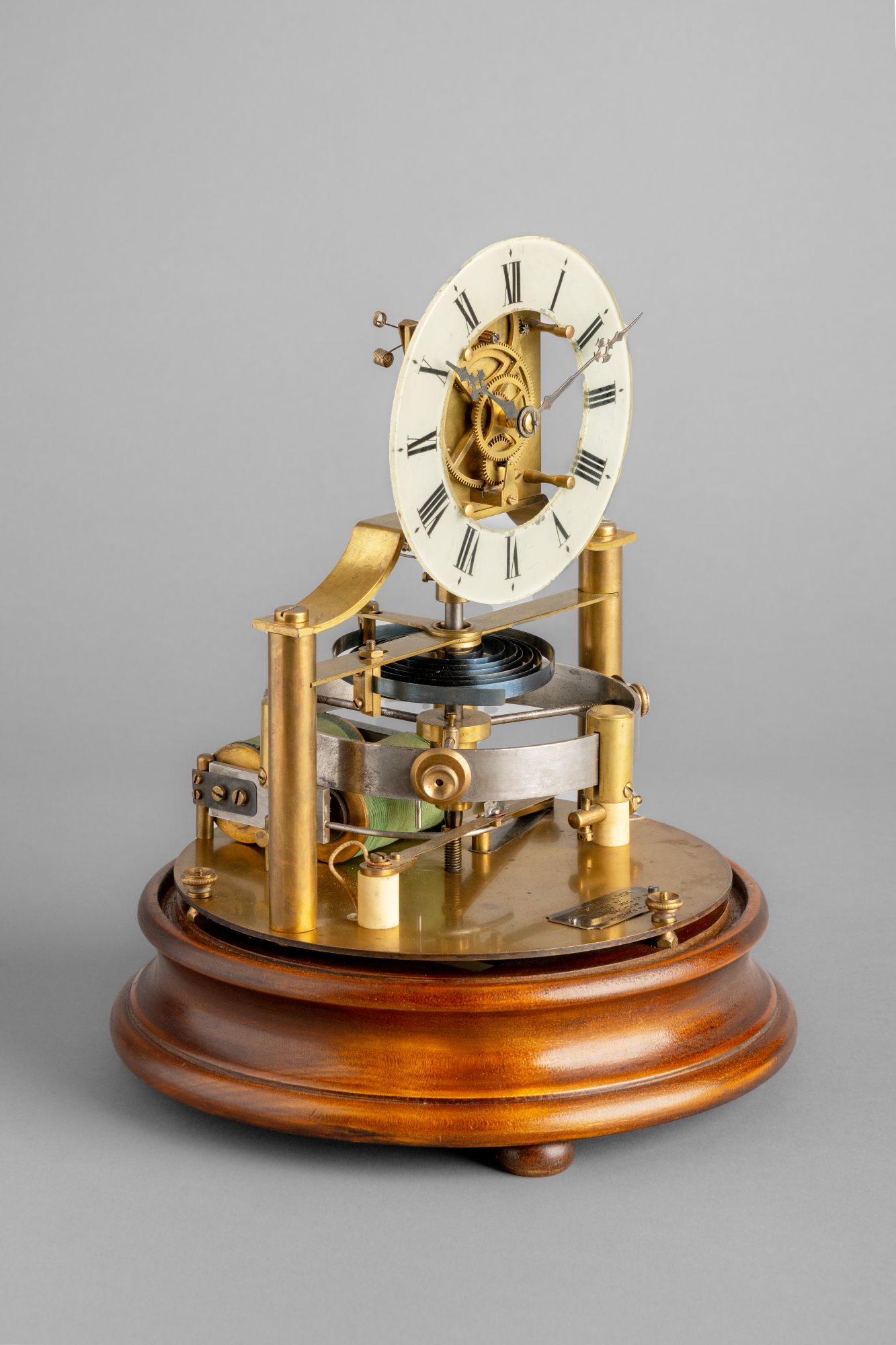
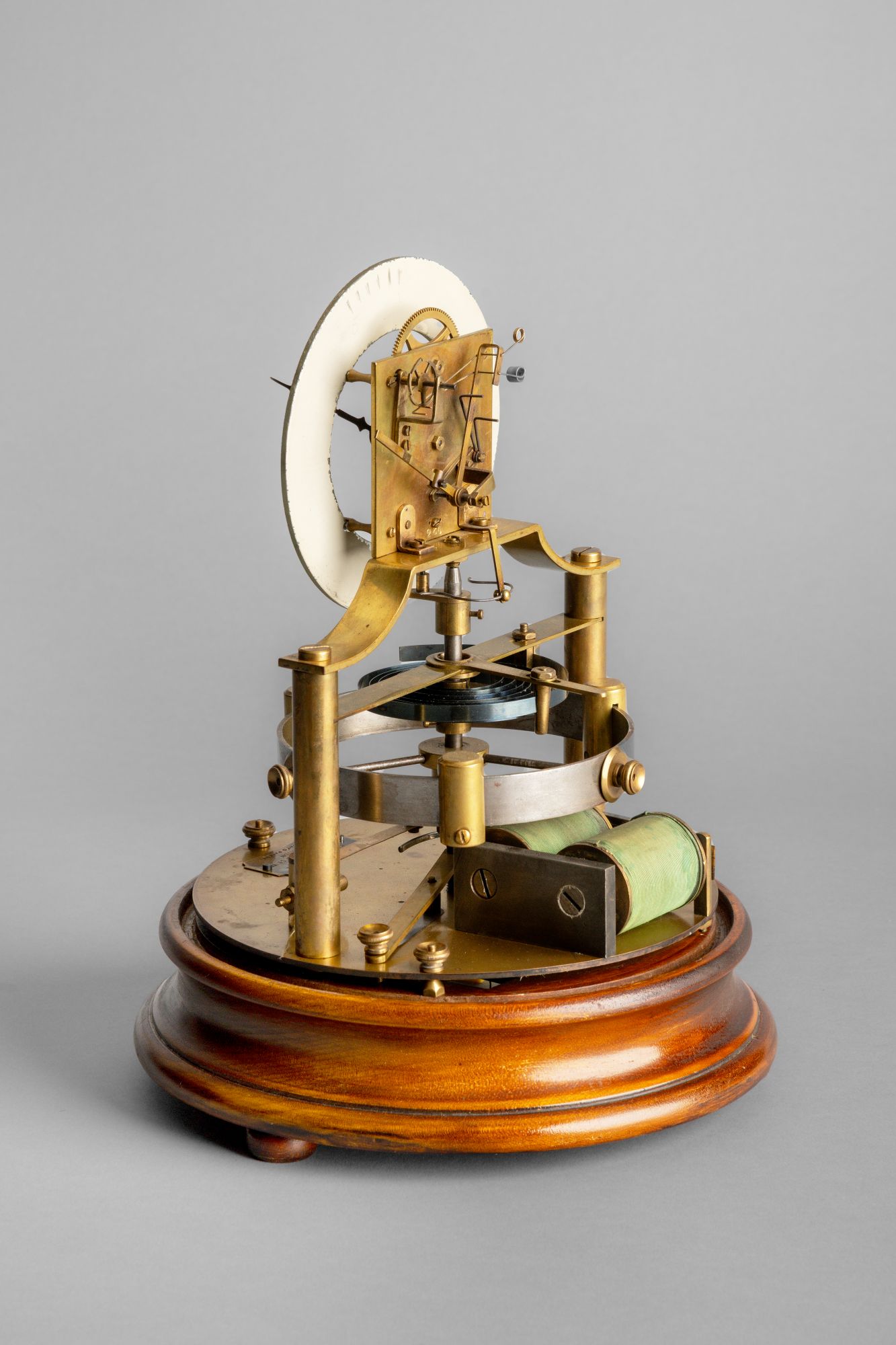
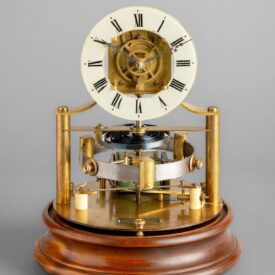
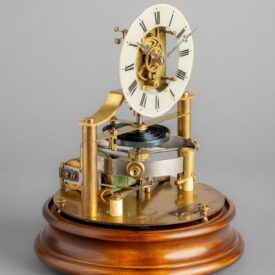
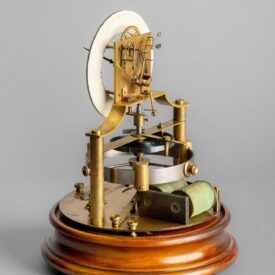
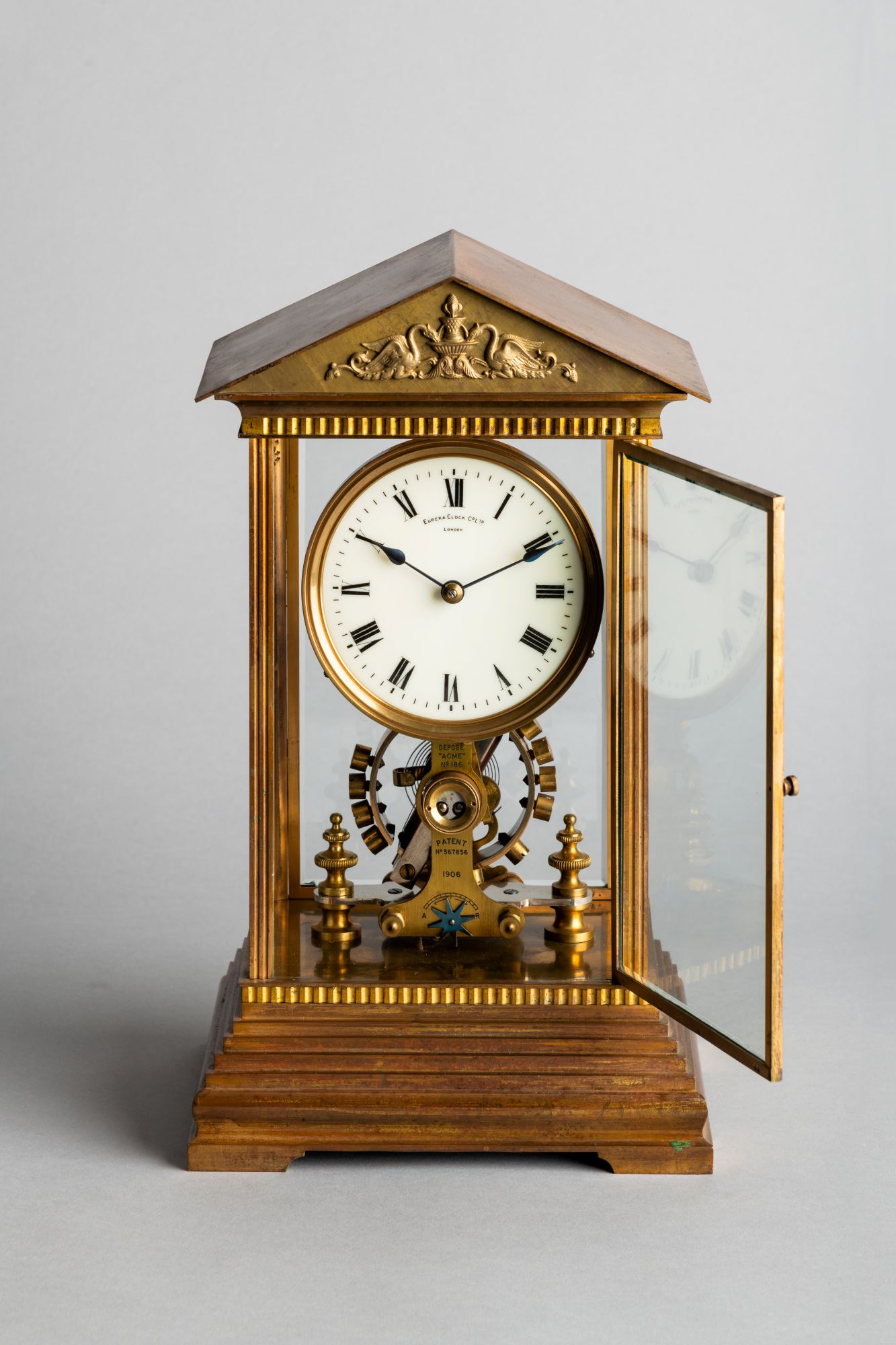
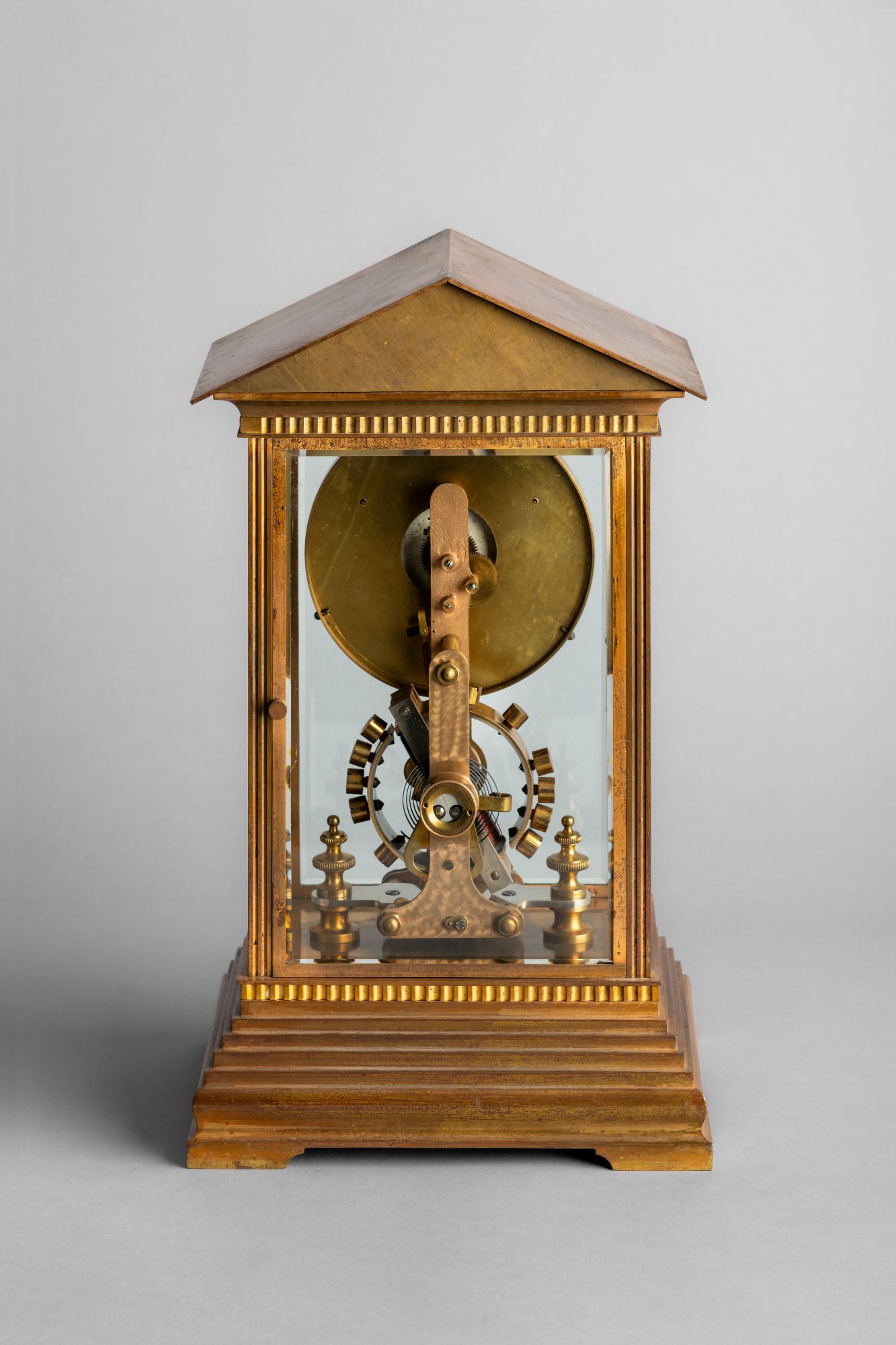
The Eureka Clock Company also saw the visual appeal of a large balance wheel. Their ‘Eureka’ clock was advertised as ‘the wonderful 1,000 day clock’, in allusion to the lifespan of the dry cell battery that powered it, and a clear attempt to sell the public on its reduced maintenance requirements.
However, Eureka clocks retailed at around £6 – a punchy price for the time, and significantly more expensive than a high-quality mechanical clock. The price, combined with the clocks’ wayward timekeeping, hampered the company’s development: Eureka had disappeared by 1918.

French electric clocks
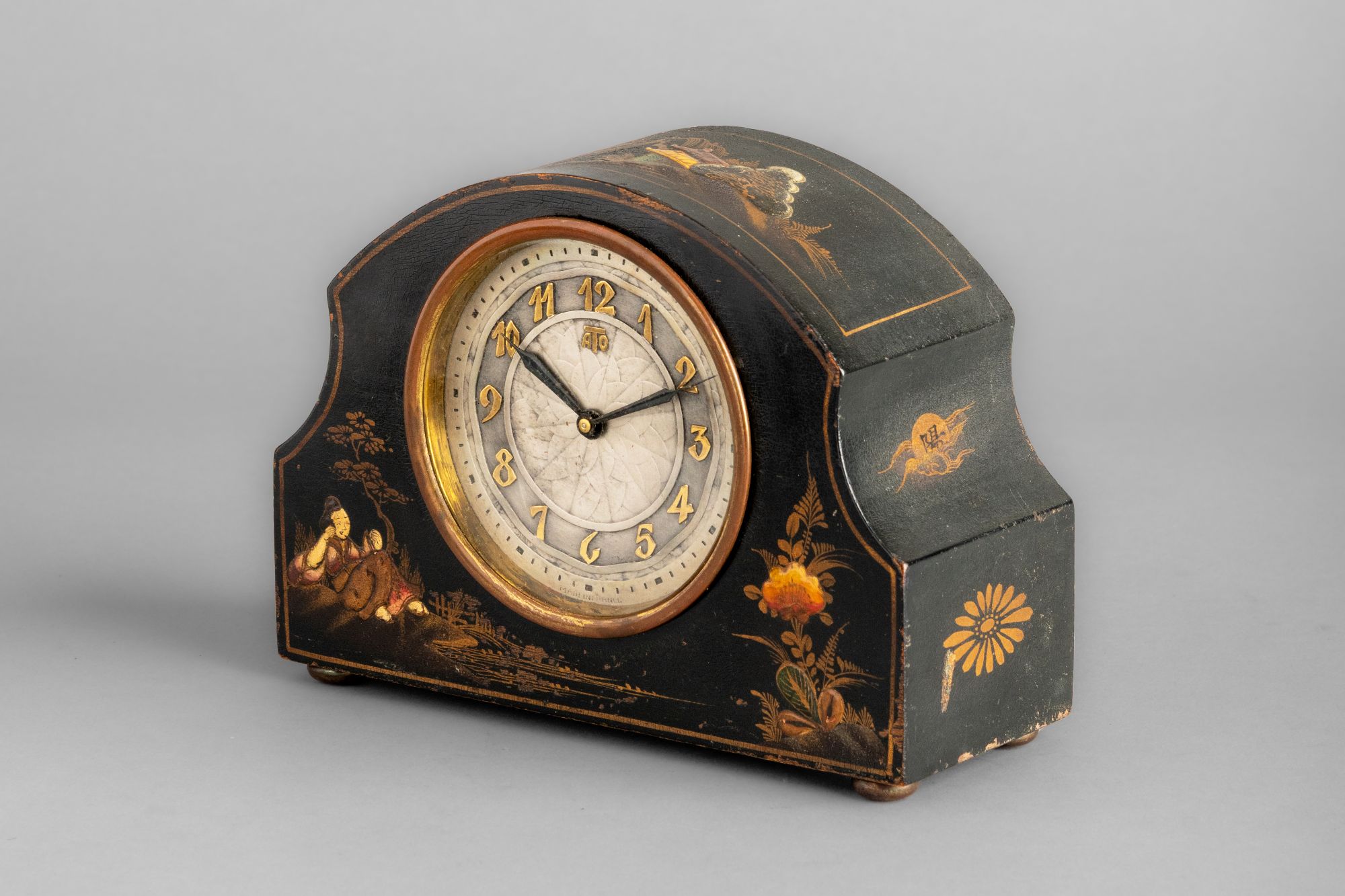
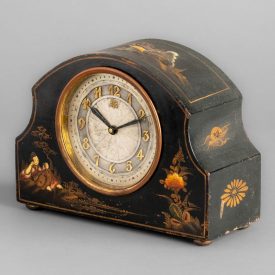
Battery-powered domestic clocks began to achieve serious traction in the 1920s, with the French companies ATO and Bulle. These clocks had pendulums that were electromagnetically sustained as they moved across a bar, and were made in their hundreds over a period of several decades, bringing the price down substantially. You could even buy striking examples.
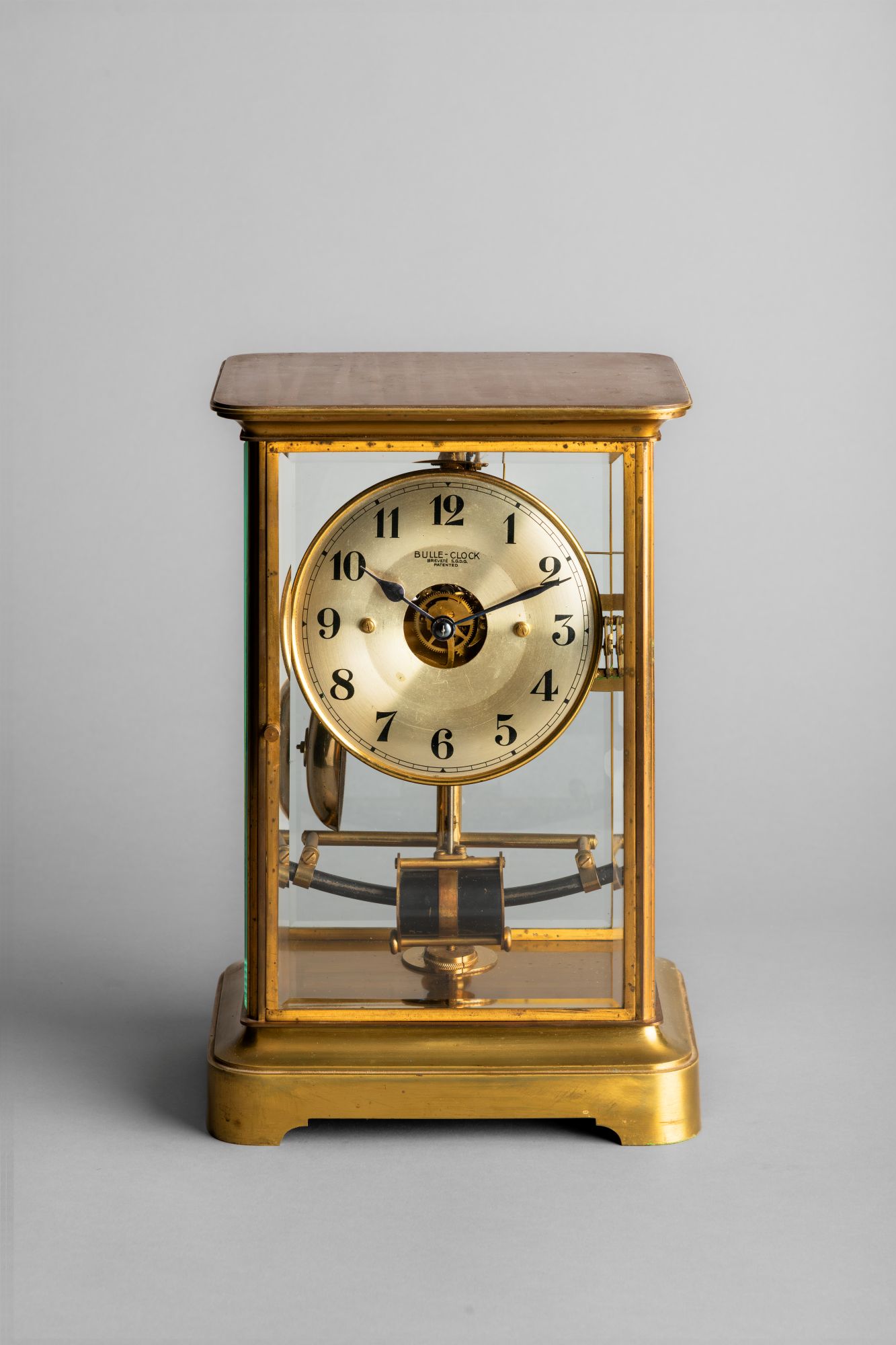
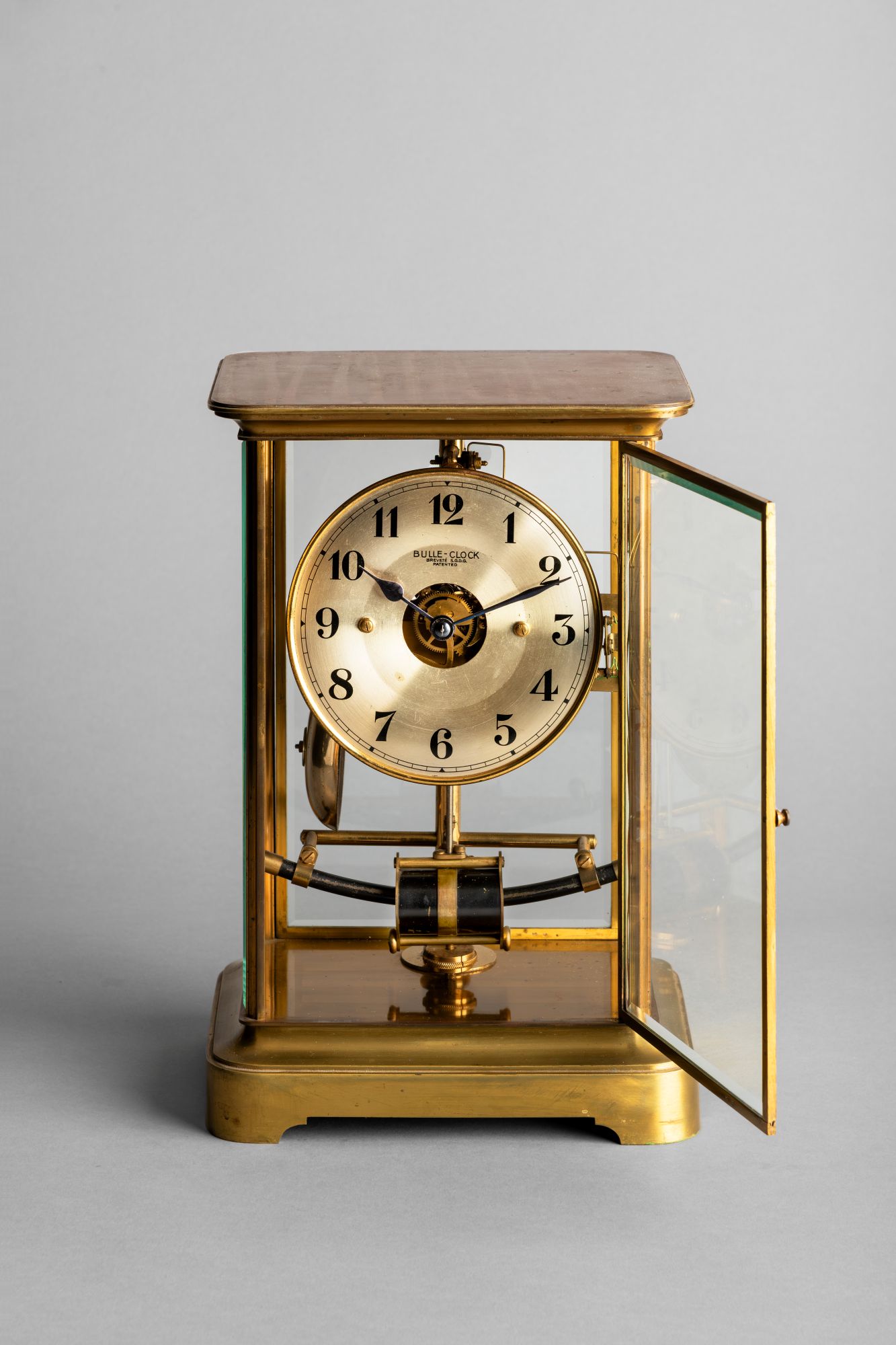
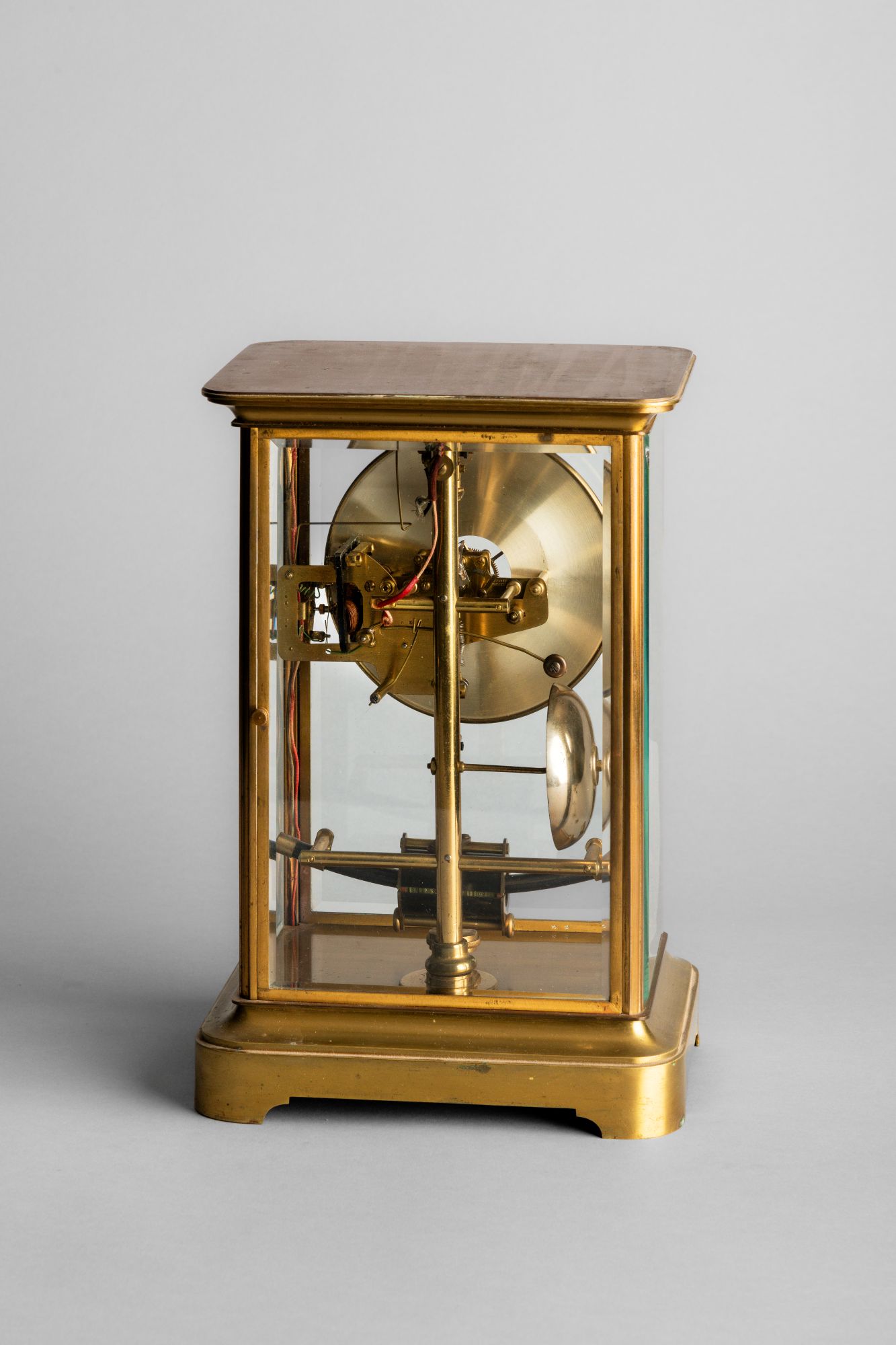
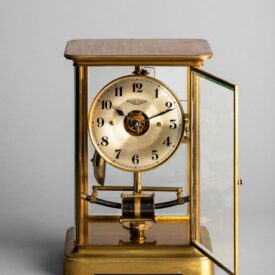
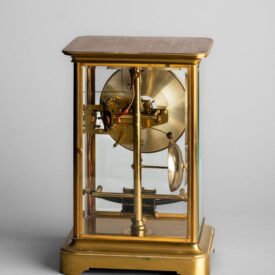
Though the companies used similar technologies, ATO had the edge with the range of case designs they offered: from Art Deco to chinoiserie, ATO had something for every home.

The synchronous clock arrives
In the later 1920s, Britain started building a National Grid. By the end of the decade, more than two-thirds of households had electricity running straight to their homes. This represented an exciting new opportunity for electric clockmakers.
Since the frequency of the mains was tightly controlled, plug sockets offered households not only power, but a simple timebase. Enter the synchronous motor clock: a timekeeper that could be simply plugged in and left to its own devices. It took its time from mains frequency, and never needed a new battery: uniting simplicity, cost and (thanks to a range of new cases), domestic style.
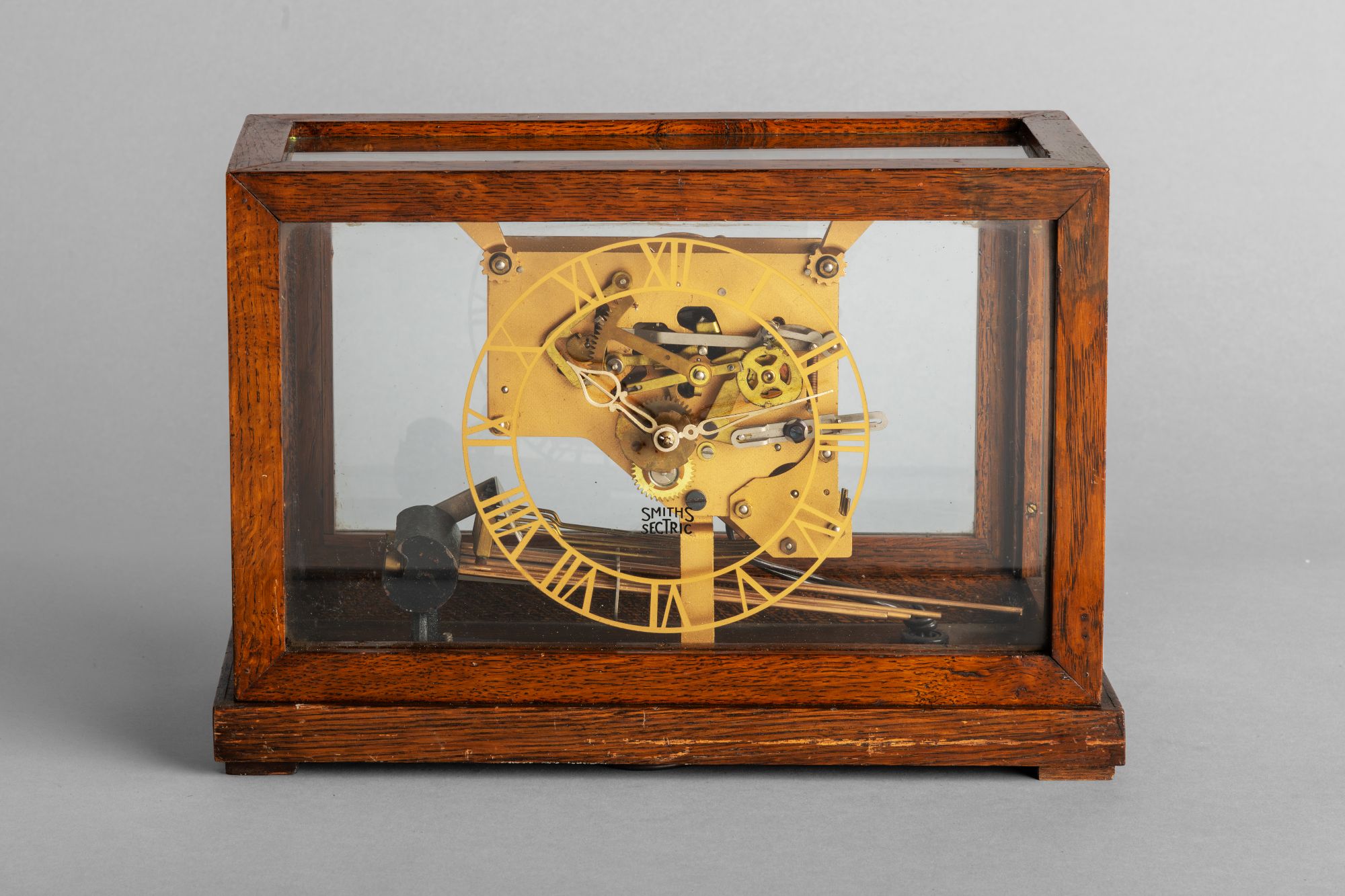
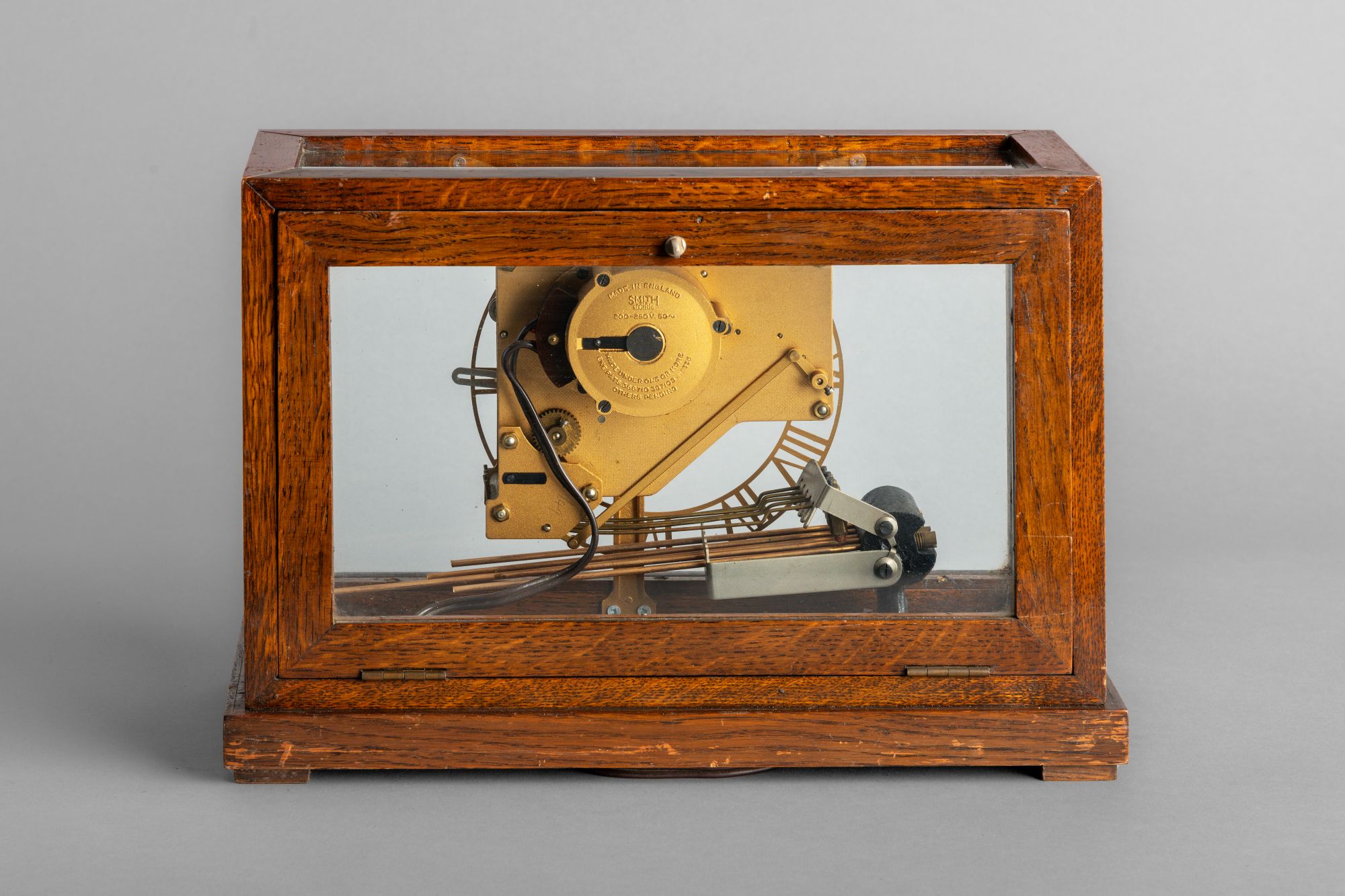
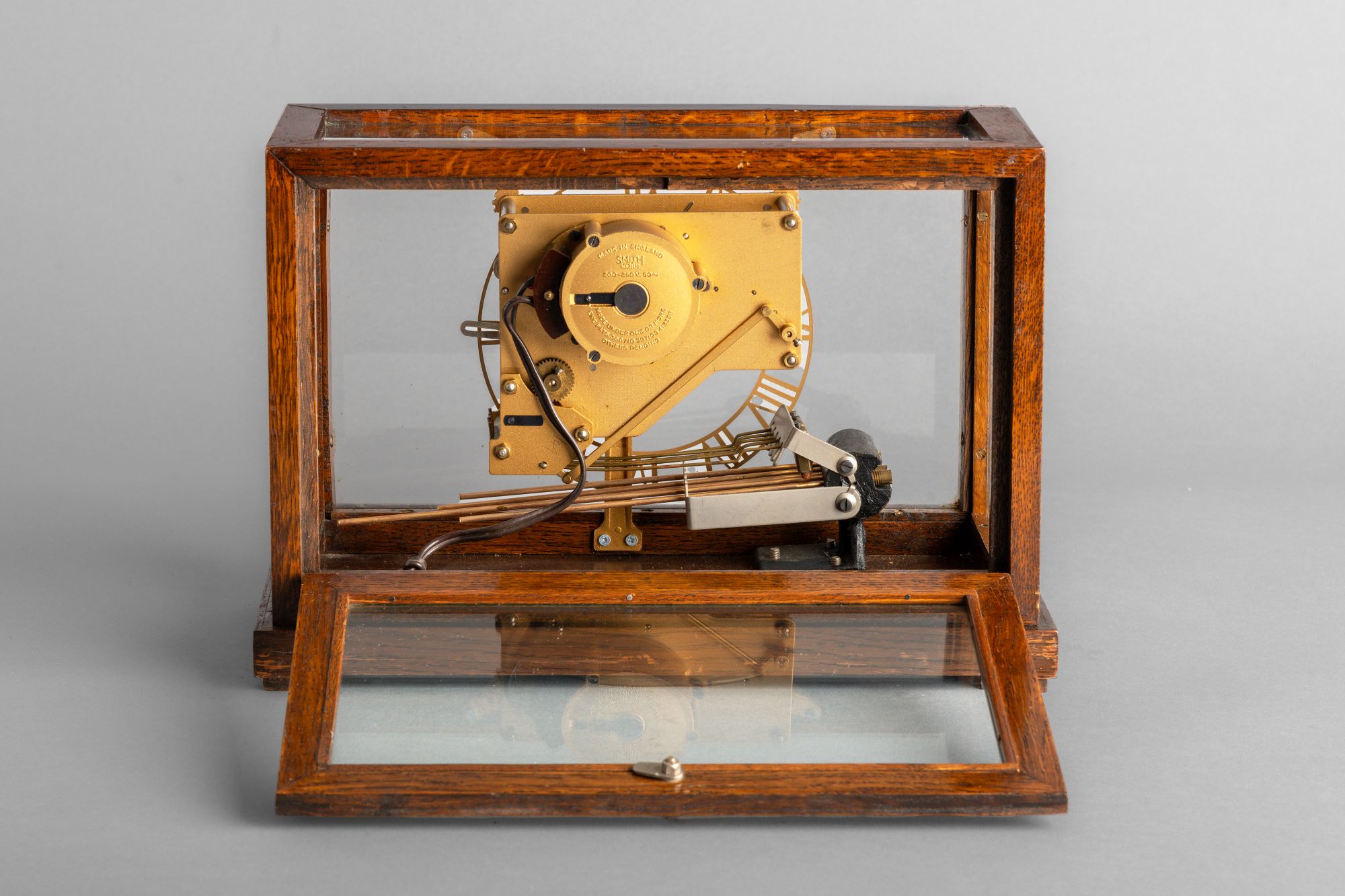
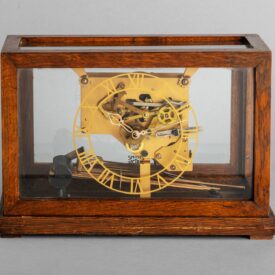
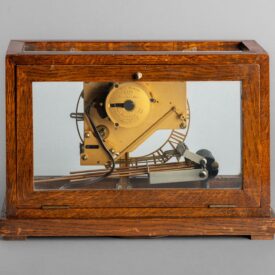
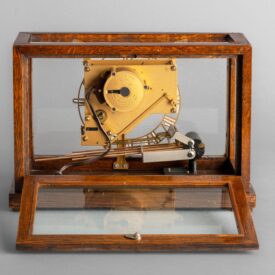
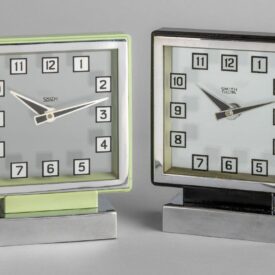
Synchronous motor clocks were soon made in their thousands – to the point that, by the 1940s, many housebuilders were including plugs where clocks might be needed; chiefly above the fireplace in the living room. The British company Smiths produced a line of square ‘mystery clocks’, playing on an earlier French tradition coincidentally pioneered by Eugene Robert-Houdin.


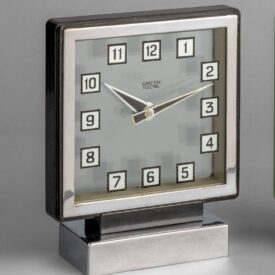
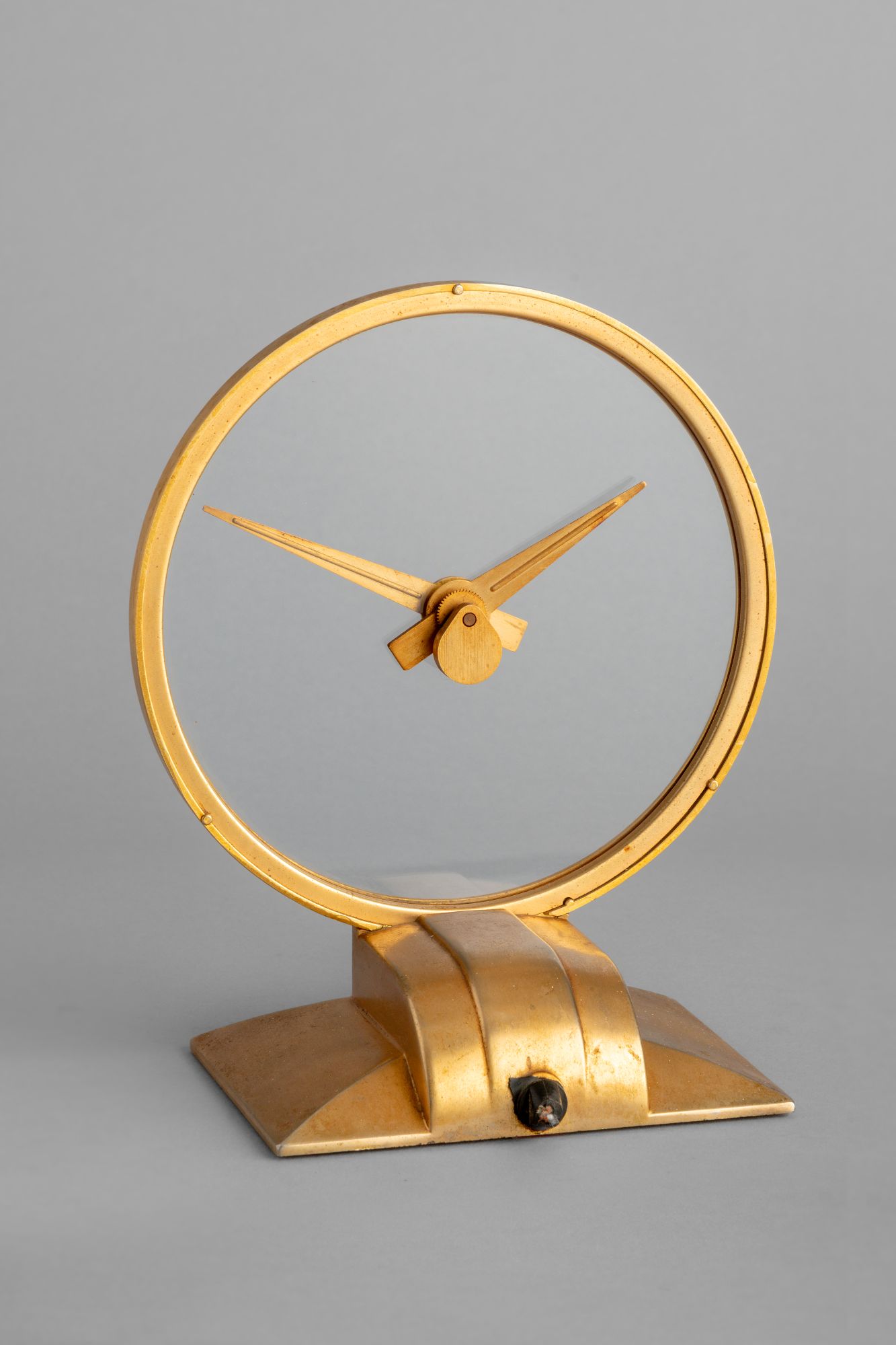
In the USA, the Jefferson Electric Company of Bellwood, Illinois sold around 2 million synchronous ‘Golden Hour’ clocks between 1949 and 1991, pitching them explicitly at ‘upper-bracket families […] thinking about new and distinctive gifts for Mother’s Day and this year’s June brides’.

Precision achieved
However, the synchronous clock was, by definition, attached to the wall, and by the 1960s, battery power had advanced significantly. Plug sockets were starting to look less appealing.
Advertised as ‘a breakthrough in the art of timekeeping,’ the Secticon table clock was manufactured in la Chaux de Fonds with a Portescap movement and a Space-age moulded plastic case designed by Milan-born architect and urban designer Angelo Mangiarotti.
The Portescap’s novel chronometer-style escapement opened new horizons in domestic timekeeping. ‘For the first time,’ the catalogue proclaimed, ‘nearly absolute precision is introduced to daily life’ – the clocks were advertised as achieving an accuracy of +- 2 seconds per day.

The coming of quartz
Secticon sales were steady, but – as with the Eureka clock of 50 years earlier – this was very much a luxury product, retailing at £24 (twice the average wage of the time).
Meanwhile, quartz technology was continuing to develop, at last bringing to popular attention a new generation of clocks that offered accuracy, simplicity – and an appealing price. Today, quartz clocks are the most familiar domestic timekeeper, making electric clocks in the home virtually ubiquitous – though perhaps few are familiar with their long prehistory.