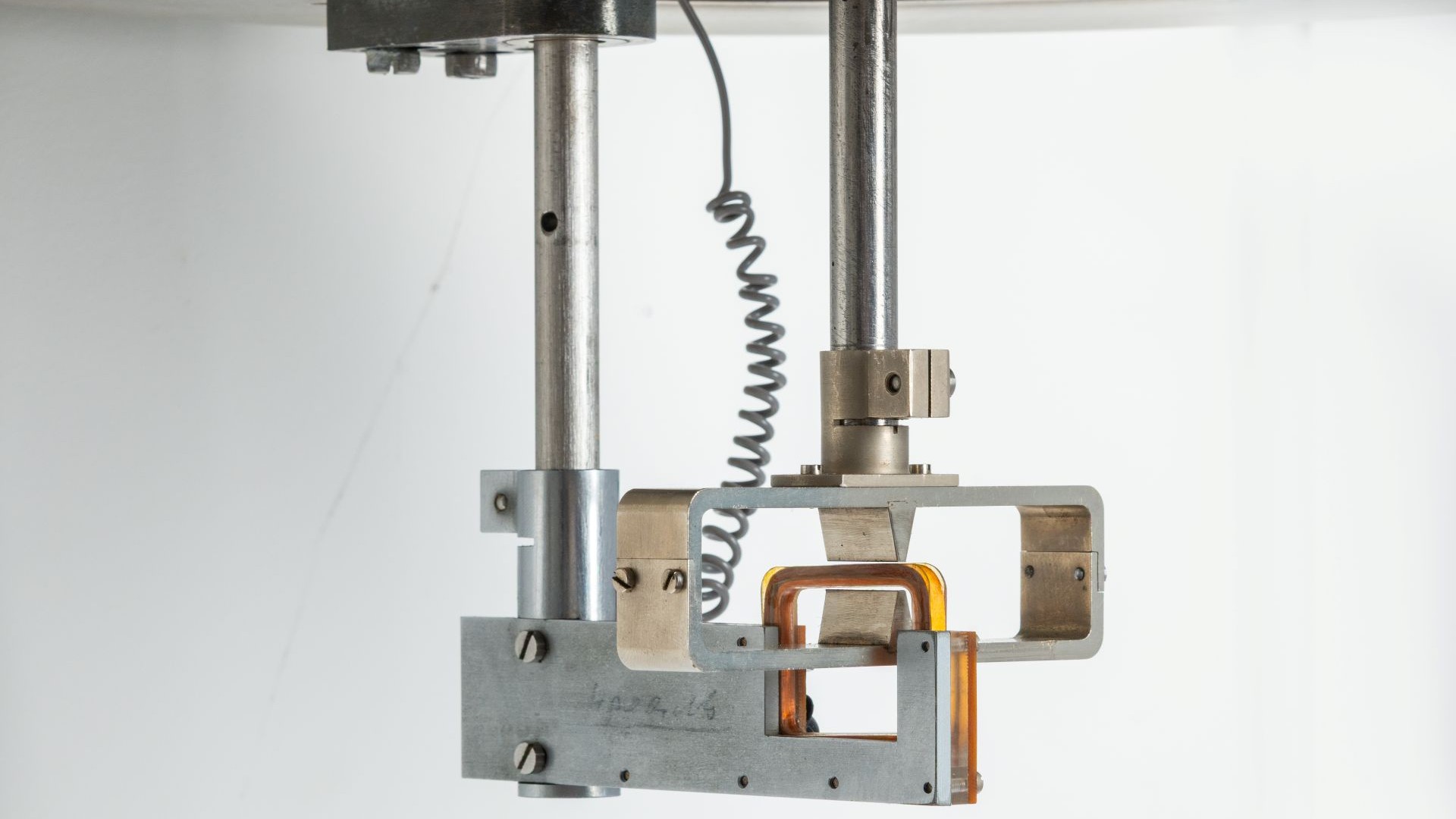
Precision clocks have always shaped science.
In May 1832, astronomers were able to calculate Mercury’s dimensions for the first time, by observing its transit – and timing it. In fact, the research potential of a reliable timebase has made astronomers clockmakers’ most demanding customers.
Short-duration time
In the 1840s, Swiss-German clockmaker Matthaus Hipp developed an electric chronoscope, or short-duration timer. With its fast-running train, this precision instrument could measure thousandths of a second.
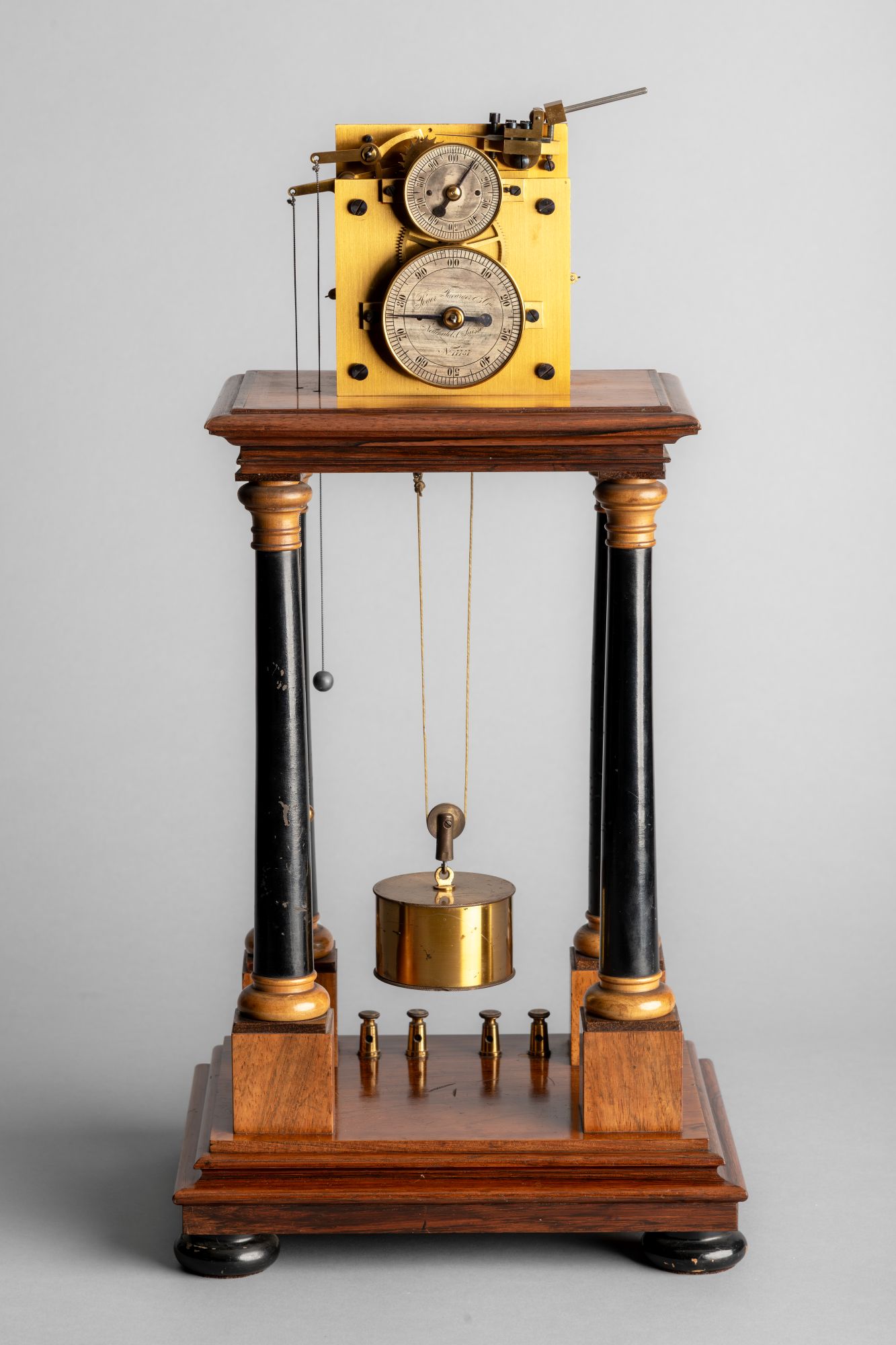
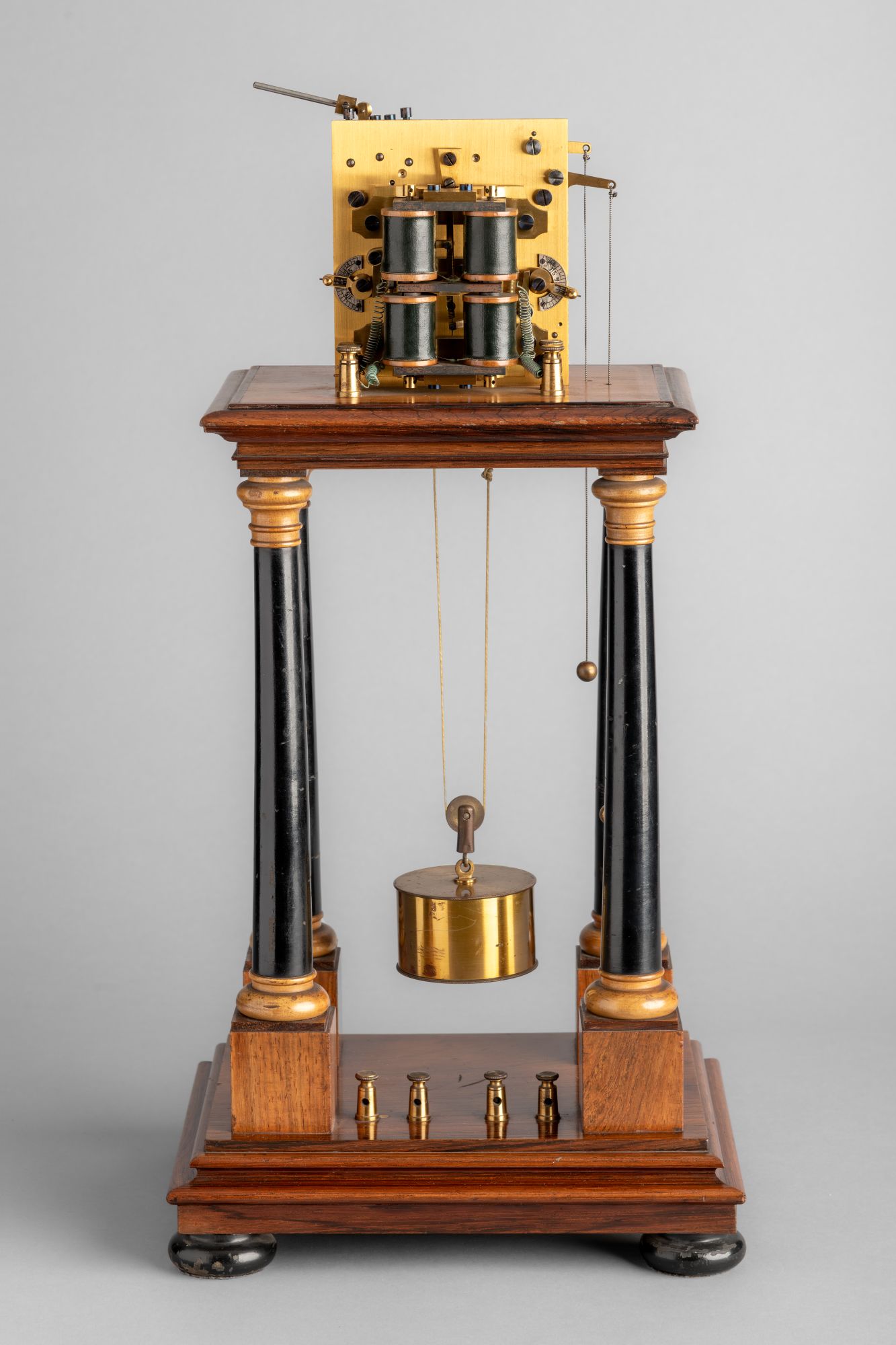
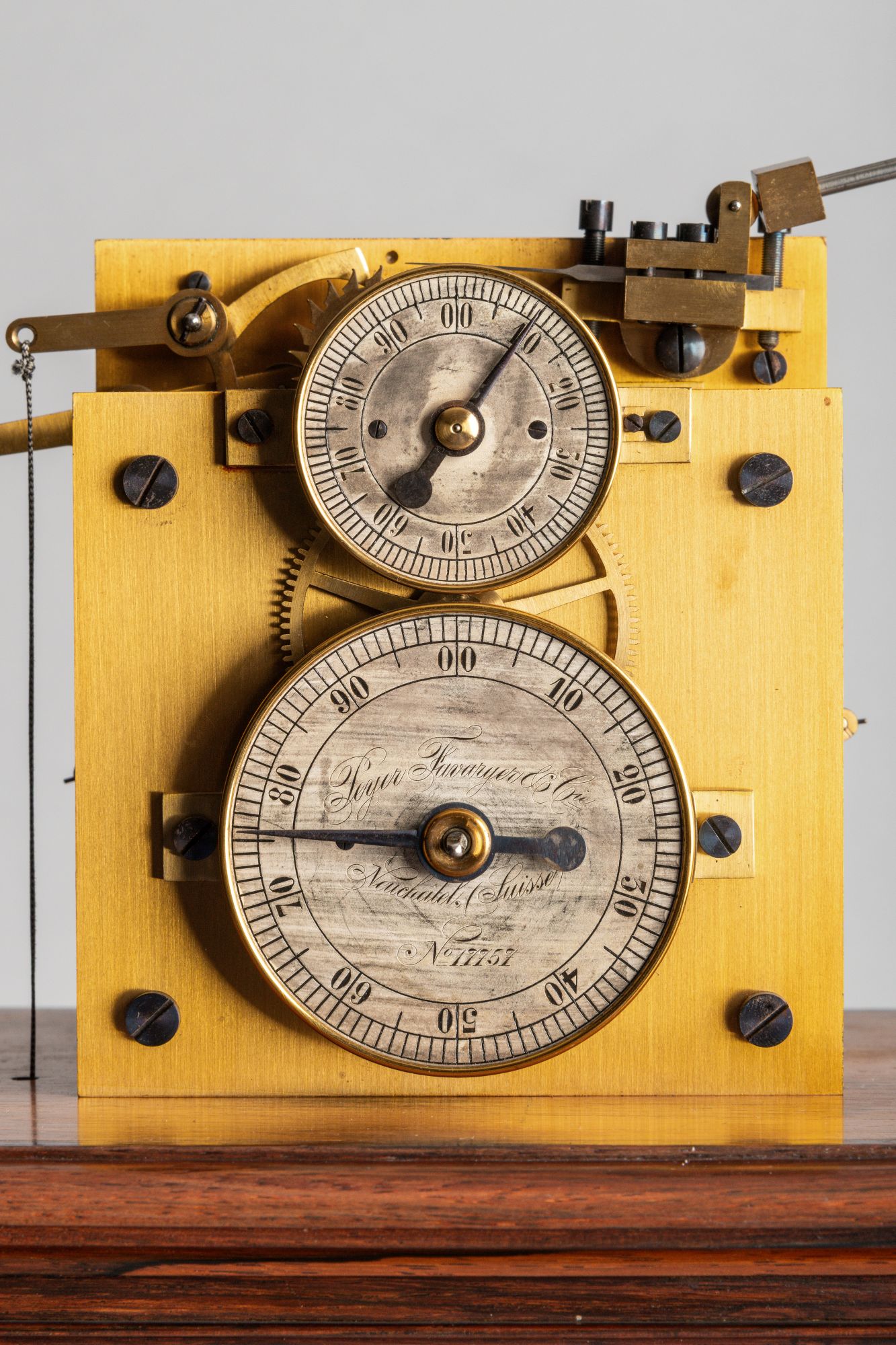
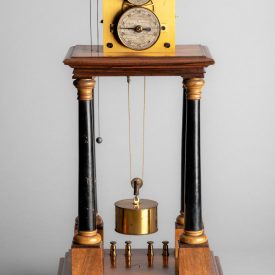
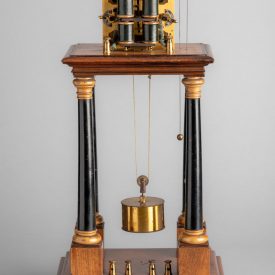
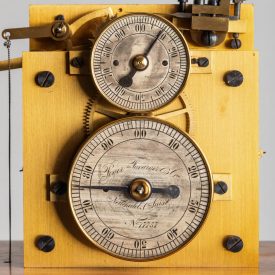
Hipp’s device was soon adopted by astronomer Adolph Hirsch for a series of experiments on ‘physiological time’. This was initially an attempt to correct for varying reaction times in star transit observations, but the chronoscope’s potential was immediately also recognised by researchers in the emergent fields of psychiatry and psychology.
Time in the lab
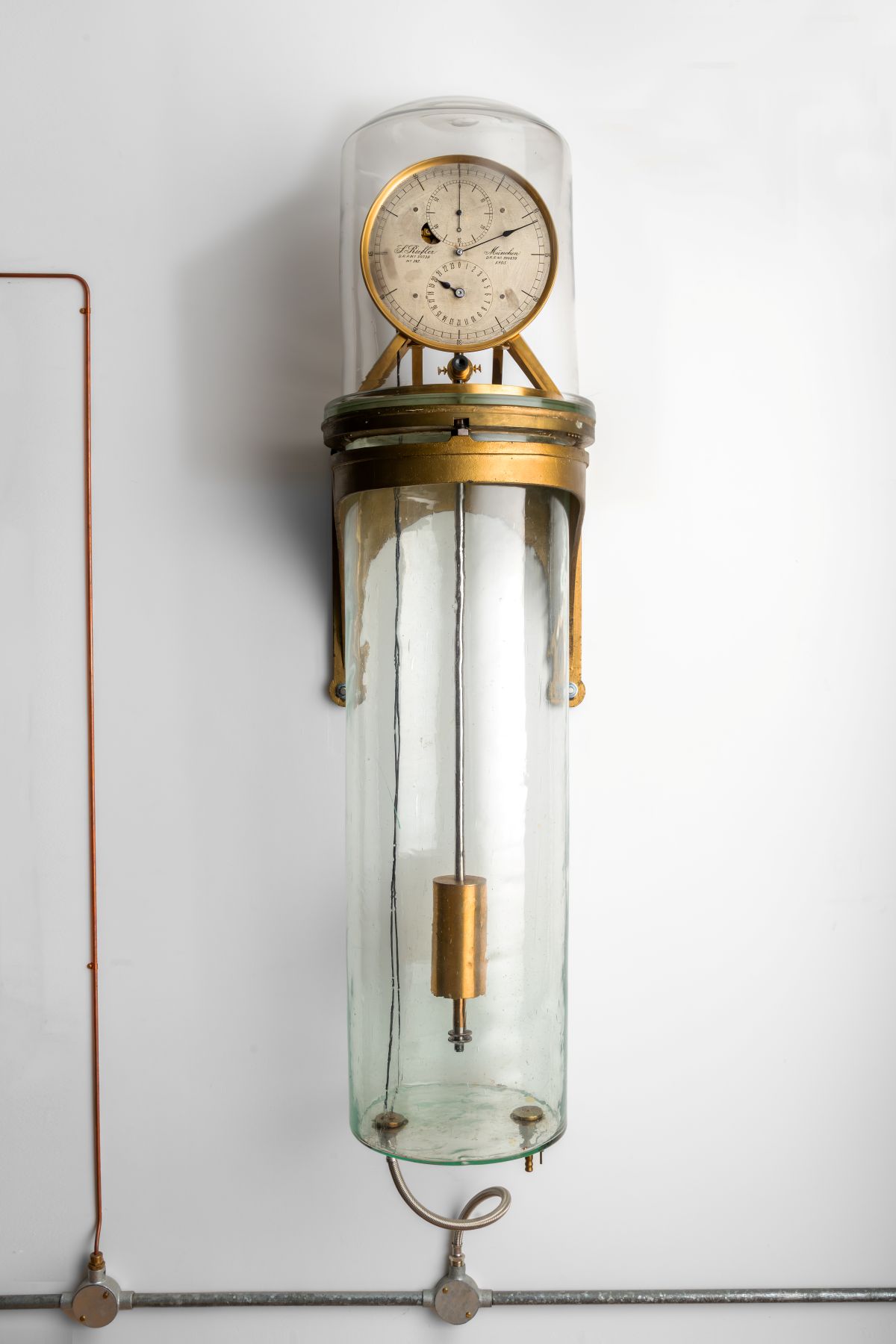
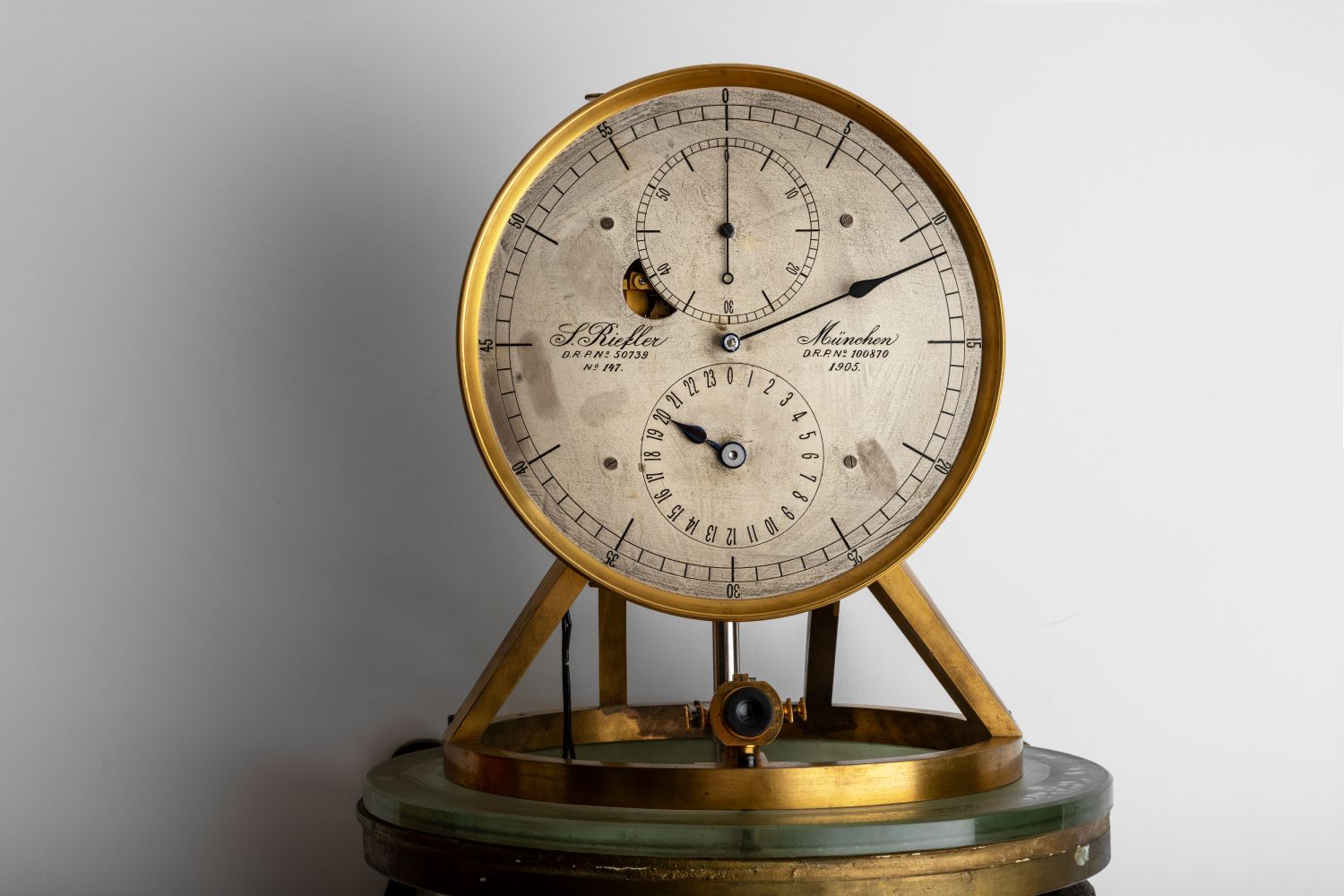
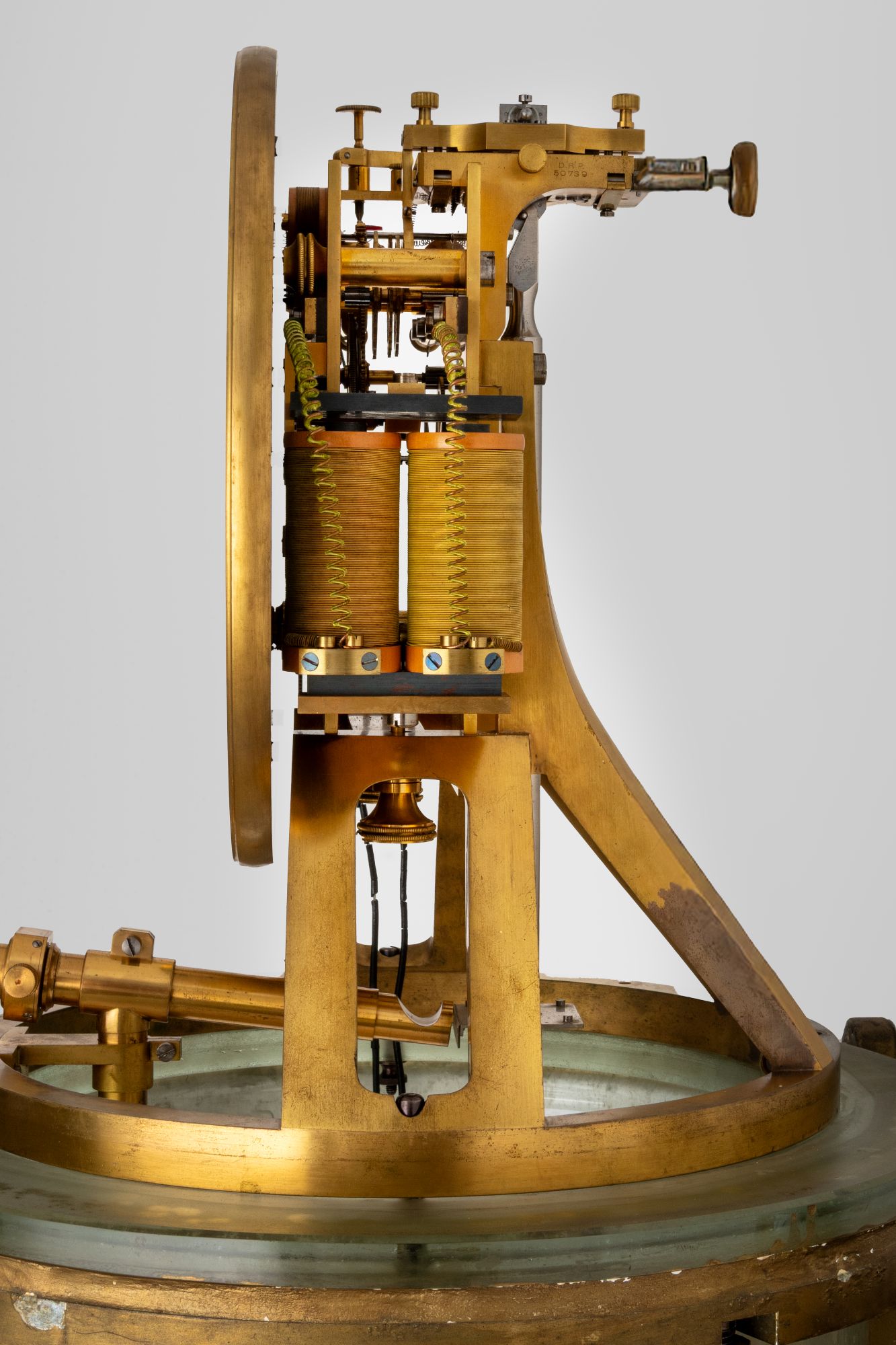
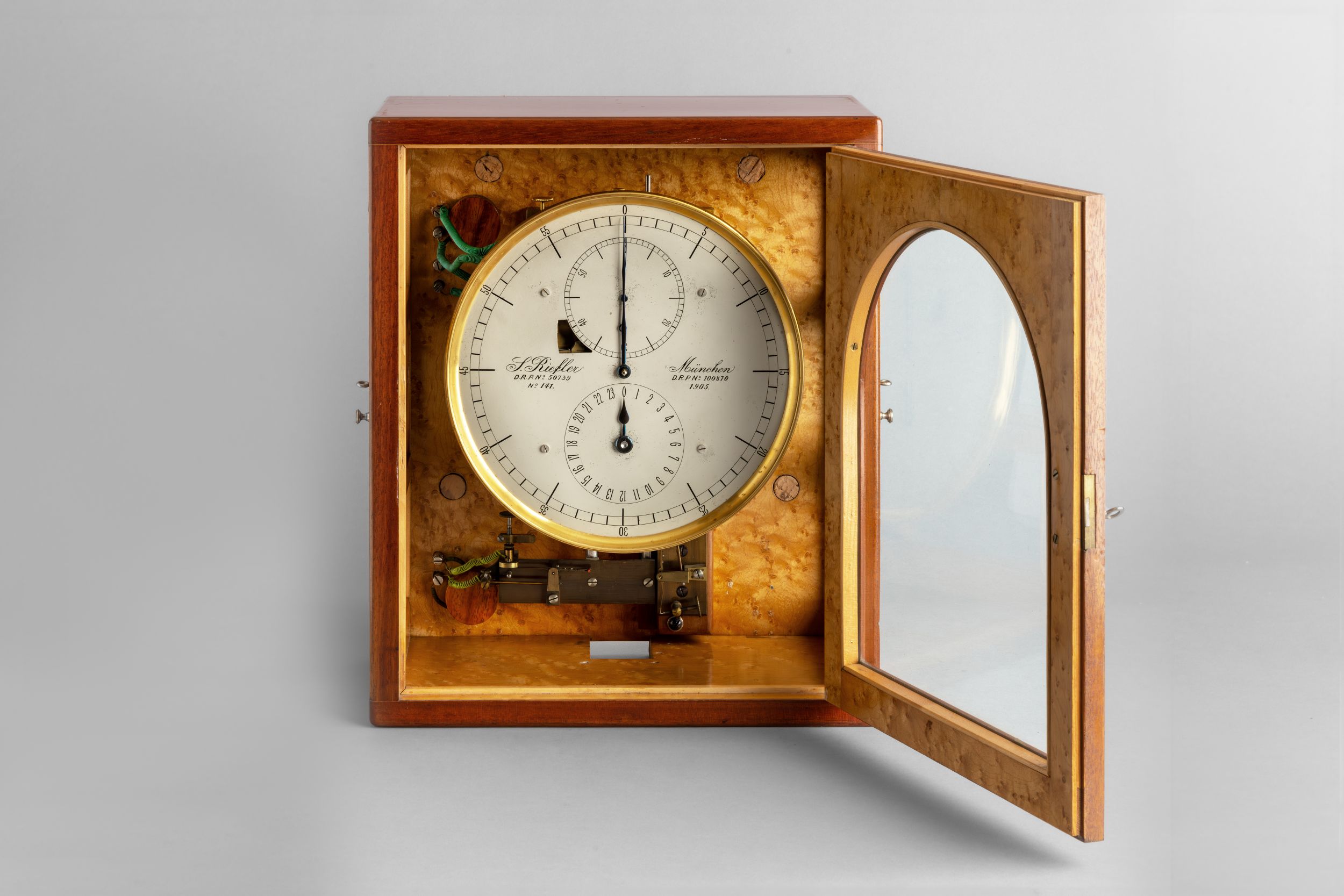
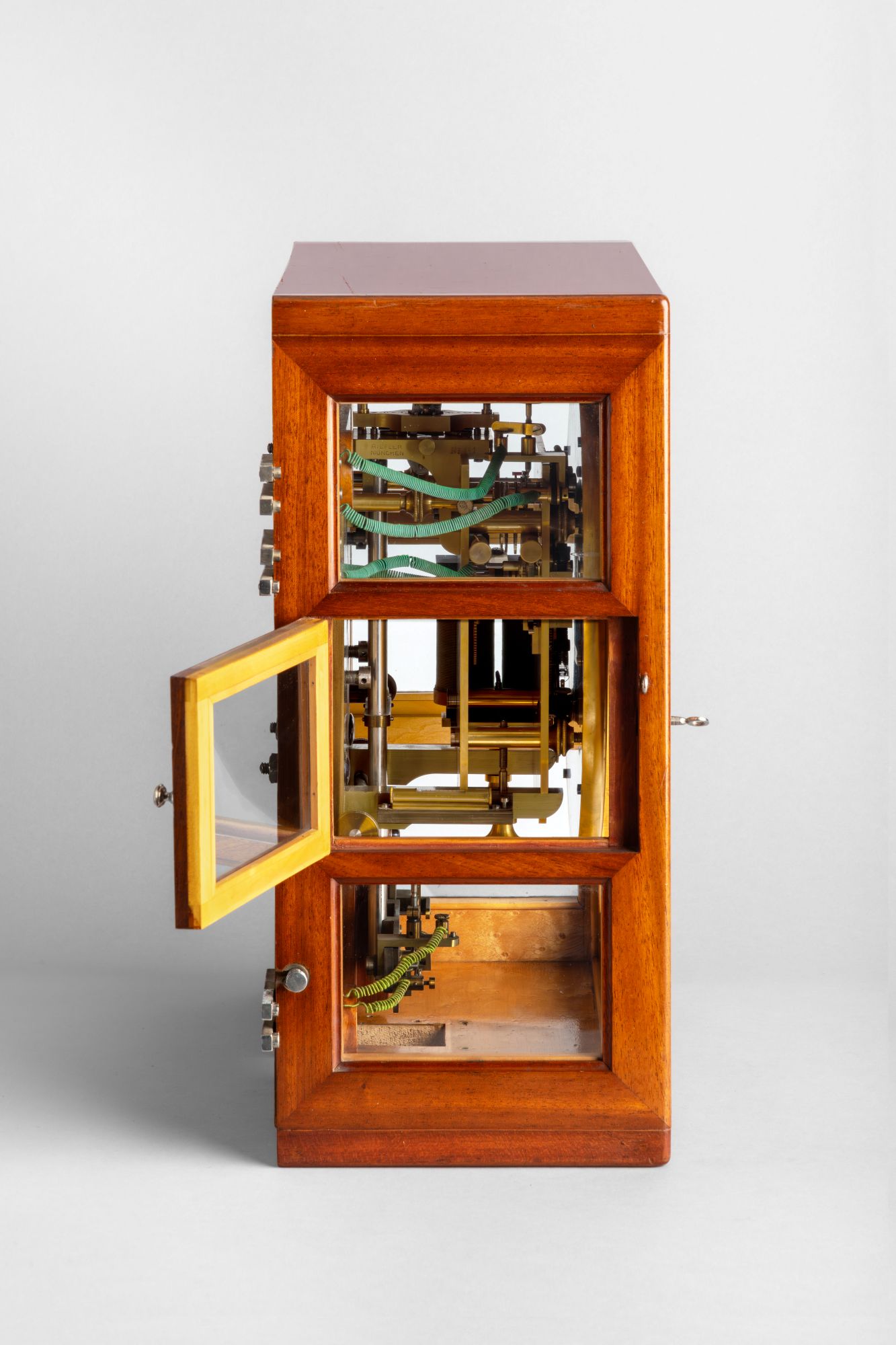
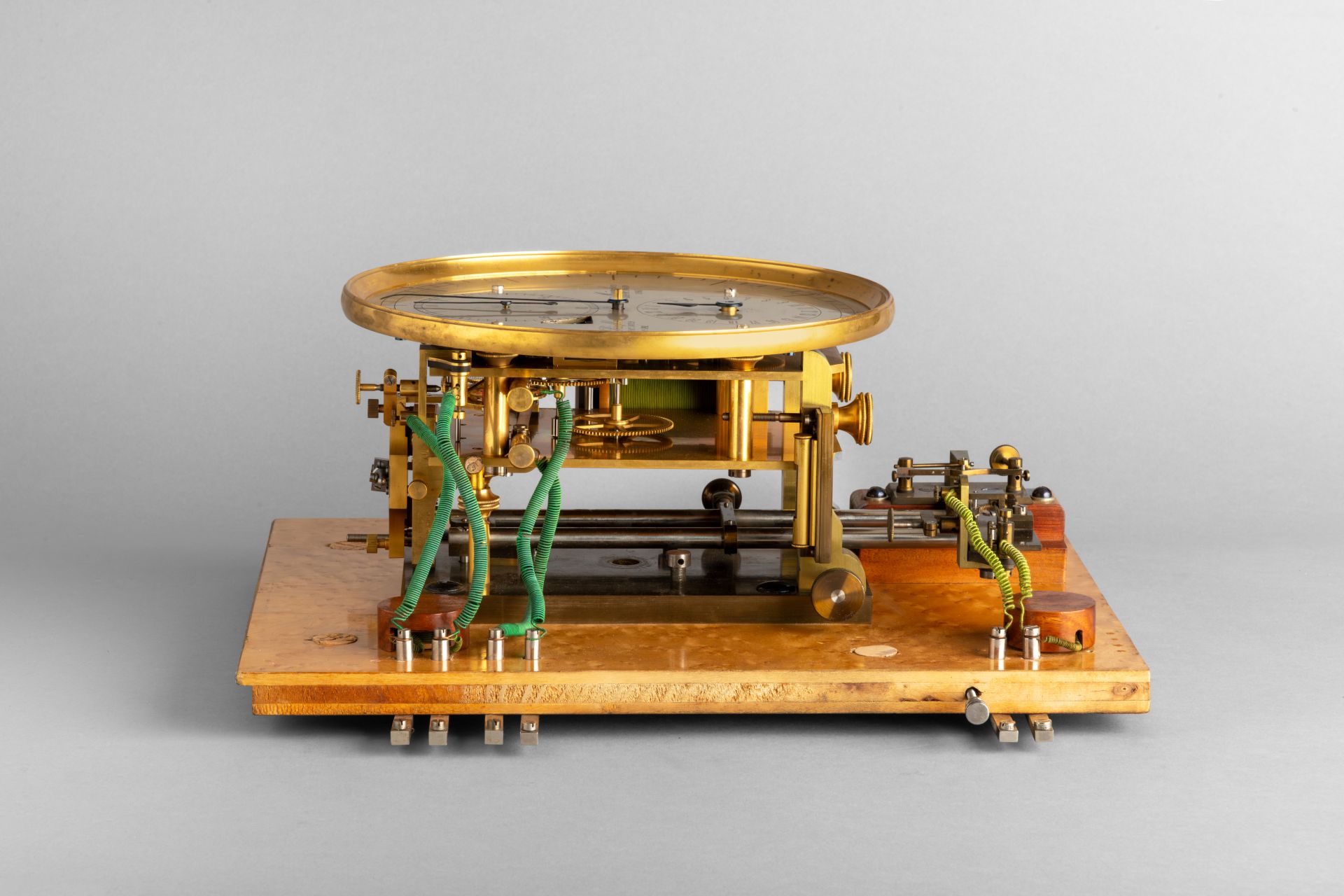
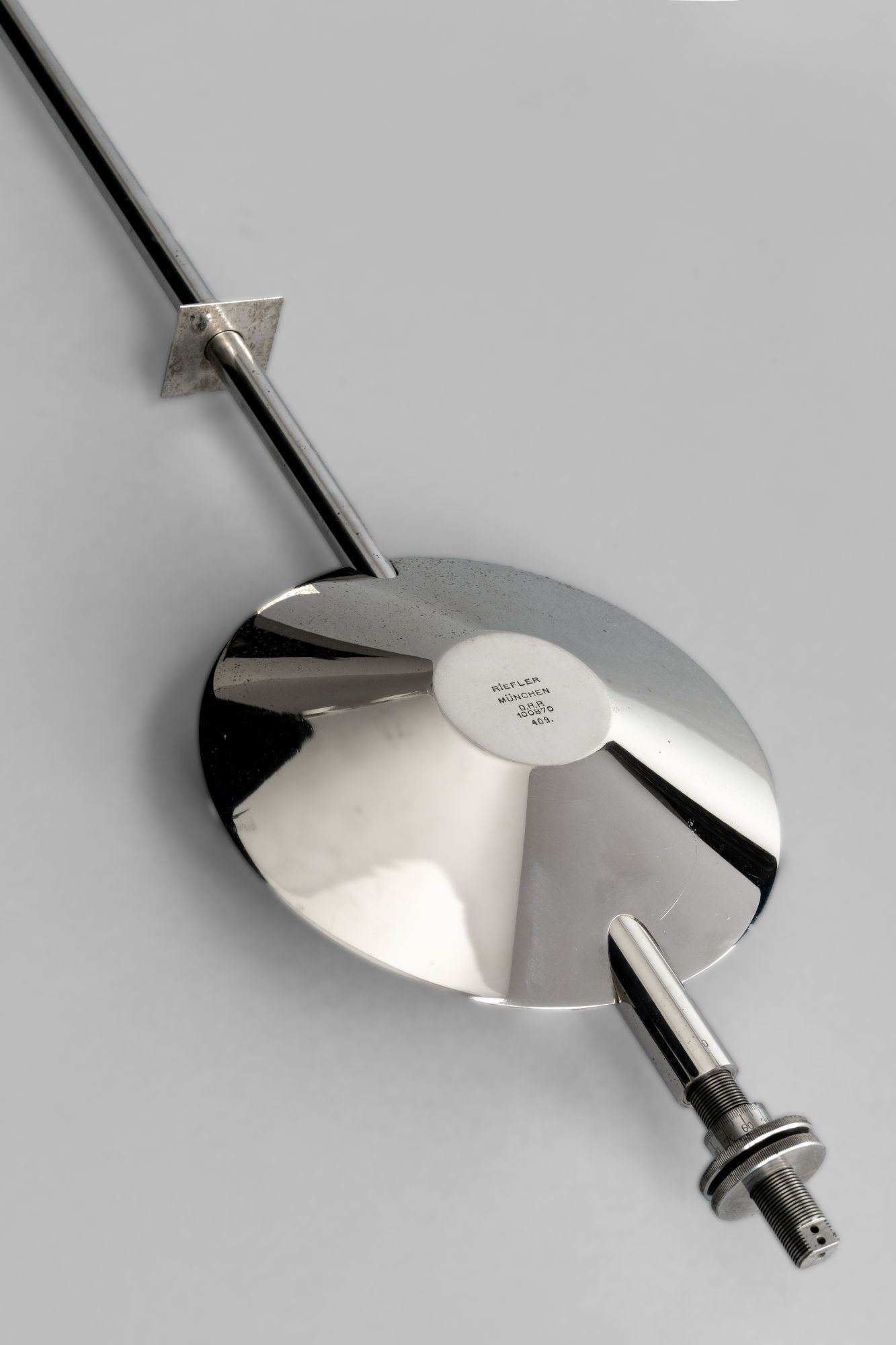
In the early twentieth century, the pinnacle of precision clockmaking was the astronomical regulator manufactured by Munich-based engineer Sigmund Riefler. Riefler was one of the first clockmakers to use Invar in his pendulum rods, significantly reducing timekeeping inaccuracies caused by temperature fluctuation. He also put his clocks in a glass tank, allowing users to run them at a vacuum, and create a consistent atmospheric environment.
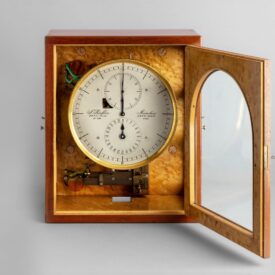
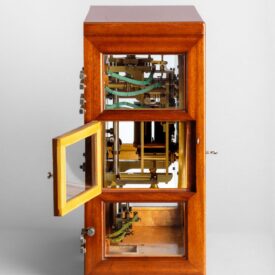
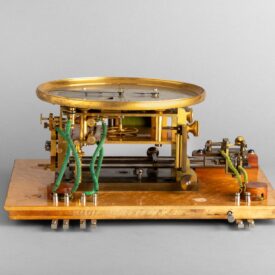
Riefler’s clocks were sufficiently indispensable that he also offered ‘transport’ models, which could be set up as a timebase for field work. This one was dispatched to the Odessa Observatory in February 1905.
International competition
In 1915, the British Admiralty wrote to the Royal Observatory at Greenwich, objecting to their use of Riefler clocks at a time when the nation was at war with Germany.
A concerted project followed to devise a British alternative precision clock, with the contract ultimately awarded to E. T. Cottingham – a clock with a very similar movement to Riefler’s.
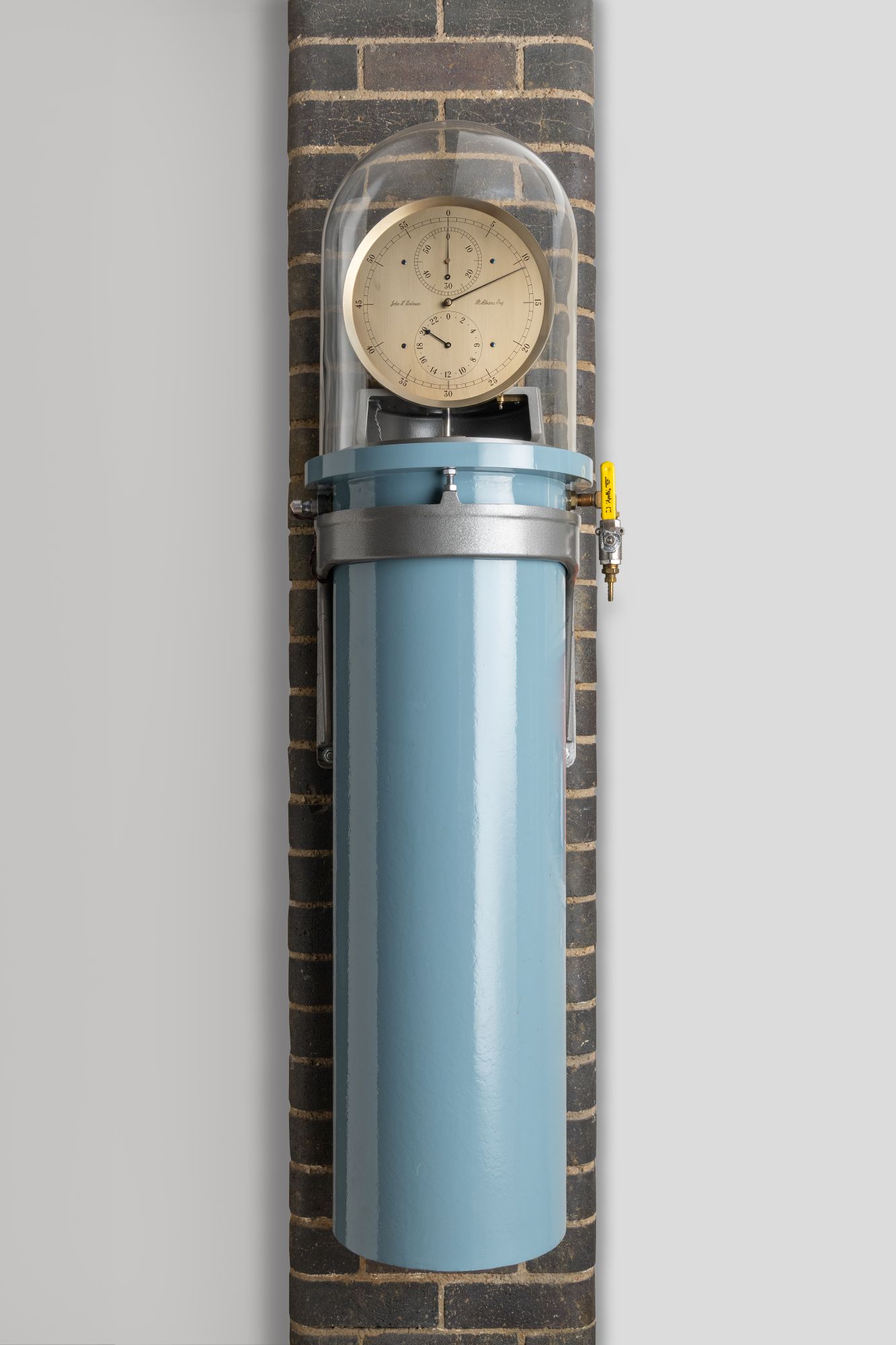
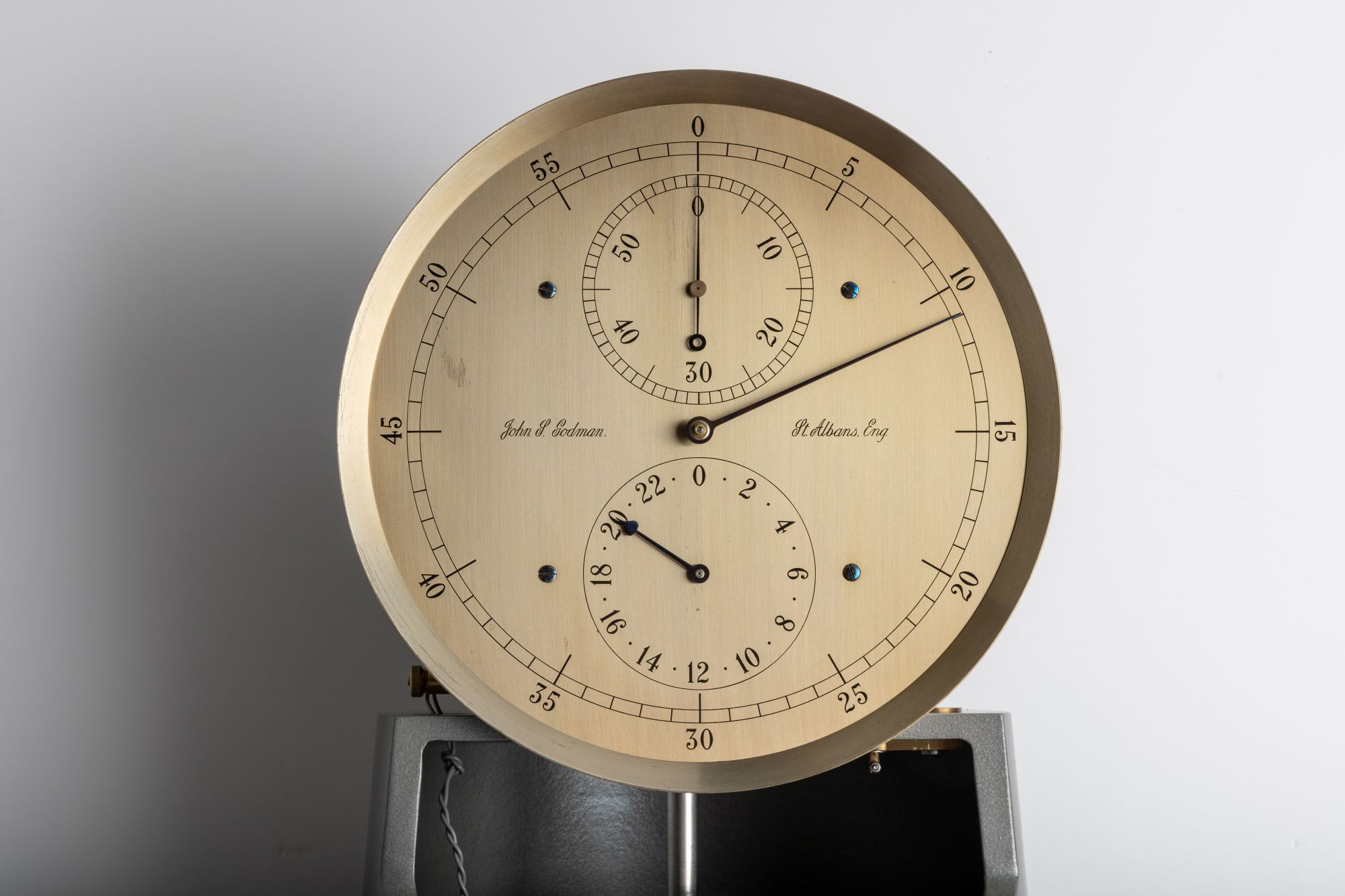
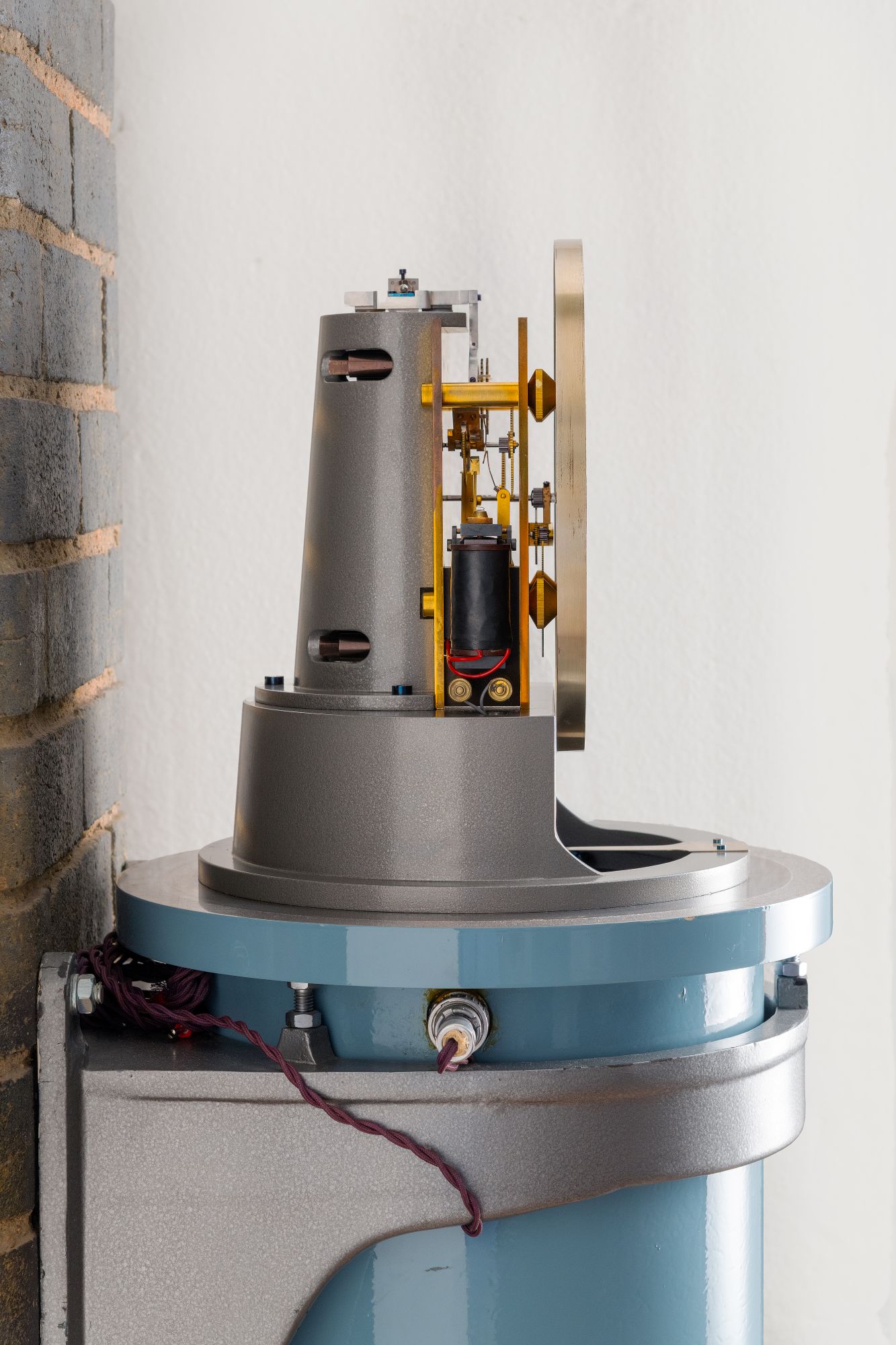
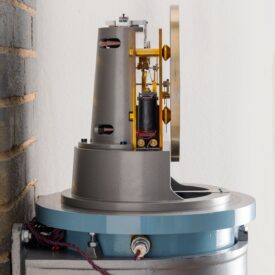
Other clock companies made a stab at astronomical regulators. The British firm Gent put a specially jewelled version of their high-quality ‘Thornbridge’ movement in a glass tank to create a precision instrument for the Observatory founded by the Nizam of Hyderabad in 1908.
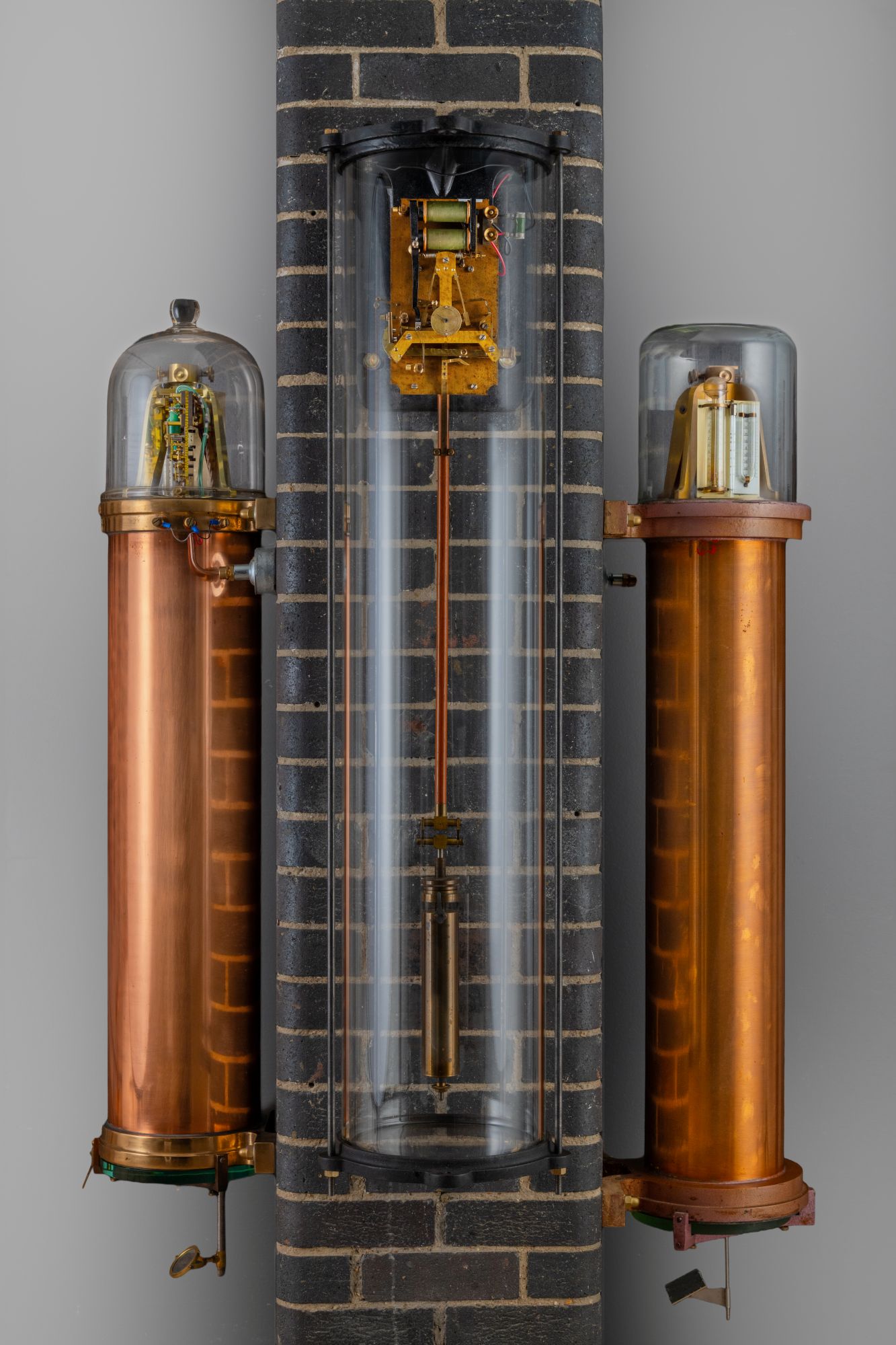
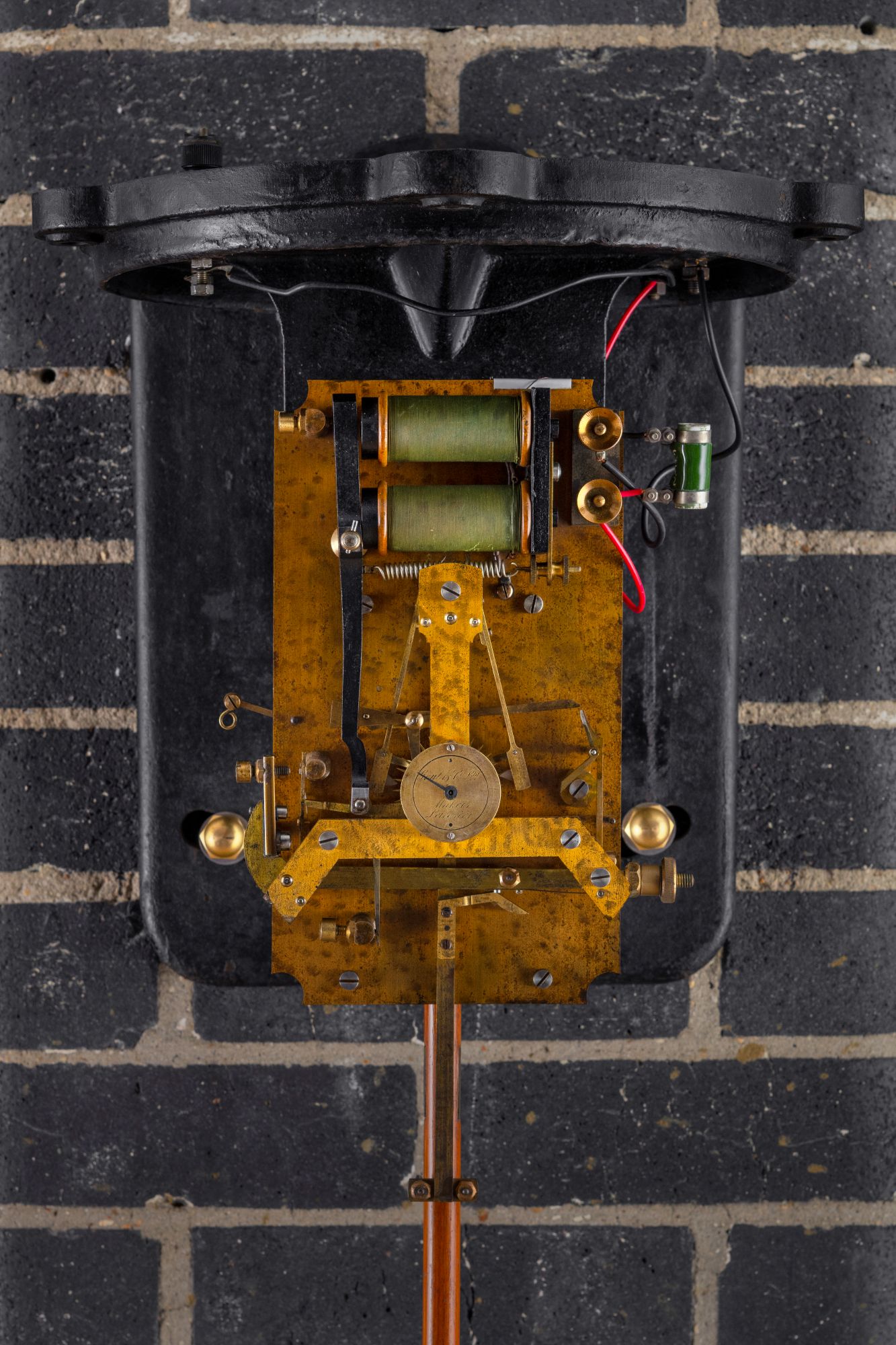
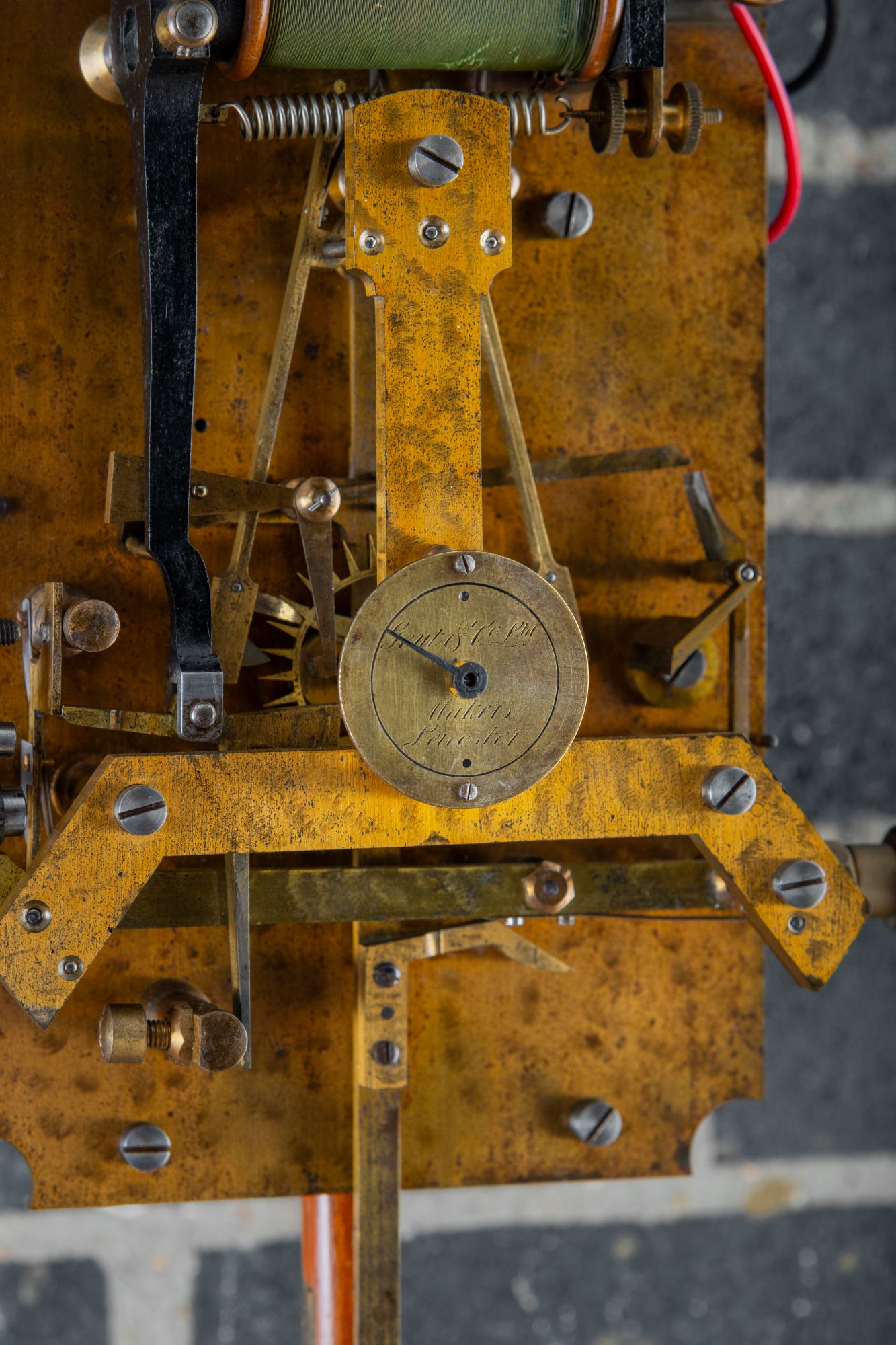
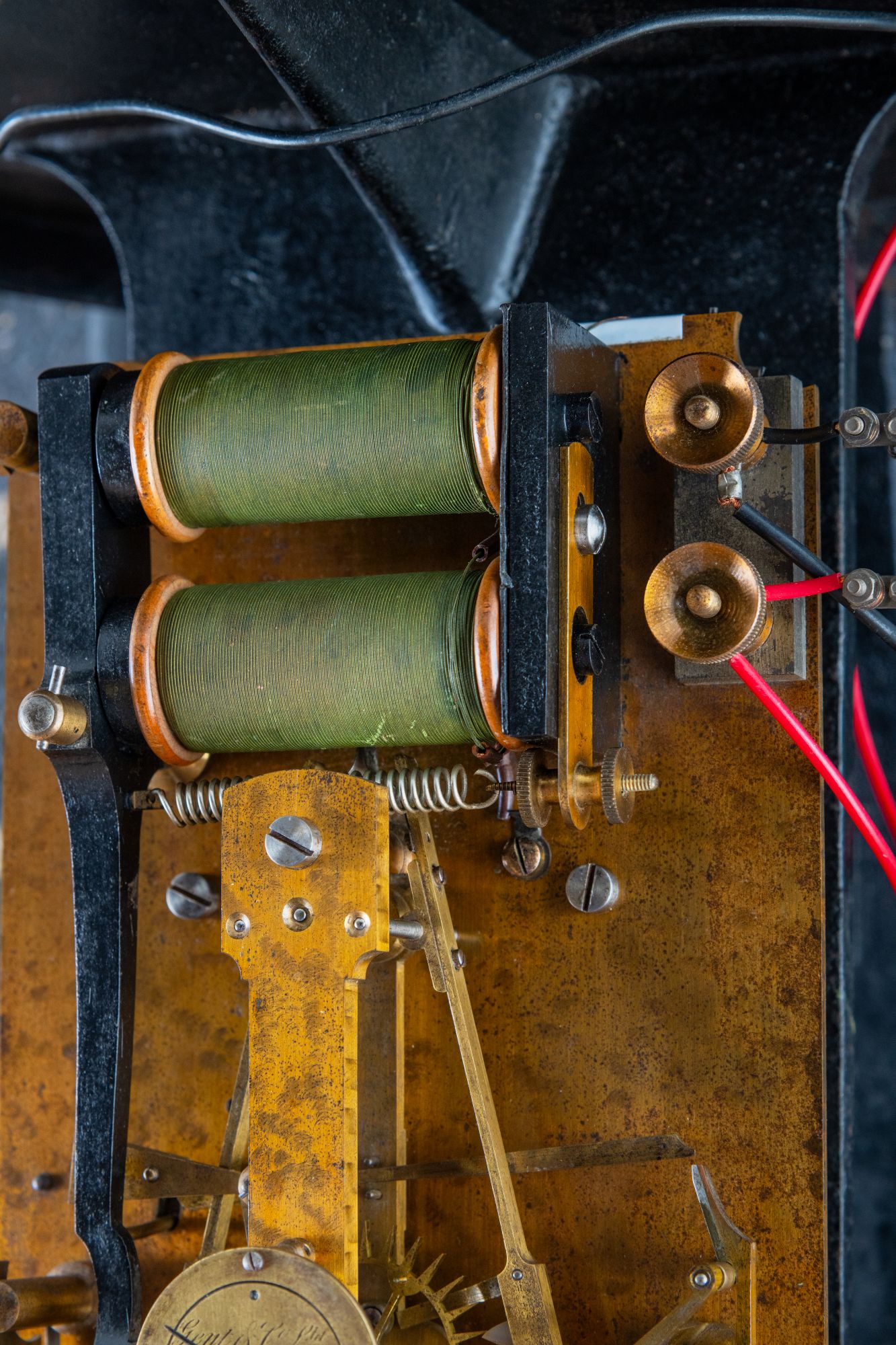
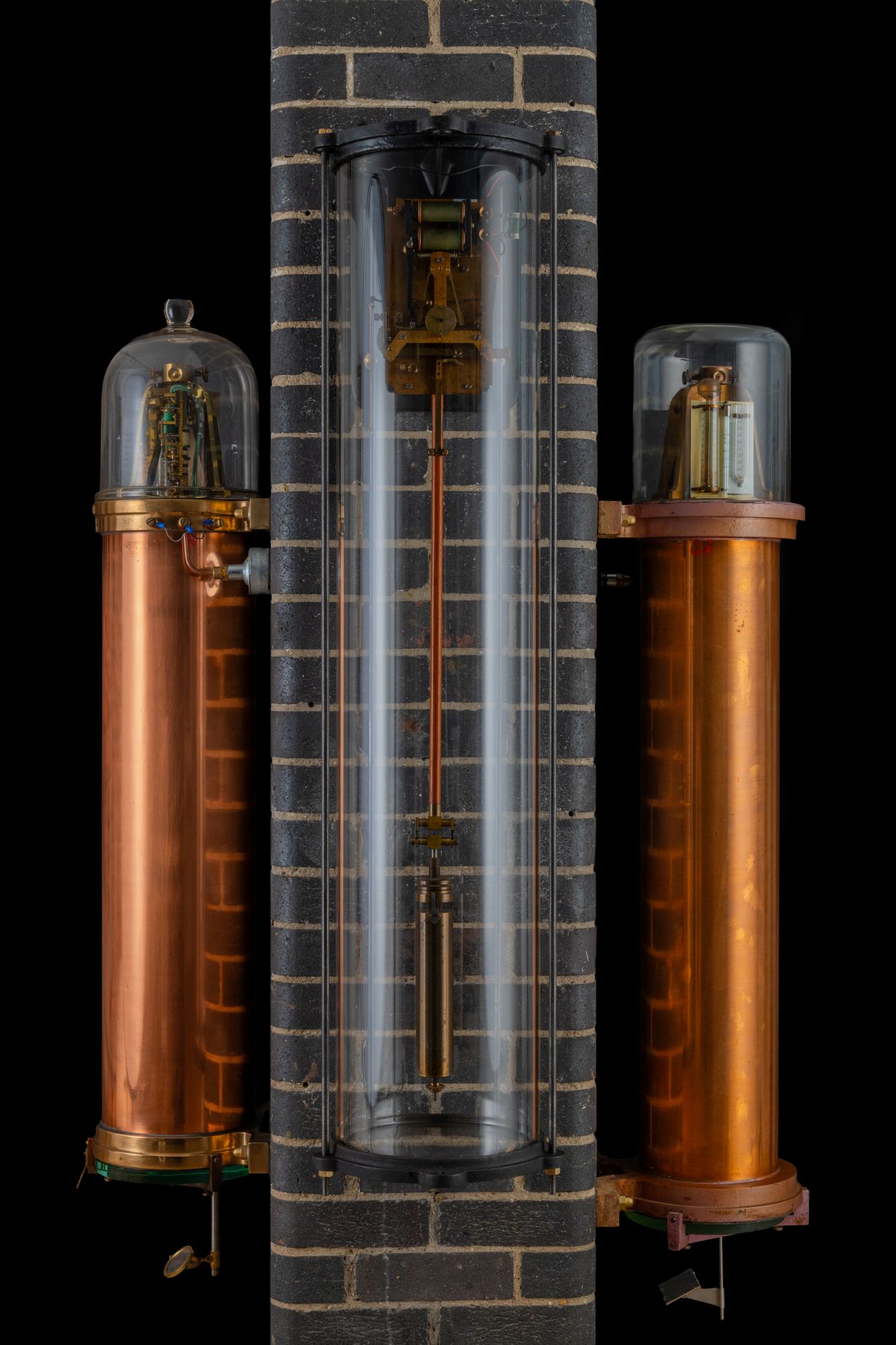
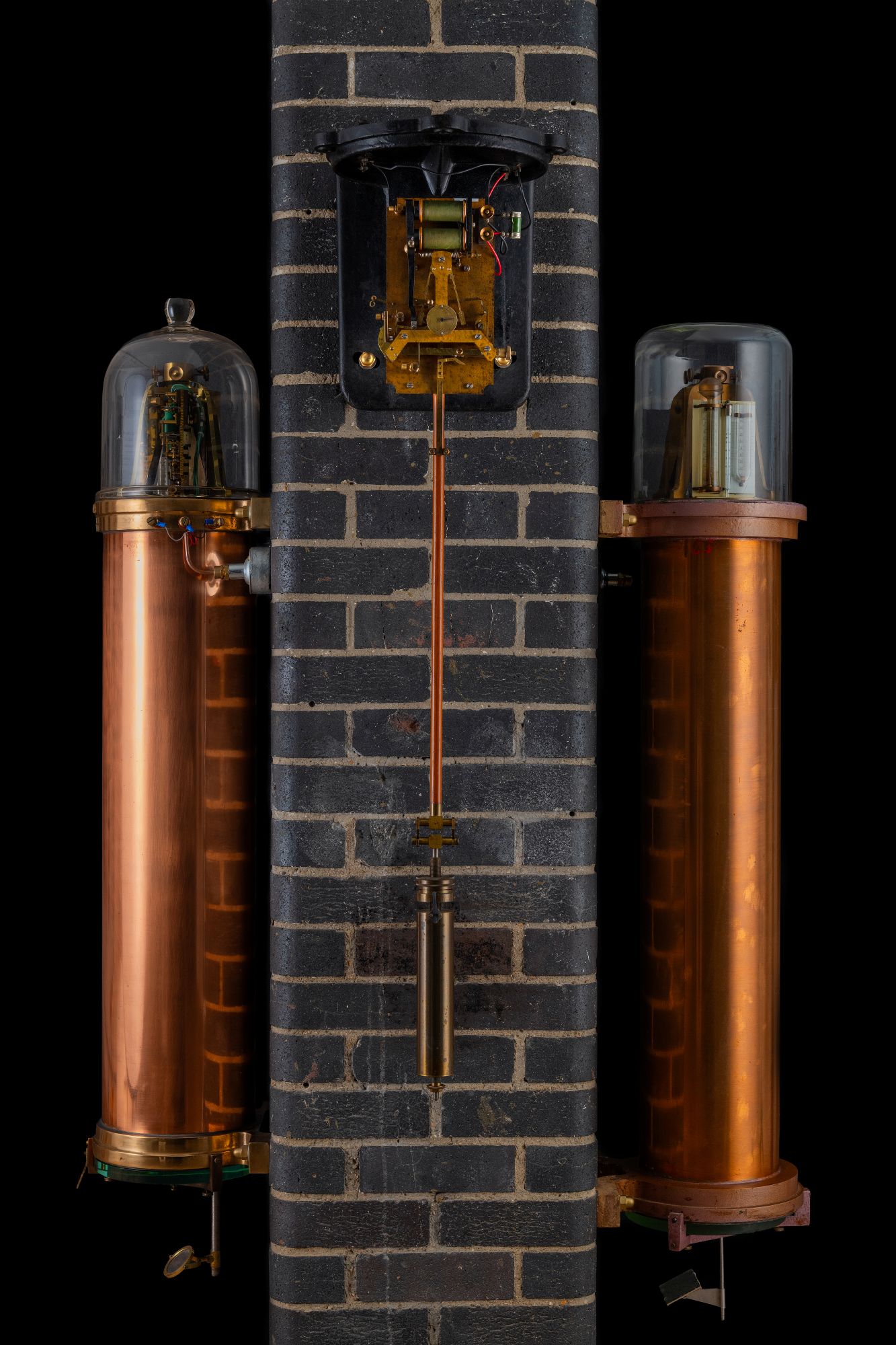
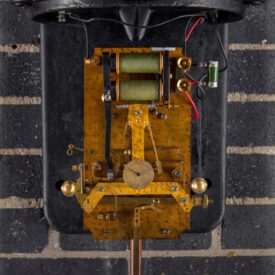
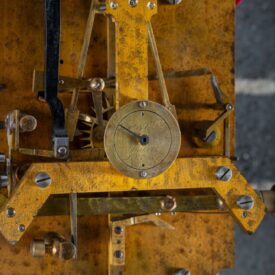
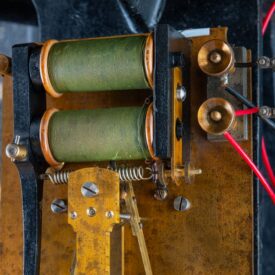
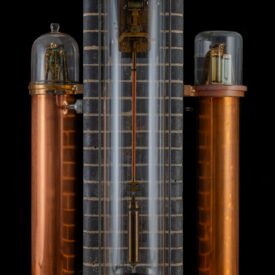
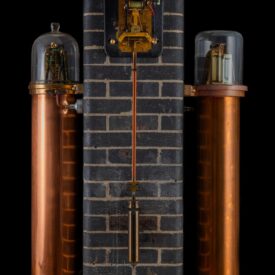
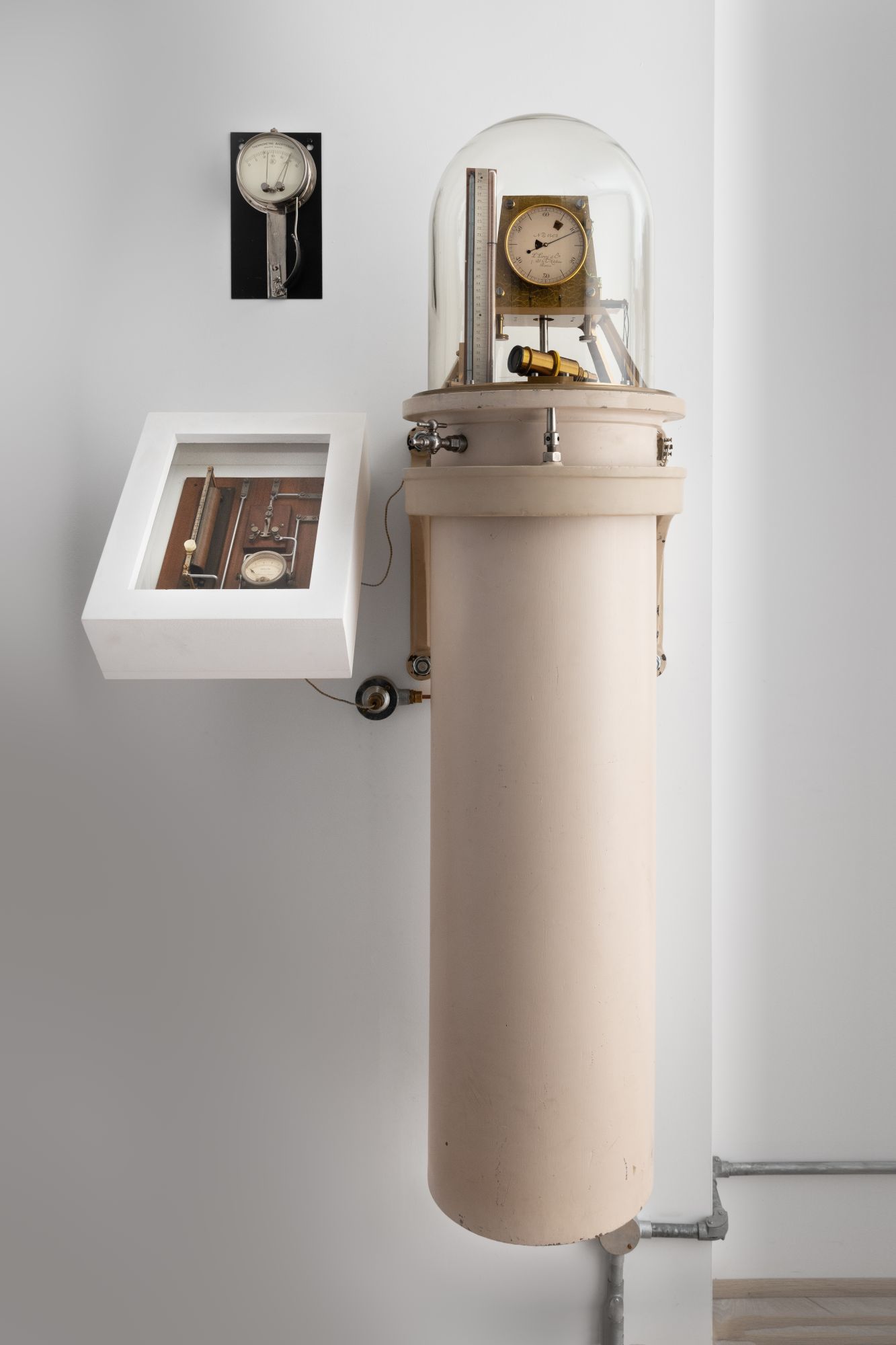
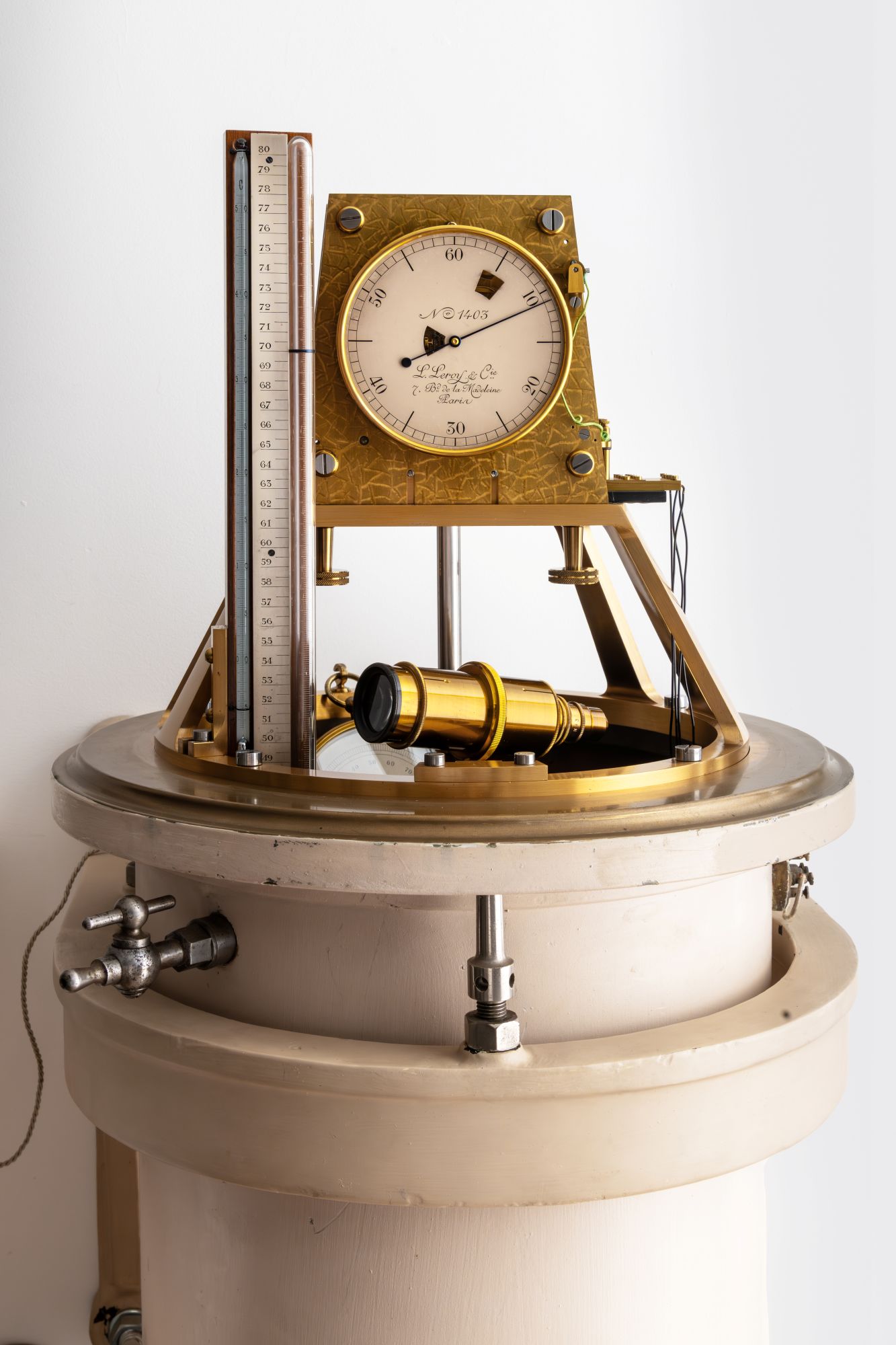
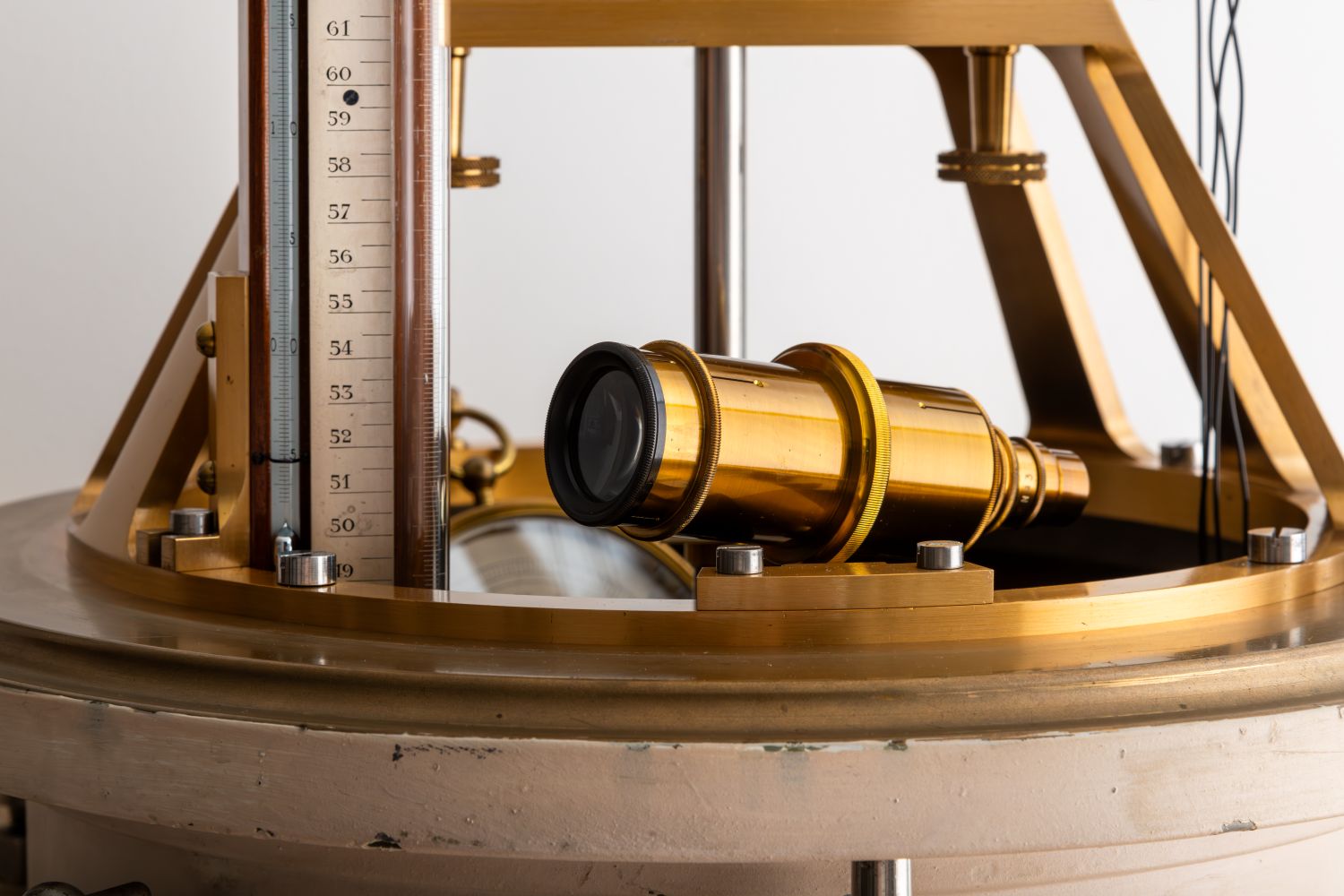
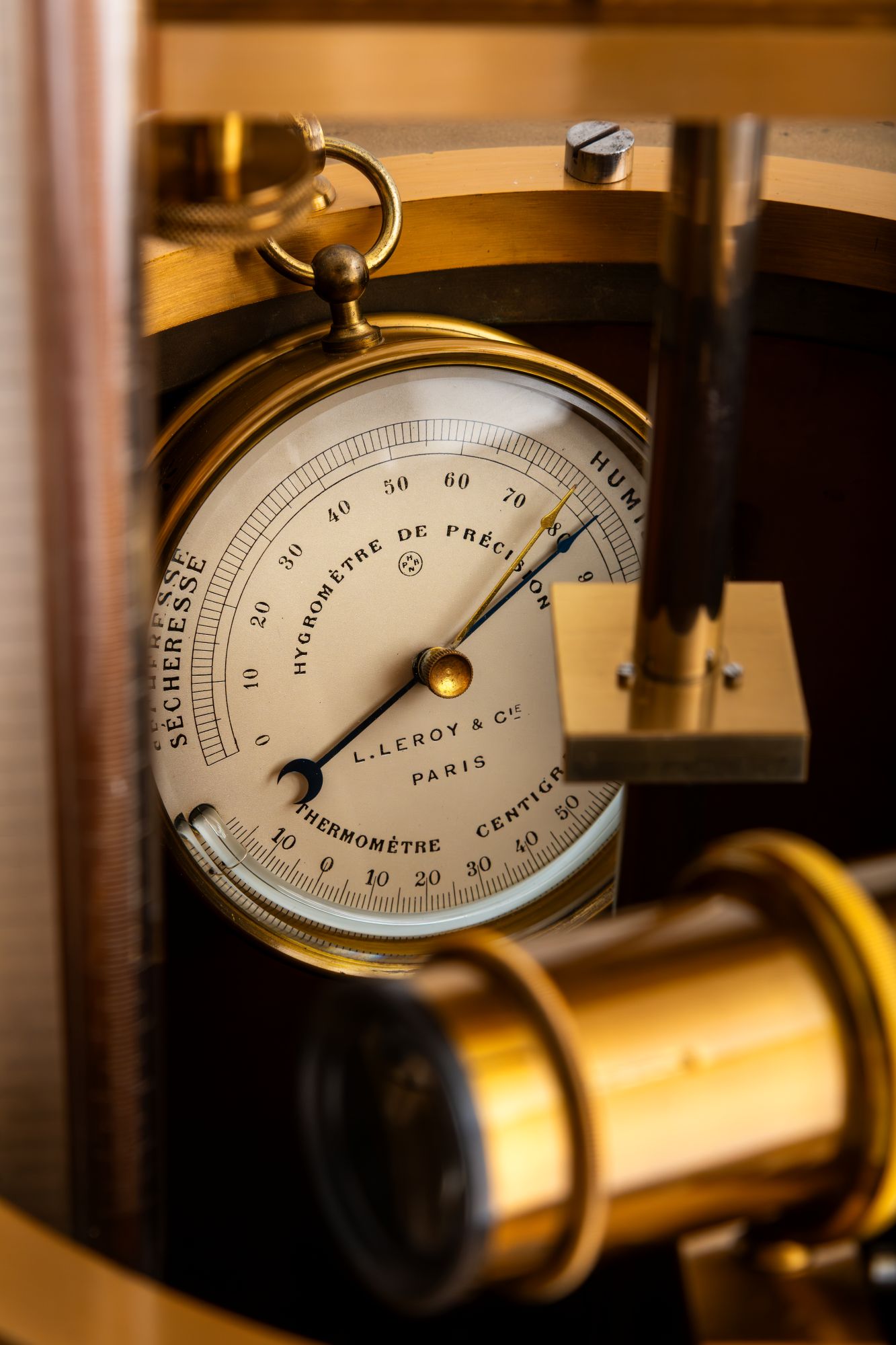
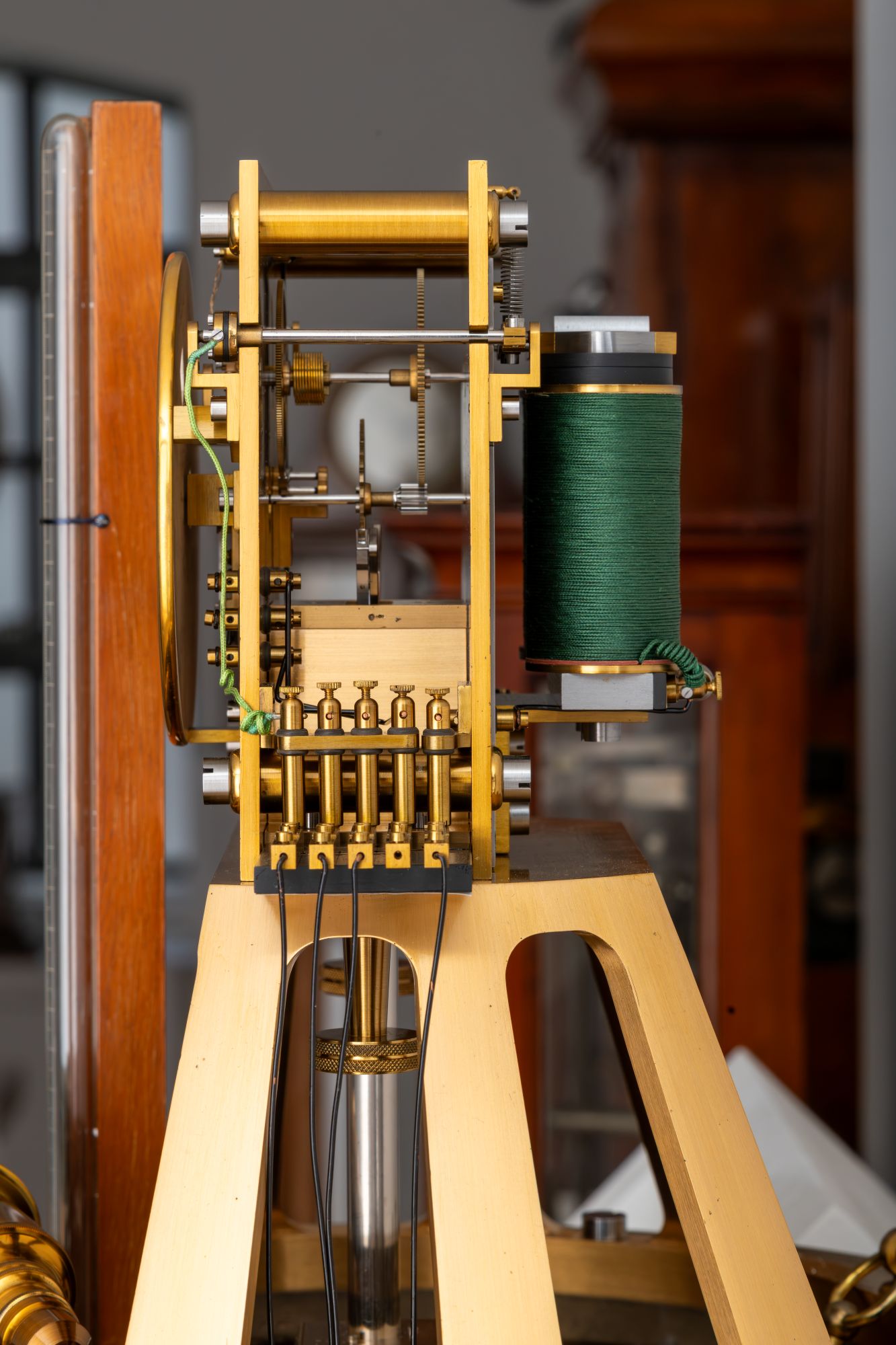
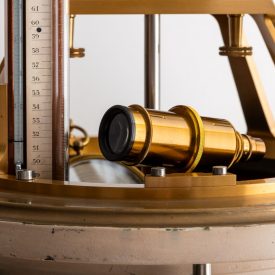
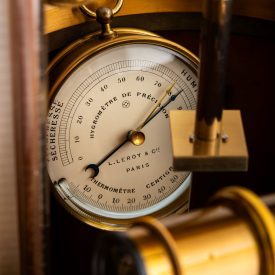
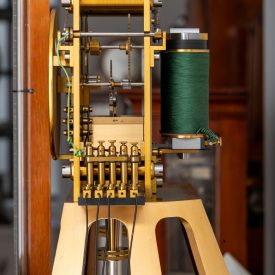
Meanwhile, in France, astronomers and politicians were trying to wrest control of the international time standard from Greenwich. From 1910, the Service de l’Heure began distributing twice-daily radio time signals from the Eiffel Tower. These signals were supported by electric clocks made by the historic firm LeRoy & Cie – described as a ‘paragon of precision’. The accuracy of the astronomical clock was partly the result of the modified Reid-type escapement, and partly its remontoire action.
A new time standard
Back in Britain, a railway engineer named William Hamilton Shortt was working on his own series of experiments in precision clockmaking, in partnership with the Synchronome Company.
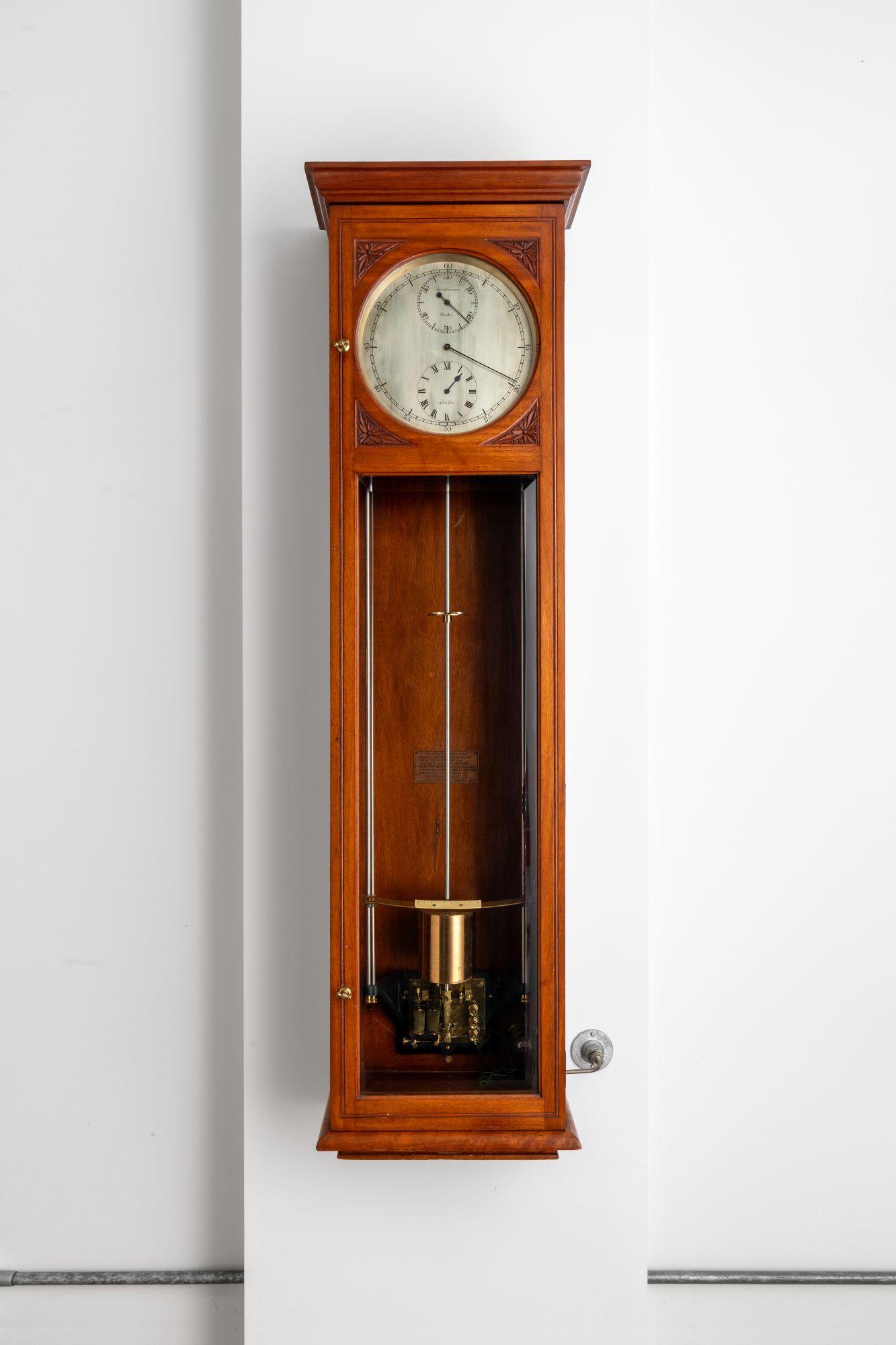
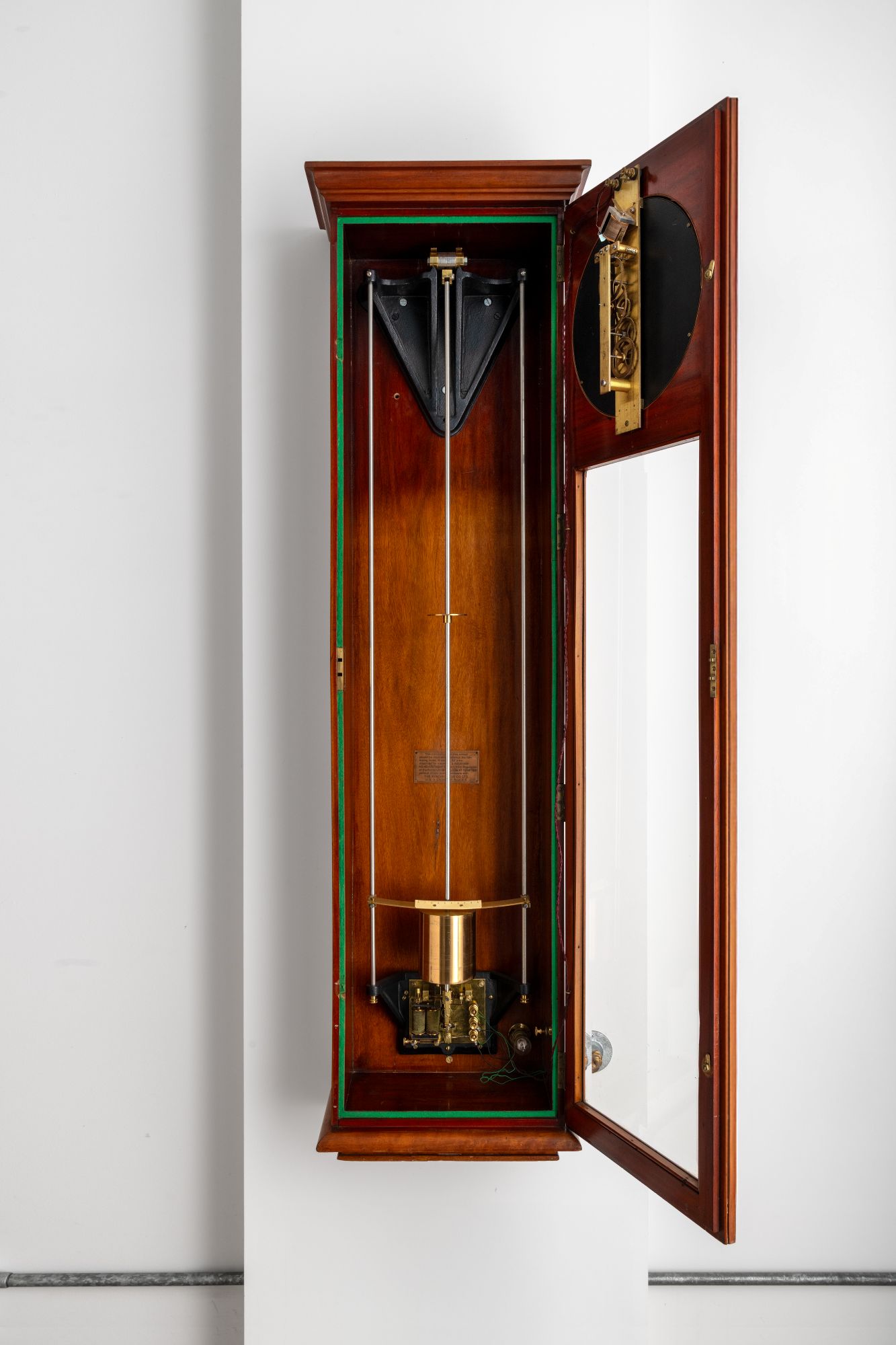
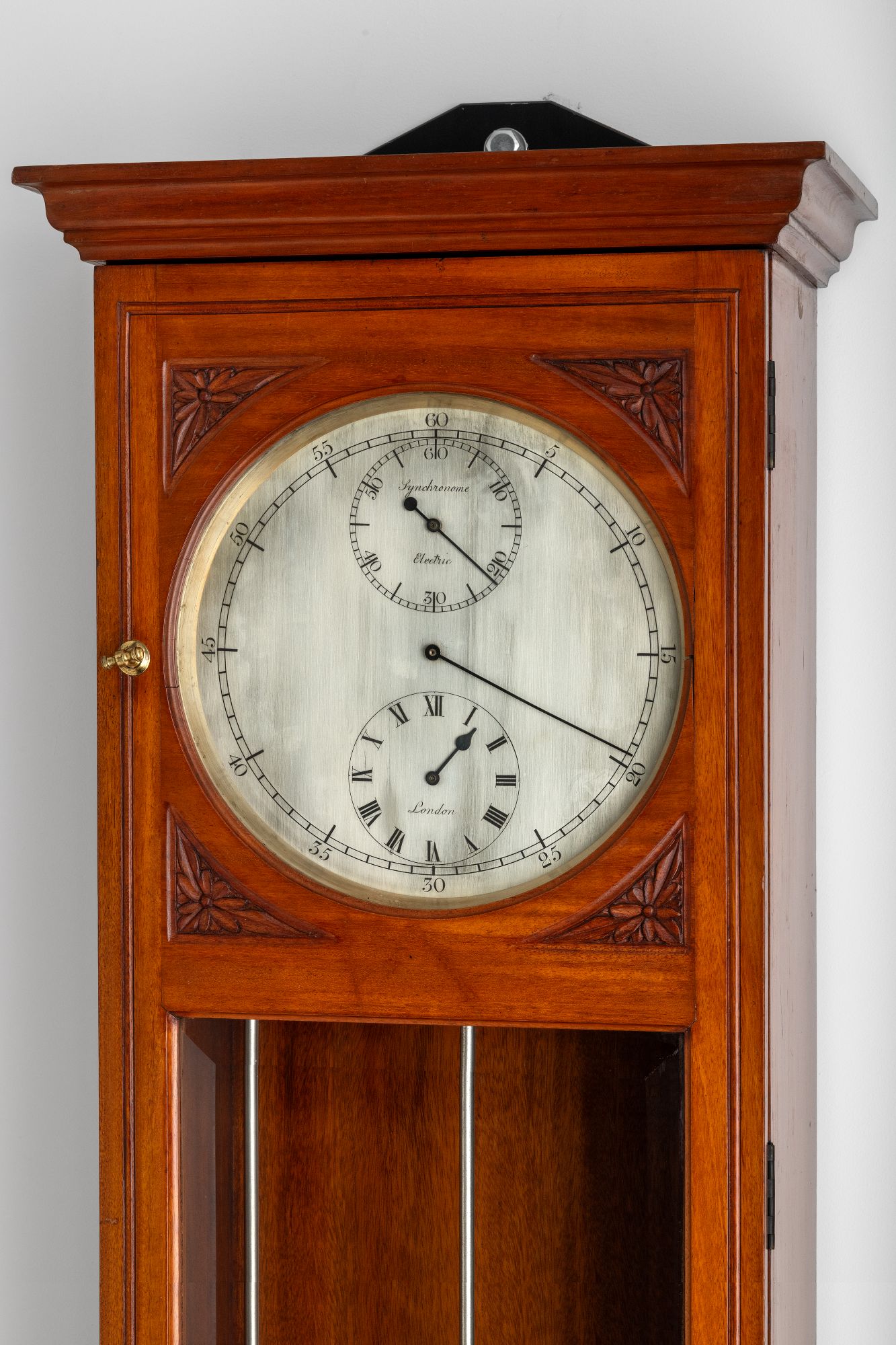
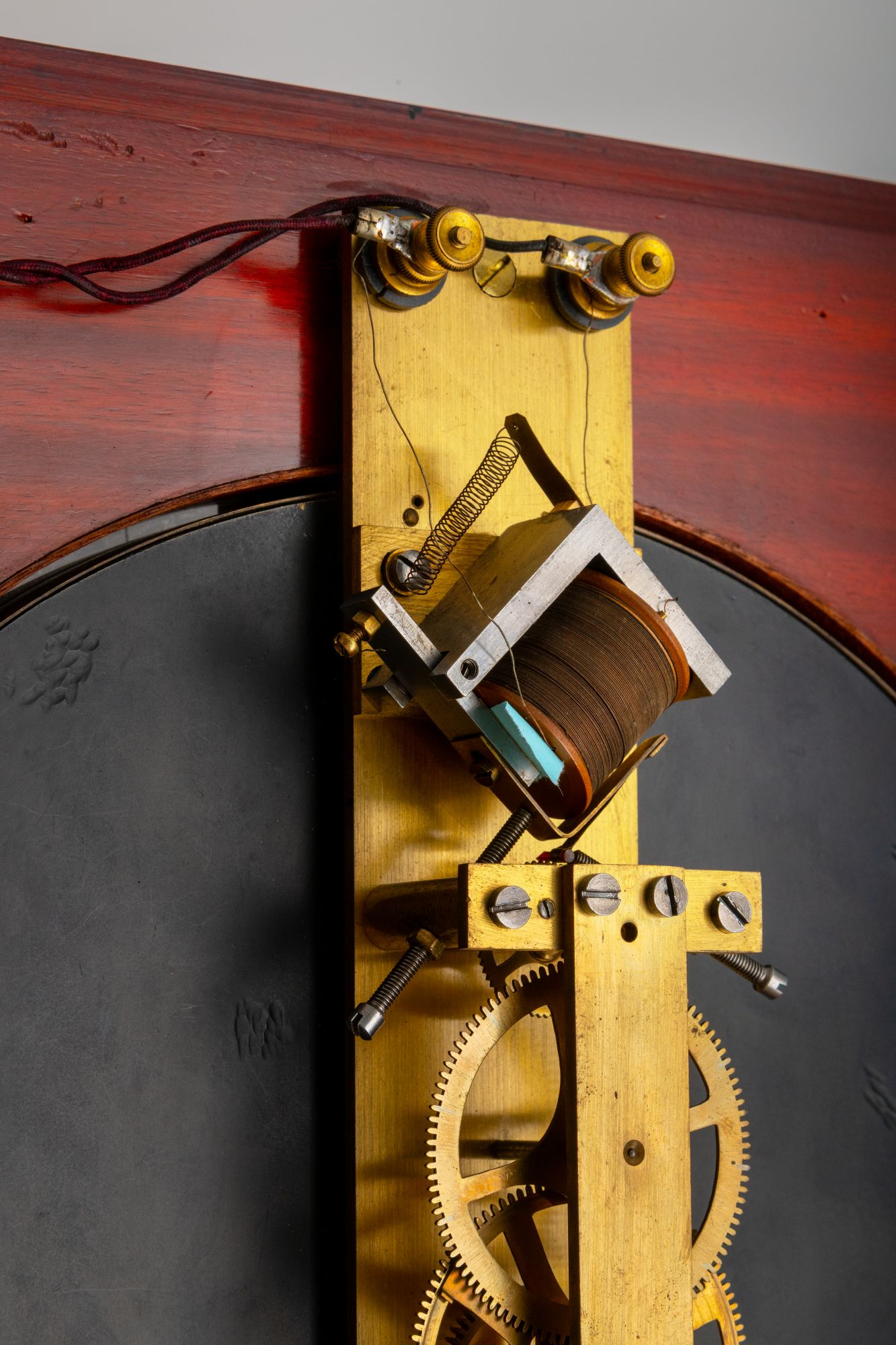
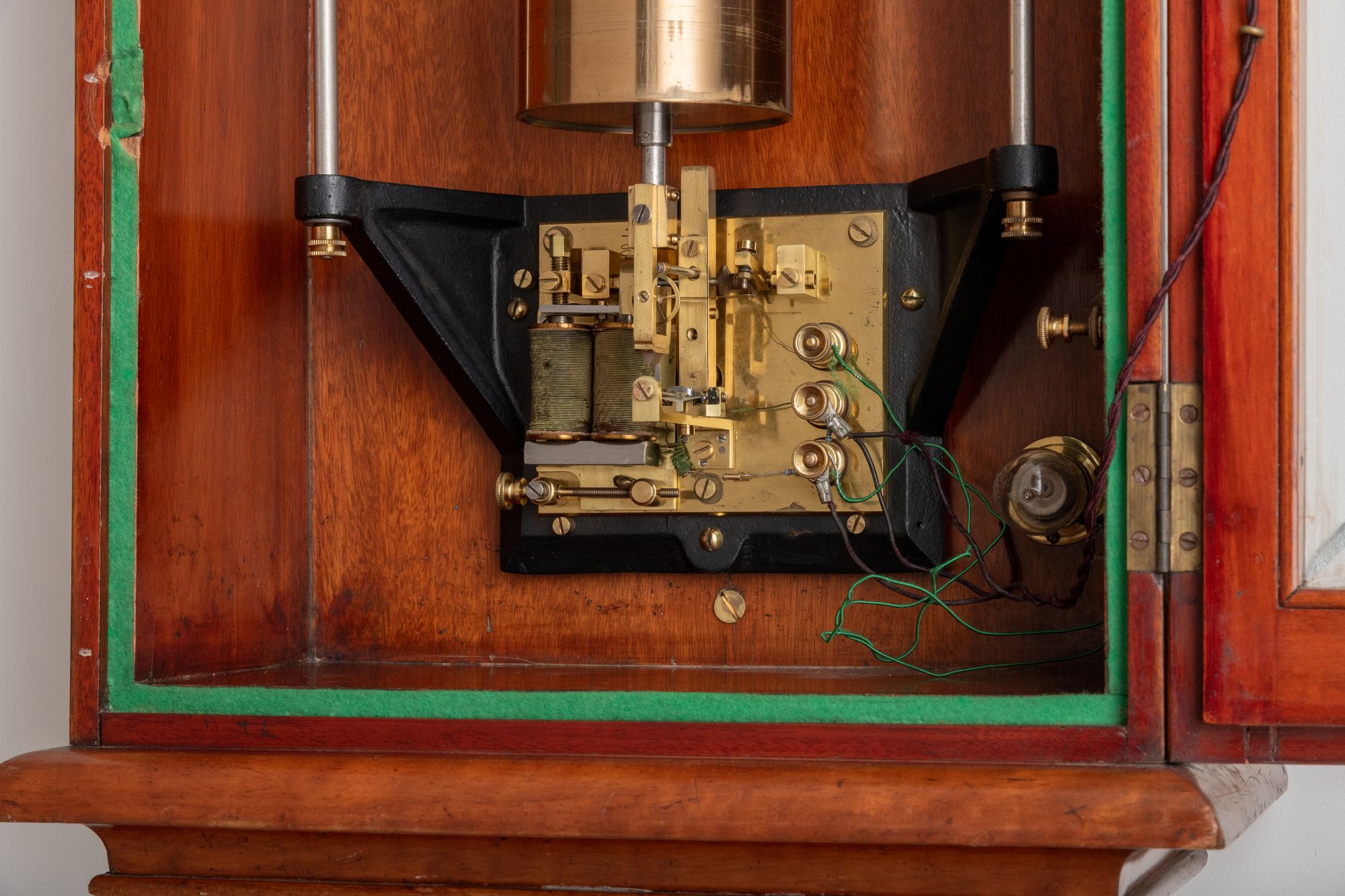
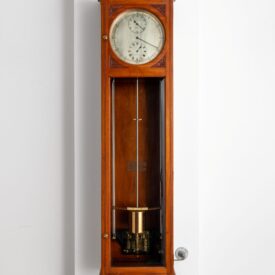
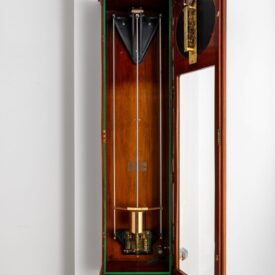
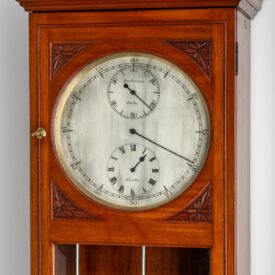
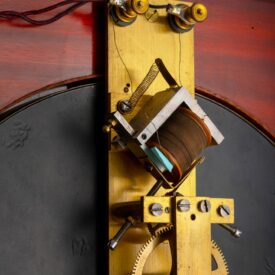
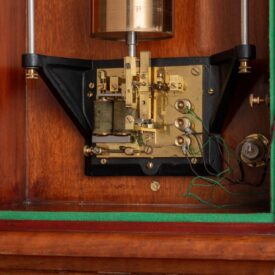
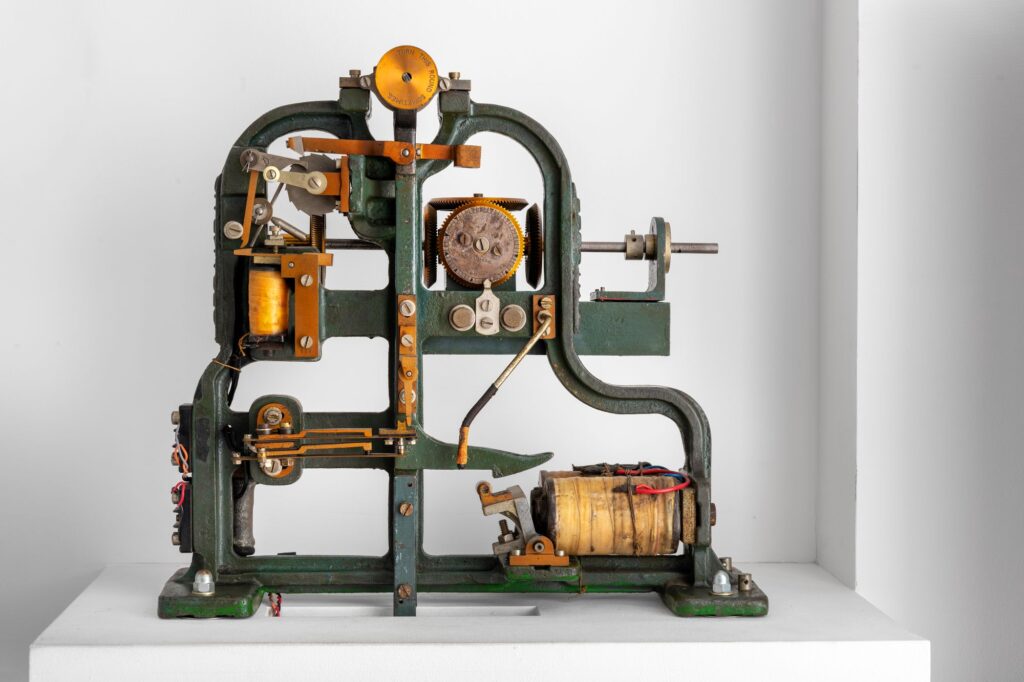
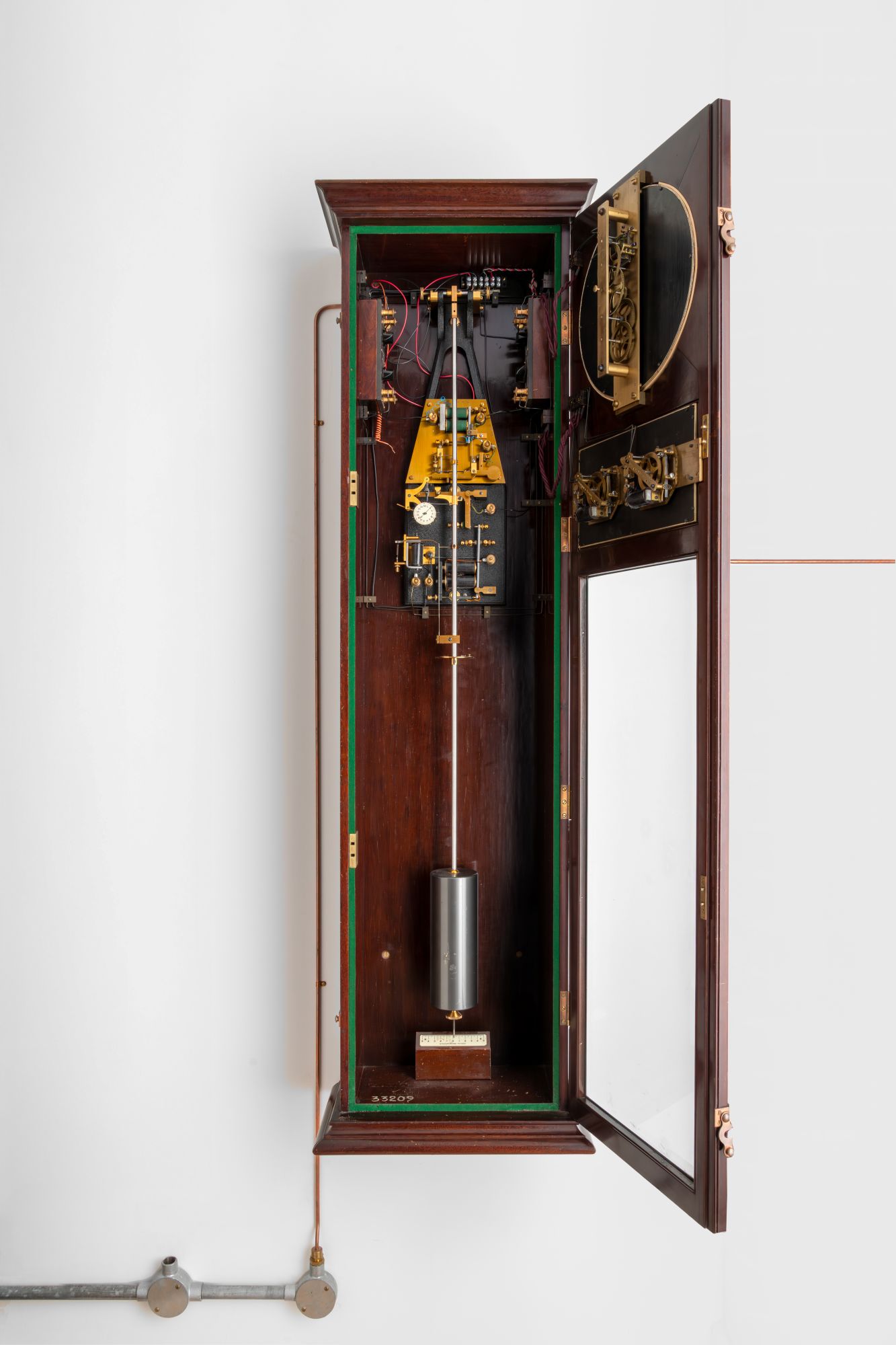
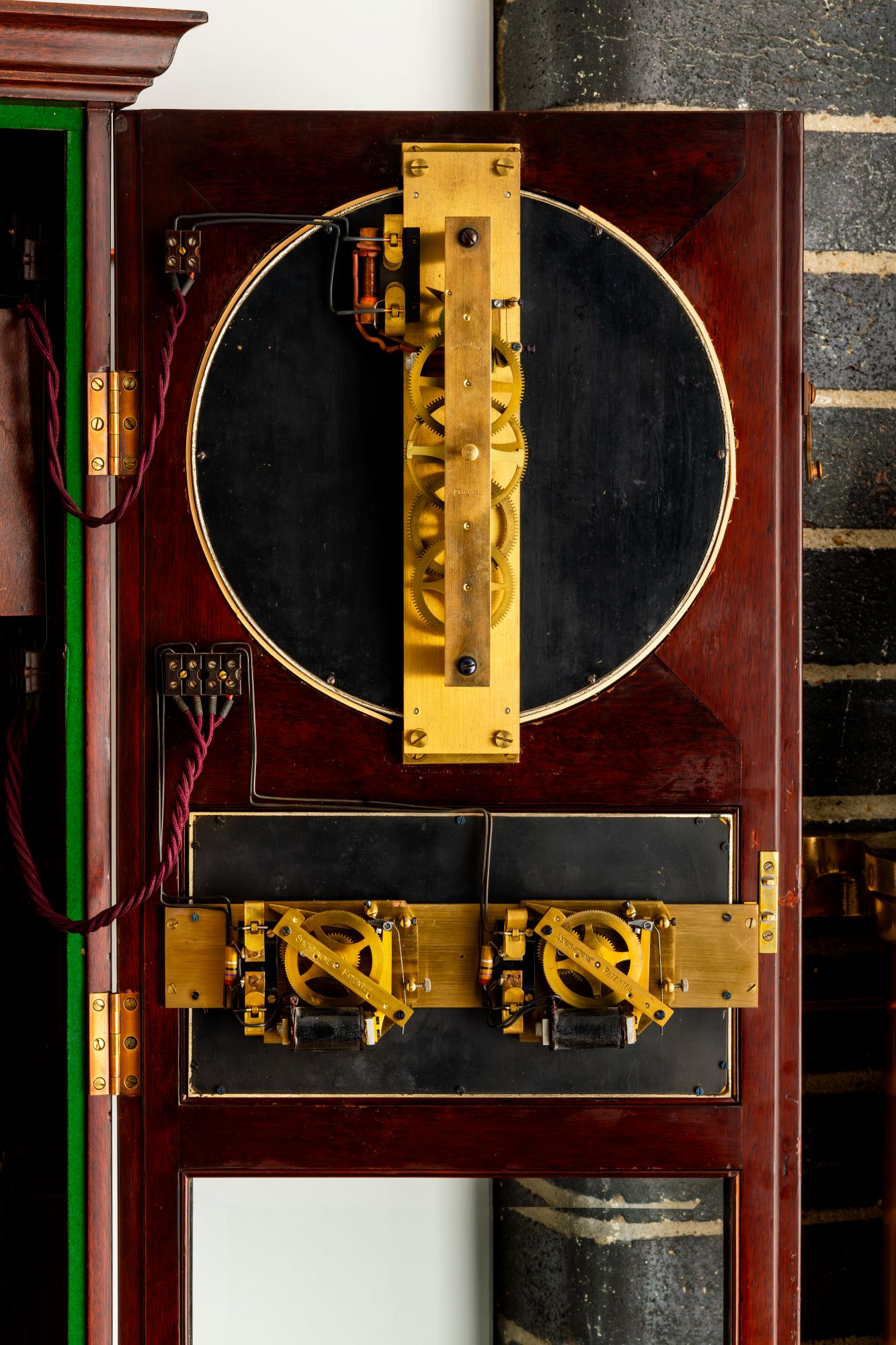
Shortt’s research culminated in his ‘Free Pendulum’ of 1921. The innovation was to split the traditional job of the pendulum into two. A ‘free pendulum’ swings in a vacuum tank, solitary and undisturbed; a secondary clock receives and displays the time and – by a process of complex electrical synchronisation – periodically restores energy to the time pendulum in a manner governed by the pendulum’s own geometry.
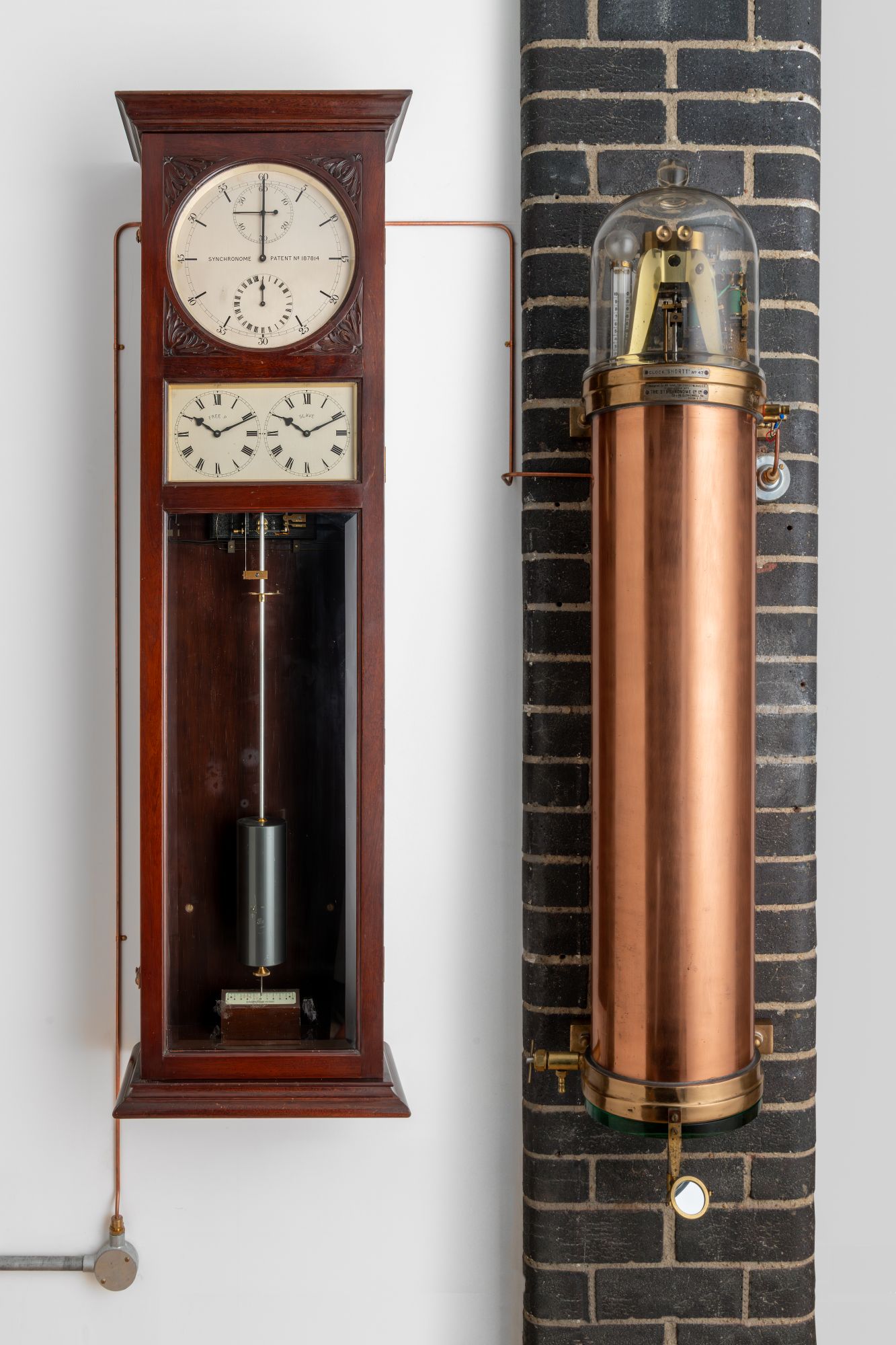
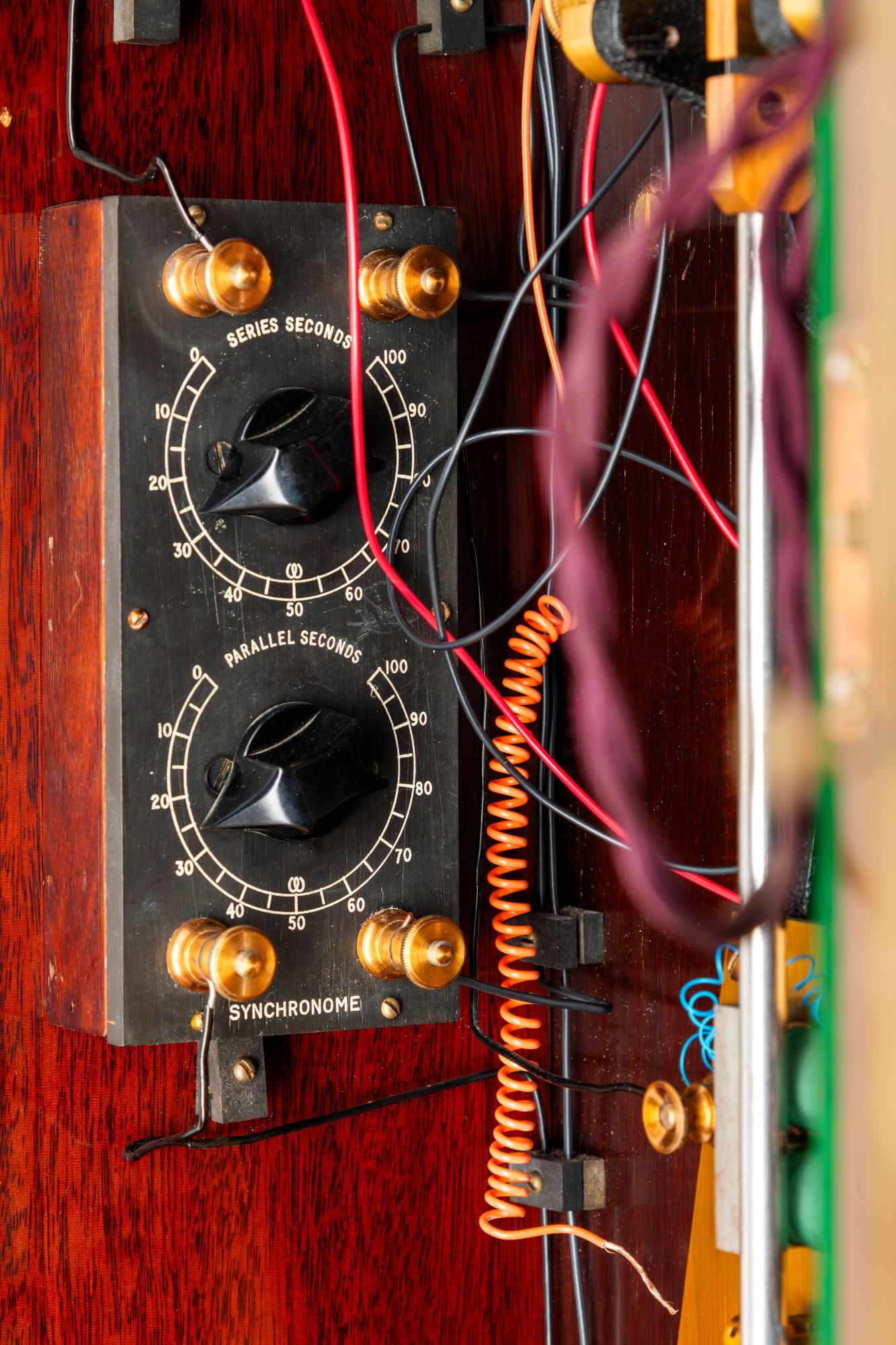
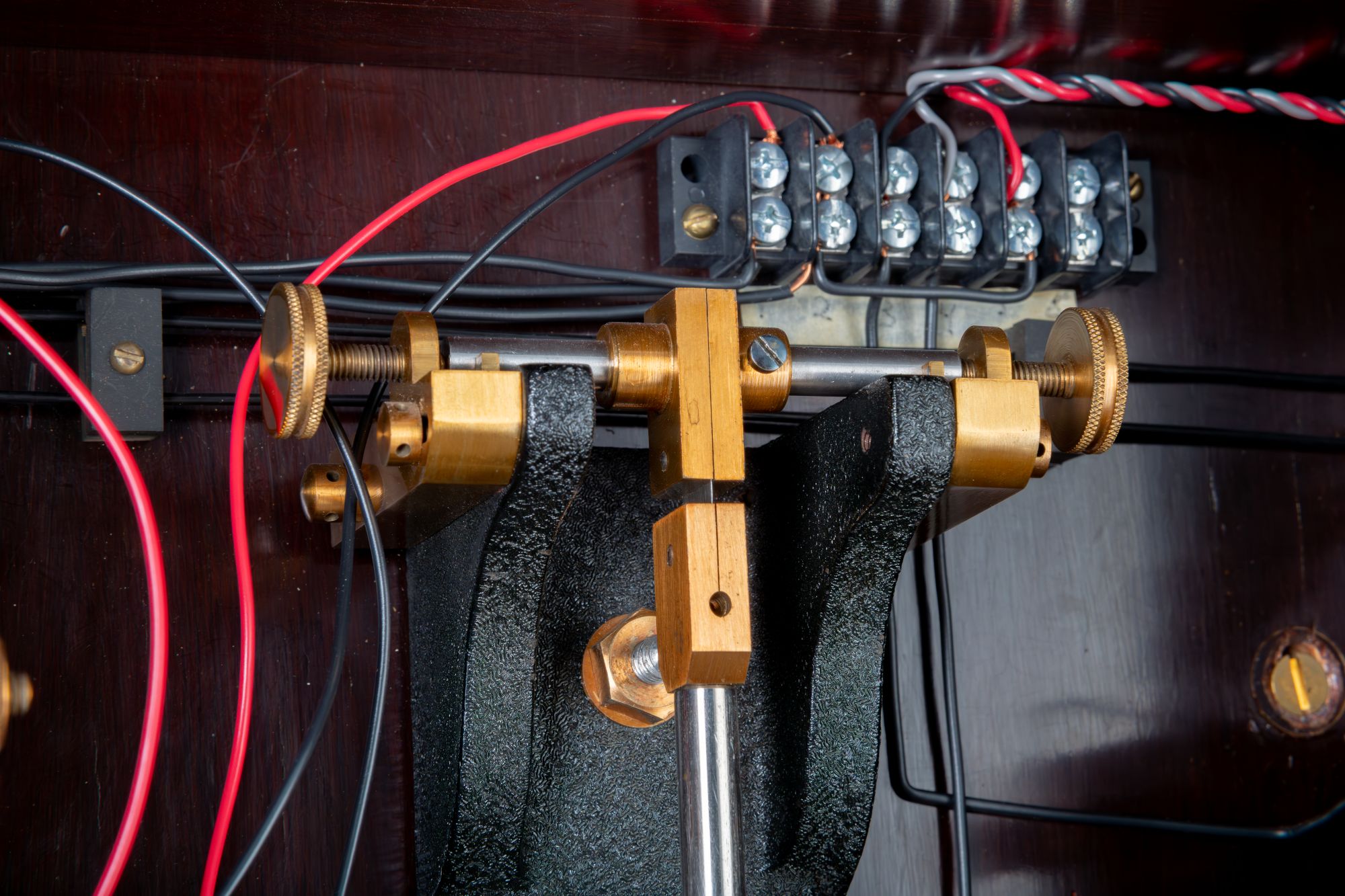
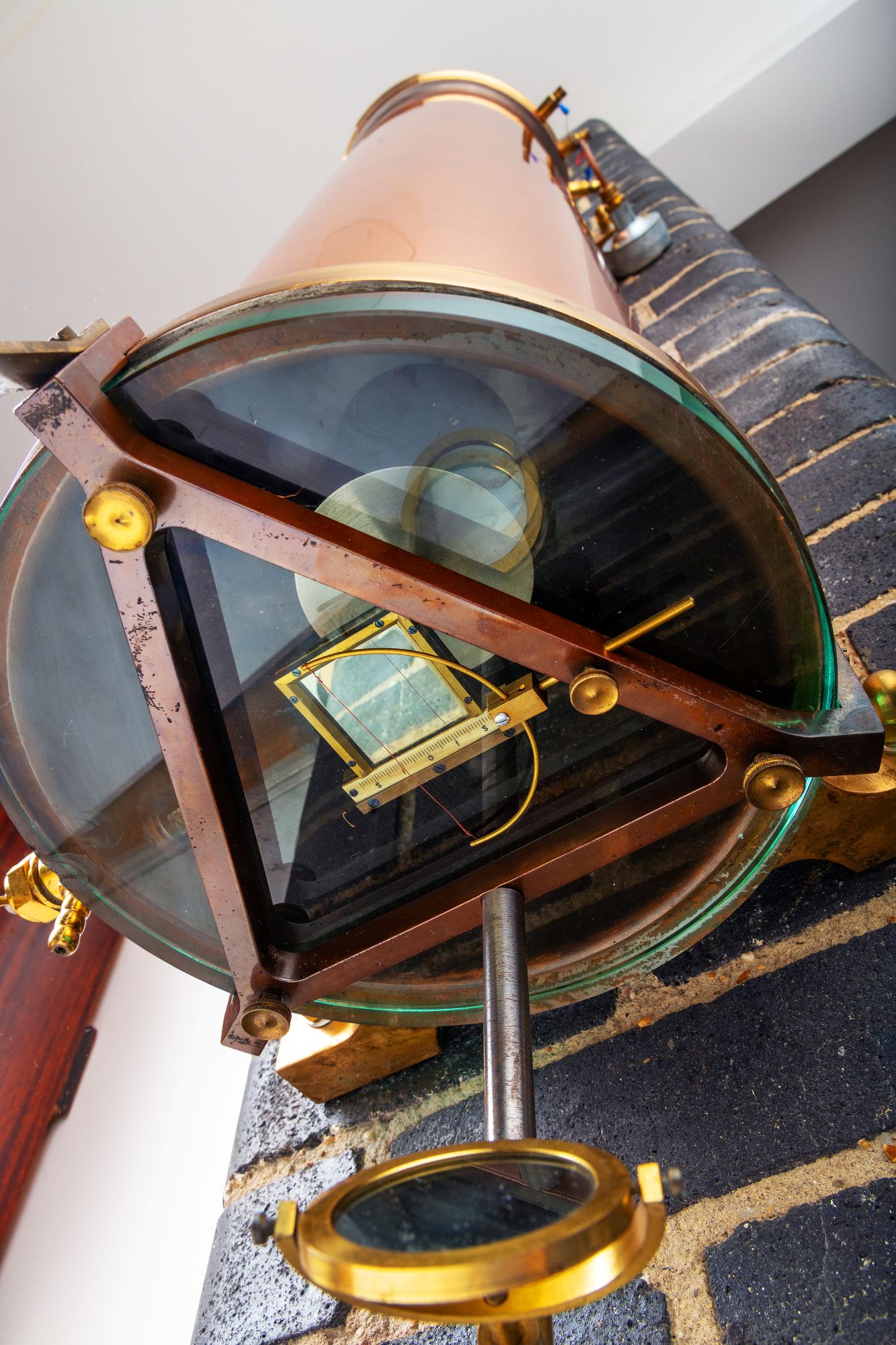
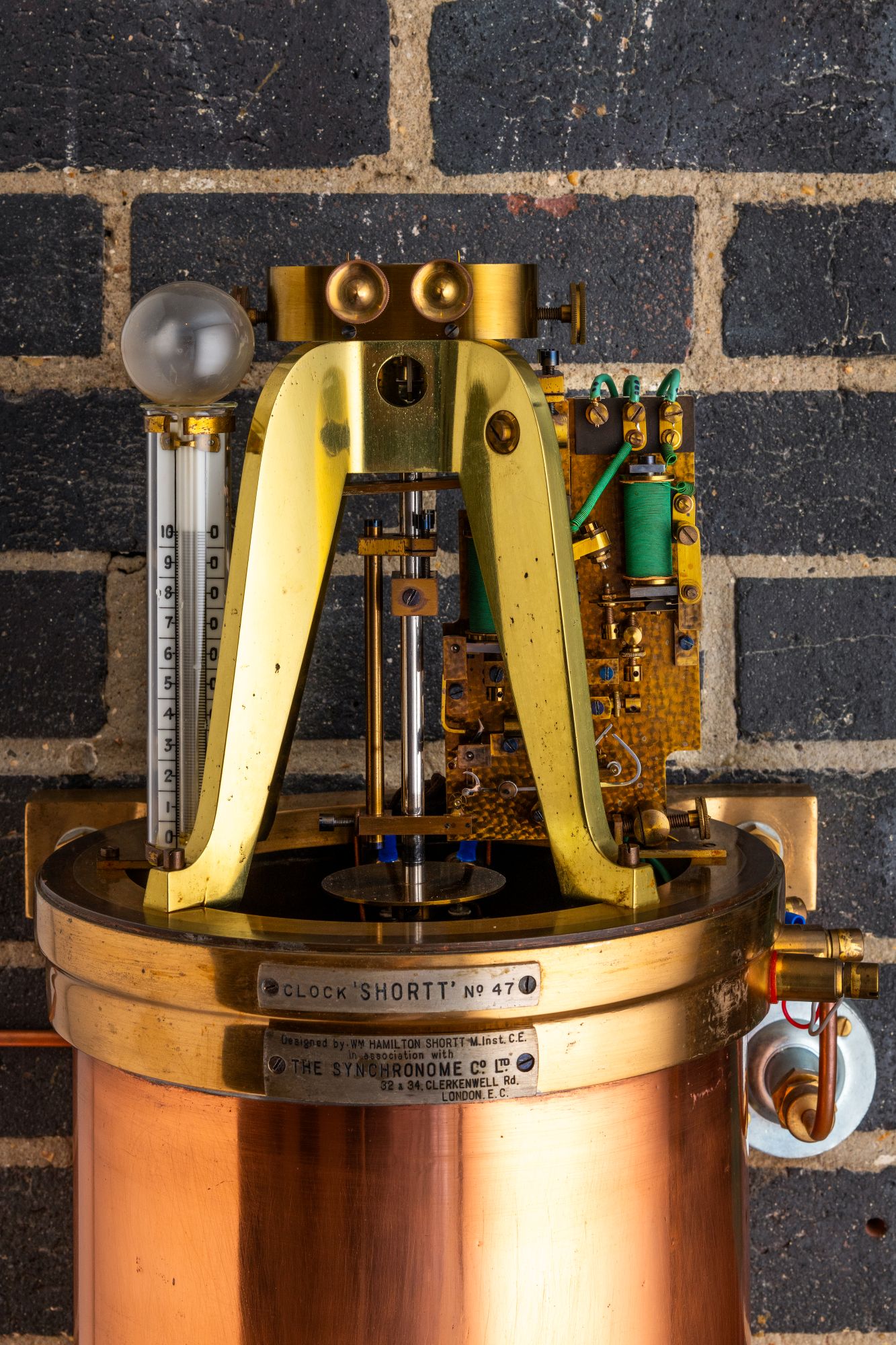
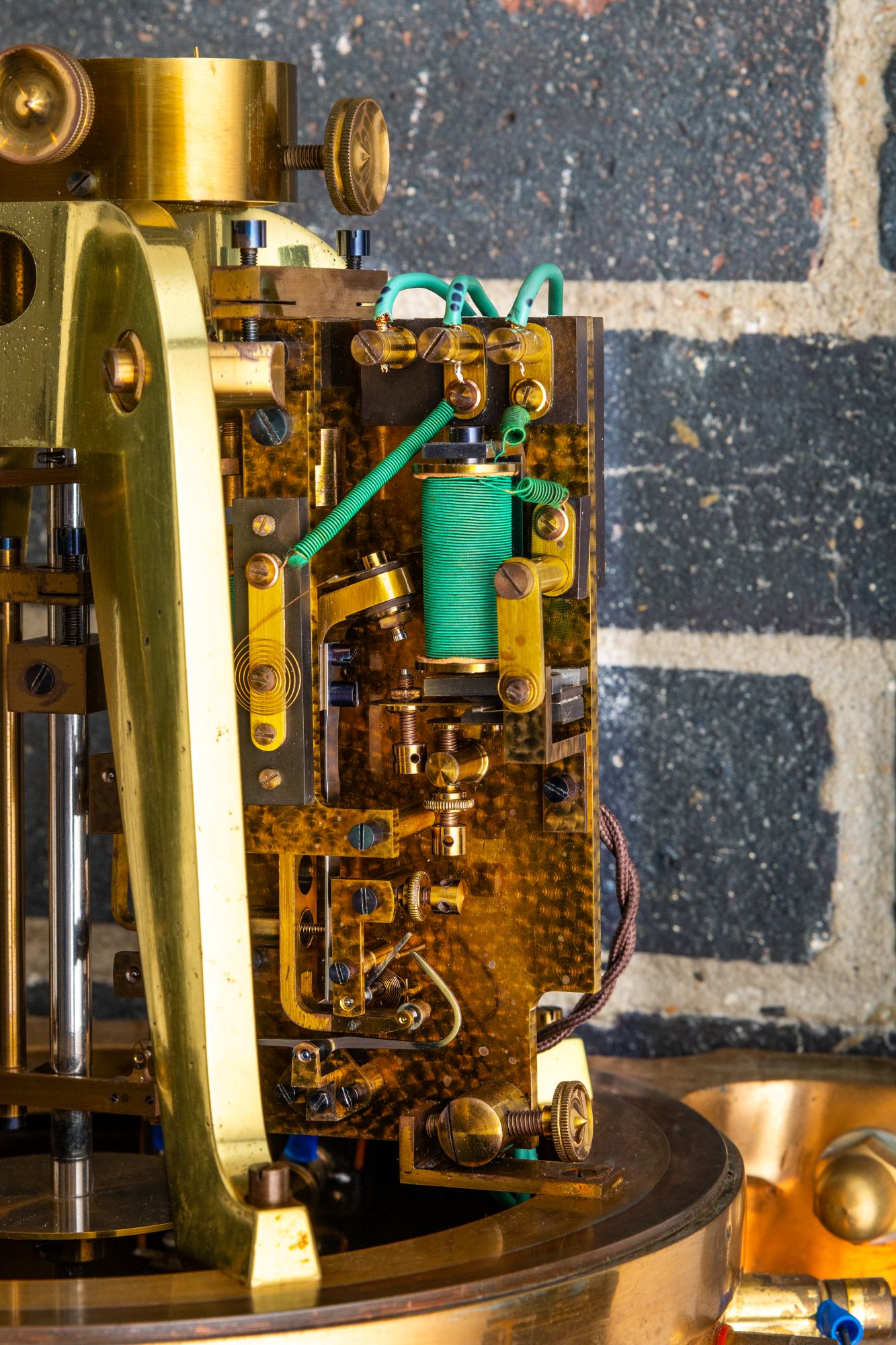
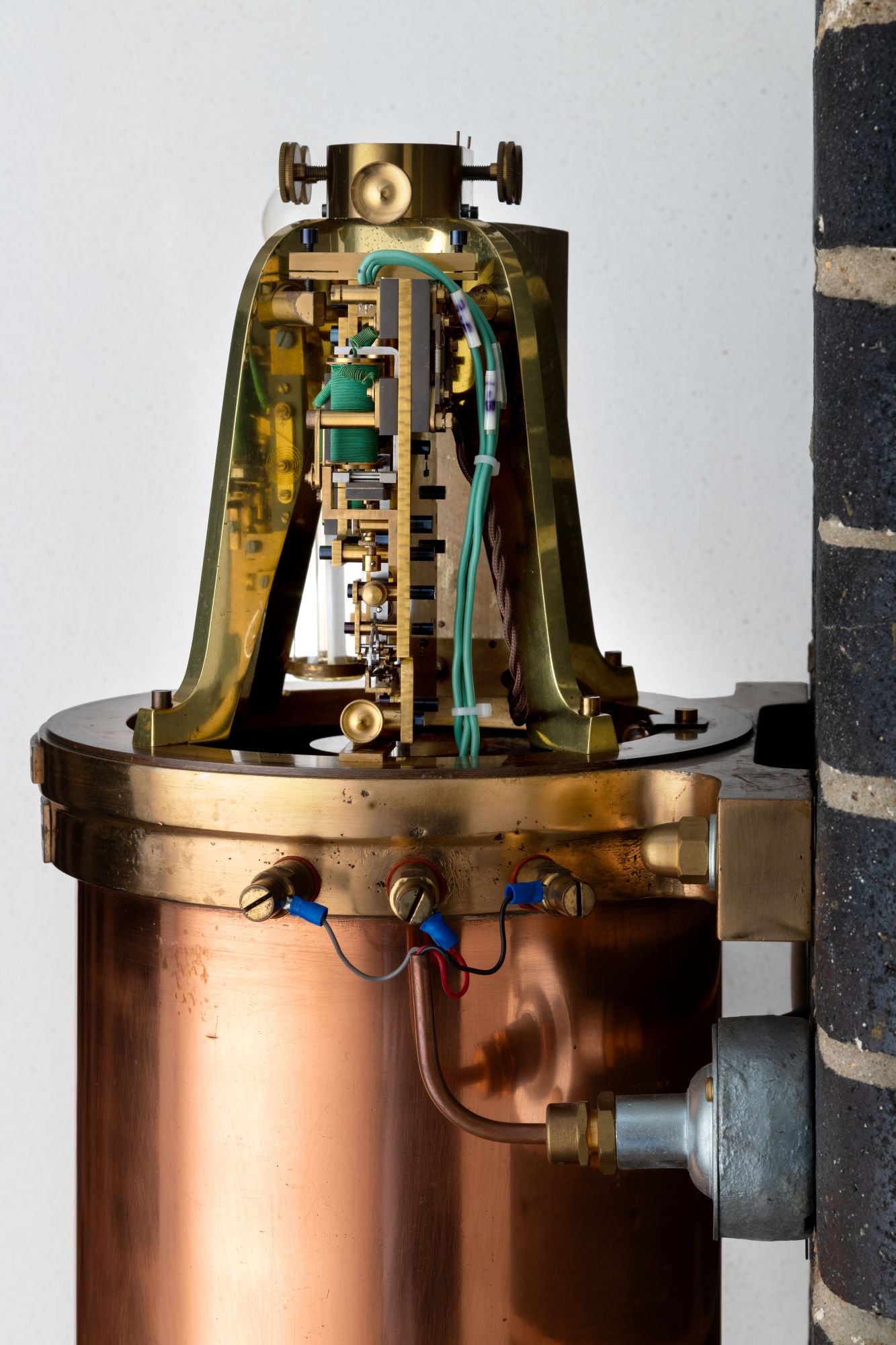
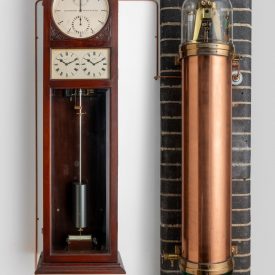
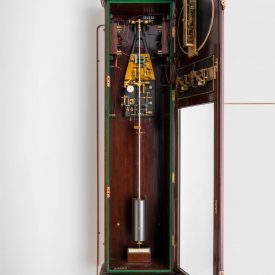
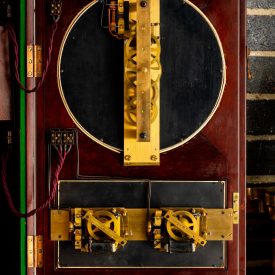
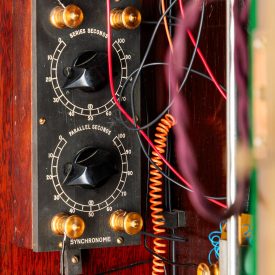
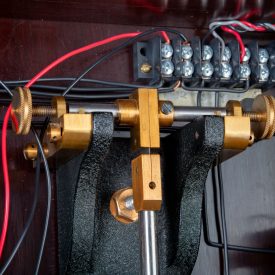
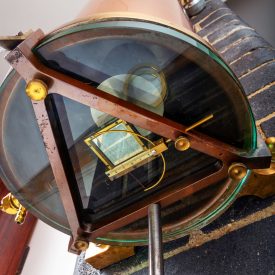
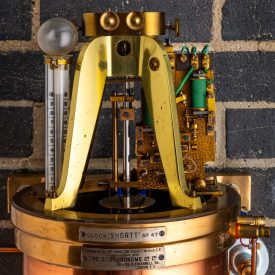
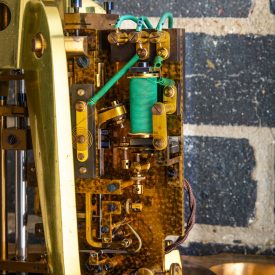
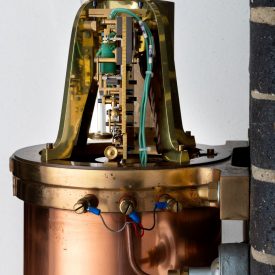
Using Shortt’s clock, astronomers were able to prove for the first time that the earth is not completely spherical; it also showed up discrepancies in the tides. Quickly, the ‘Free Pendulum’ became the world’s time standard.
Soviet technology
Of the 100 or so Shortt clocks that were made, 6 or 7 (including the one at The Clockworks) travelled to the Soviet Union. Over the following decades, researchers at the Etalon Factory in Leningrad evolved their own version – proof that precision time has always been a matter of national pride.
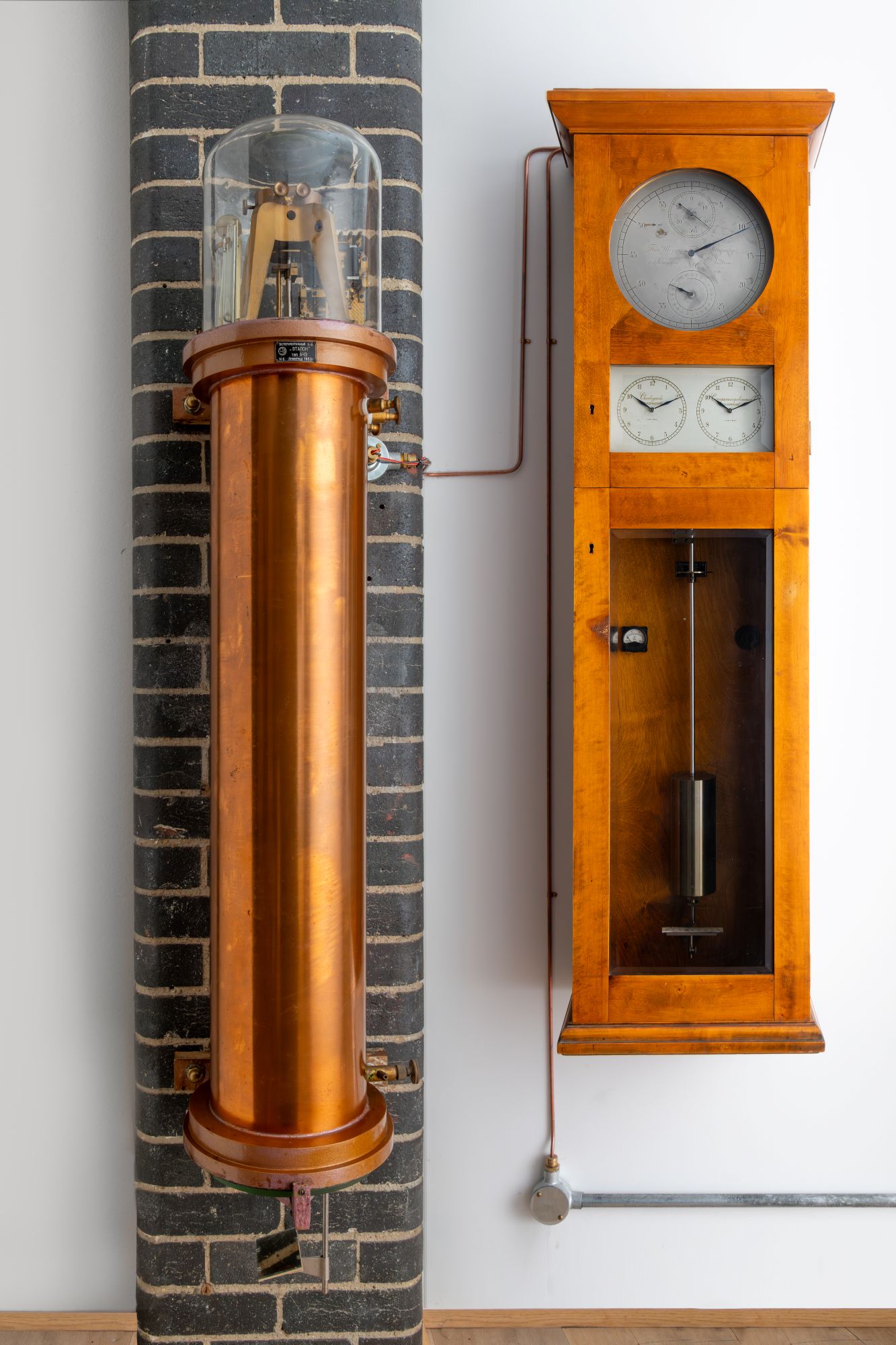
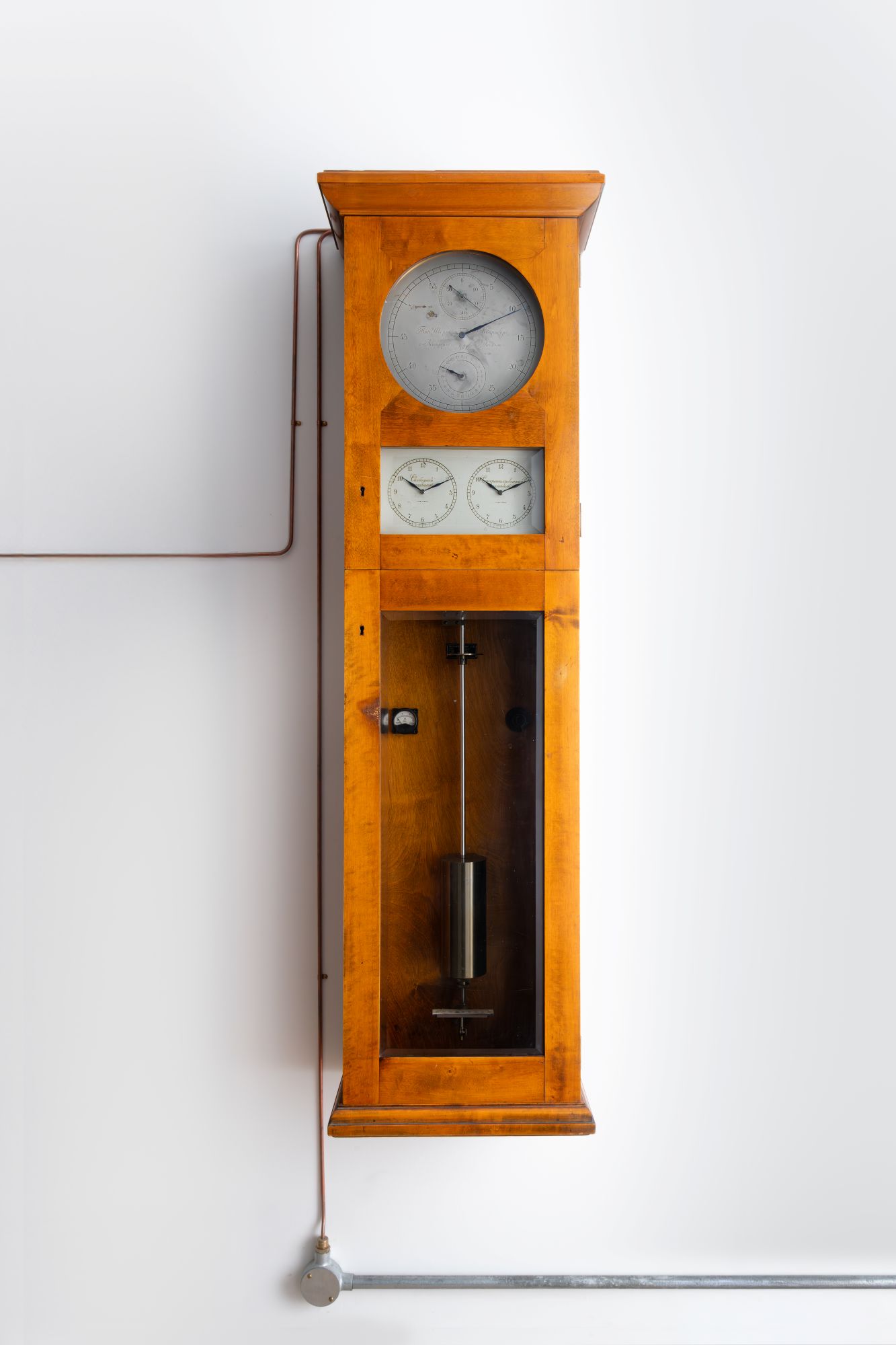
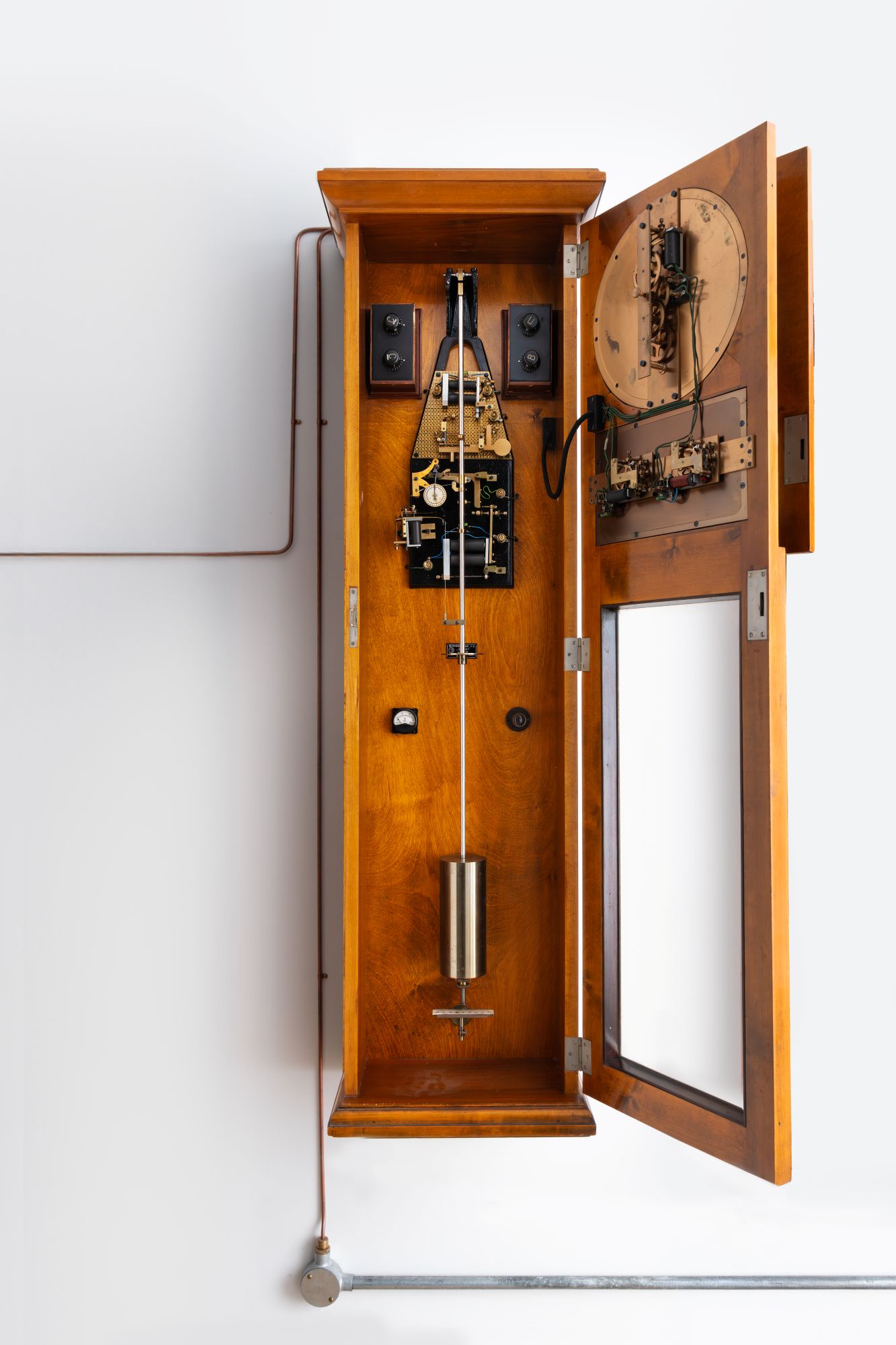
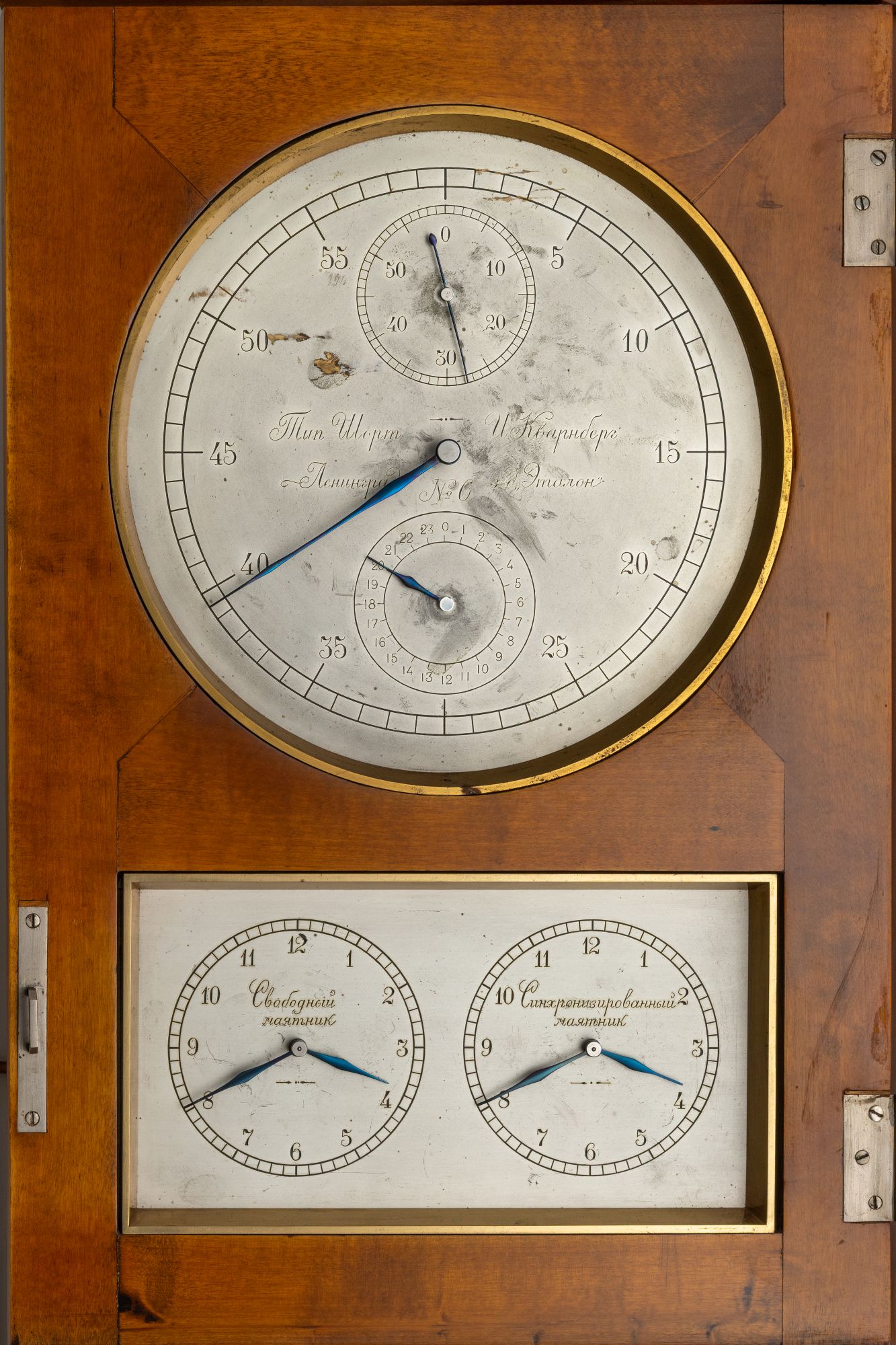
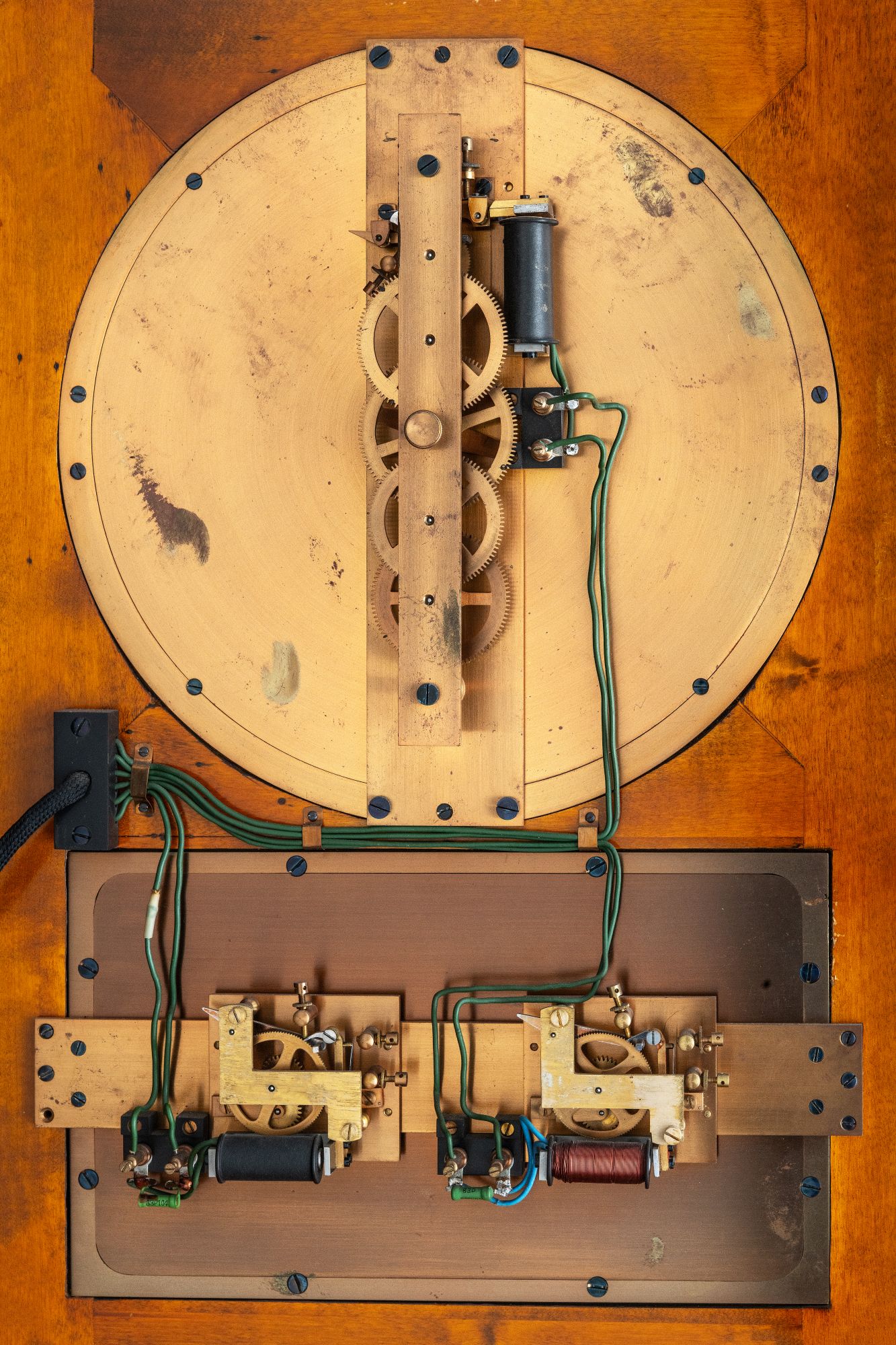
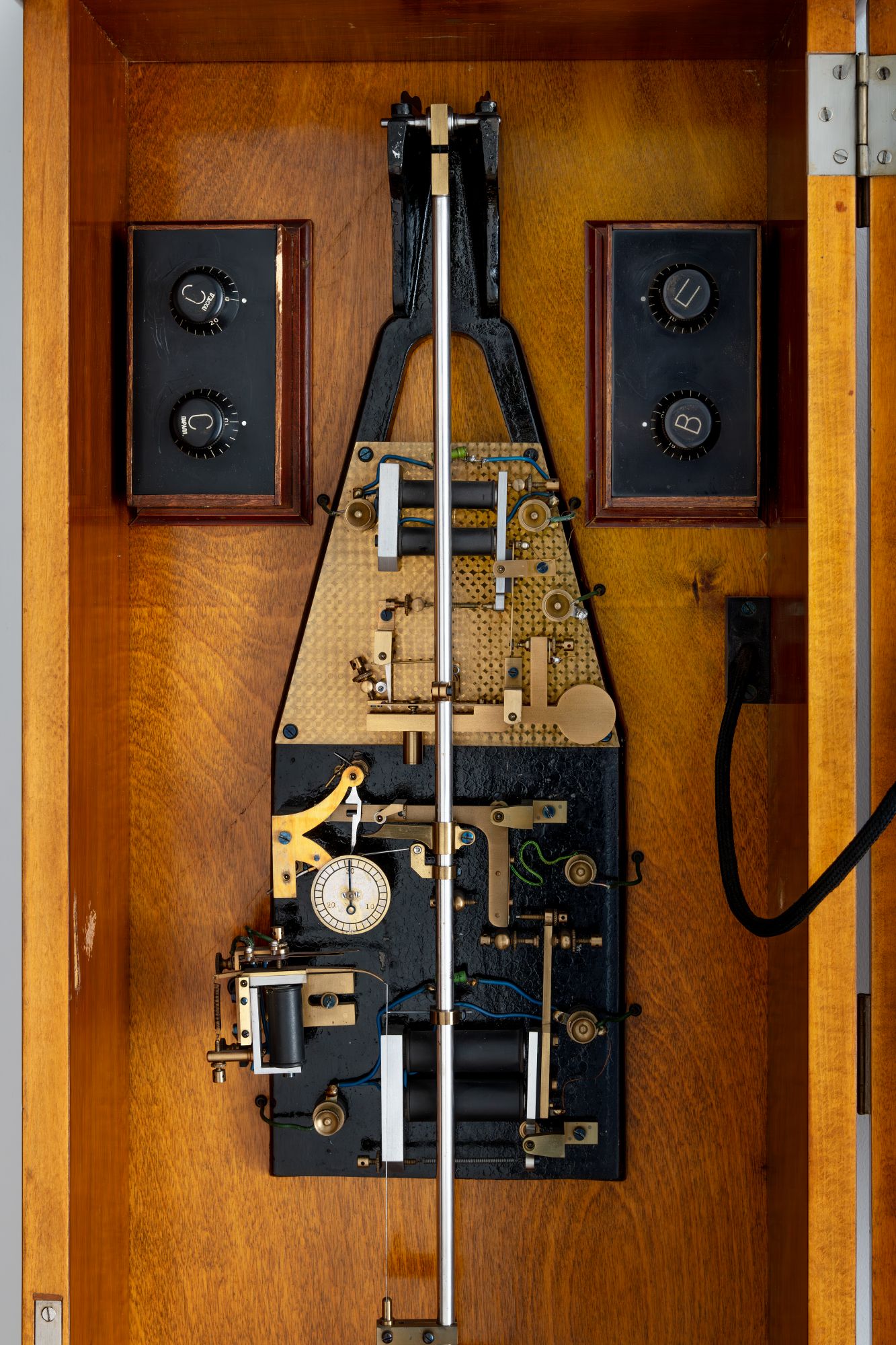
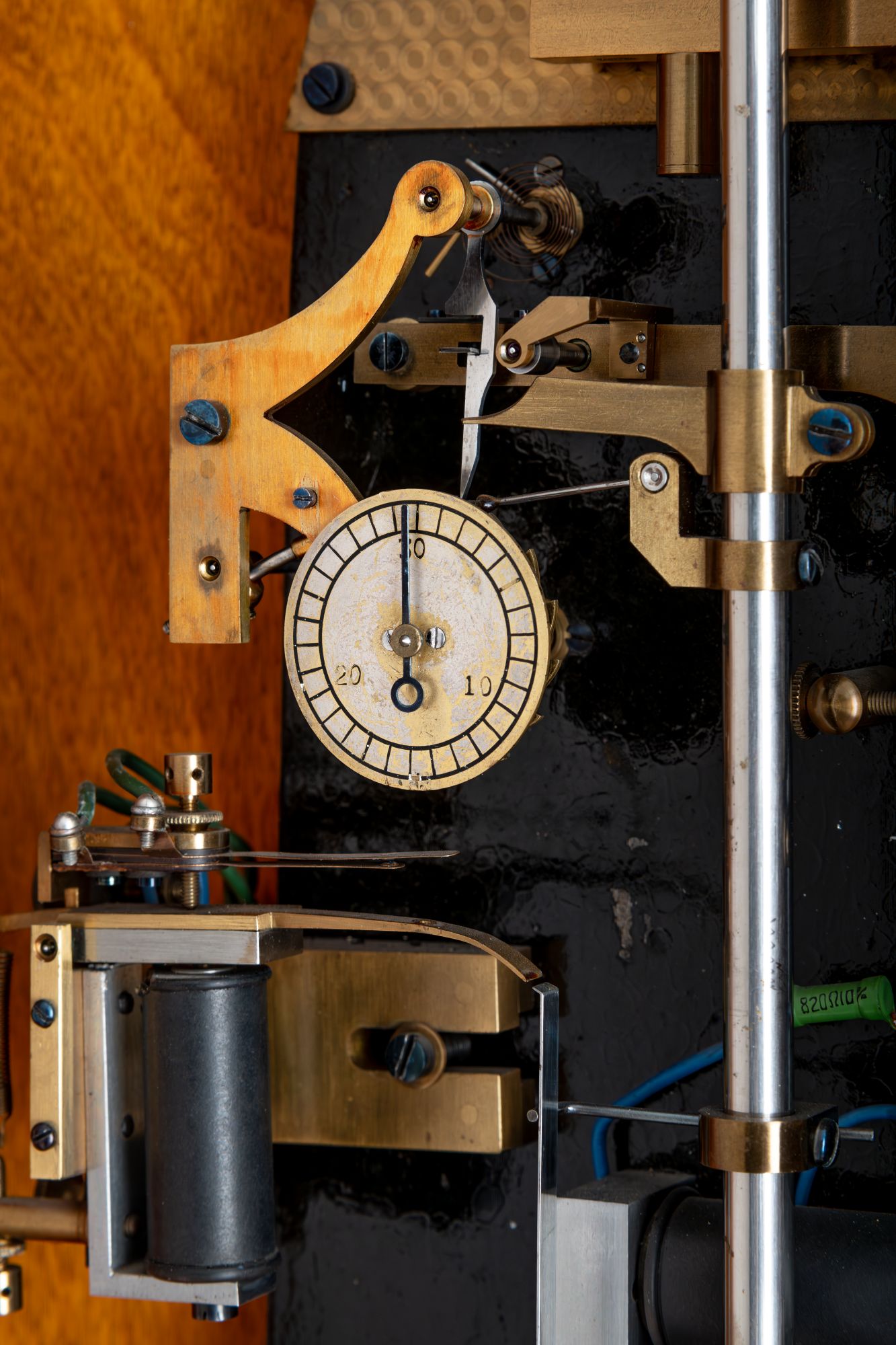
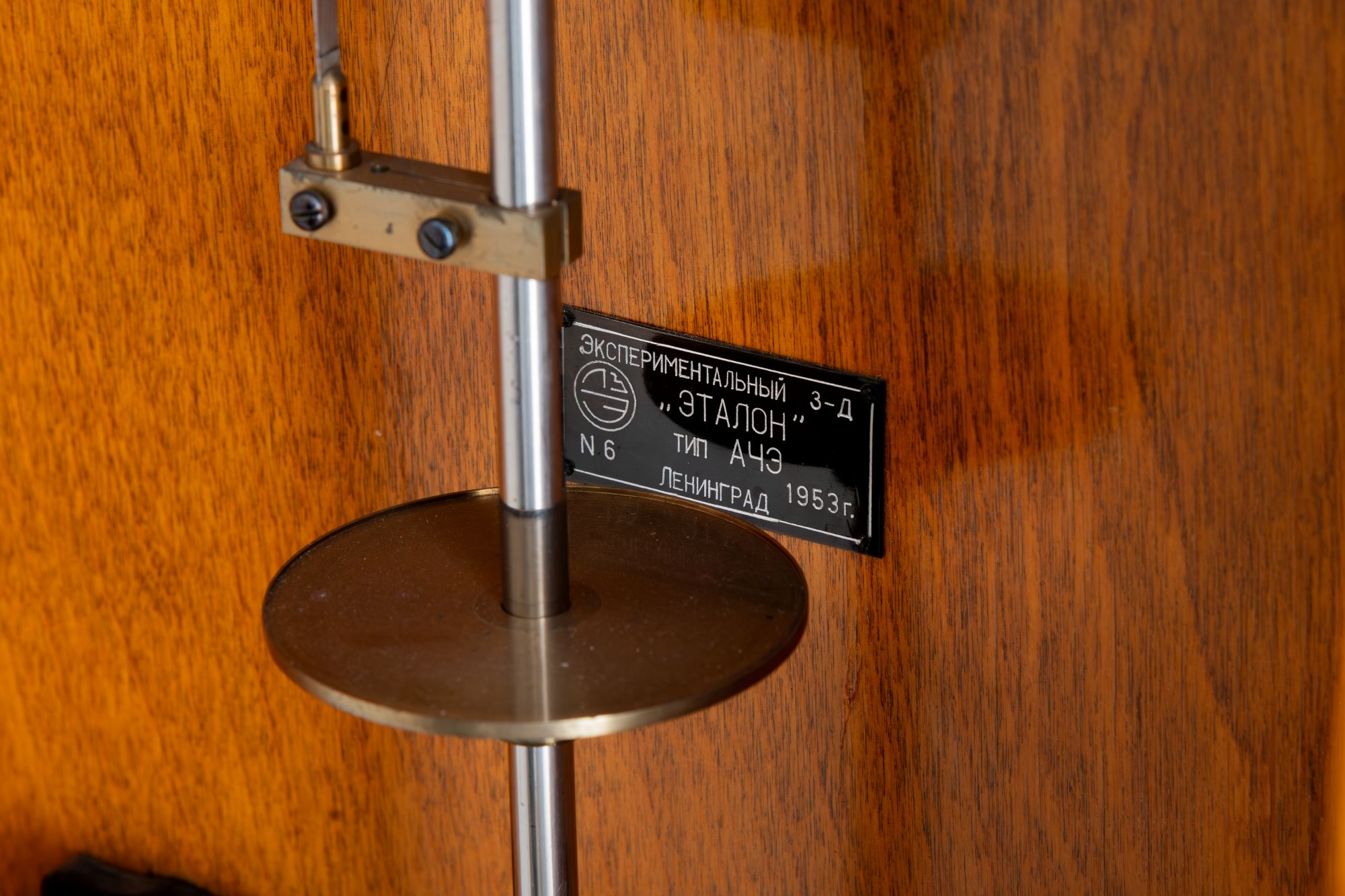
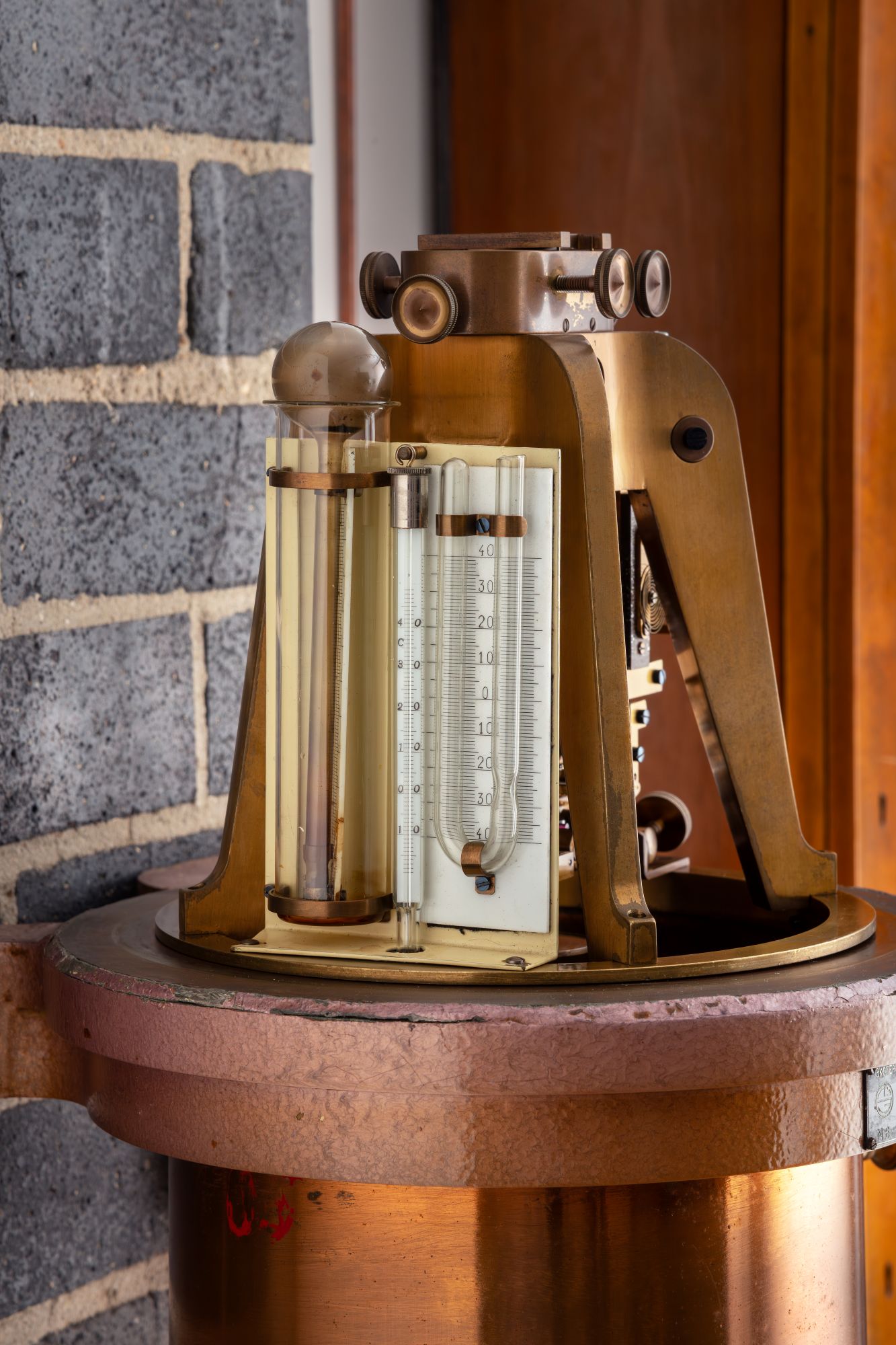
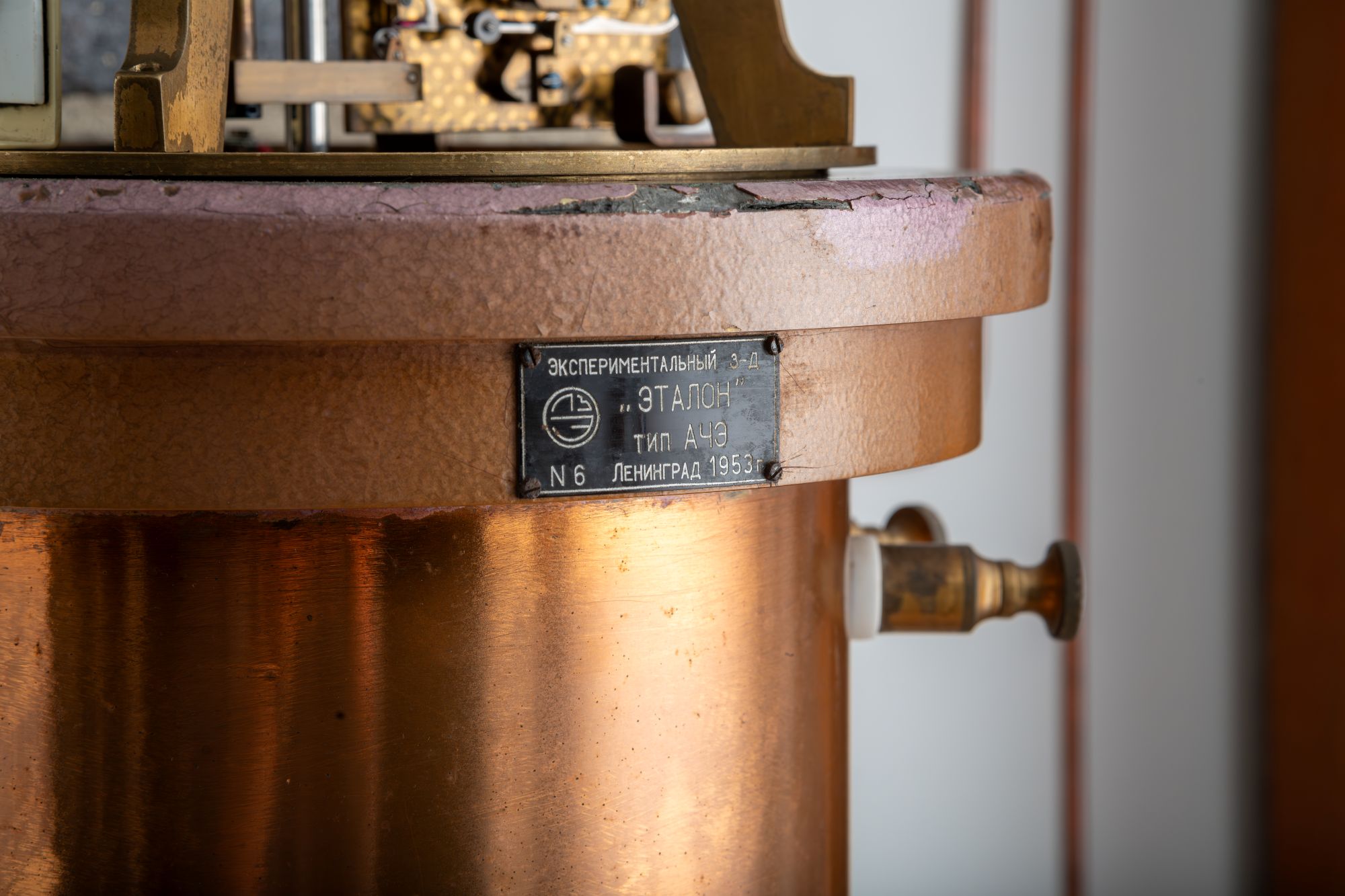
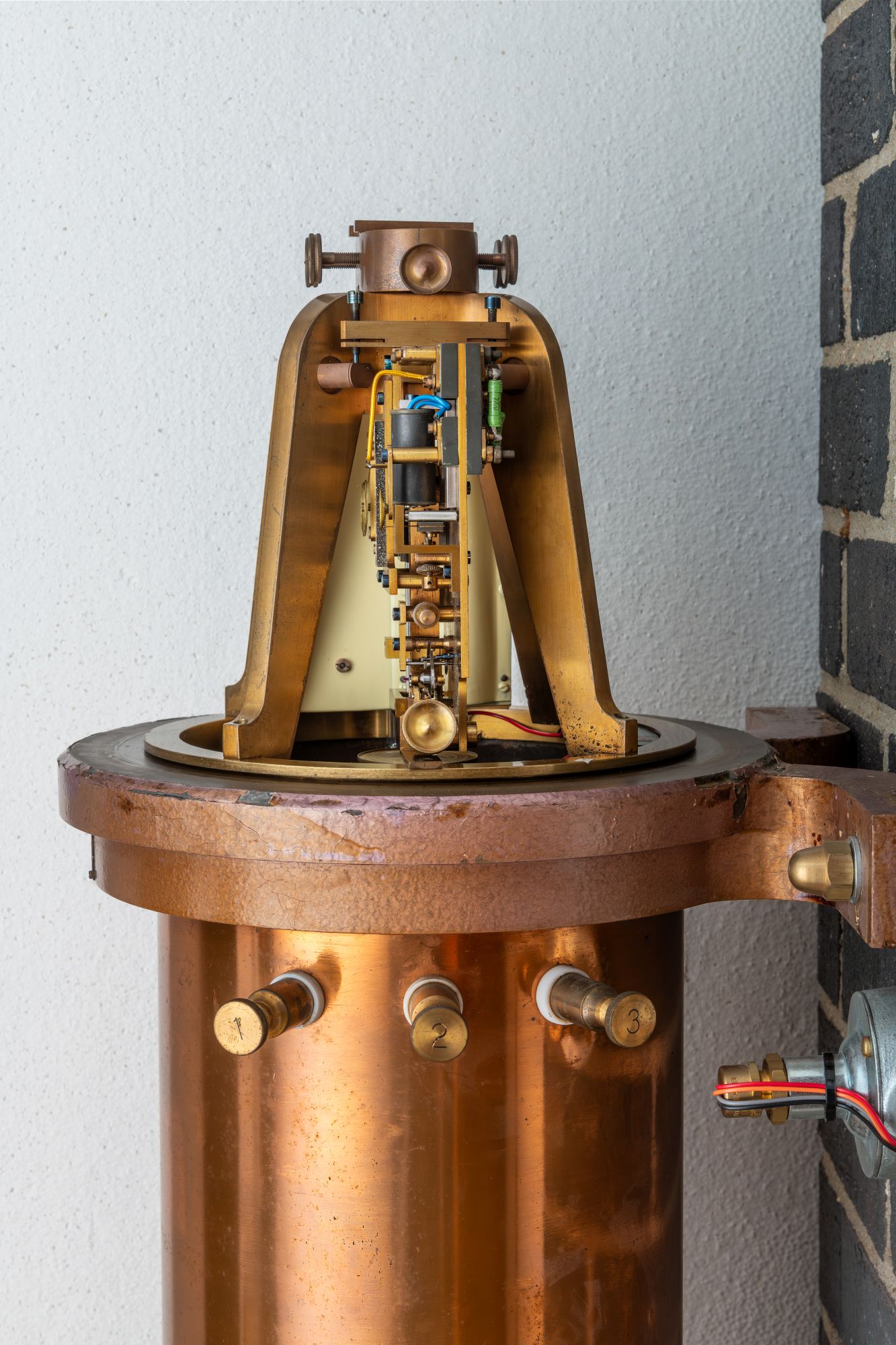
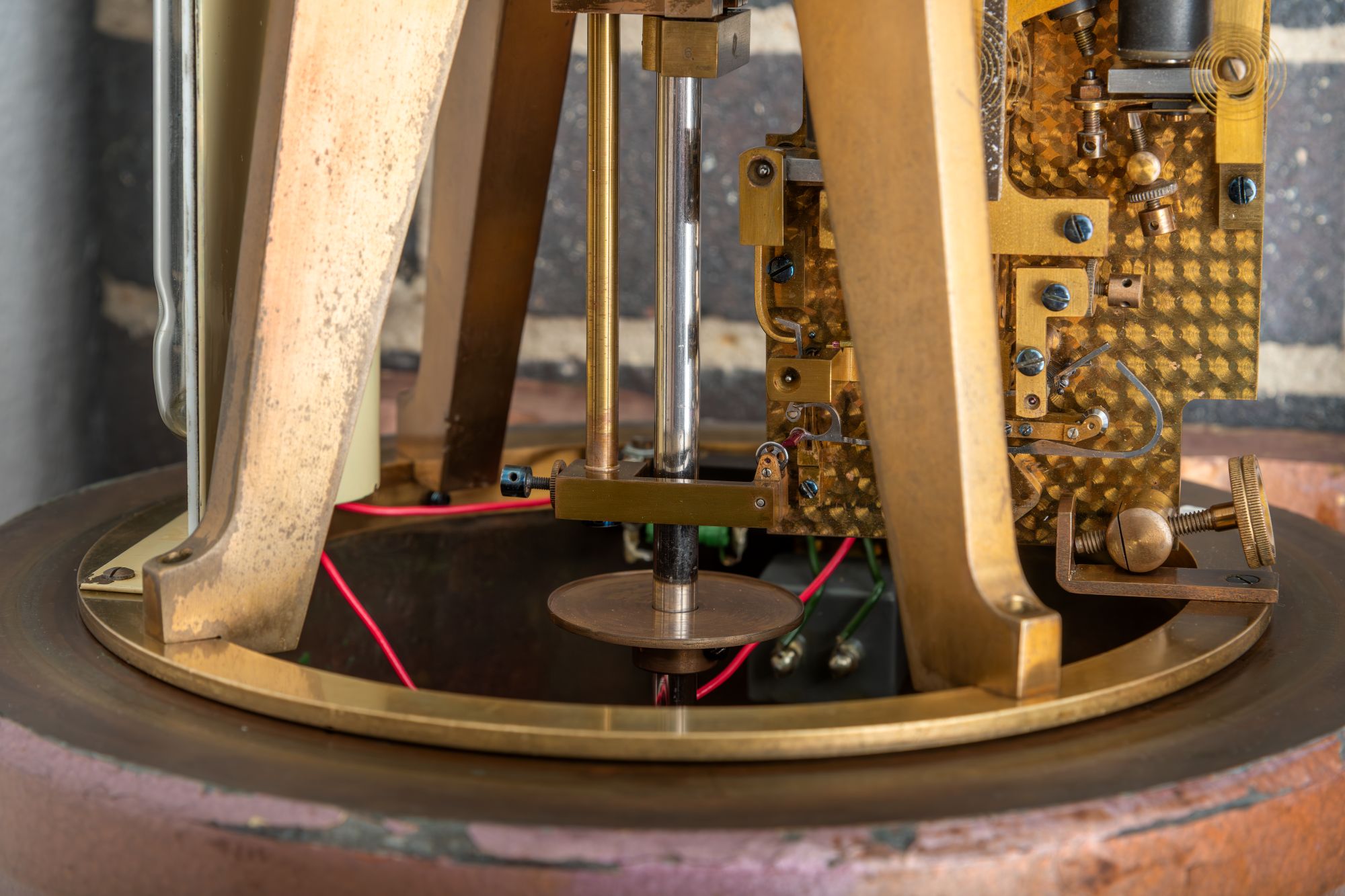
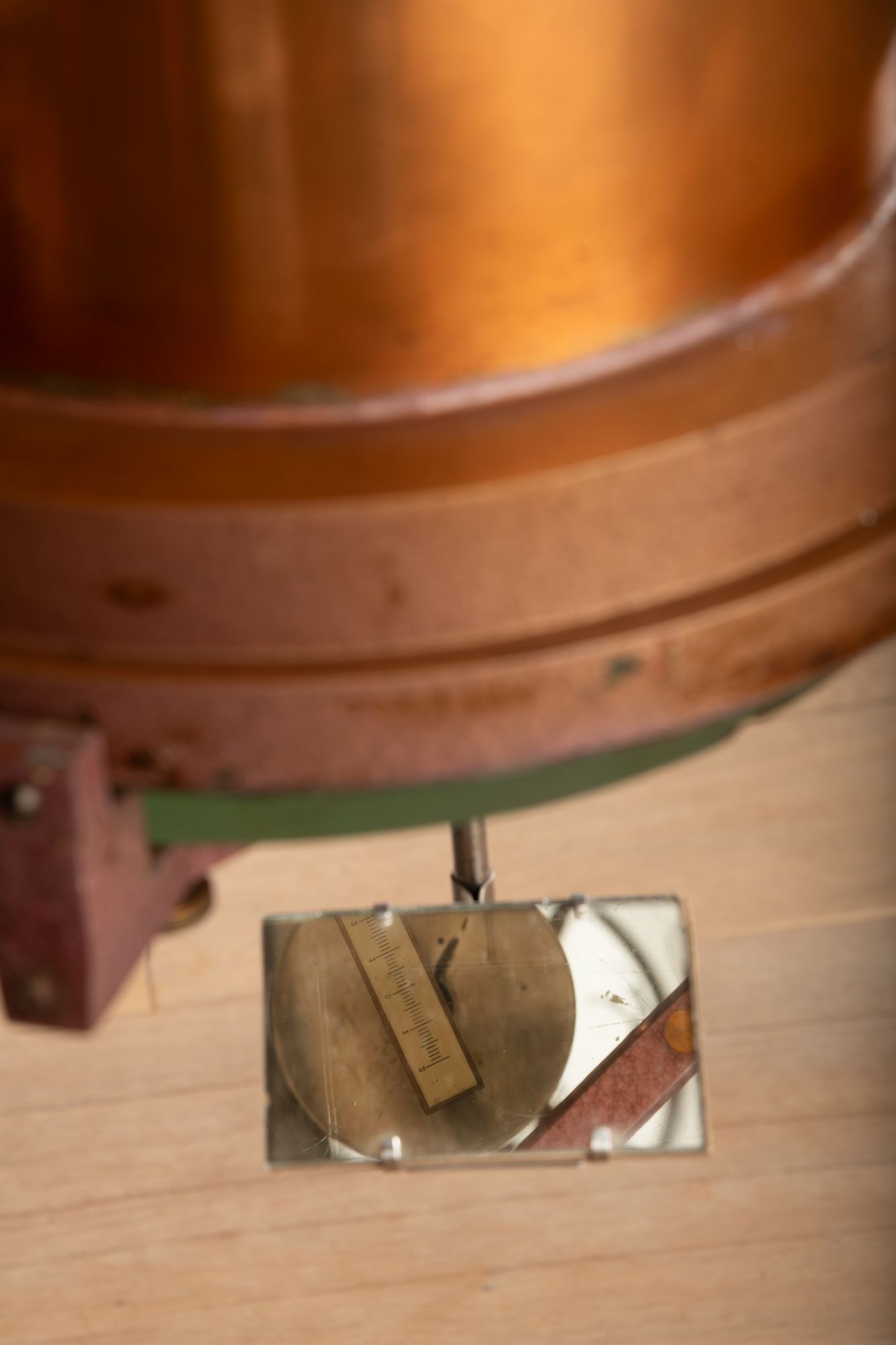
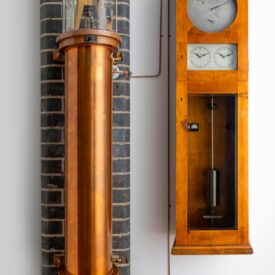
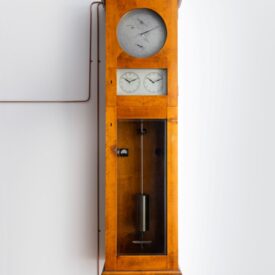
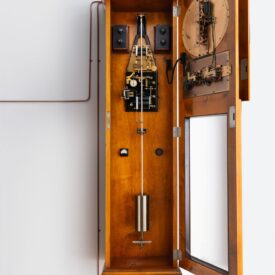
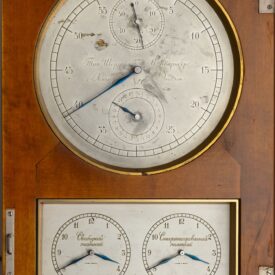
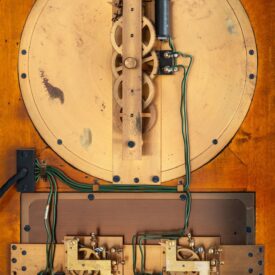
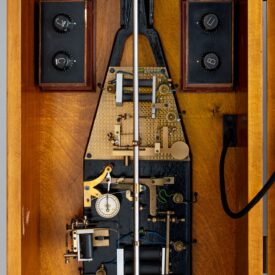
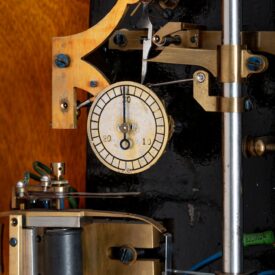
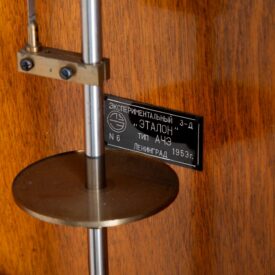
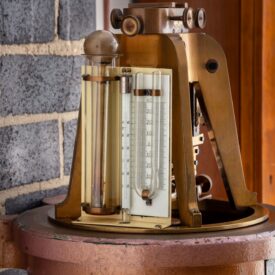
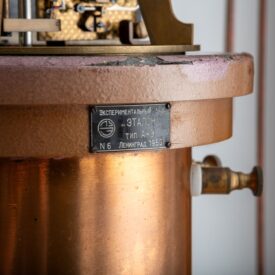
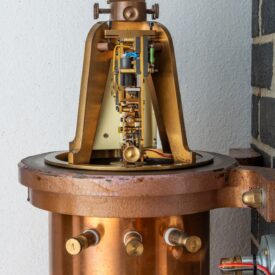
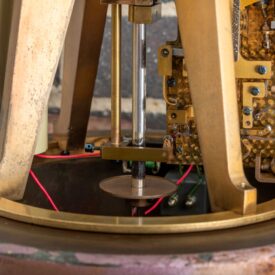
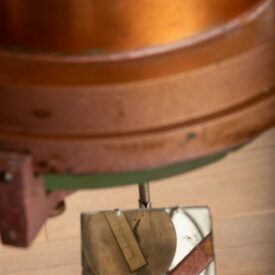
Since contact between the Soviet Union and the West was effectively severed in 1939, Soviet engineers had limited access to technological information from the wider world. As the West’s precision pendulum clocks were gradually superseded by quartz and atomic timekeepers in the 1950s, Soviet researchers continued iterating on the pendulum.
Ironically, these straitened conditions ultimately resulted in the most accurate pendulum clock ever to have entered production: an isochronous pendulum, designed by Feodosii Fedchenko. The ‘AChF-3’ has precision in the range of quartz – an extraordinary achievement. Number 10, produced in 1965, was employed at an observatory in Ukraine until the 1990s.
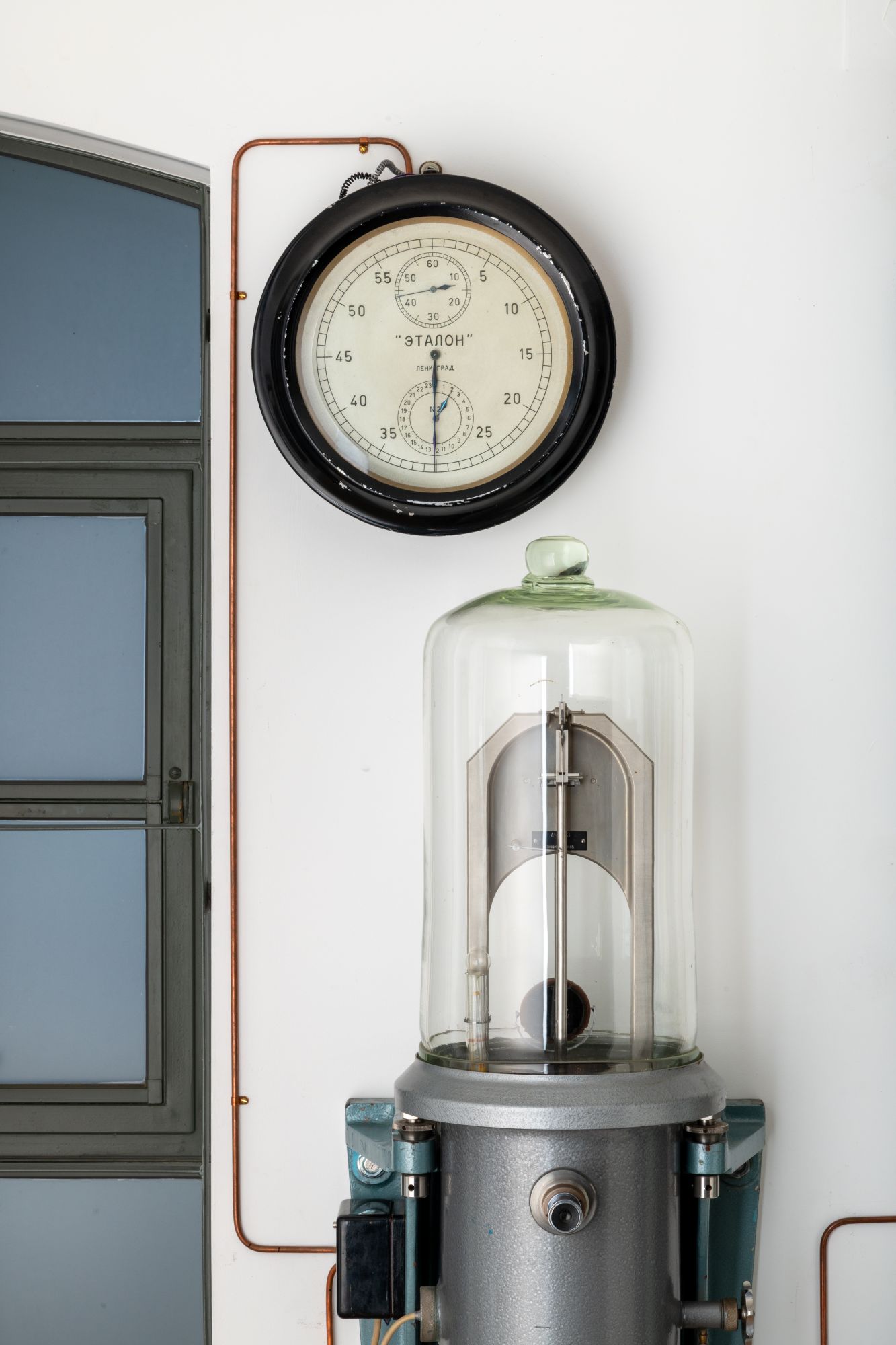
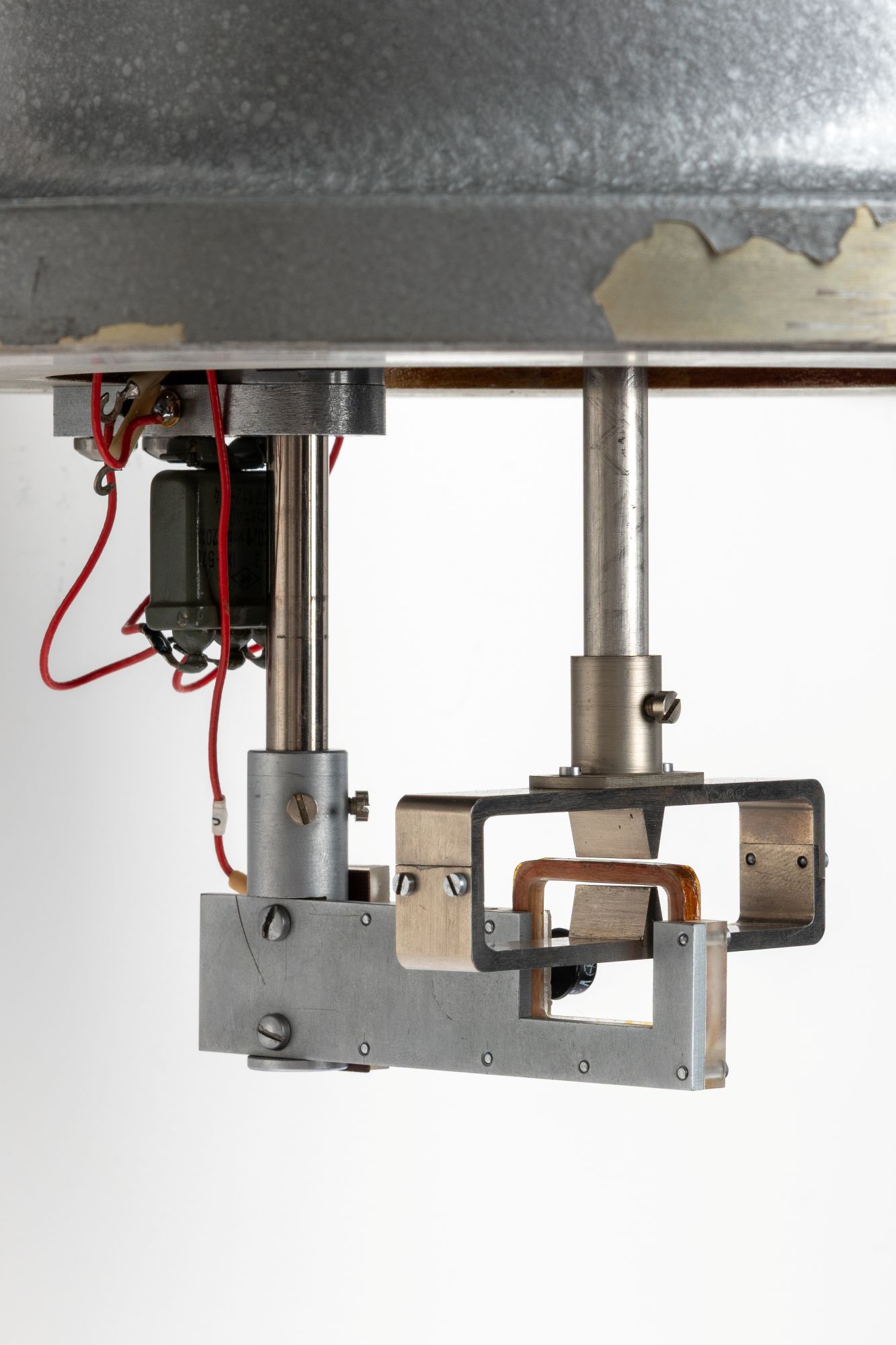
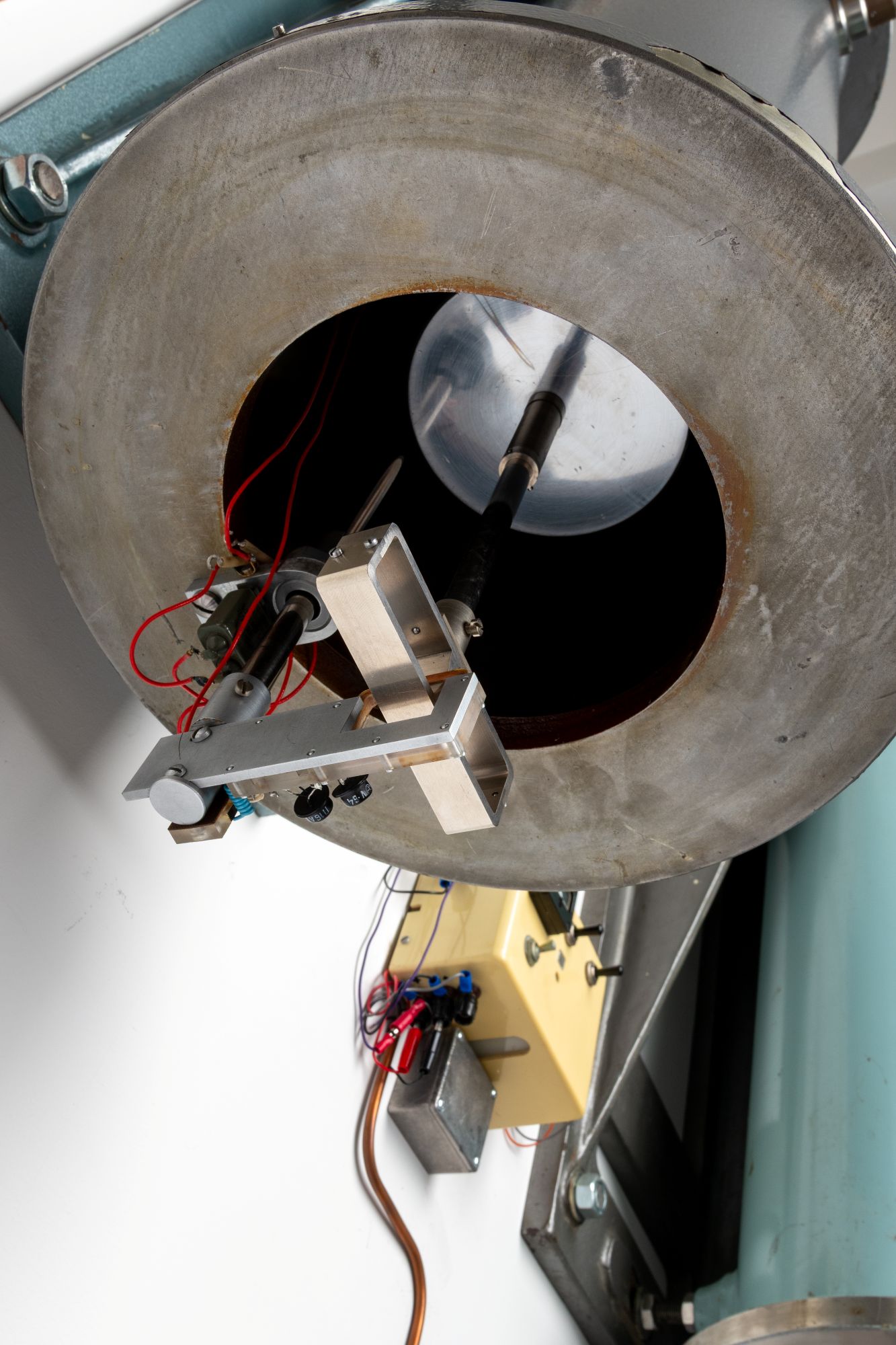
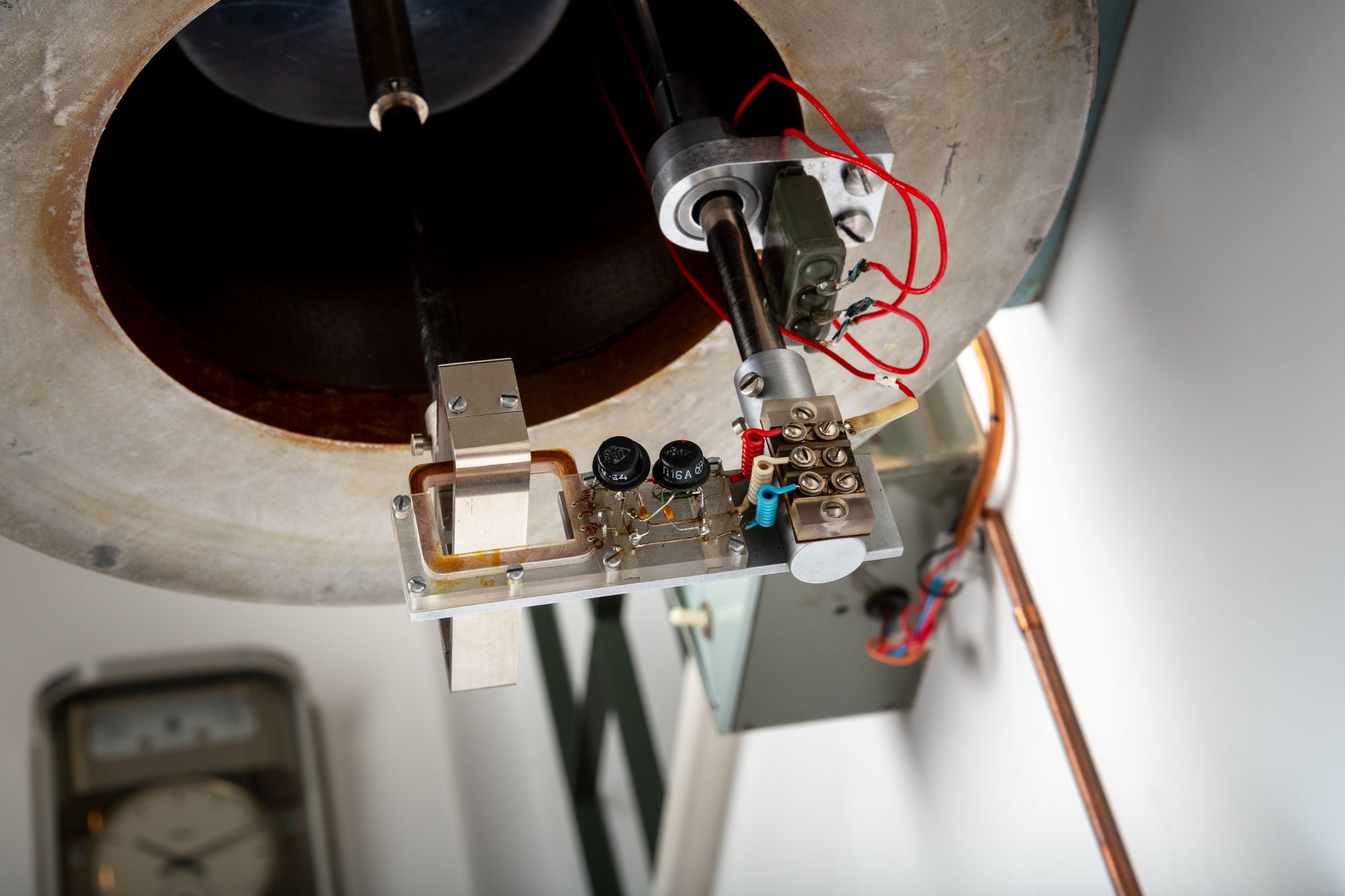
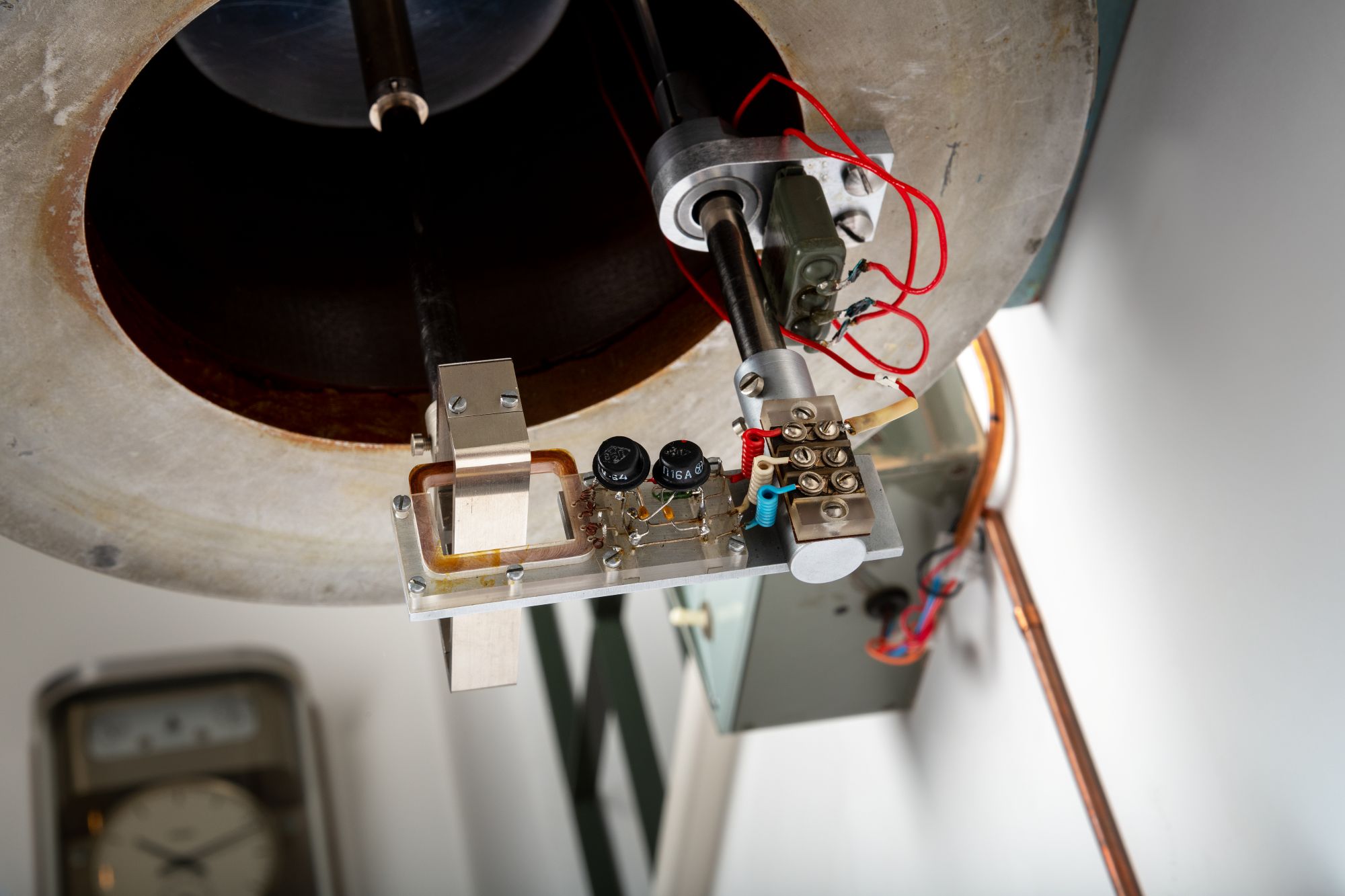
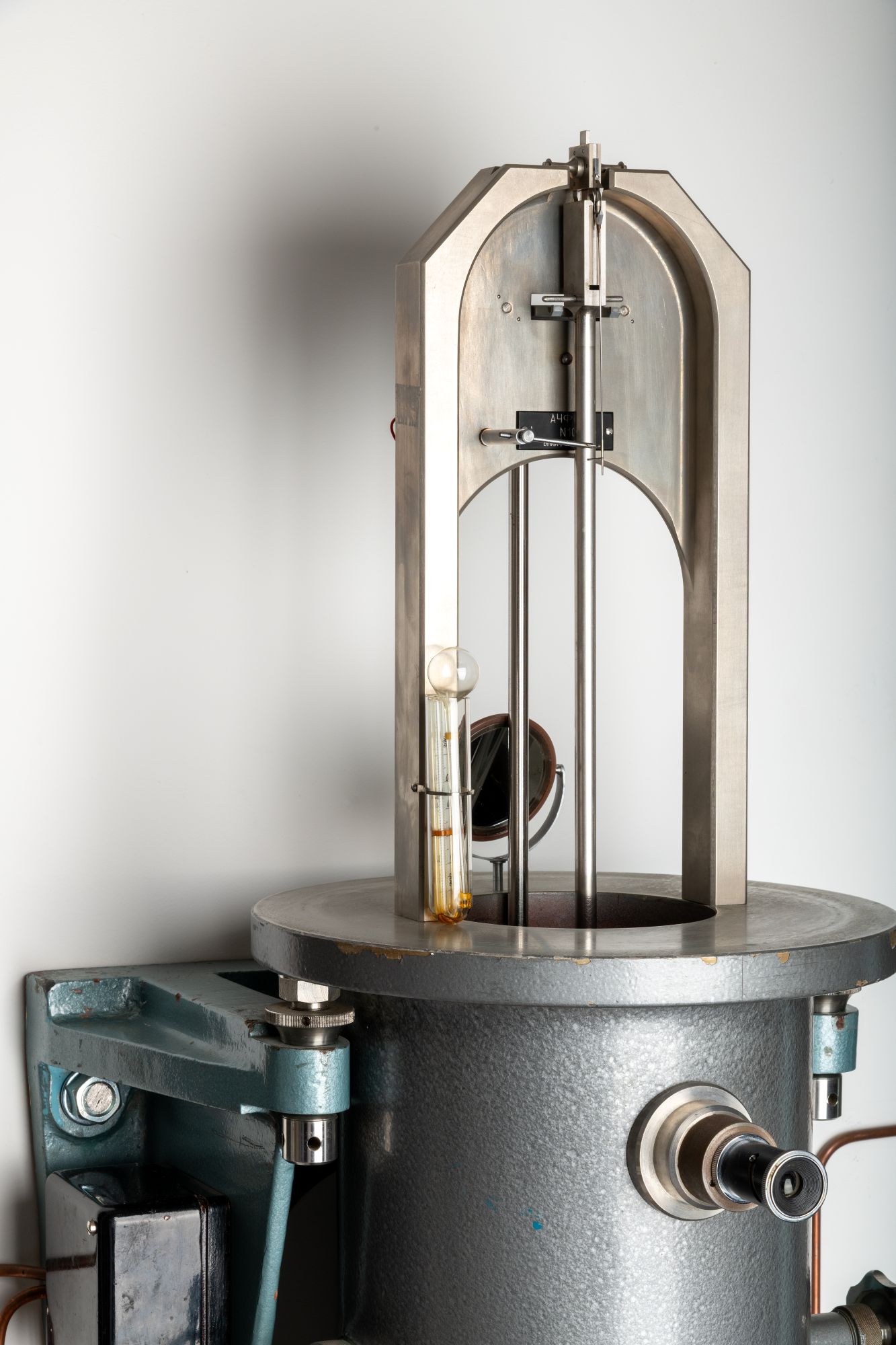
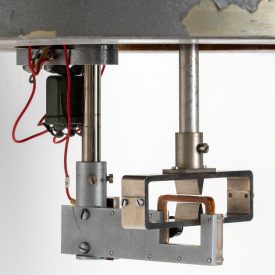
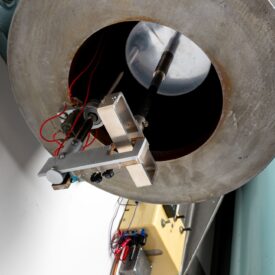
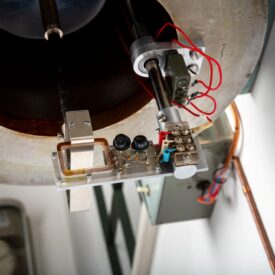
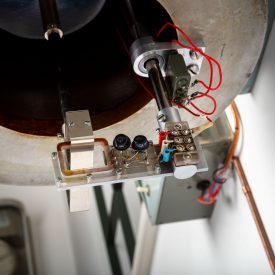
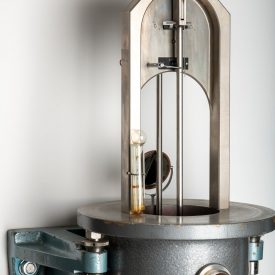
A later model, produced in 1970, was supplied to the Obninsk Institute for Nuclear Power Engineering, which had supported the development of the world’s first nuclear power plant, and provided a training base for the Soviet Union’s first nuclear submarine.
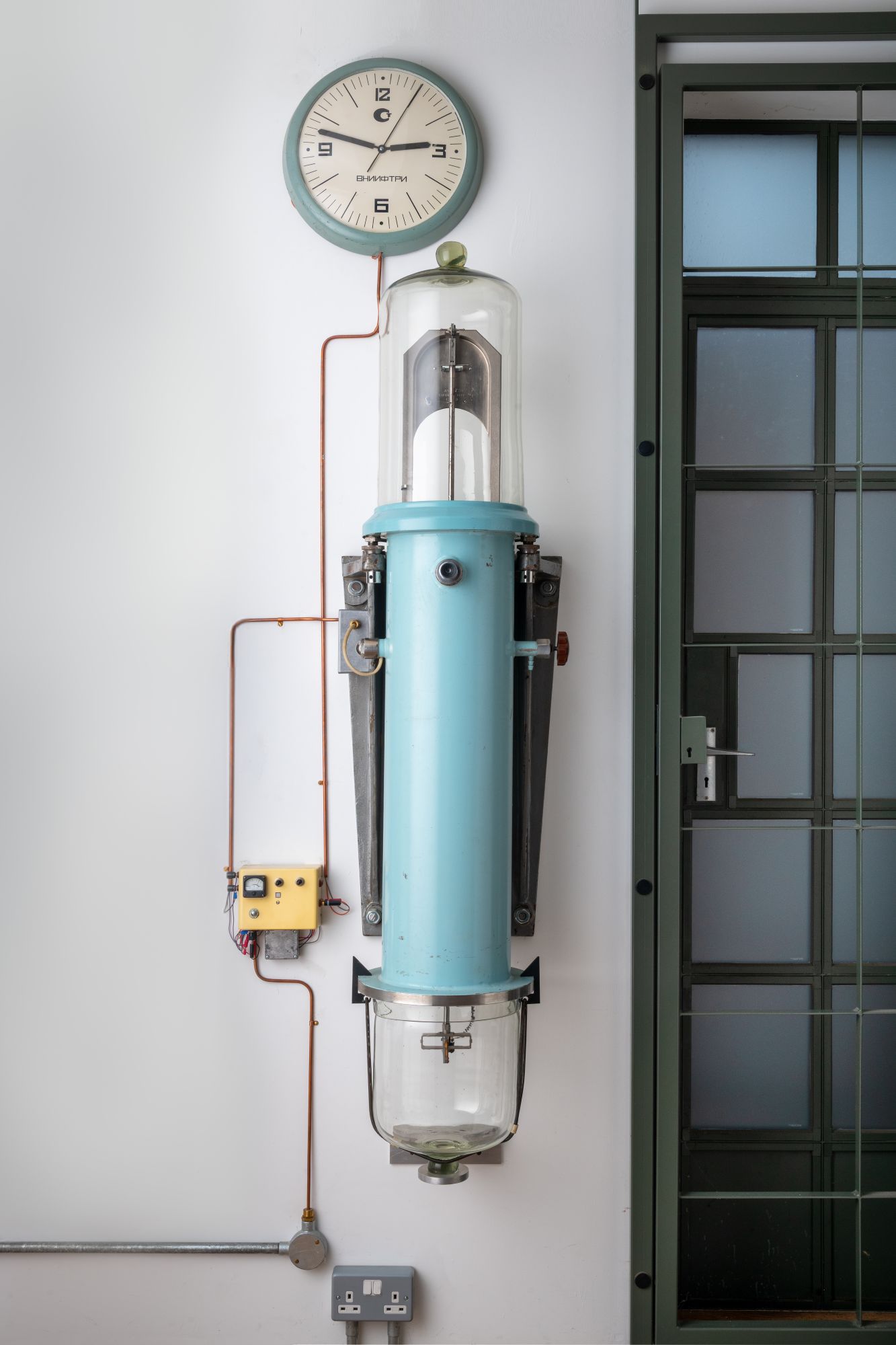
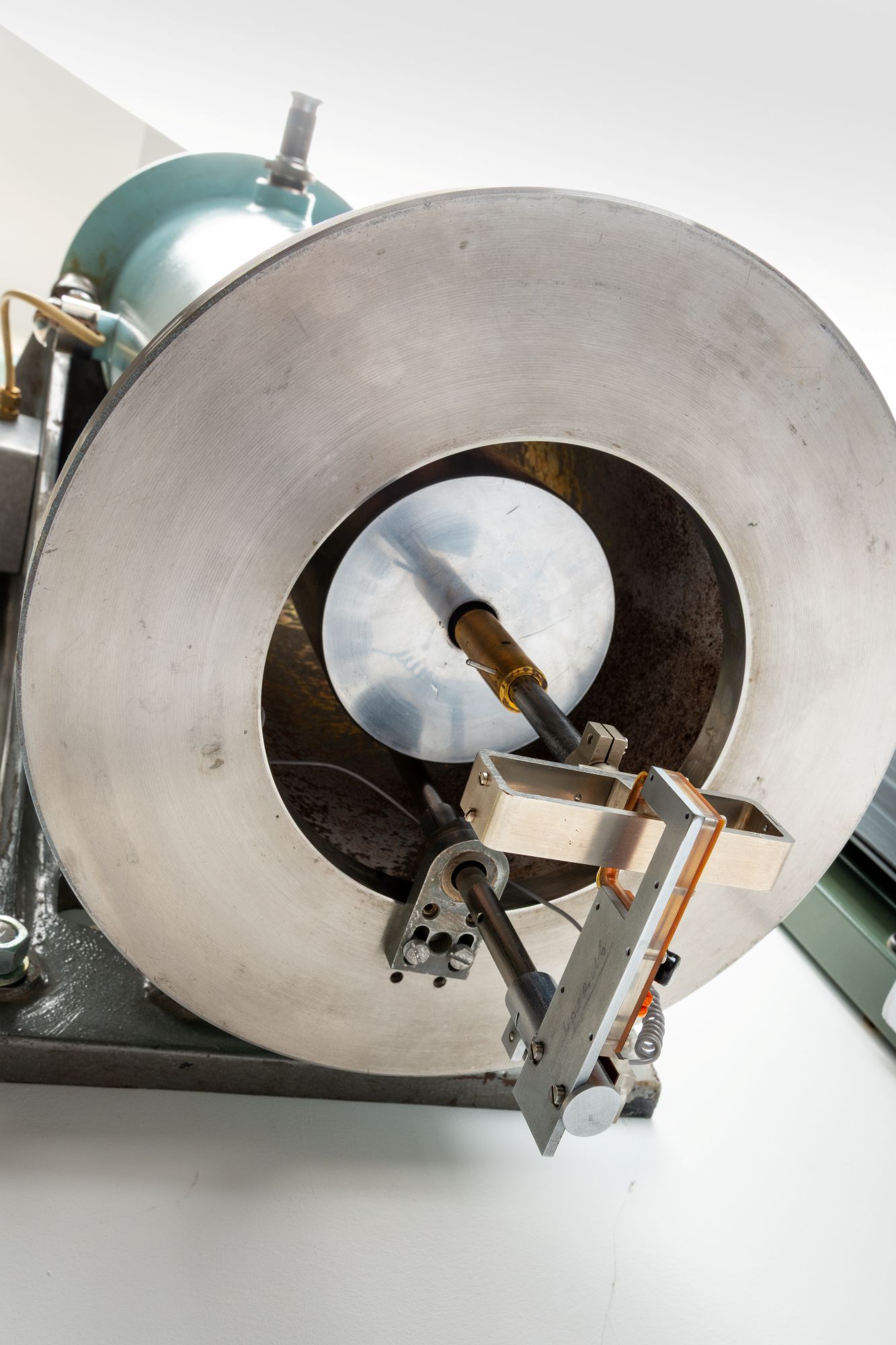
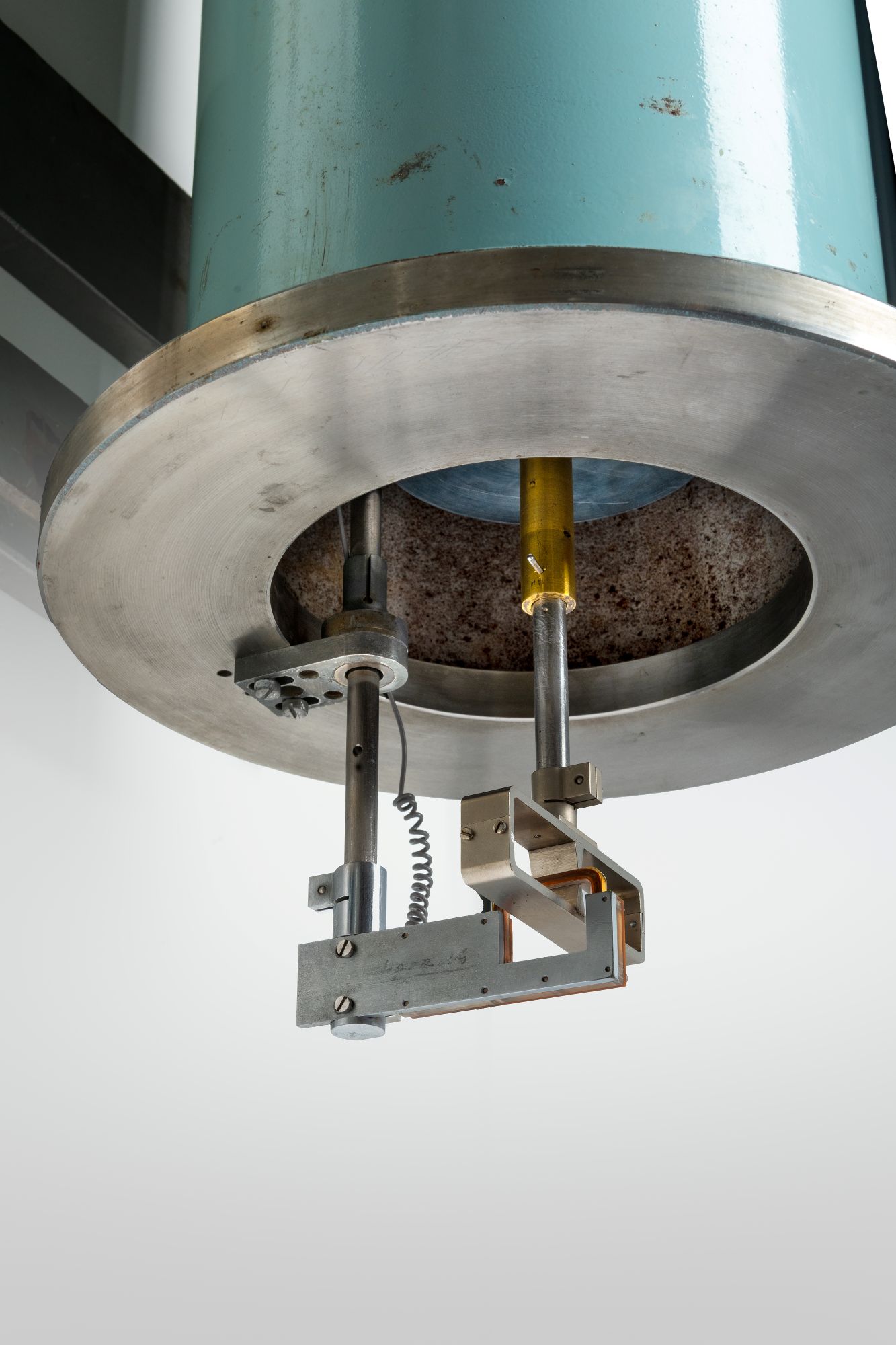
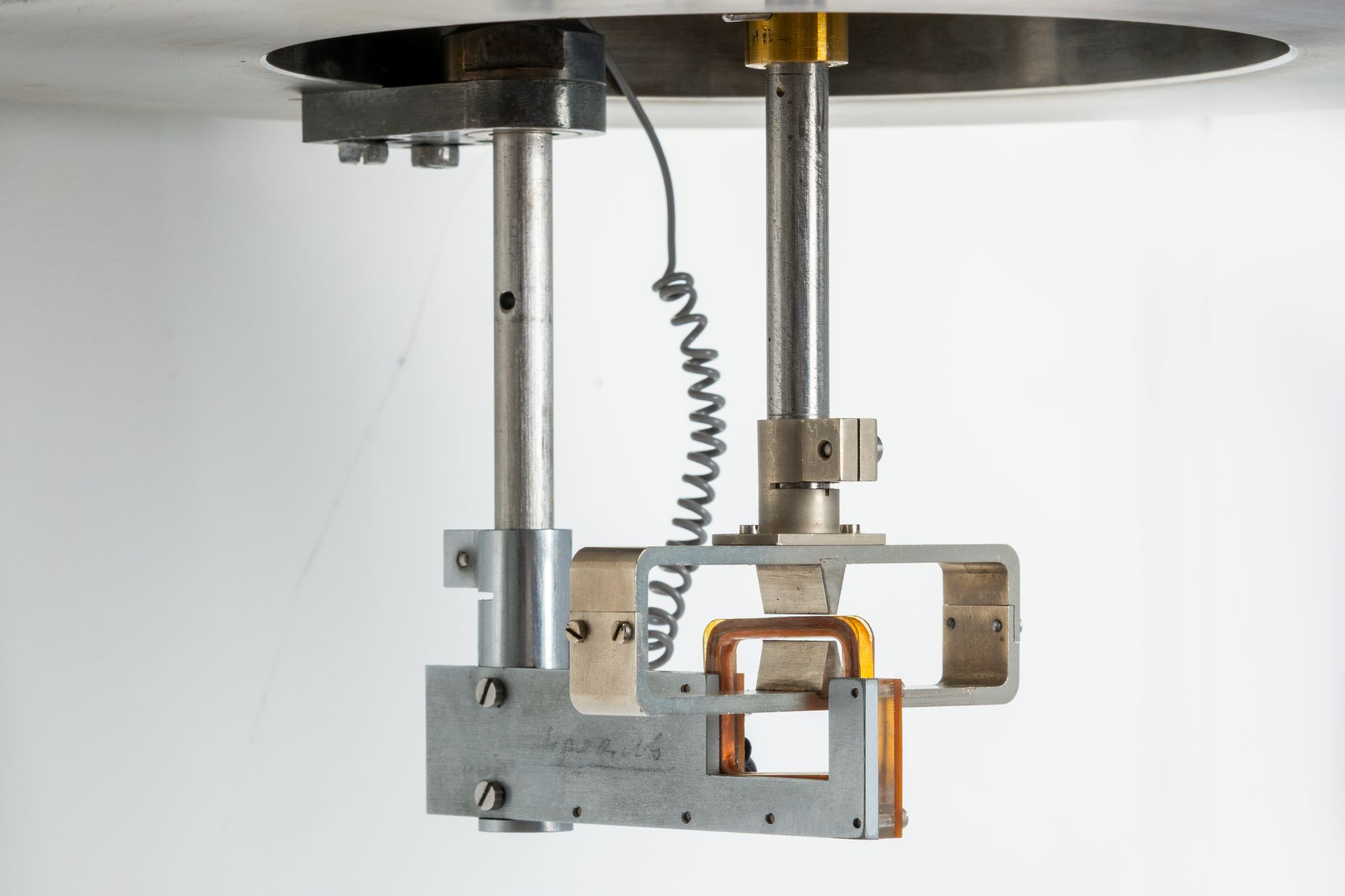
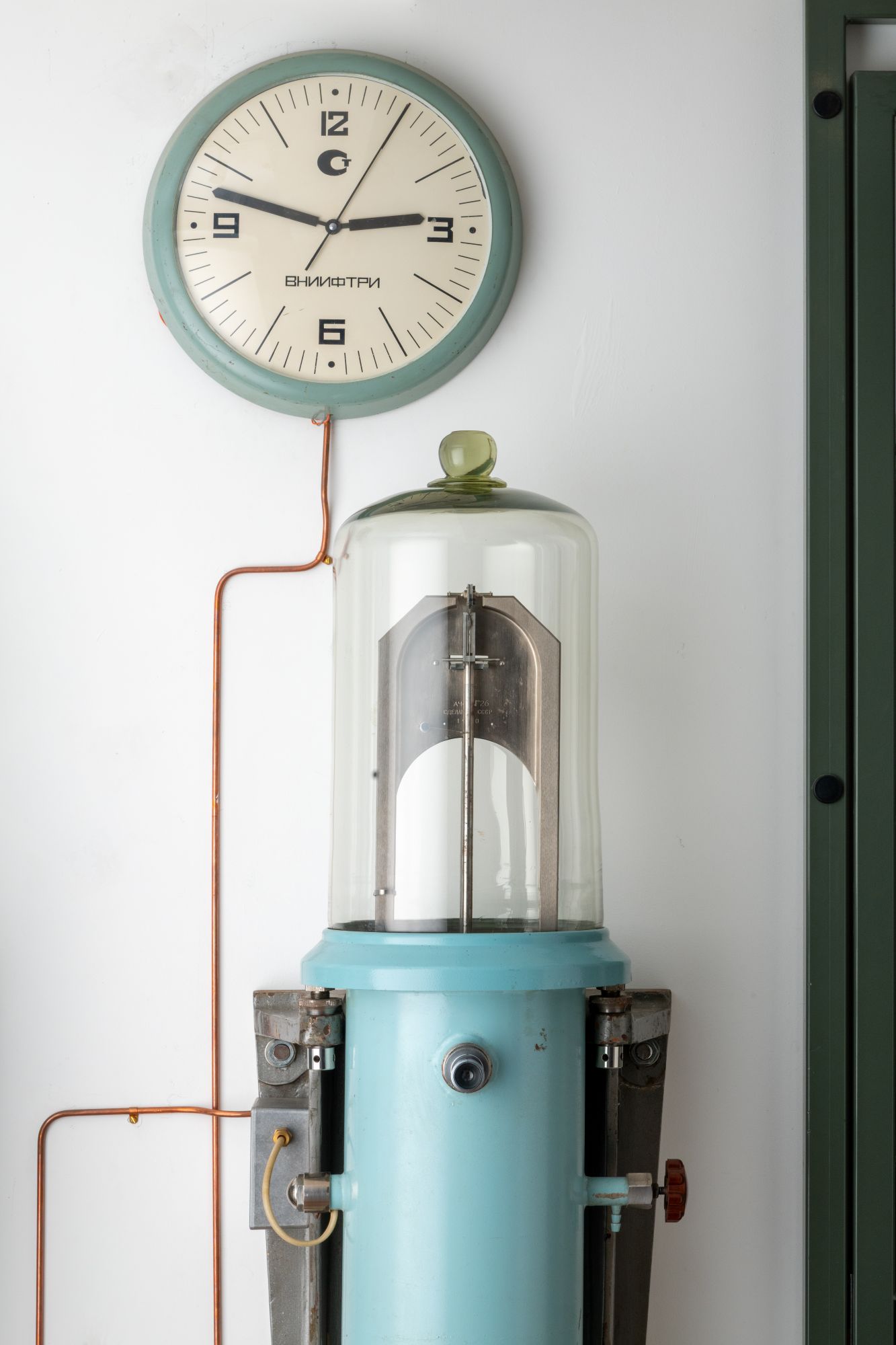
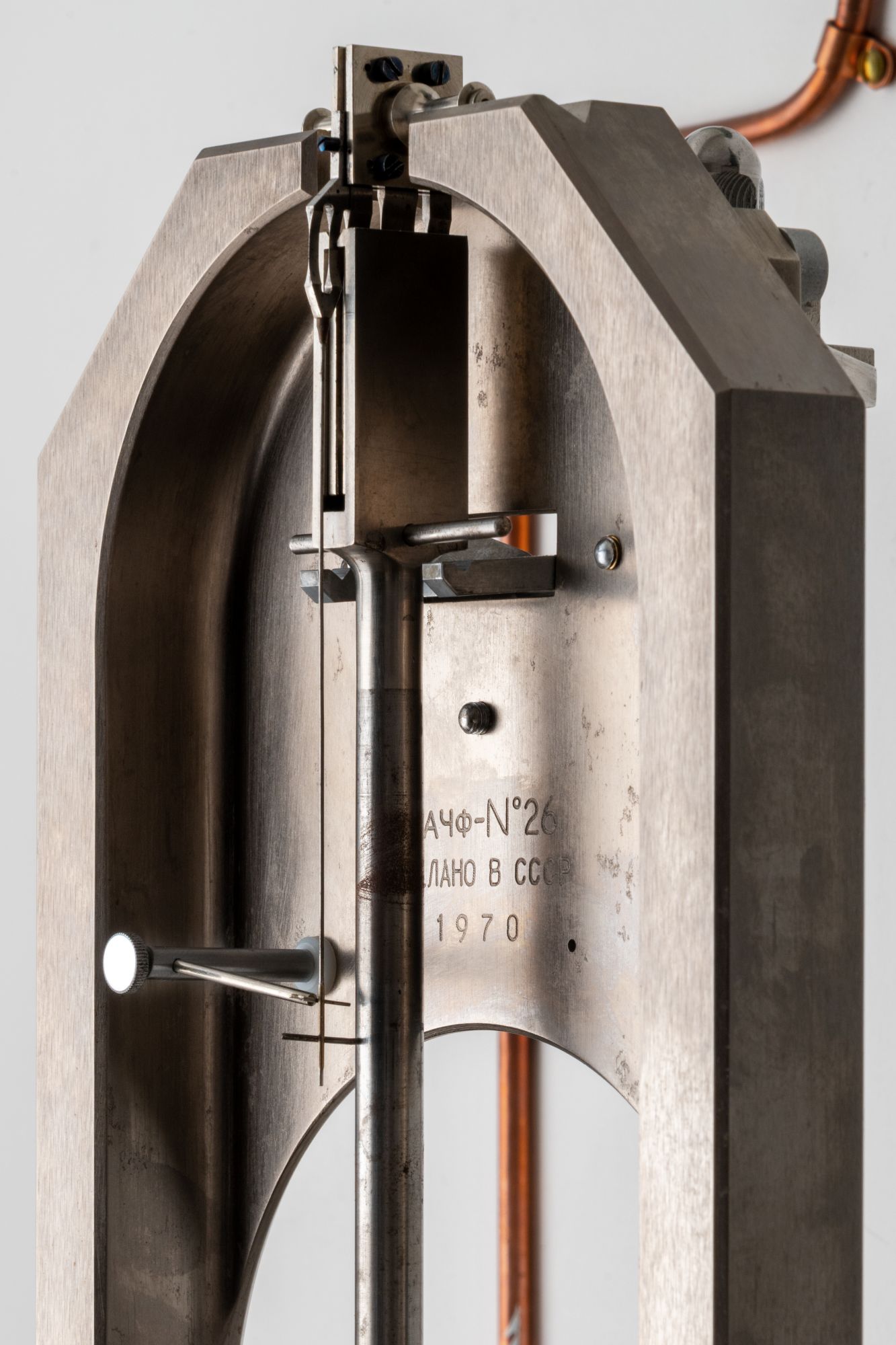
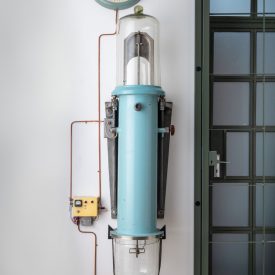
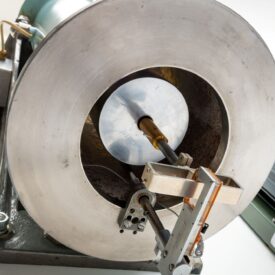
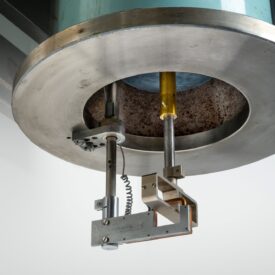
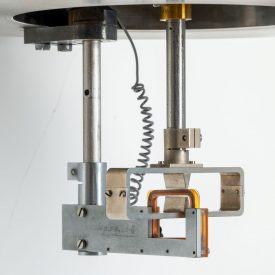
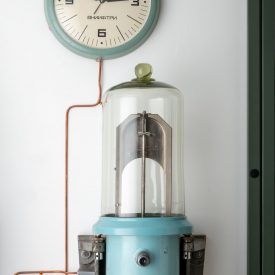

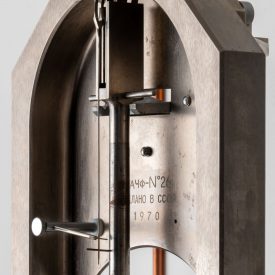
Their AChF3 would have provided a stable timebase for these scientific projects, uniting the Soviet Union’s most powerful clock with its most prestigious industry. Precision timekeepers have always been at the forefront of national scientific endeavour.
Precision pendulums at The Clockworks
Discover the whole collection