Electric clock technology helps conquer the sea.
Traditionally, timekeeping at sea has been managed by the hourglass: sailors ring a bell every 30 minutes, with ‘eight bells’ marking the end of a four-hour watch. However, from the later nineteenth century, many ships started to require more complex timekeeping systems – and electrical infrastructure increasingly straddled the seas.
Undersea telegraph cables
Electric telegraph technology first began to appear in the 1830s. By the 1870s, undersea cables linked every continent except Antarctica. Among the earliest pieces of information sent via telegraph were time signals, facilitating improvements in navigation and synchronisation.
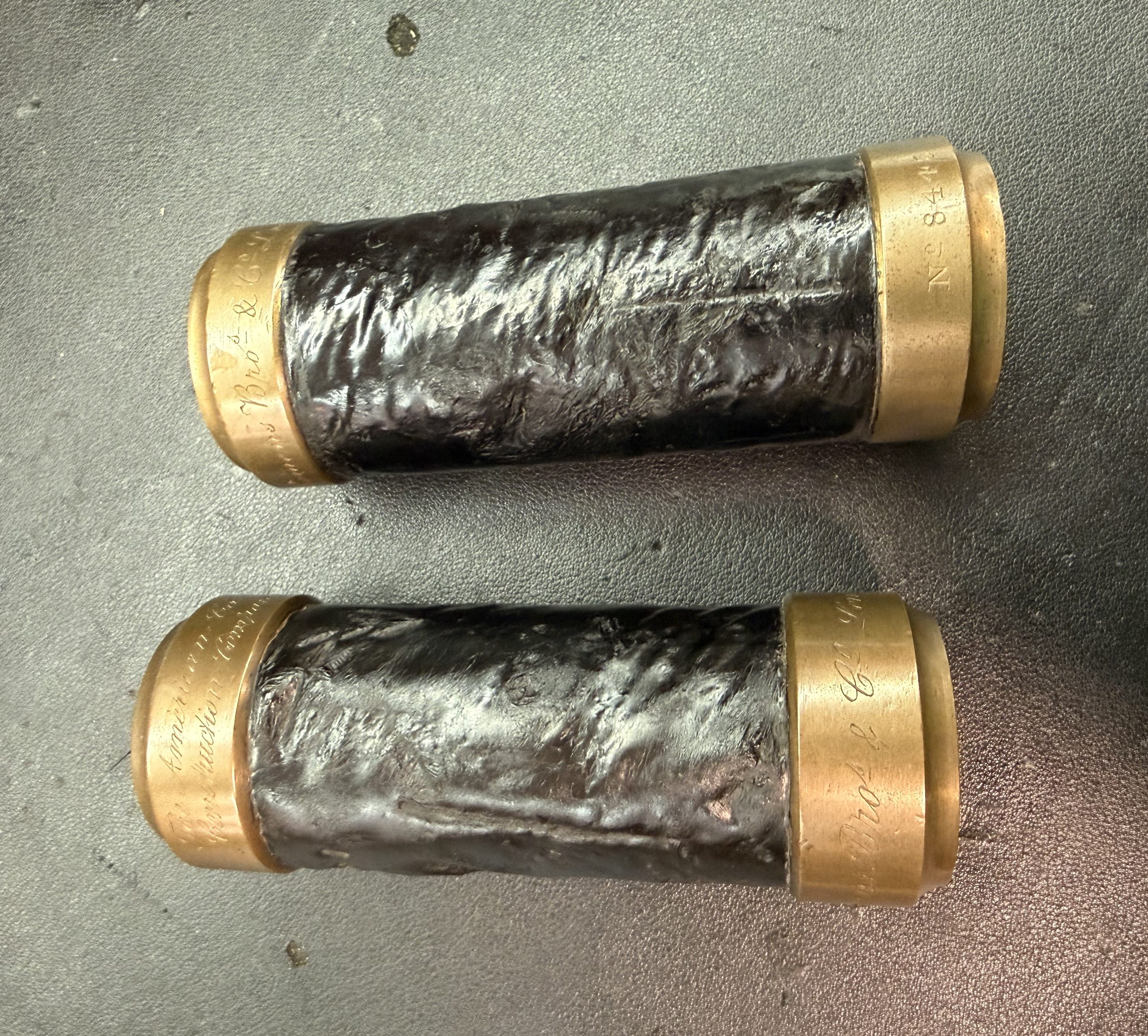
This cable was manufactured by the Siemens Brothers in the 1880s to link Canso, in the USA, to Cornwall, in the UK.
Part of the point of a cable is that you don’t know it’s there – it is a transparent carrier, and naturally not much to look at. Conversely, these samples were probably produced as souvenir objects to celebrate a new technology that had collapsed time and distance, linking the world as it had never been linked before.
The ocean liner
Cables ran under it, and ships were increasingly speeding over it. The century running from the first crossing of the Sirius in 1837 witnessed advances in steamship technology which gradually brought ocean travel to a new public.
The ‘liners’ built over the following decades by companies including P&O (founded 1837), Cunard (1840), Hapag (1847), White Star Line (relaunched in 1868) and Red Star Line (1871) increasingly offered travellers every modern comfort, including clock dials.
Hoping to reduce the maintenance requirement on staff, liner companies almost immediately sought out electrical impulse systems for passenger timekeeping, with public dials controlled remotely by a central time transmitter.
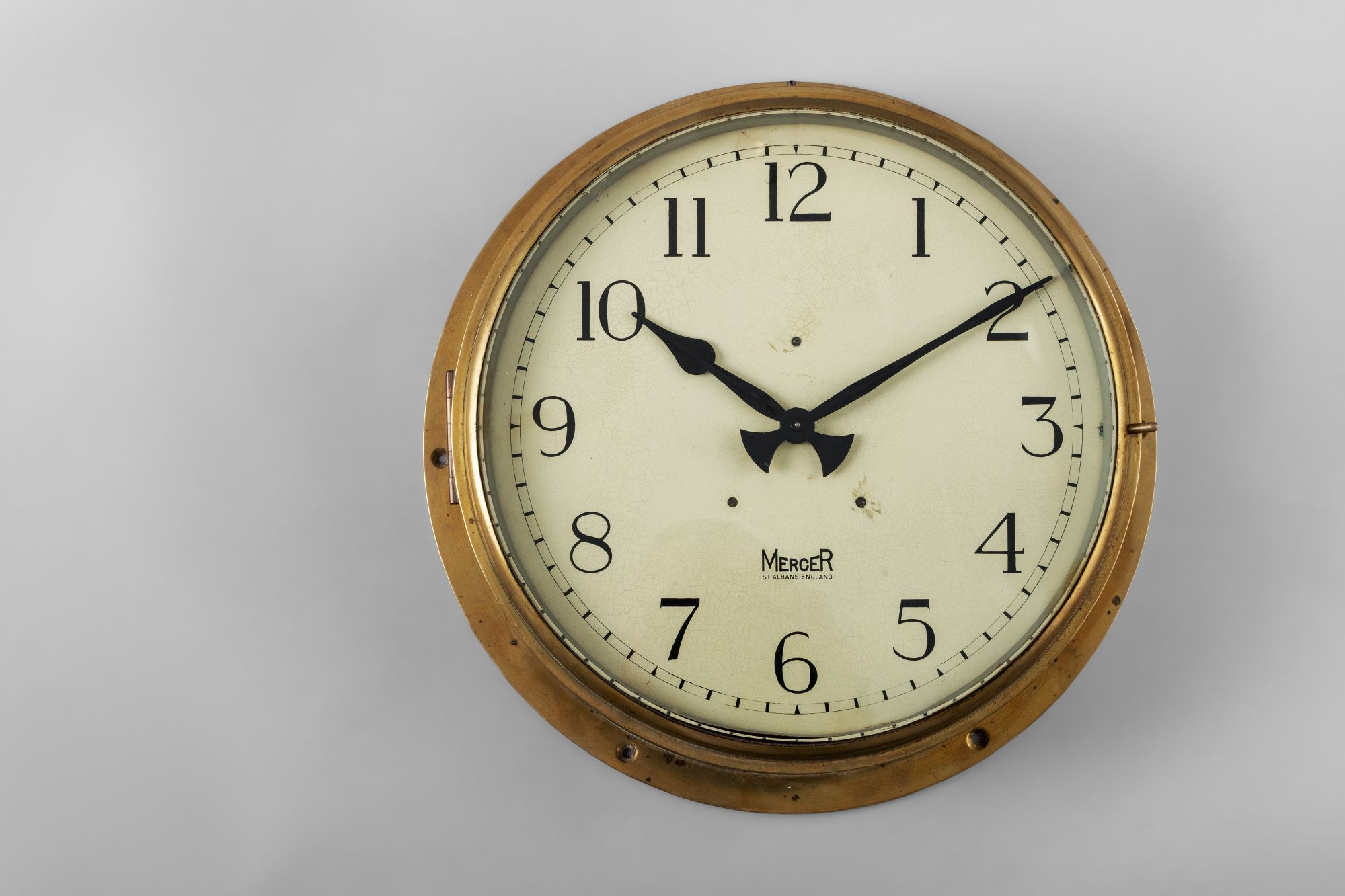
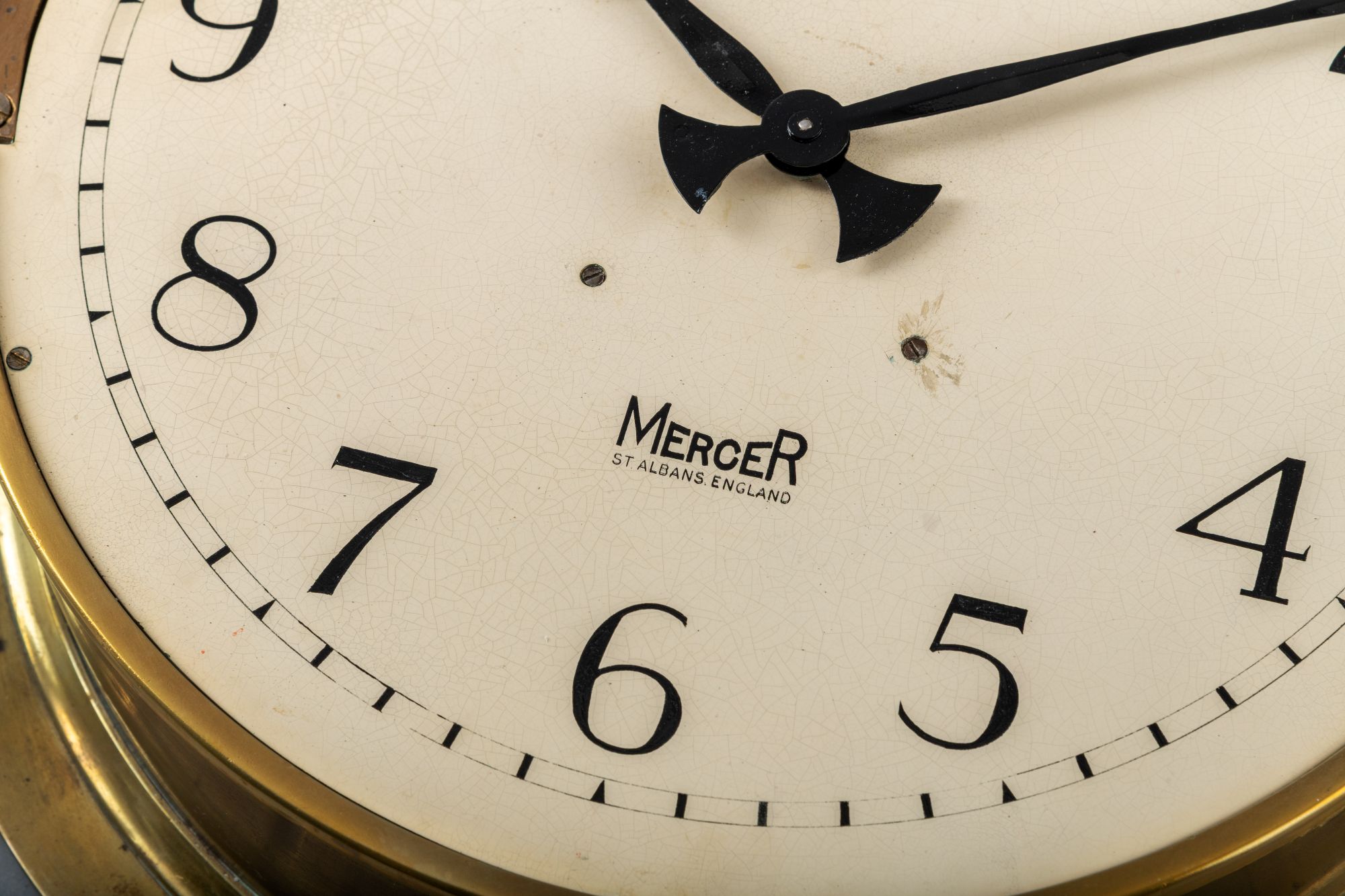
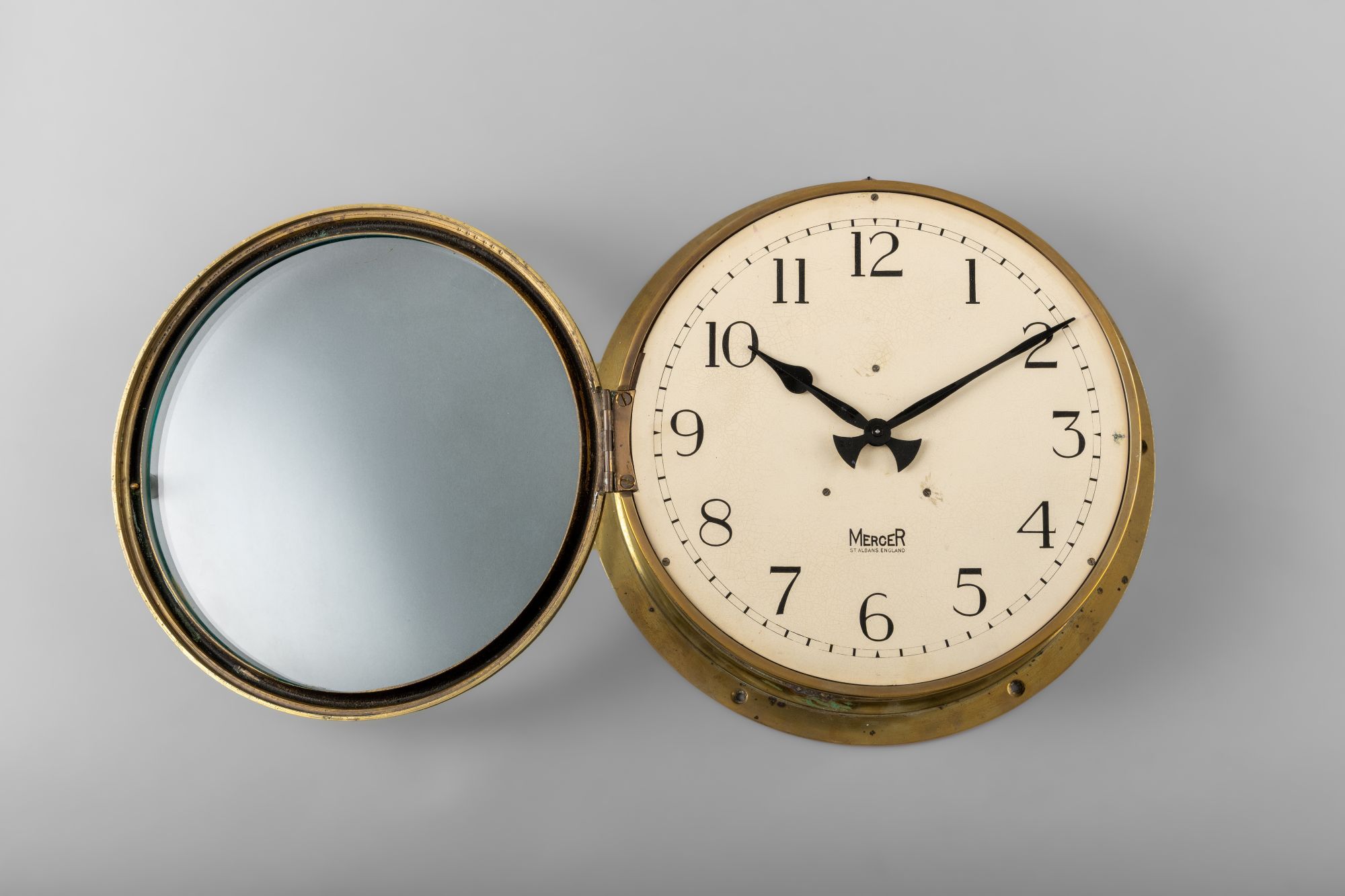
No less than a clipper of the Age of Sail, an ocean liner of the Gilded Age relied for navigation on a marine chronometer, albeit now additionally supported by sextant readings and radio signals. The public clock dials spread over the ship therefore had nothing to do with ‘accuracy’.
Instead, their job was to keep ‘ship’s time’, essential for keeping a several thousand-strong community of passengers in balance. When was dinner? Ornate clock dials were often an architectural centrepiece on the First and Second Class ‘Grand Staircase’, which led from the upper decks down to the dining room.

Maritime time zones
A ship’s dials also needed to be remotely adjusted as the vessel moved through time zones – sometimes by up to an hour a night.
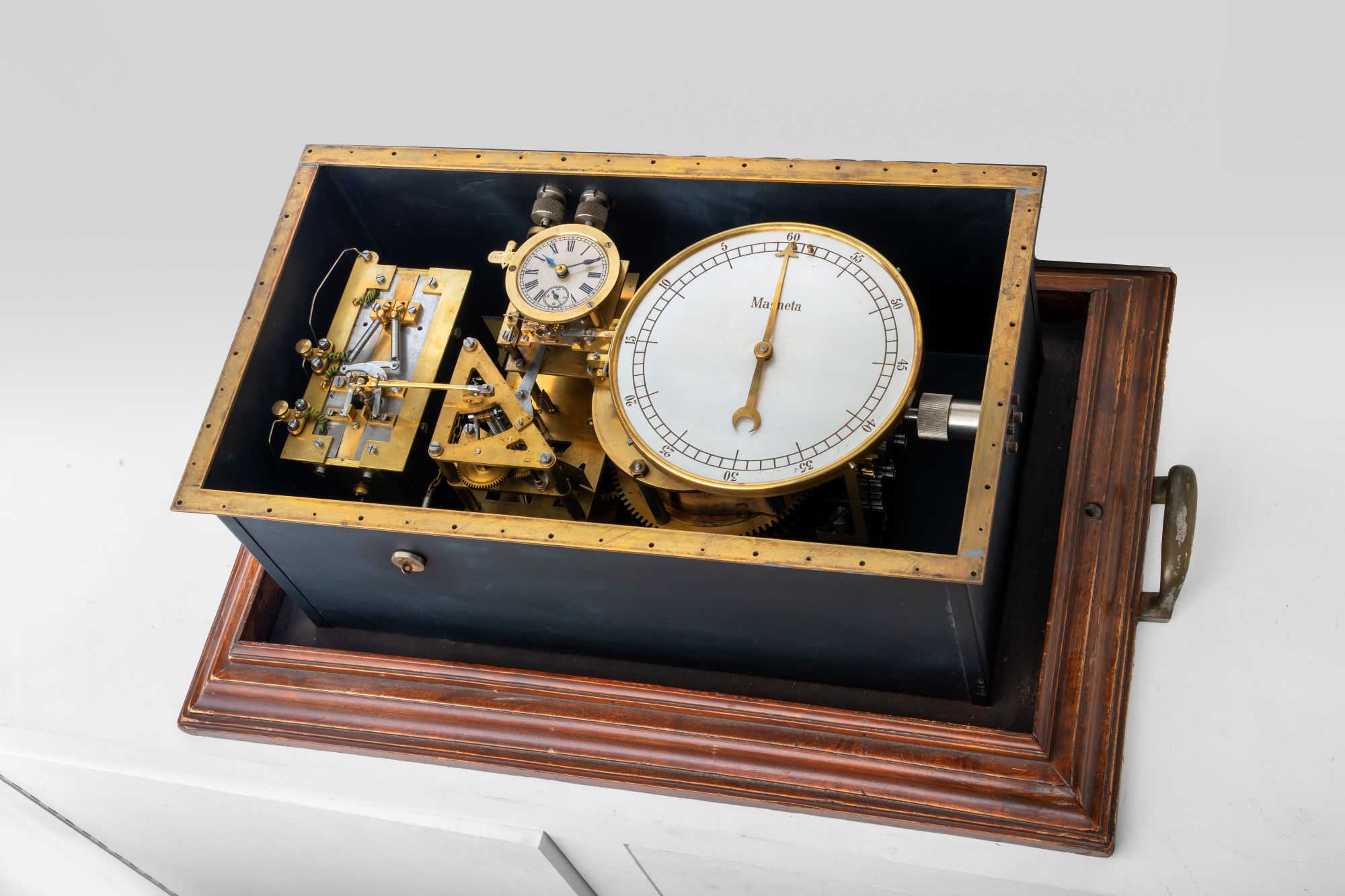
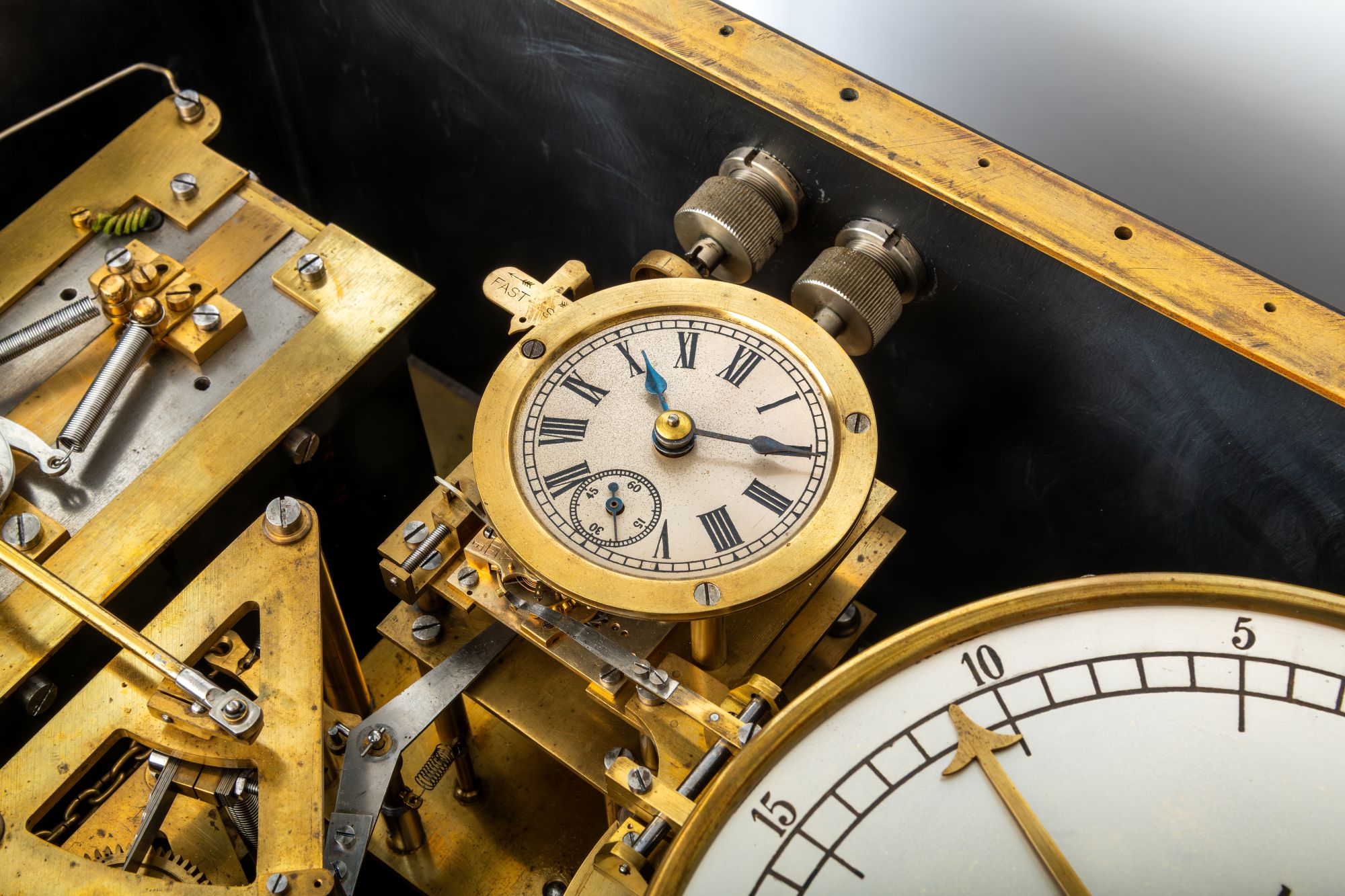
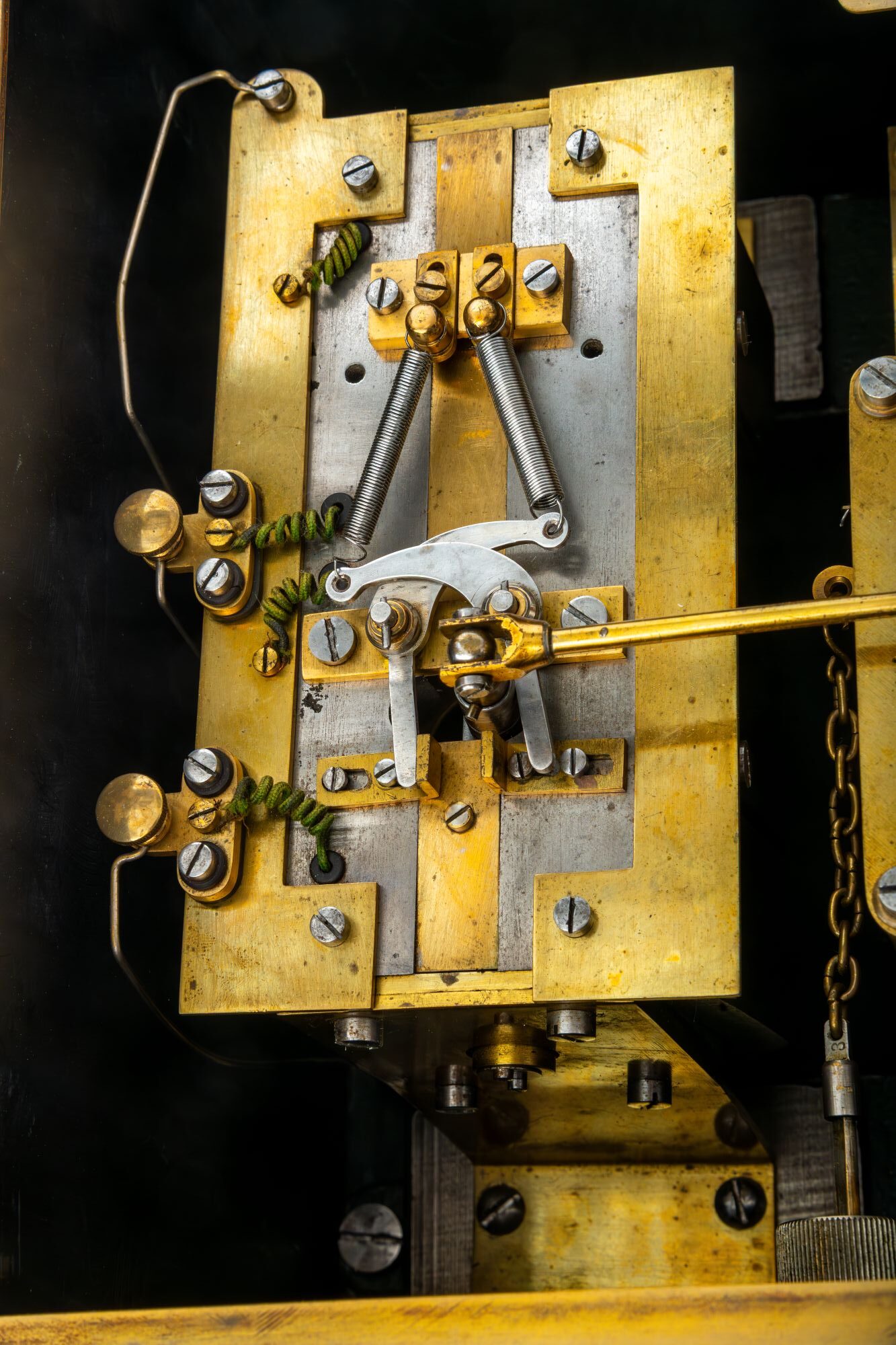
Early electrical clock systems for ships often had to do this manually: a Magneta impulse transmitter first marketed in 1908 was controlled with a winding crank. Each turn would correspond to one minute forwards or backwards on the dials across the ship.
The Magneta system was the one chosen for RMS Titanic and Olympic in 1911: two were specified, each controlling 25 dials.
Because Magneta’s electric clocks generate their own electric power, using a magneto, they must have been appealing in an age of tentative supply mains. However, in addition to the daily clock change, the large mainspring on these transmitters would also have required winding at the start, middle and end of each four-day transatlantic passage, creating another significant burden on staff.

Later liner systems
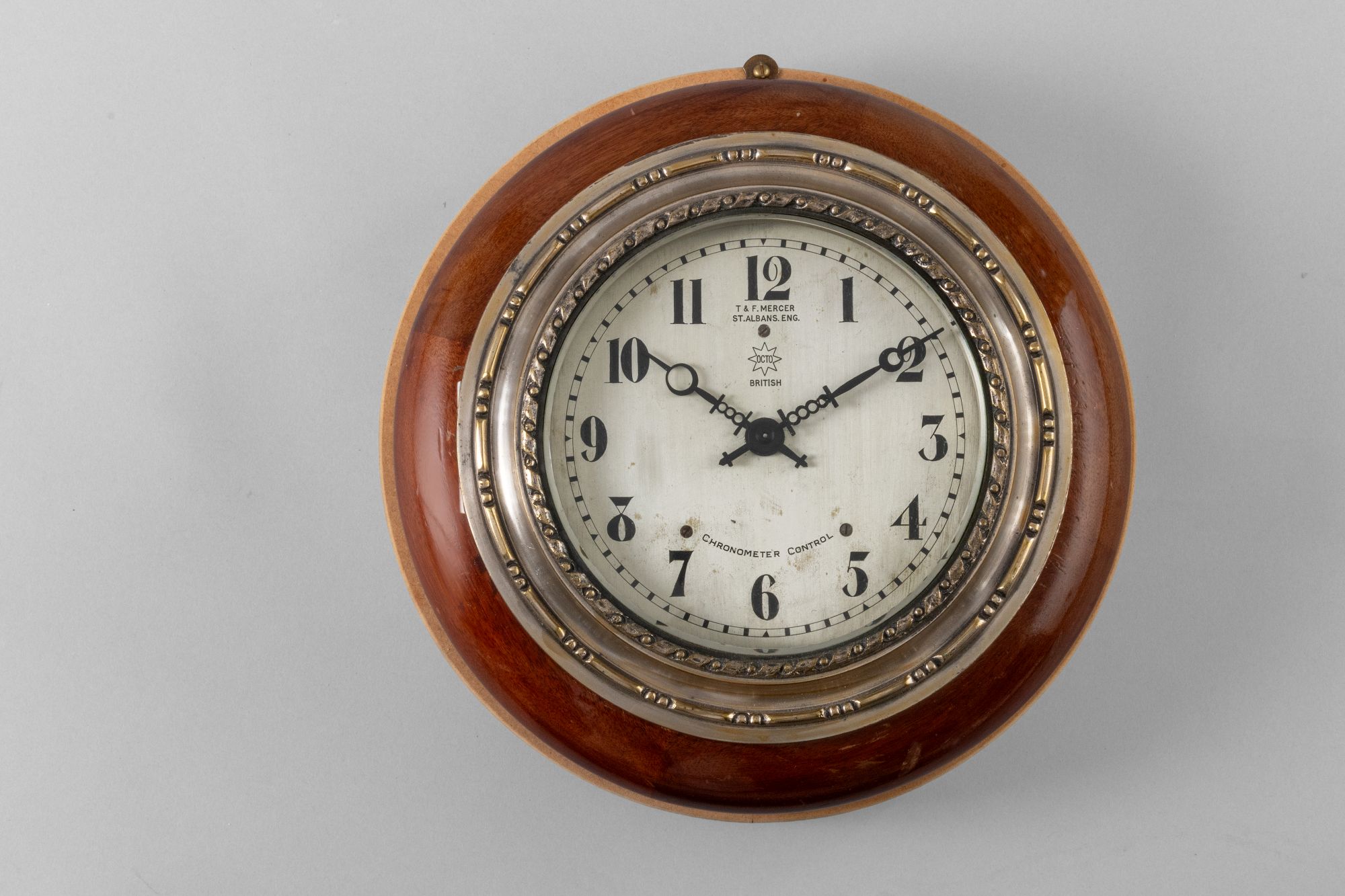
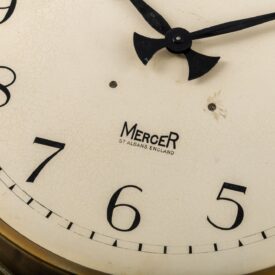
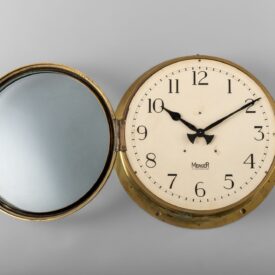
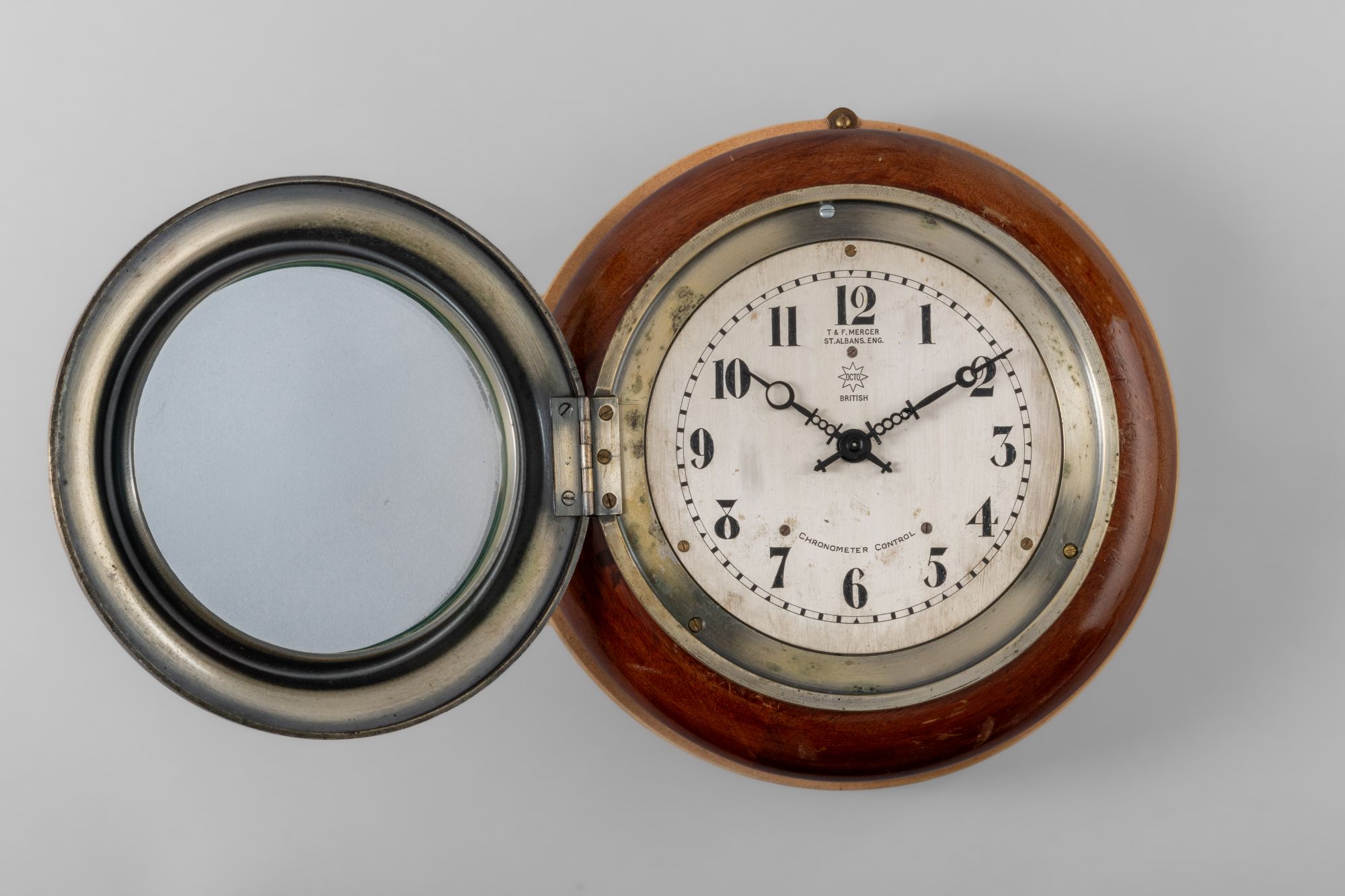
Thomas Mercer were already well known for their marine chronometers when the company branched into electrical marine impulse transmitters for liners in the early twentieth century. Their systems were chosen for several Cunard installations, including – most famously – RMS Queen Mary in 1936.

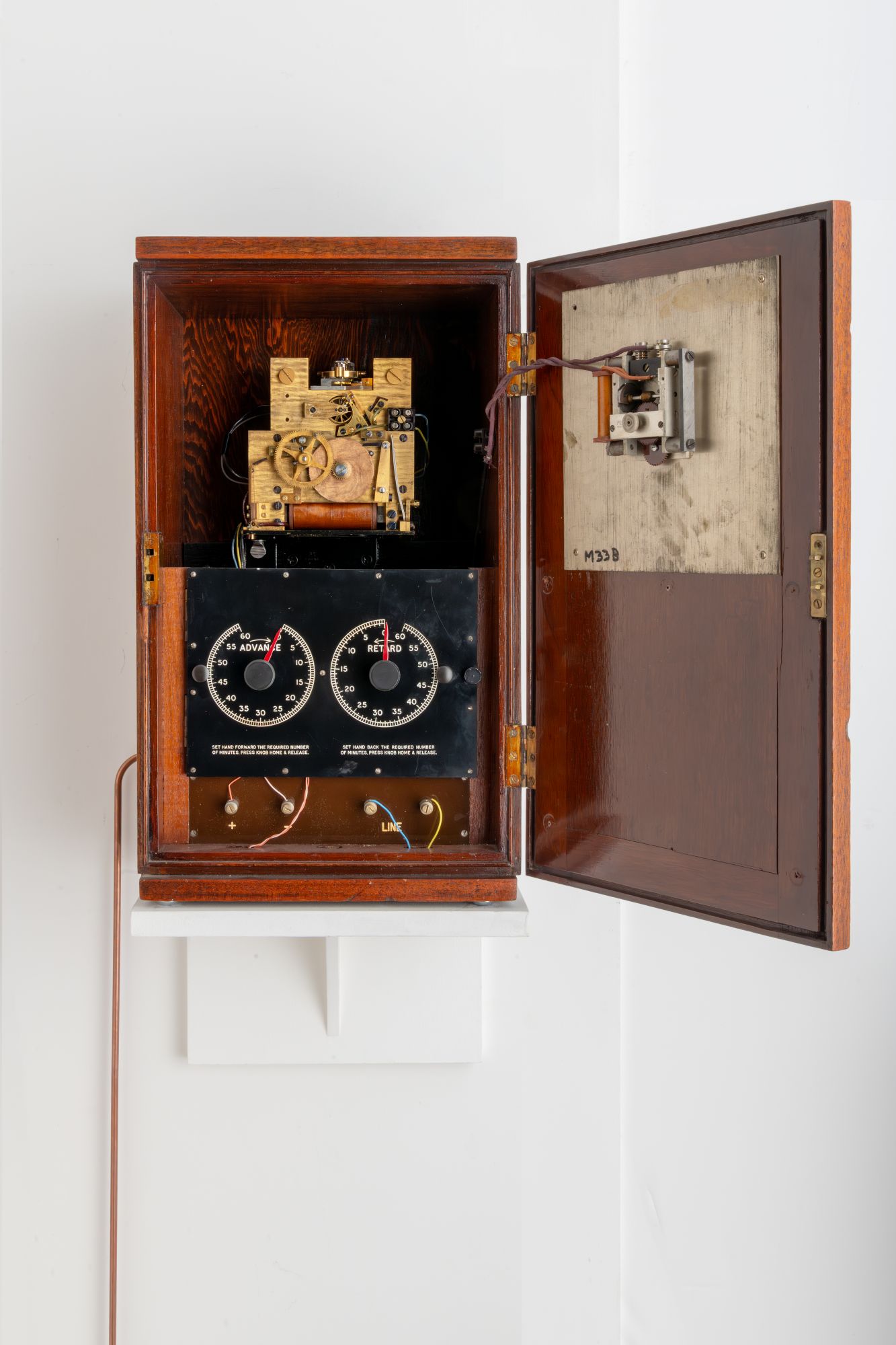
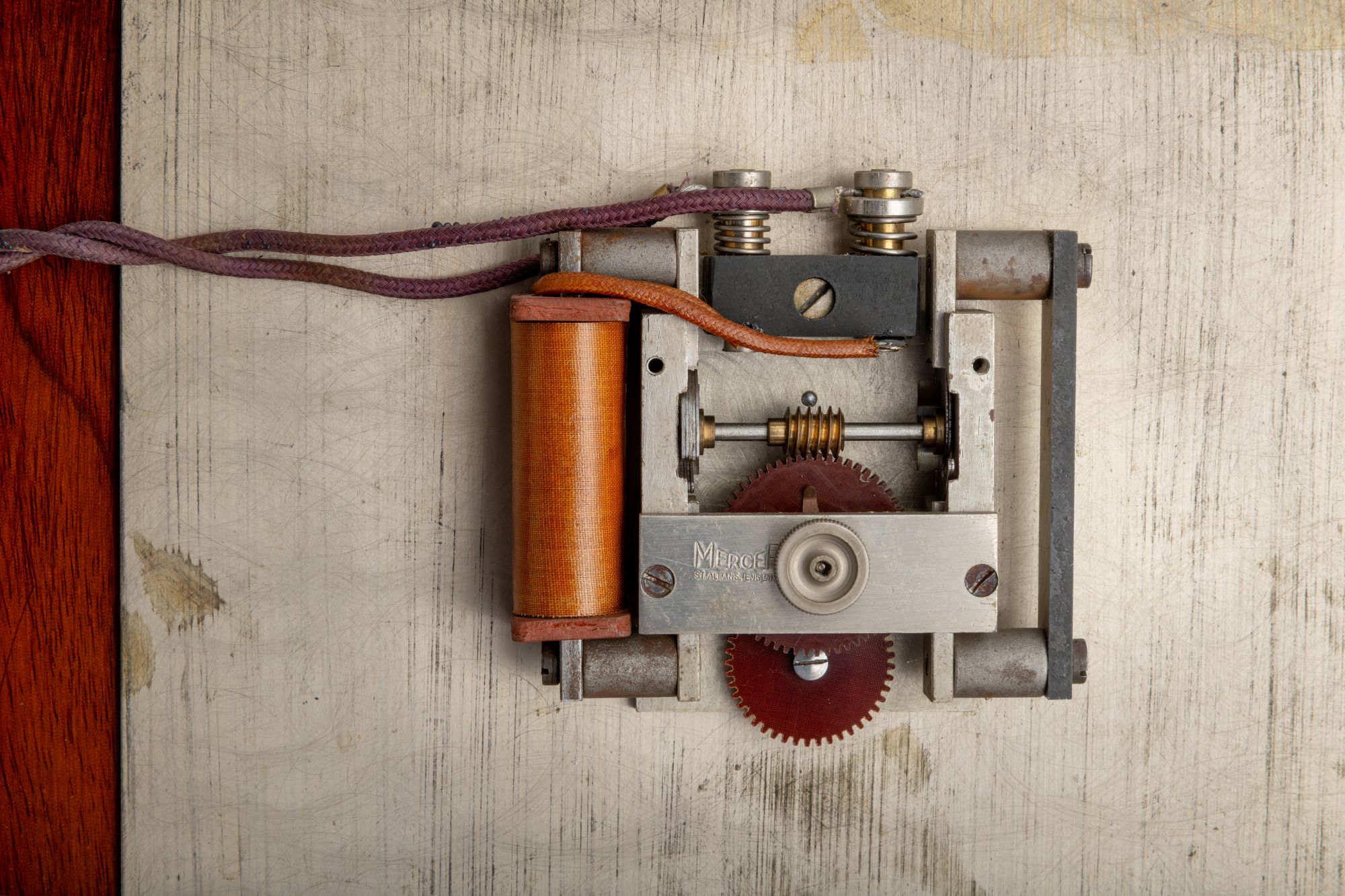
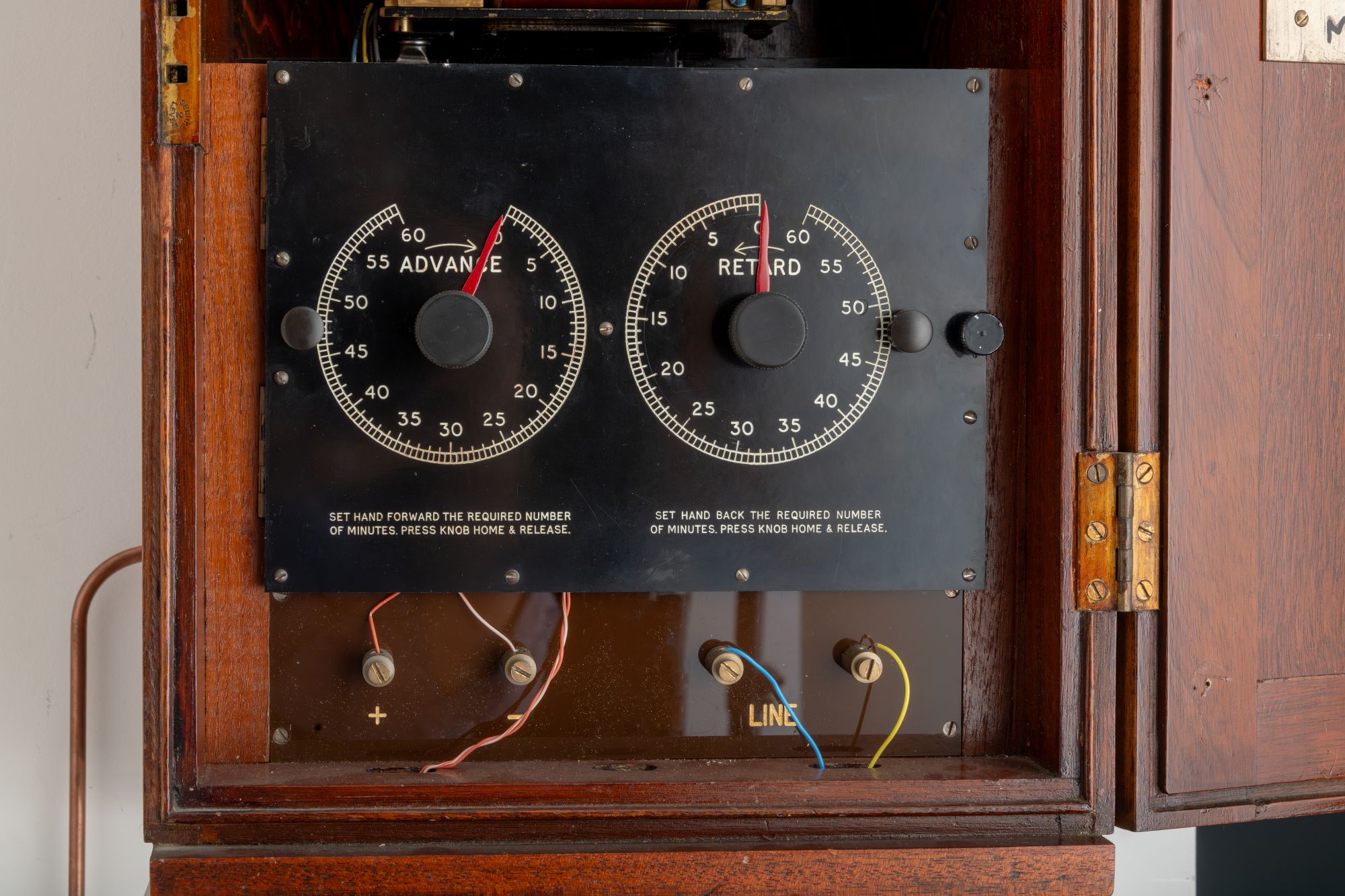
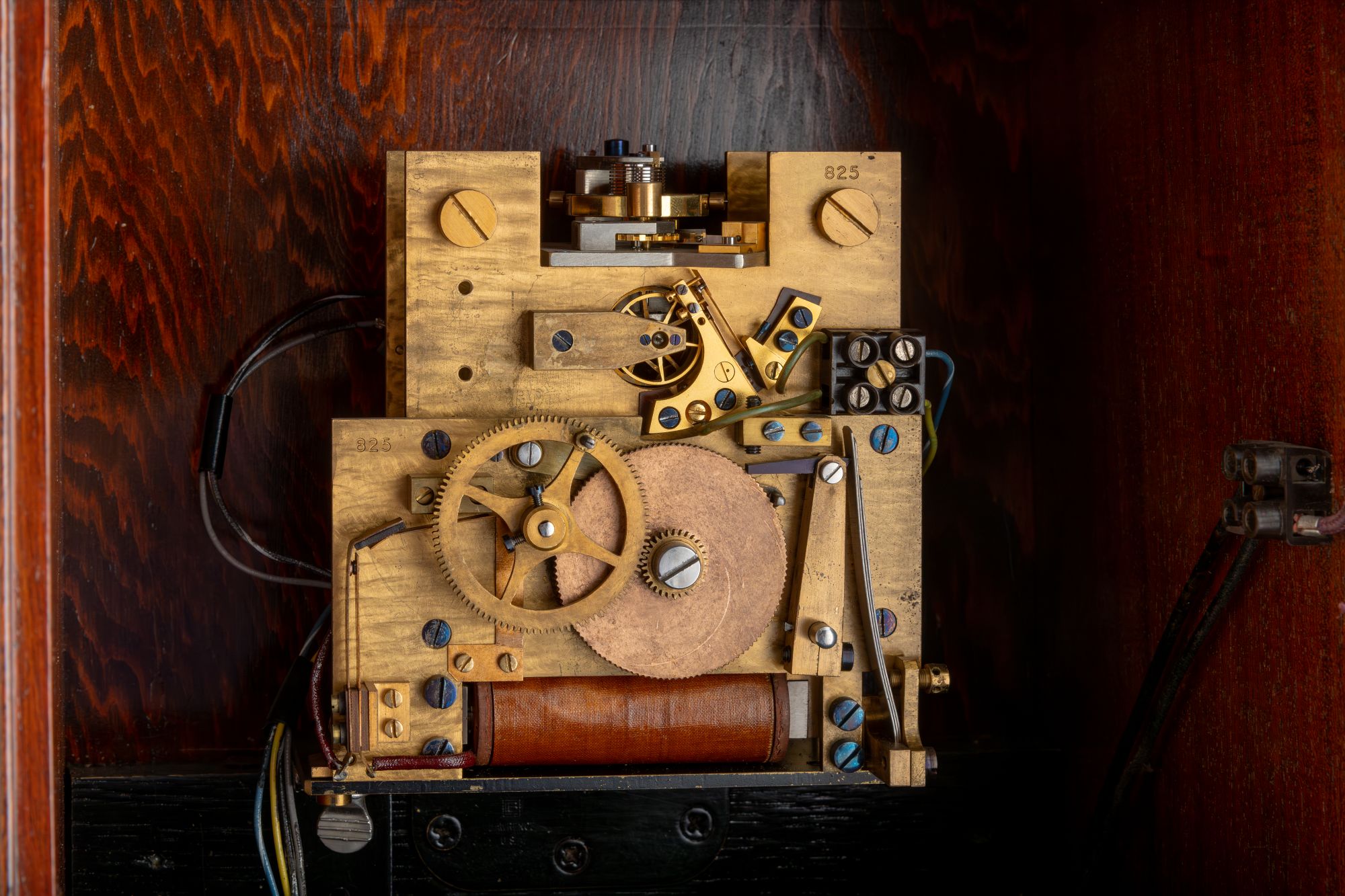
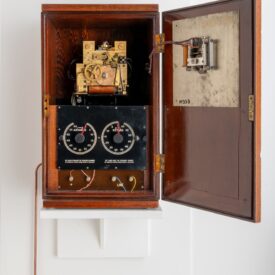
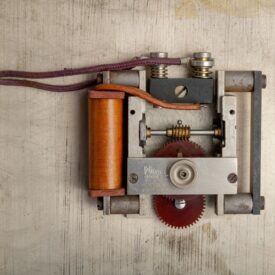
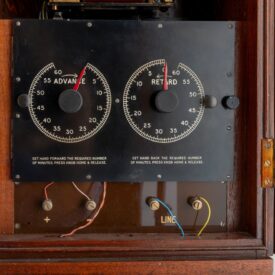
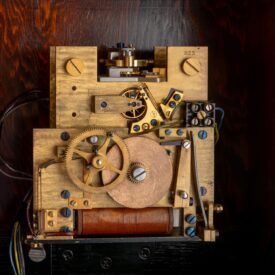
In a nod to their chronometer heritage, Mercer transmitters deploy a high-quality spring detent platform escapement. The advance / retard process is also much simpler than Magneta in 1908. Queuing up the required time change sends time impulses around the system once a second, instead of once a minute, effectively speeding the secondary clocks up. To retard the clocks, the passenger dials are taken out of the circuit while the system counts down the time adjustment.
On the Queen Mary, a Mercer system of this type was able to control an astonishing 590 clocks.
Naval tactics
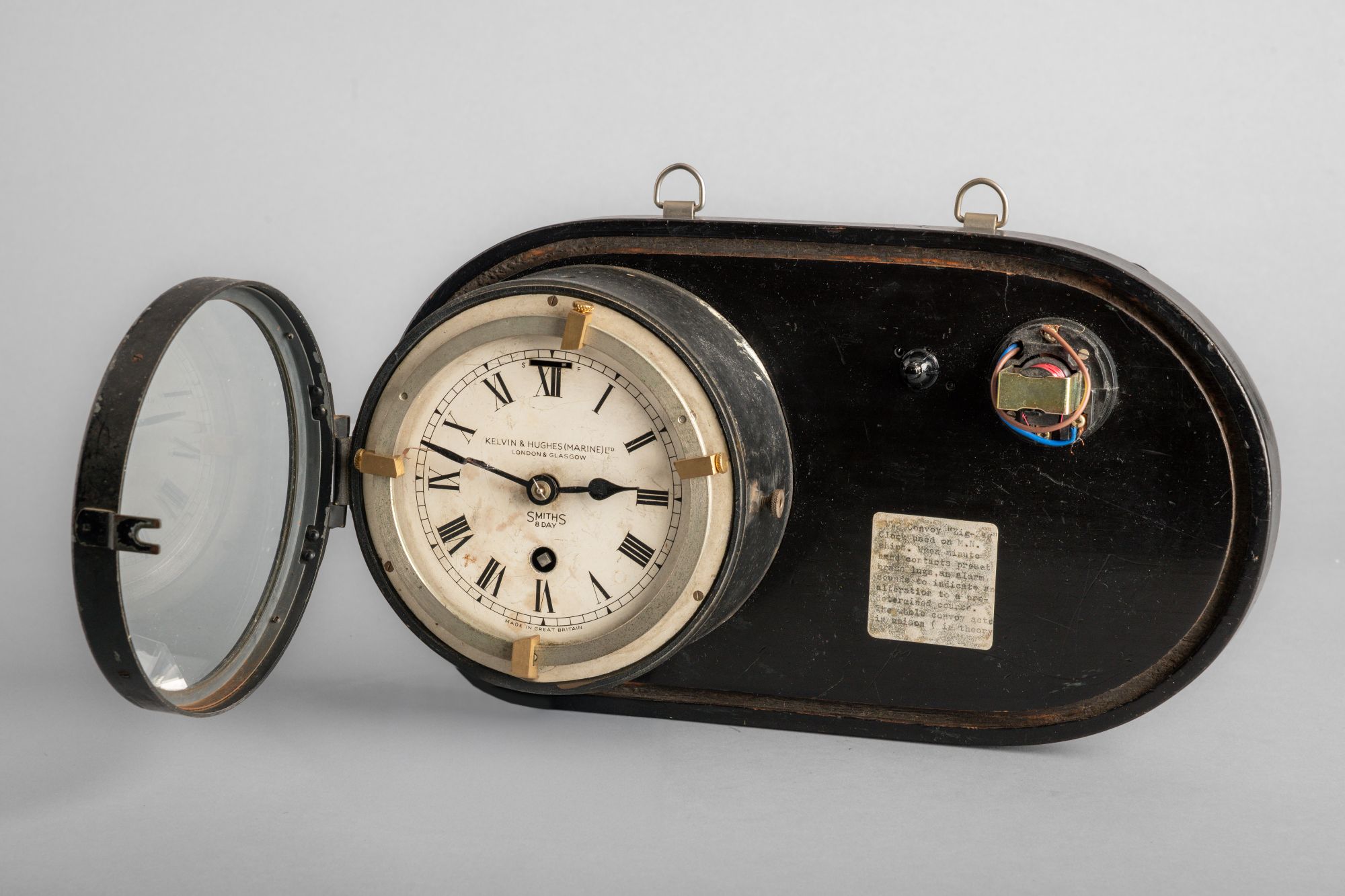
Electric clocks could also be used to communicate between ships at moments when traditional flag signals might be too risky. This ‘zig zag’ clock manufactured by Kelvin & Hughes, in collaboration with Smiths, is an example of a tactic widely used by the British Navy in the First and Second World Wars.

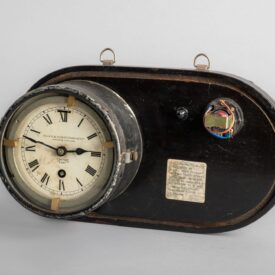
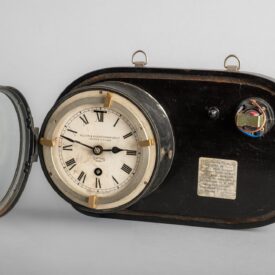
Throughout both wars, large convoys of ships frequently brought soldiers, goods and food supplies to the Allies. However, travelling en masse made these huge ships vulnerable to enemy submarine attacks.
The Navy’s solution was to ‘zig zag’ across the sea: the convoy would change course in an unpredictable pattern every 10 to 20 to 40 minutes.
This had to be centrally controlled. Accordingly, the Navy issued one of these spring-wound clocks to each captain, and it effectively functioned as an alarm clock.
At the start of the passage, the zig zag plan would be distributed in secret. Each captain would move the lugs on the zig zag clock into the instructed position, and set it going. As they travelled, time would elapse, and when the minute hand swept past each lug, a long spring would close a contact and trigger a buzzer. The buzzer alerted the bridge to change course. Provided the same thing happened simultaneously across the convoy, the entire flotilla would move seamlessly as one.
This ingenious solution was ultimately scuppered by improvements in guided missiles and long-range torpedoes; a reminder that technology is always something of an arms race – and that, for all our innovation, man’s control of the sea has always been rather contingent.