How electric clocks made networked time.
Today, we take synchronised time for granted: our phones, computers and digital timekeepers are silently updated by satellites or radio waves, and we have one time across the country, no matter where we are.
It hasn’t always been like this. For centuries, people ran their mechanical clocks and watches on ‘local time’, going by the position of the sun. This created a hodge-podge of times across the country, since in the UK, there is a ‘local time’ difference of approximately 30 minutes coast to coast.
In the 1830s and 40s there were two big developments that changed all this: the railways, and the electric telegraph. The first public passenger train departed in 1825, and telegraph networks sprang up alongside many railway lines – the first public system was introduced in 1837 by Charles Wheatstone and William Cooke.
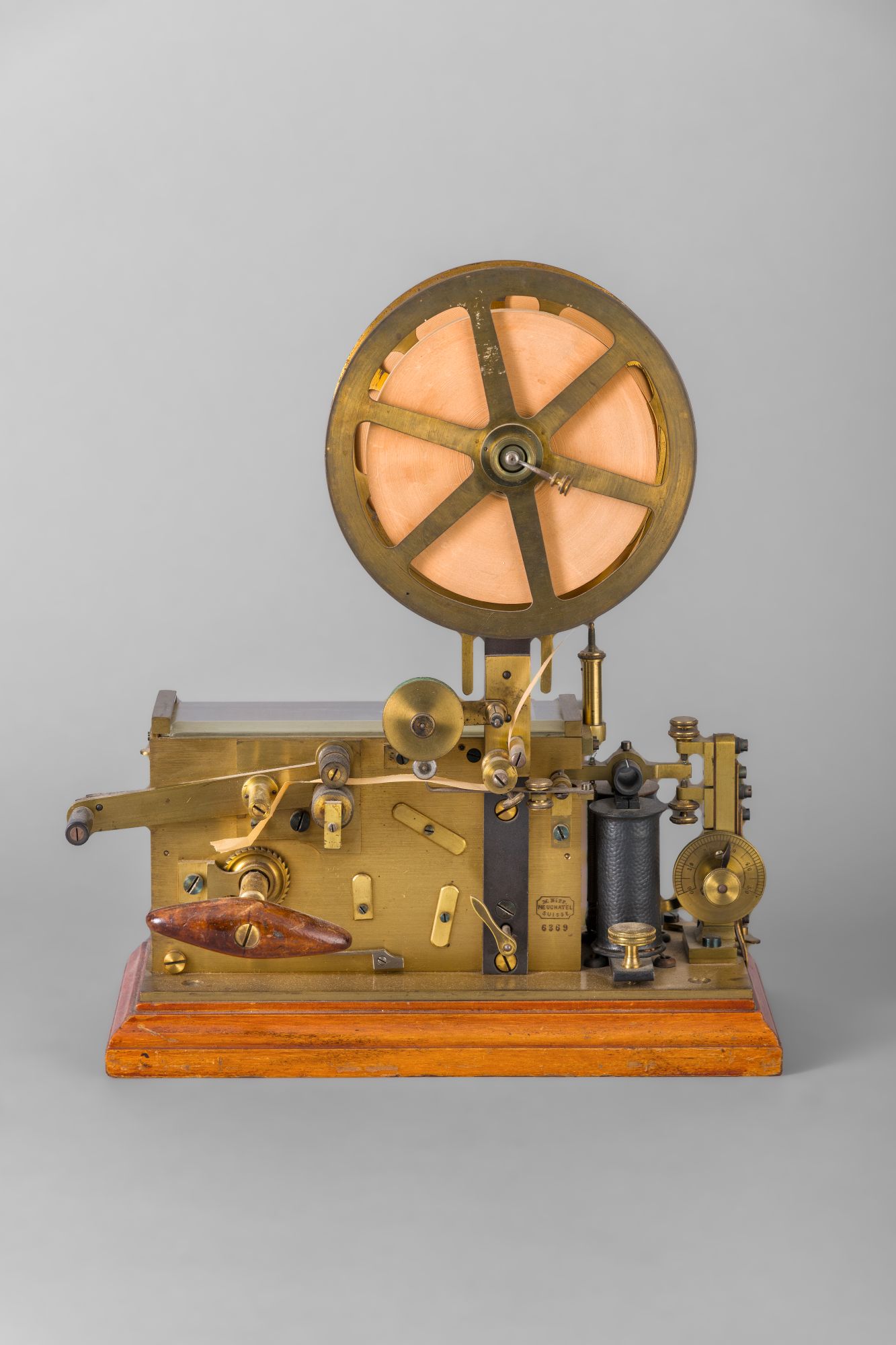
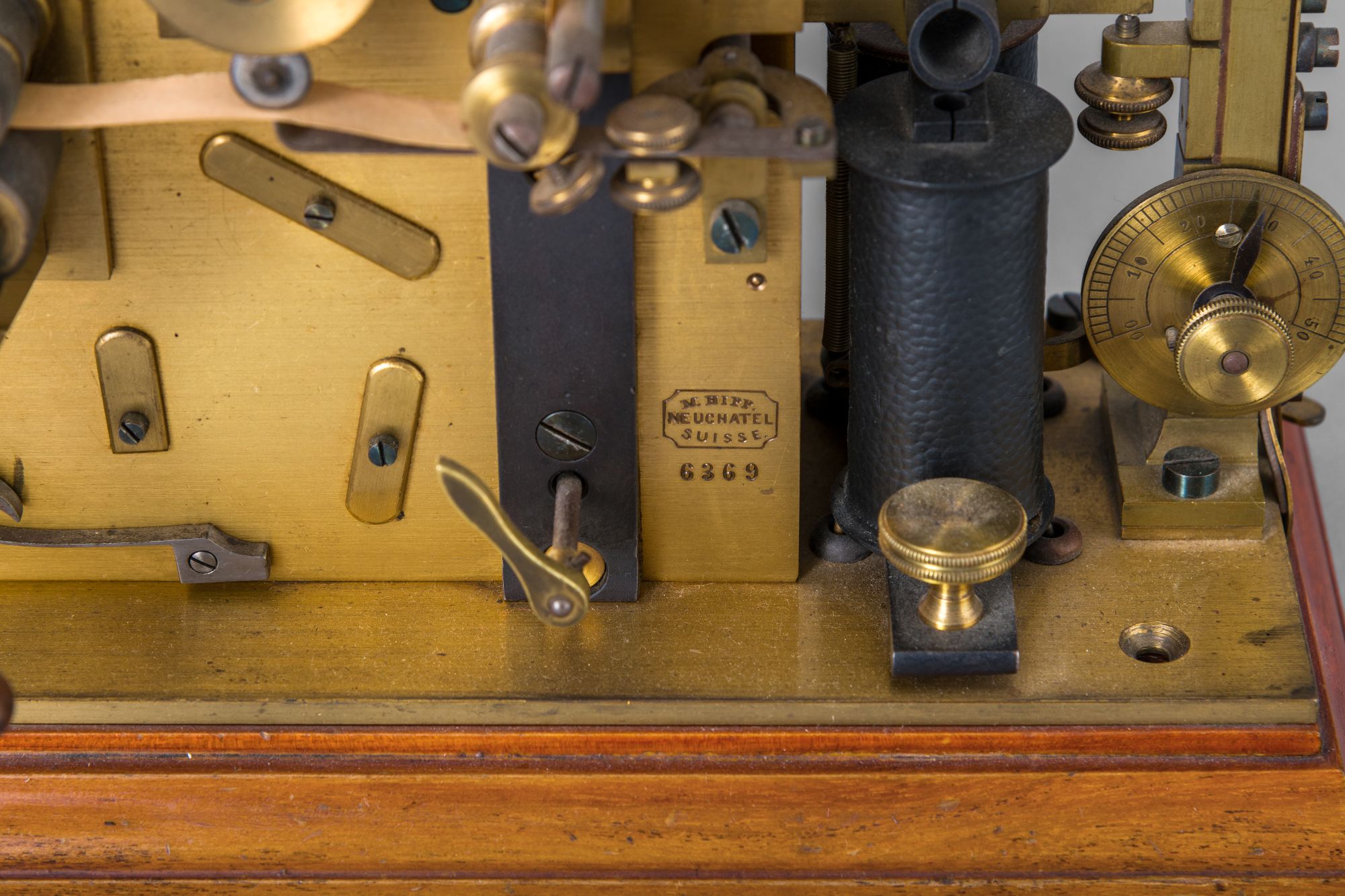
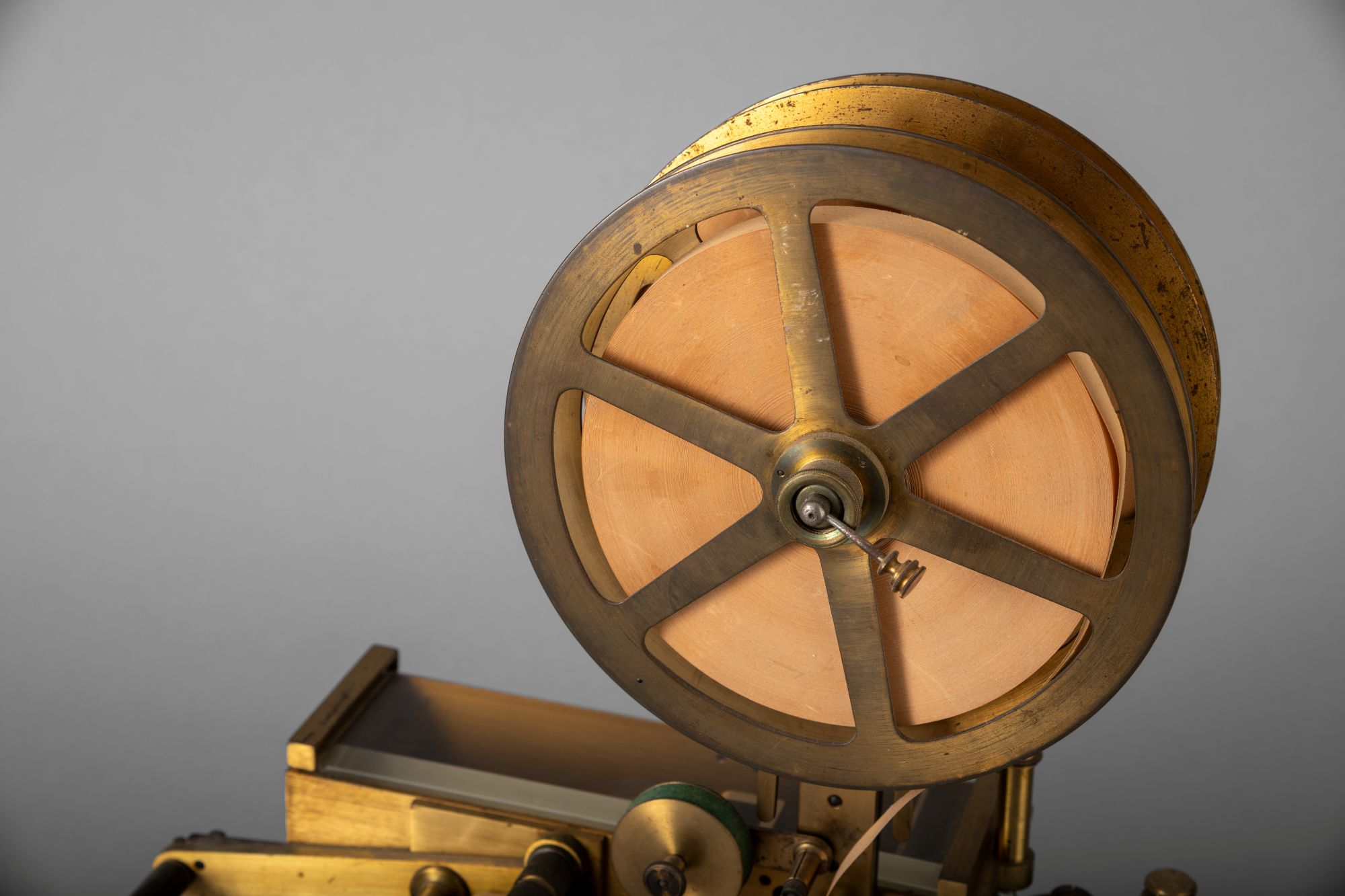
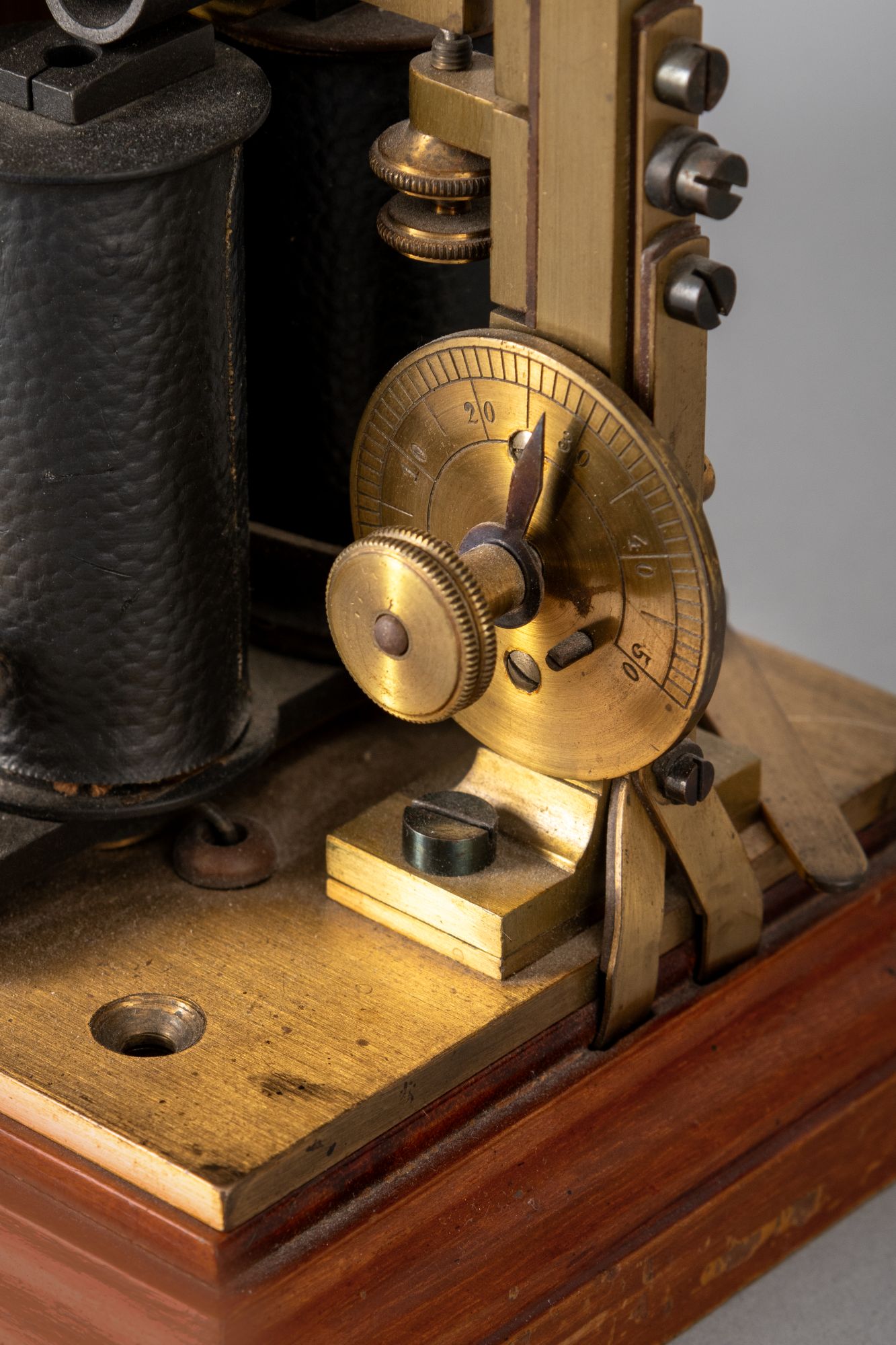
As transport and communication networks expanded, the natural mismatch in local times across the country suddenly became visible, and problematic, to a degree that was previously unprecedented.
Almost immediately, those most affected – telegraph companies, railway lines and the Post Office – began lobbying for time standardisation.
Railway time
In November 1840, the Great Western Railway ordered that London time should be kept at all stations and in all its timetables; on 22 September 1847, the Railway Clearing House also resolved to adopt Greenwich Mean Time (GMT); the remaining individual lines followed.
Though GMT was increasingly now official, it had not yet achieved total penetration: informally, many towns, villages and individuals continued operating on two simultaneous time systems. It was not until 1880 that GMT was formally adopted as the time standard for Britain, with the Statutes (Definition of Time) Act of 1880.
By this point, the problem of time distribution had become an essential component of much exploration within horology as a whole.
Hybrid systems
Rather than adopting electrical clocks wholesale, many people deployed hybrid approaches to create synchronised networks.
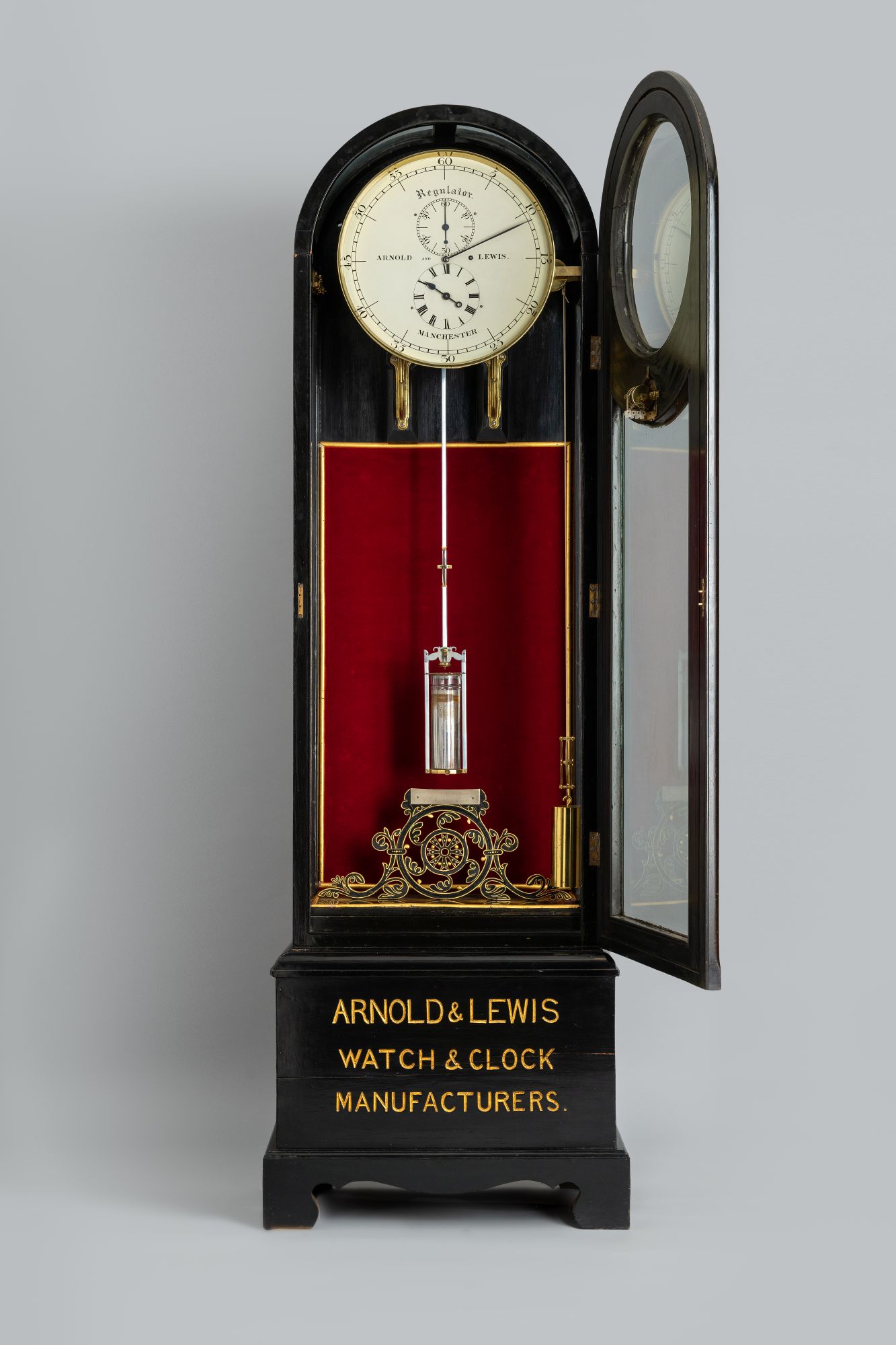
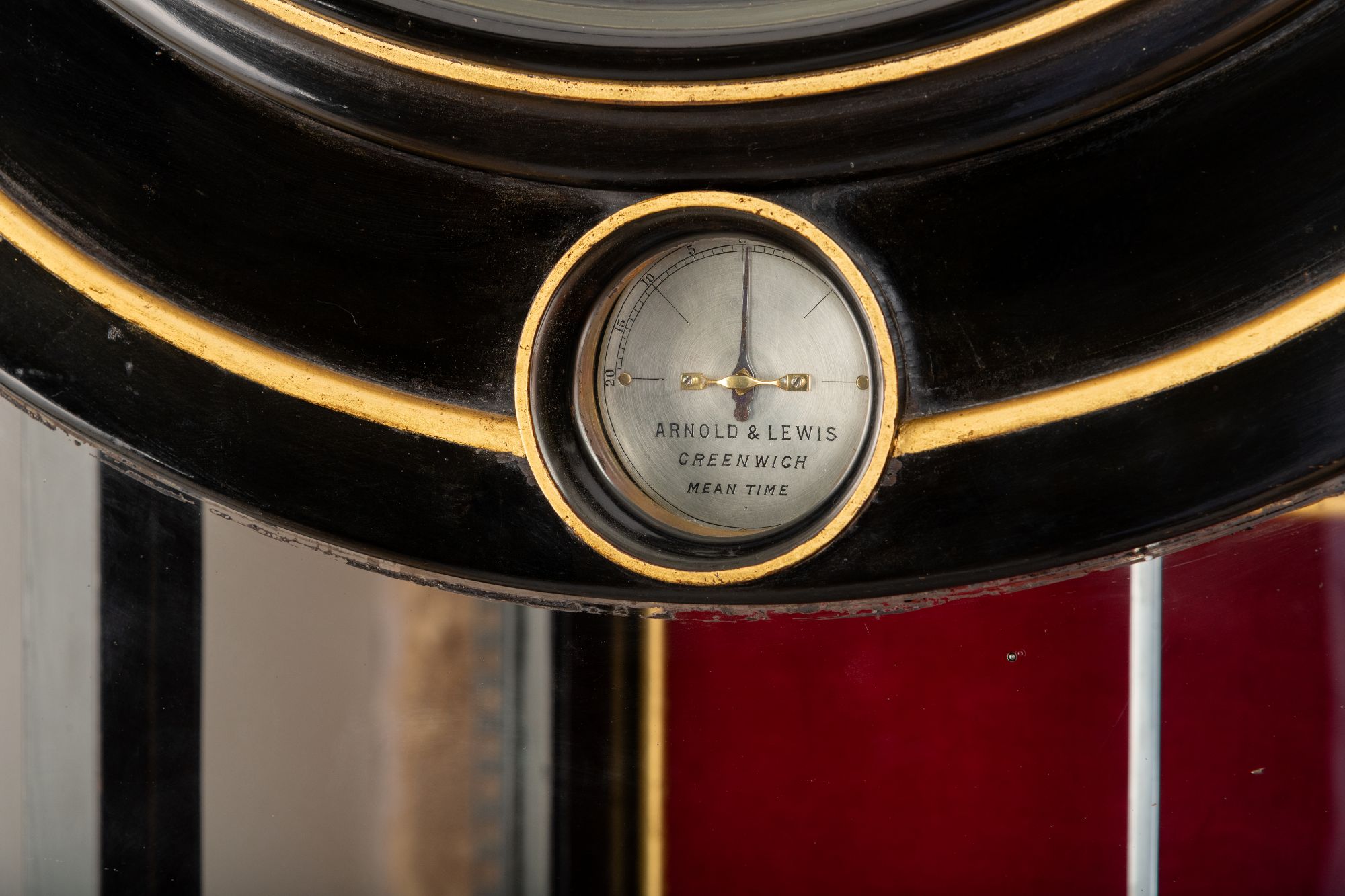
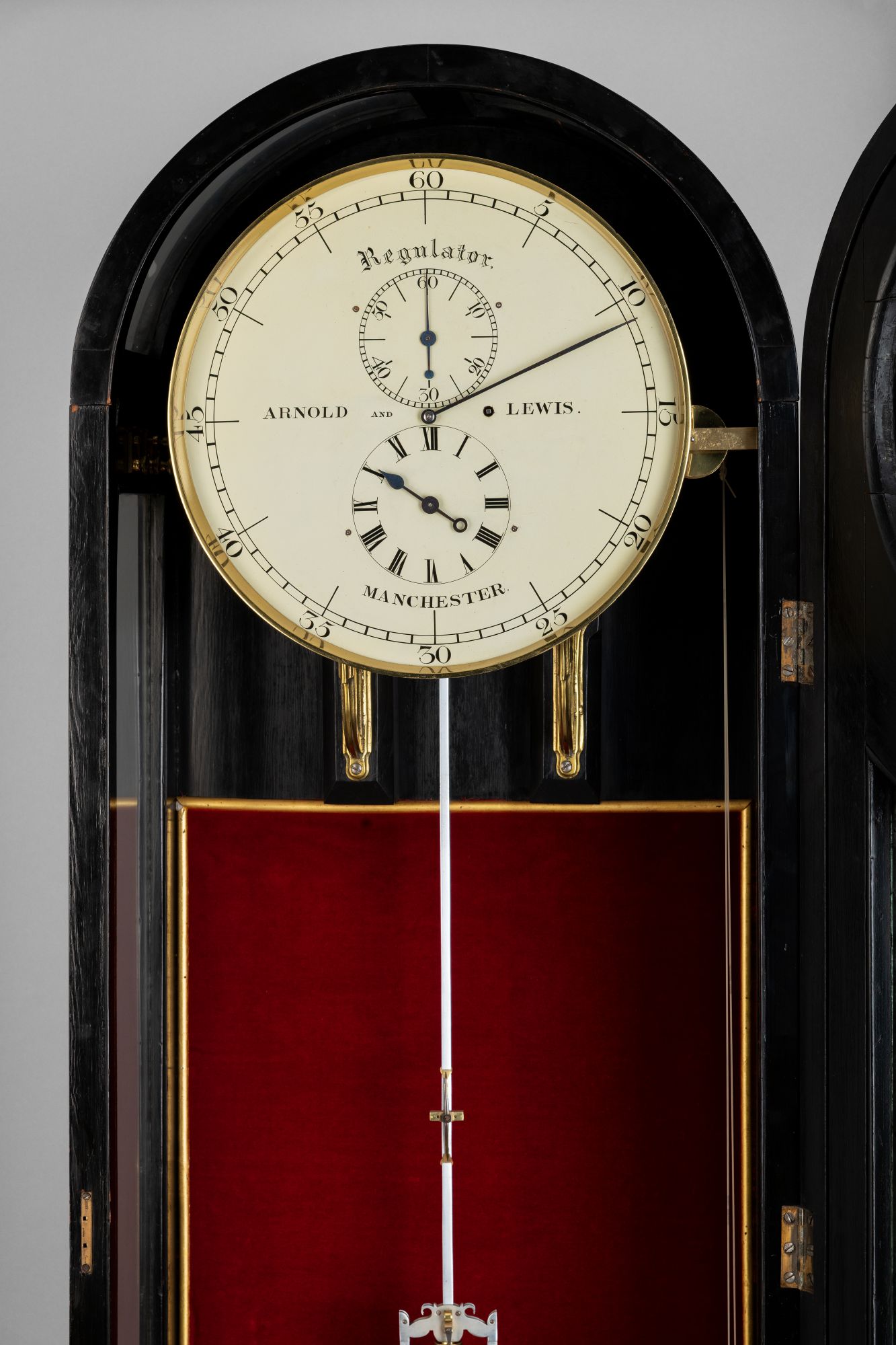
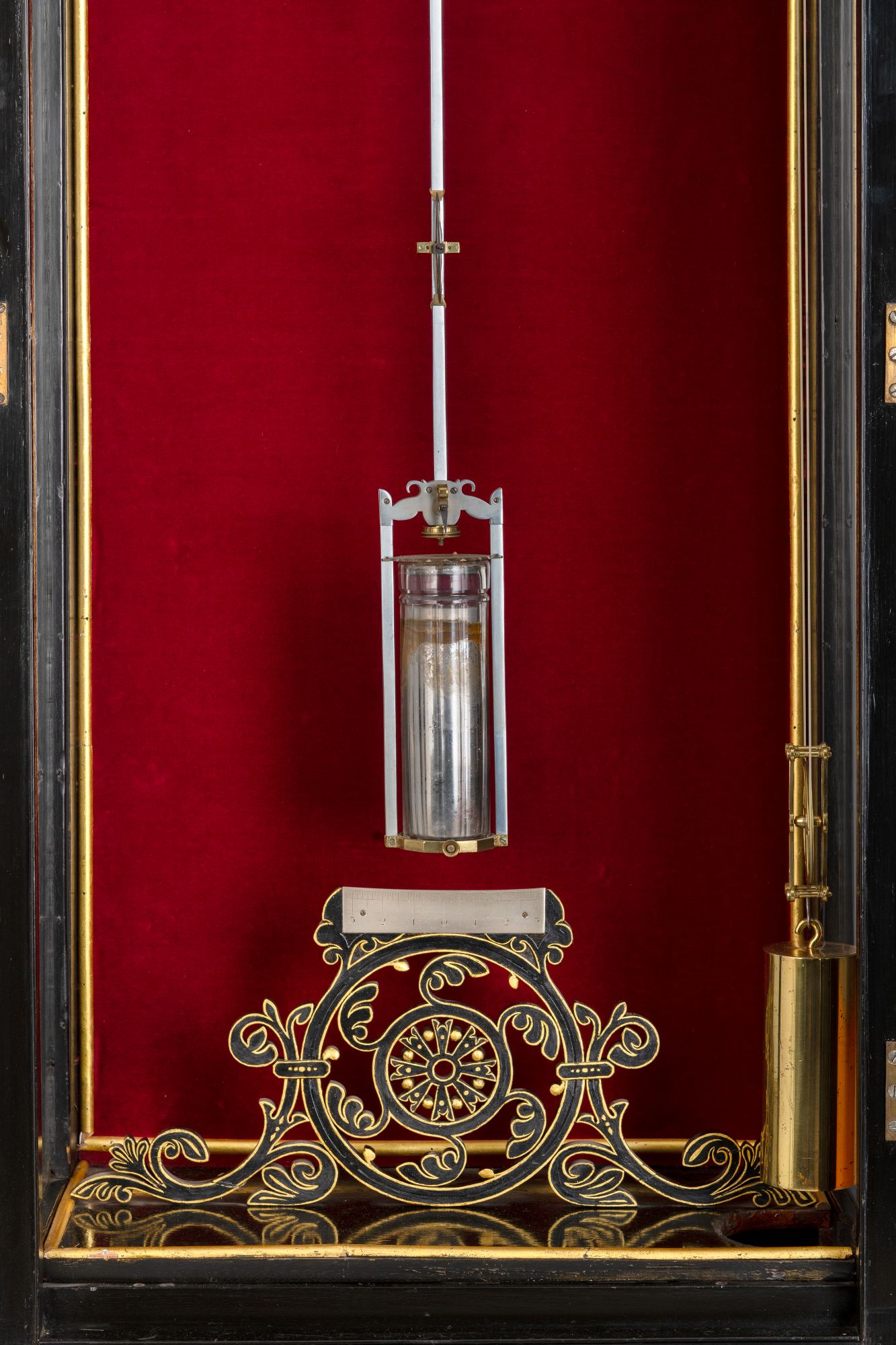
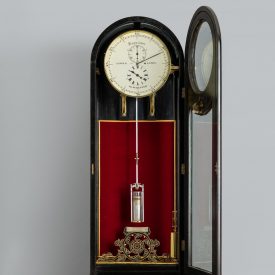
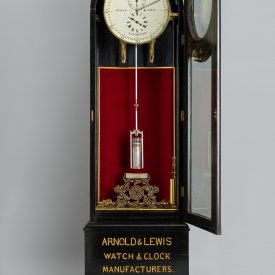
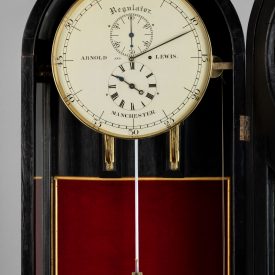
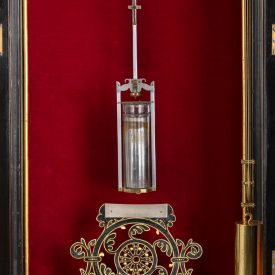
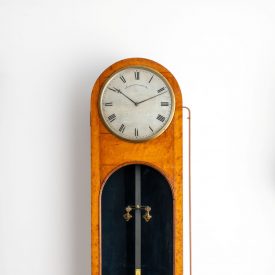
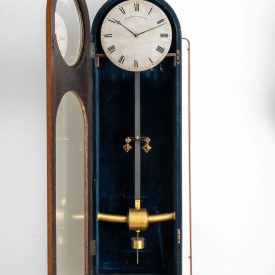
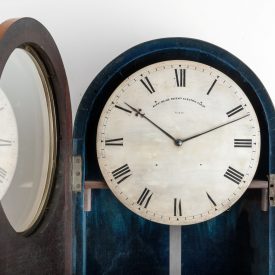
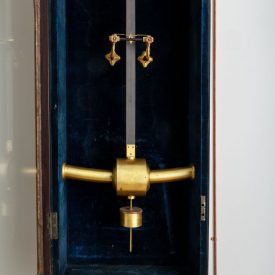
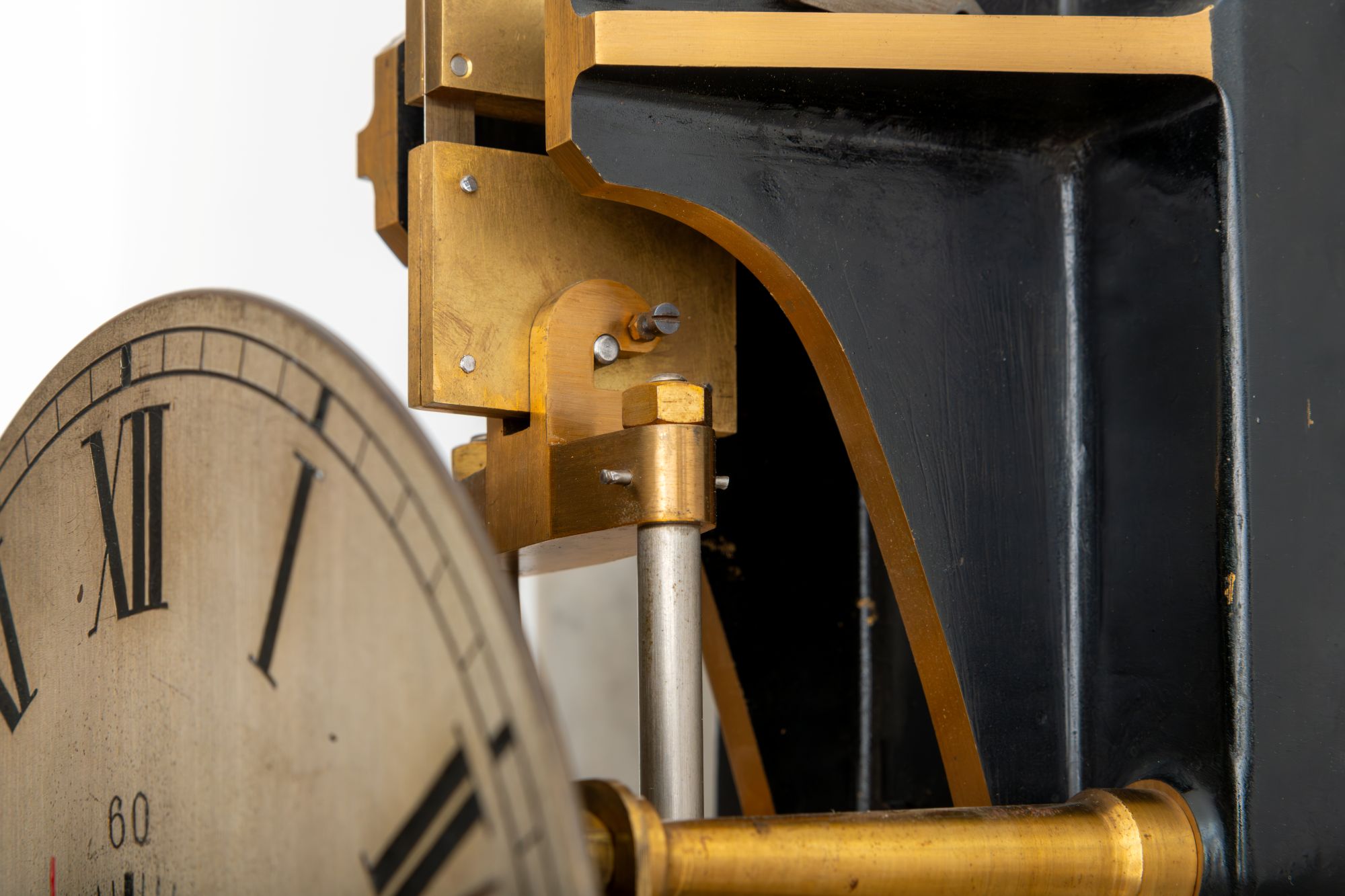
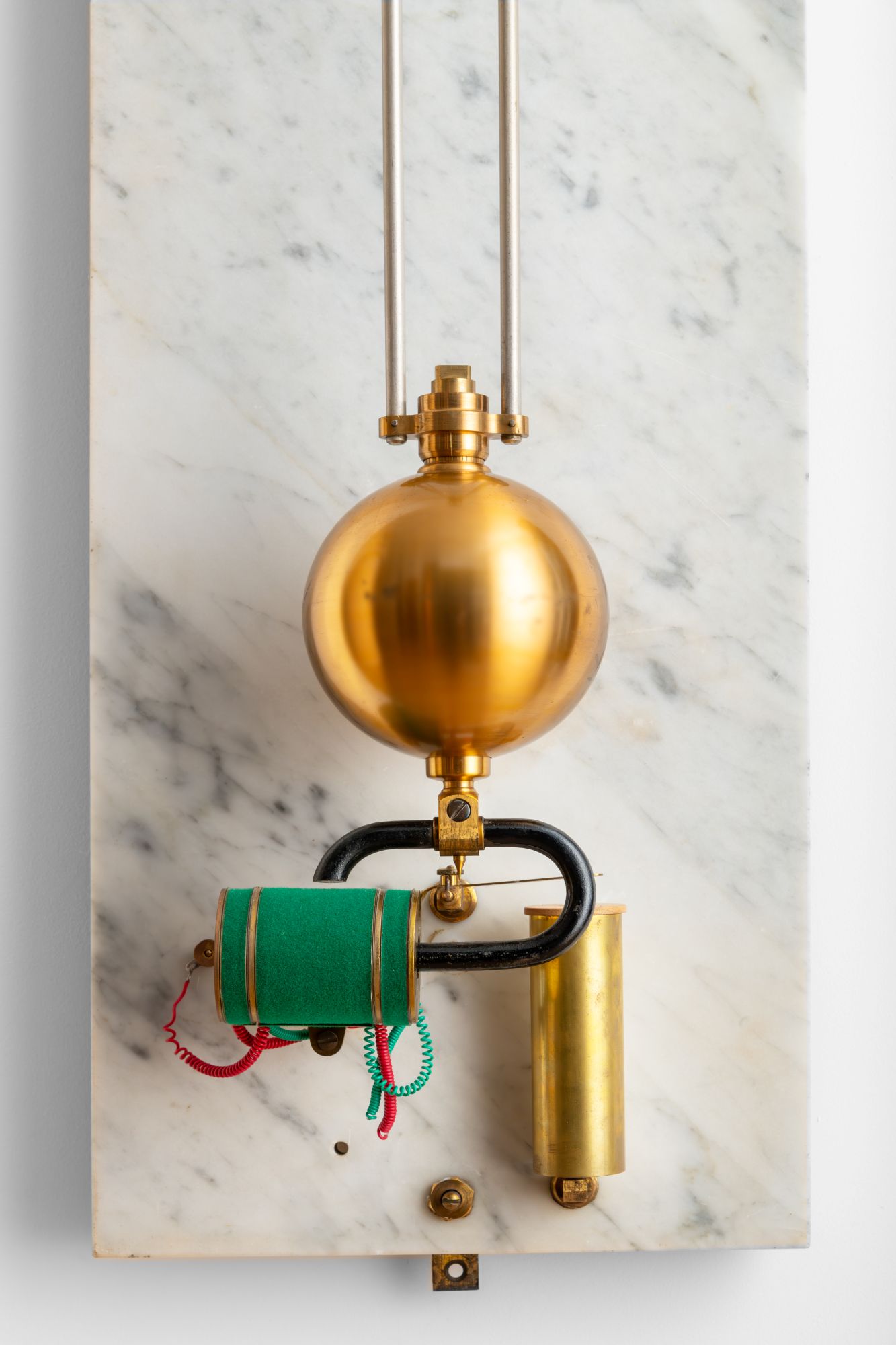
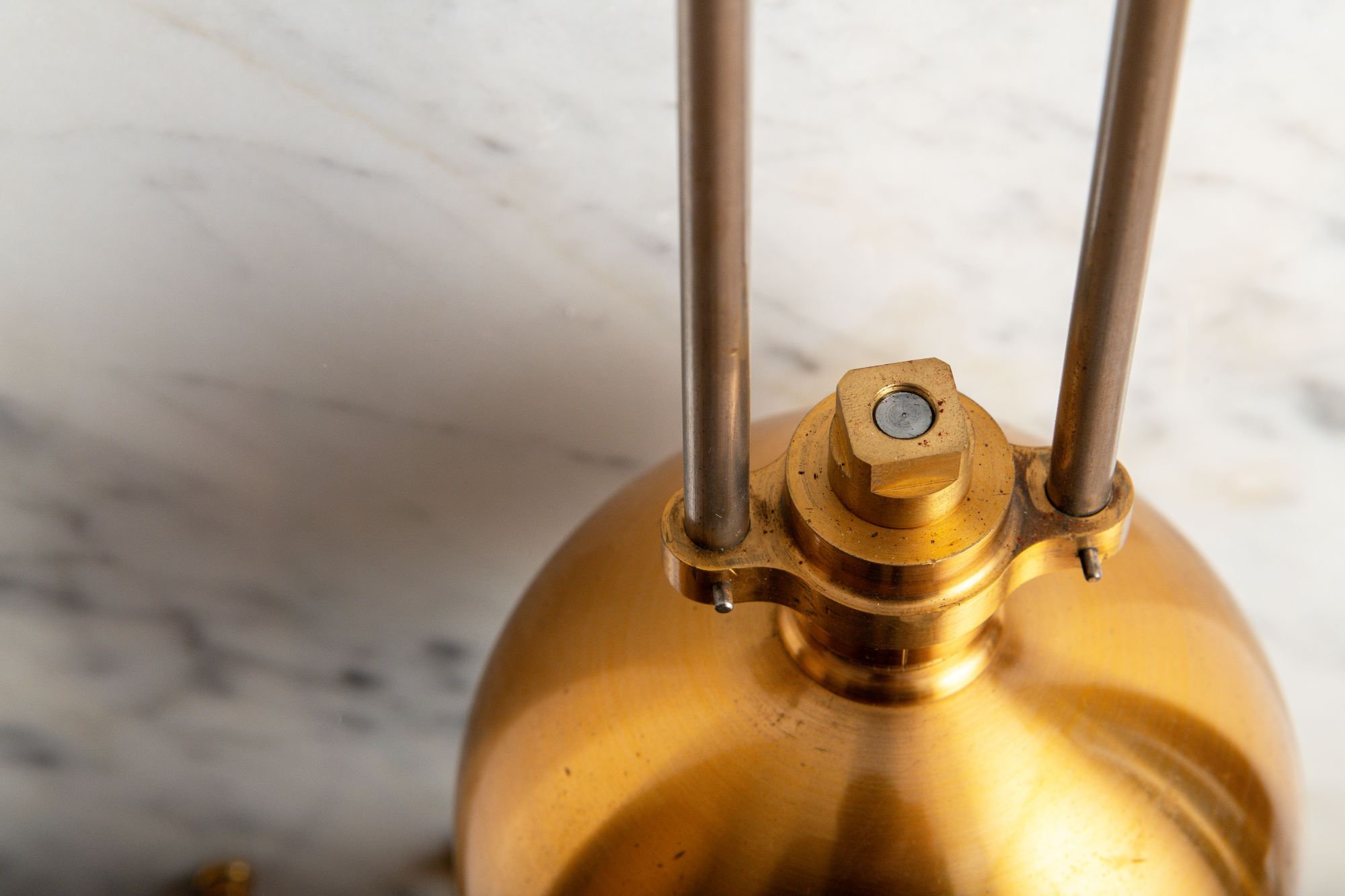
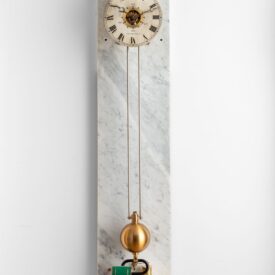
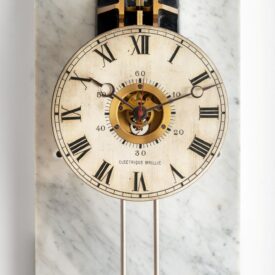
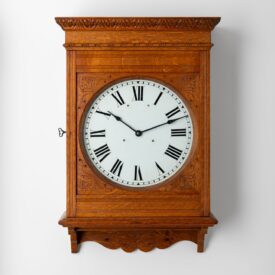
From 1852, the Astronomer Royal, George Airy, began distributing GMT via telegraph to a network of subscribers. One of these subscribers was the Manchester jeweller Arnold & Lewis, who installed a high-quality mechanical clock almost immediately on arriving at their new business premises in 1872.
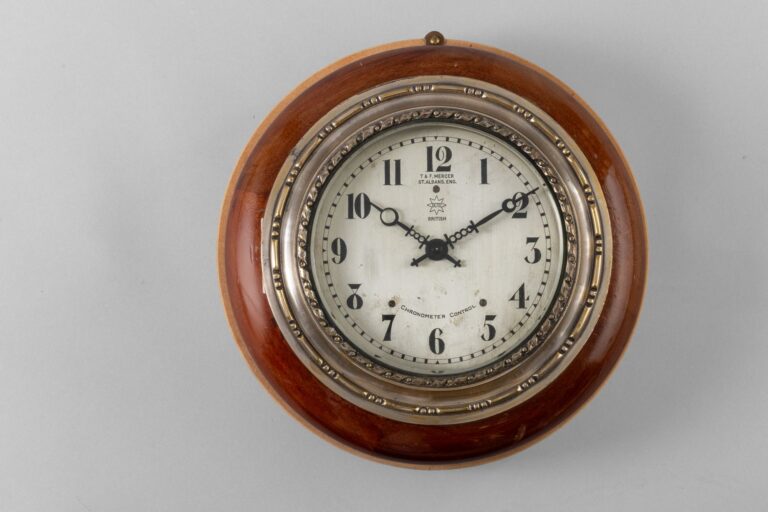
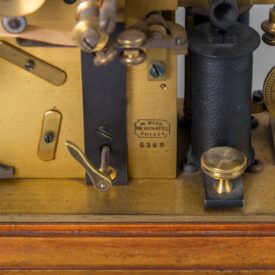
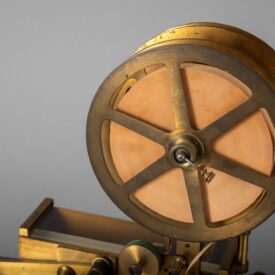
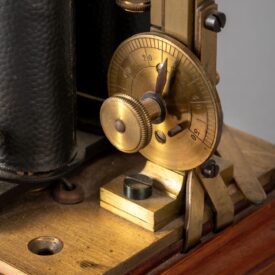
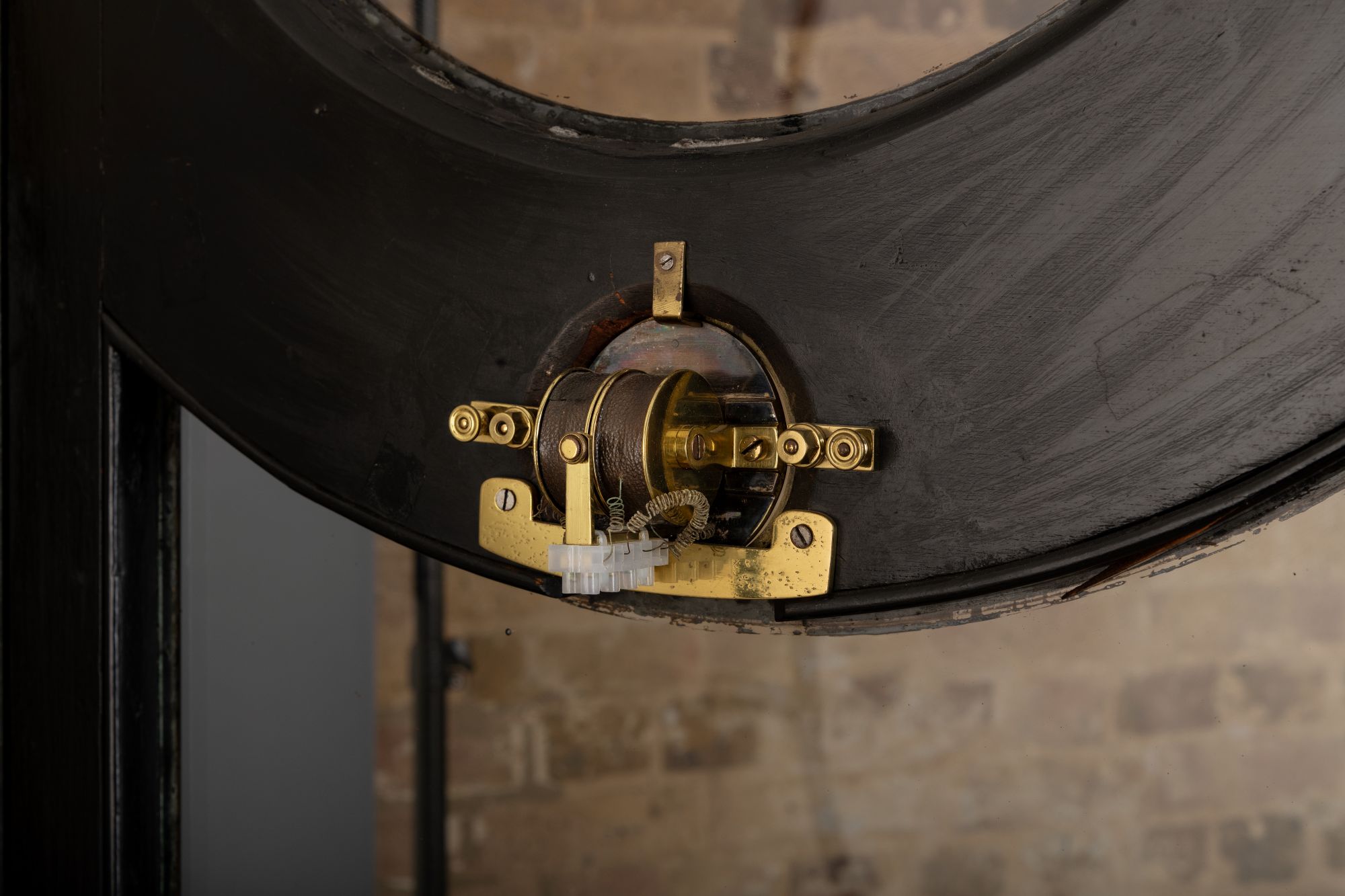
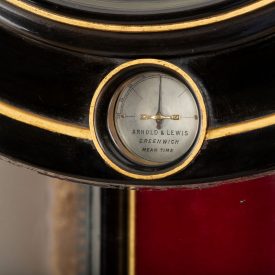
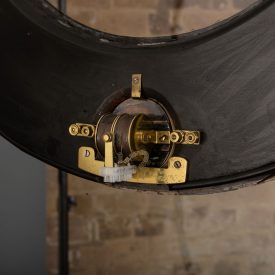
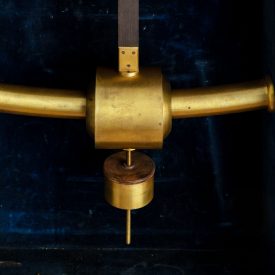
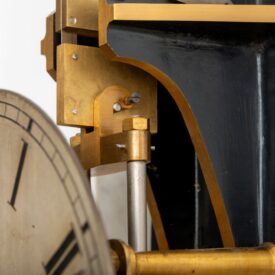
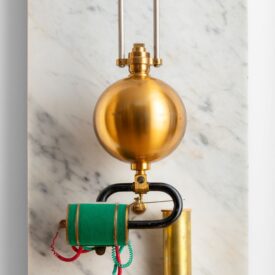
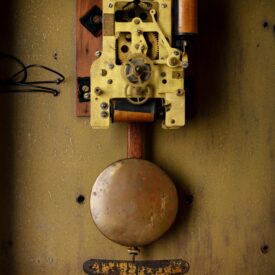
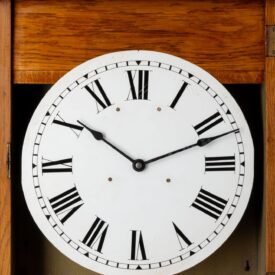
On the front of the case, a galvanometer dial is connected to an electrical circuit. The needle on the dial deflects whenever a current is detected. This happened every day at 10am, as the Greenwich time signal came in. Staff would check the clock and – if necessary – adjust it: synchronised time, done manually.

Networked clocks
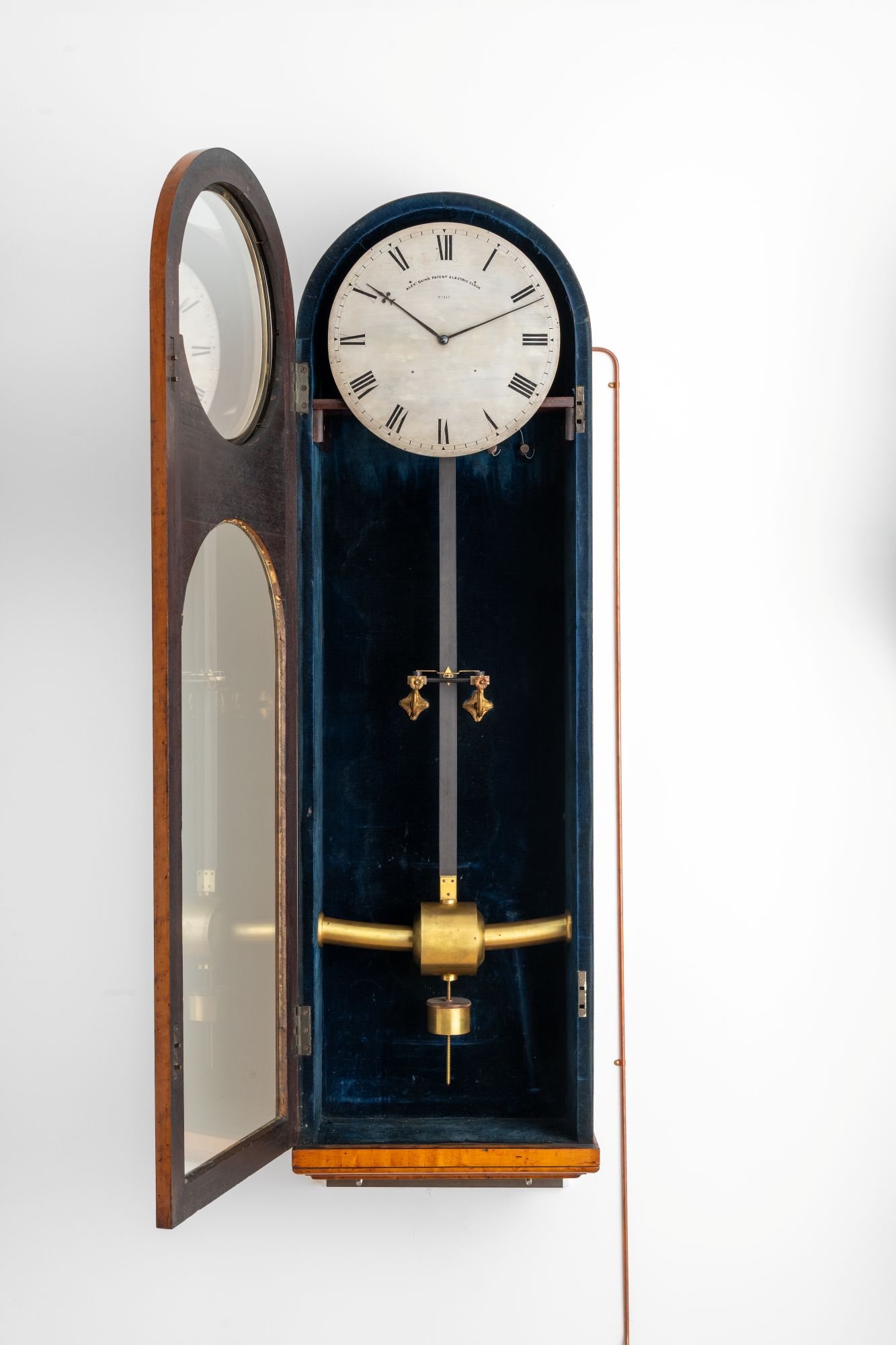
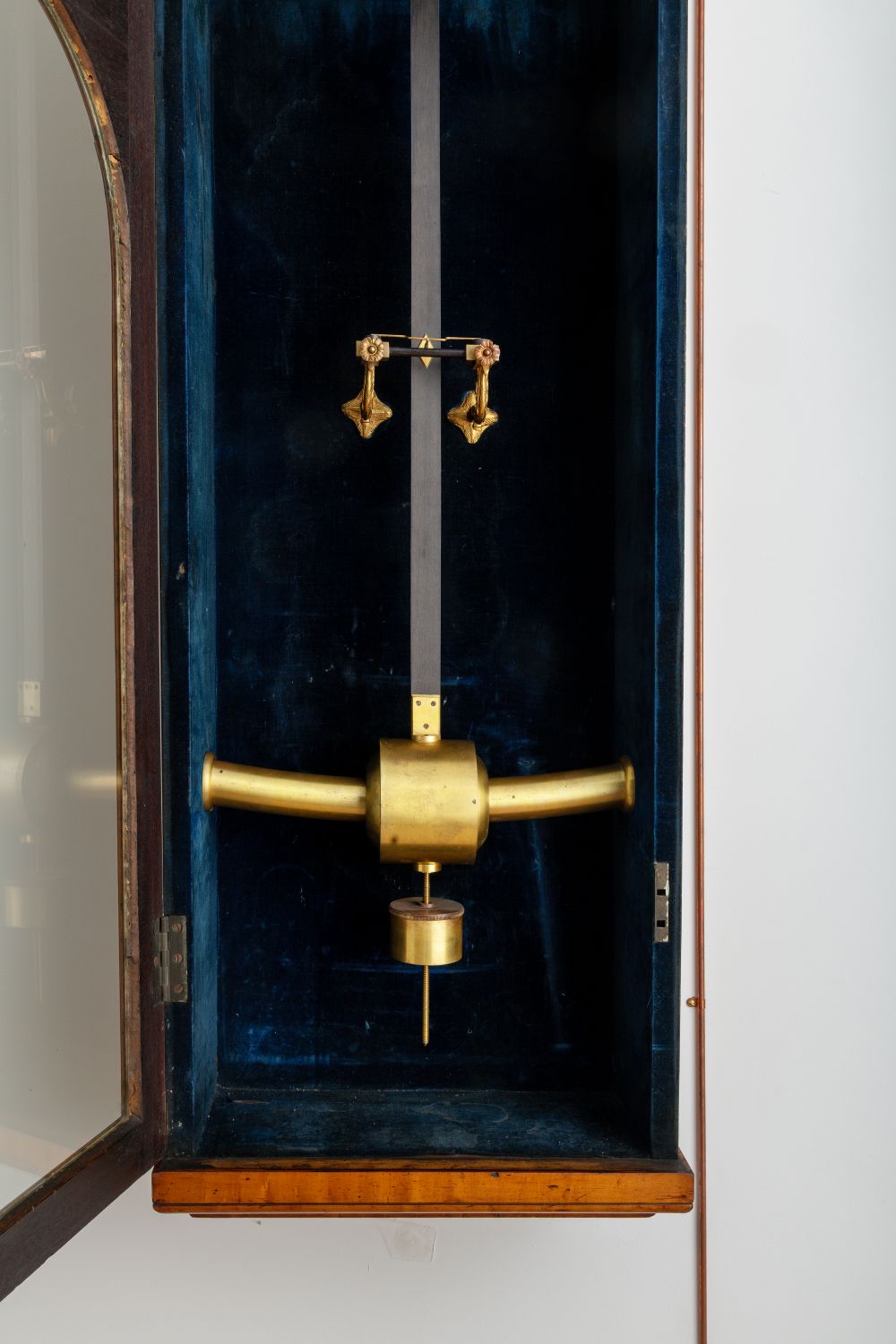
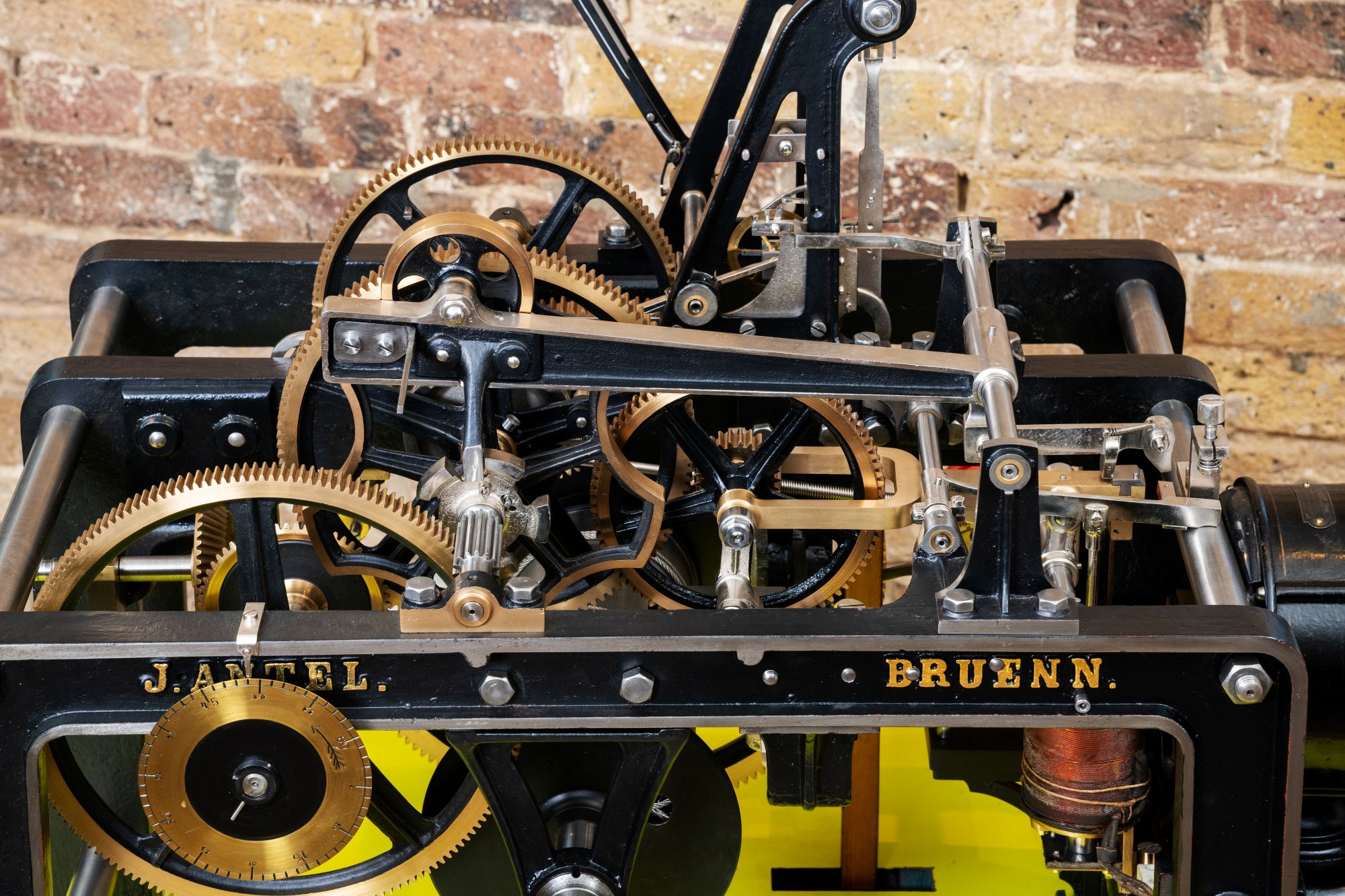
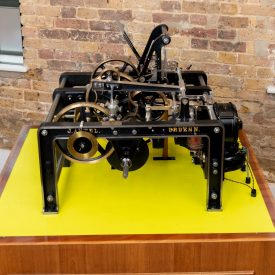
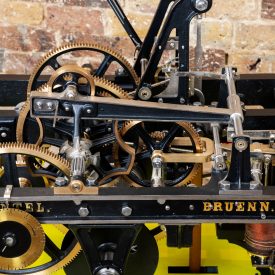
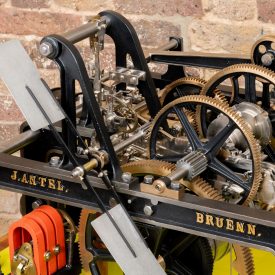
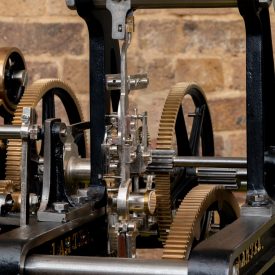
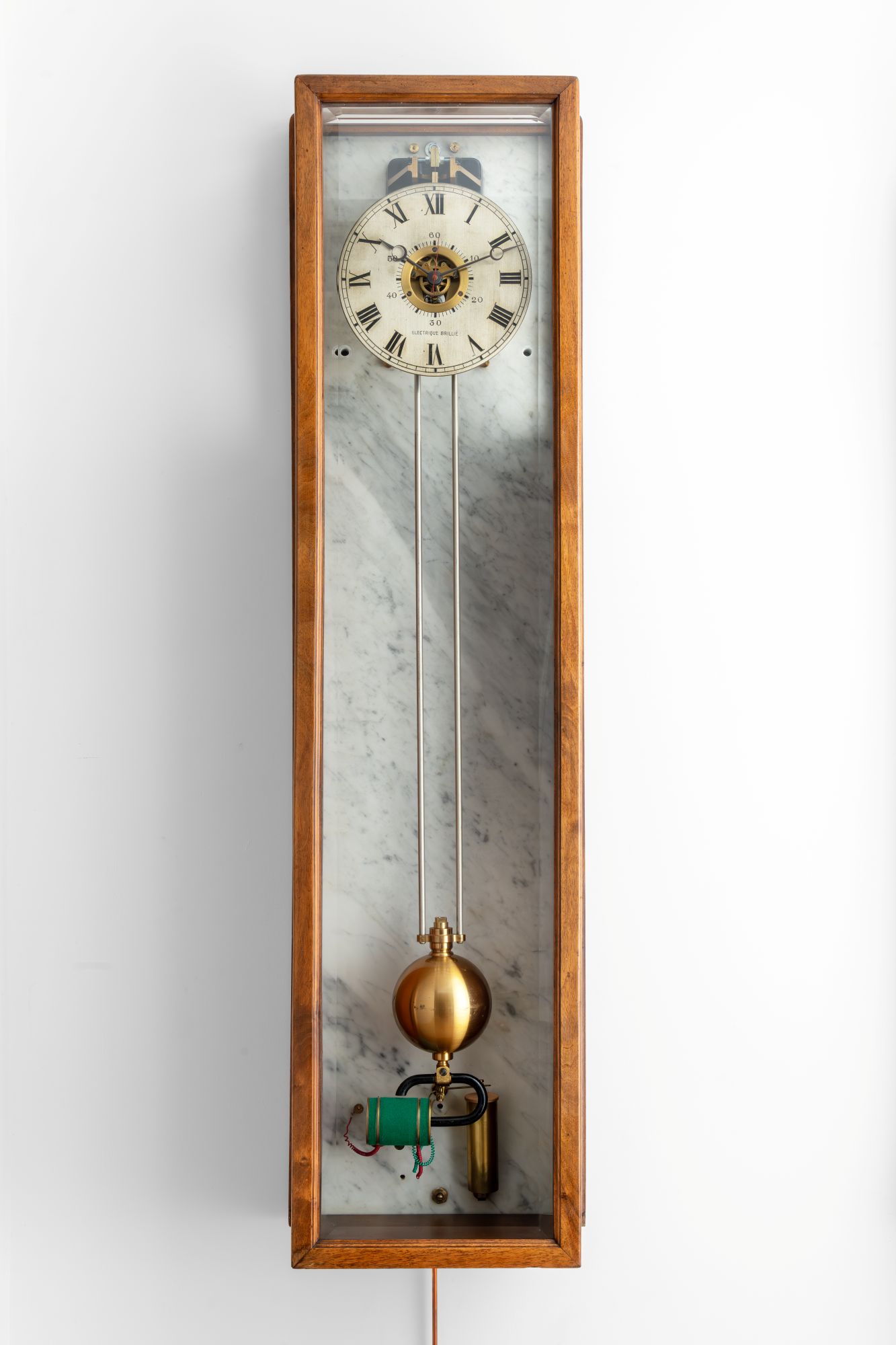
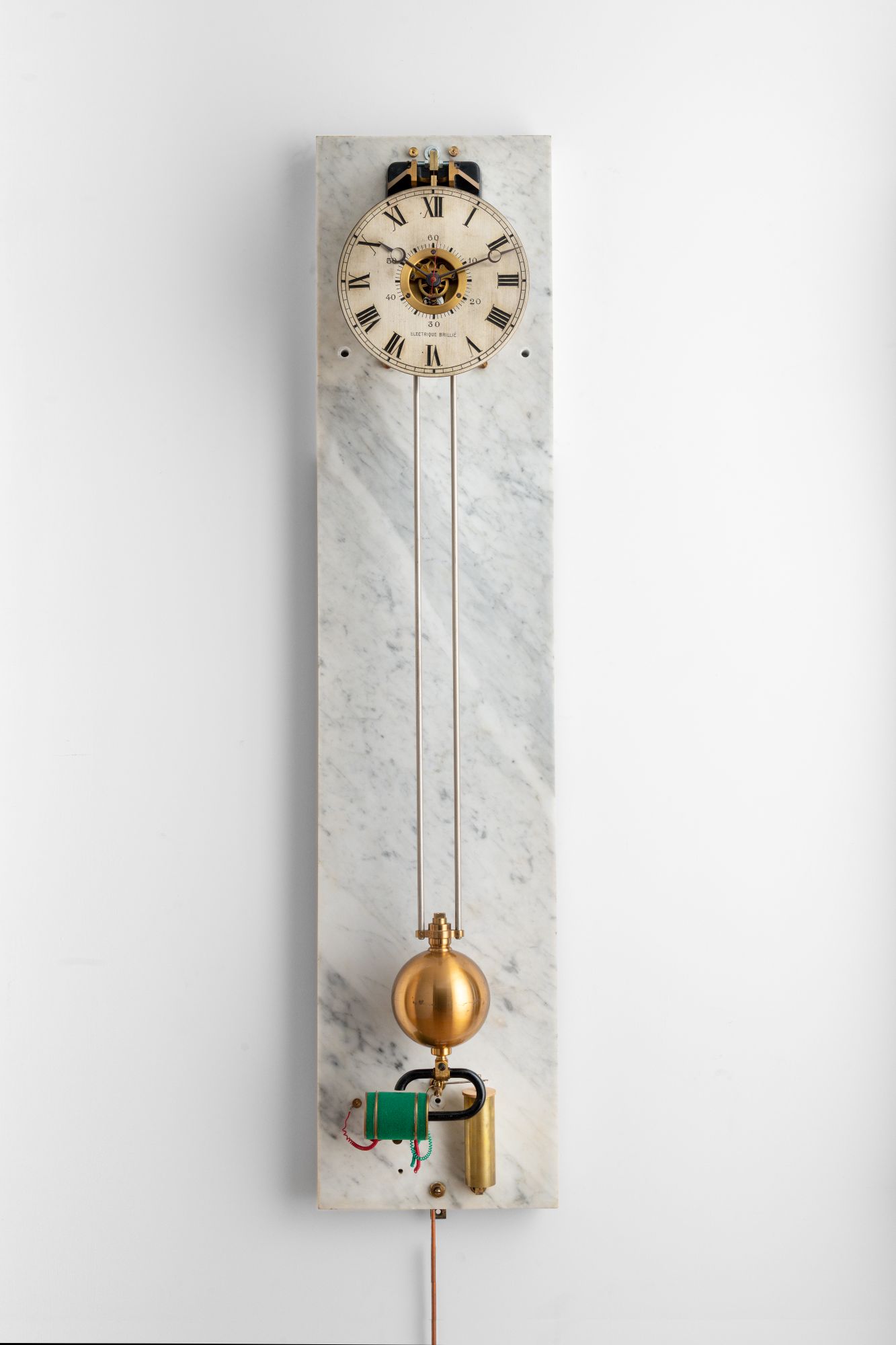
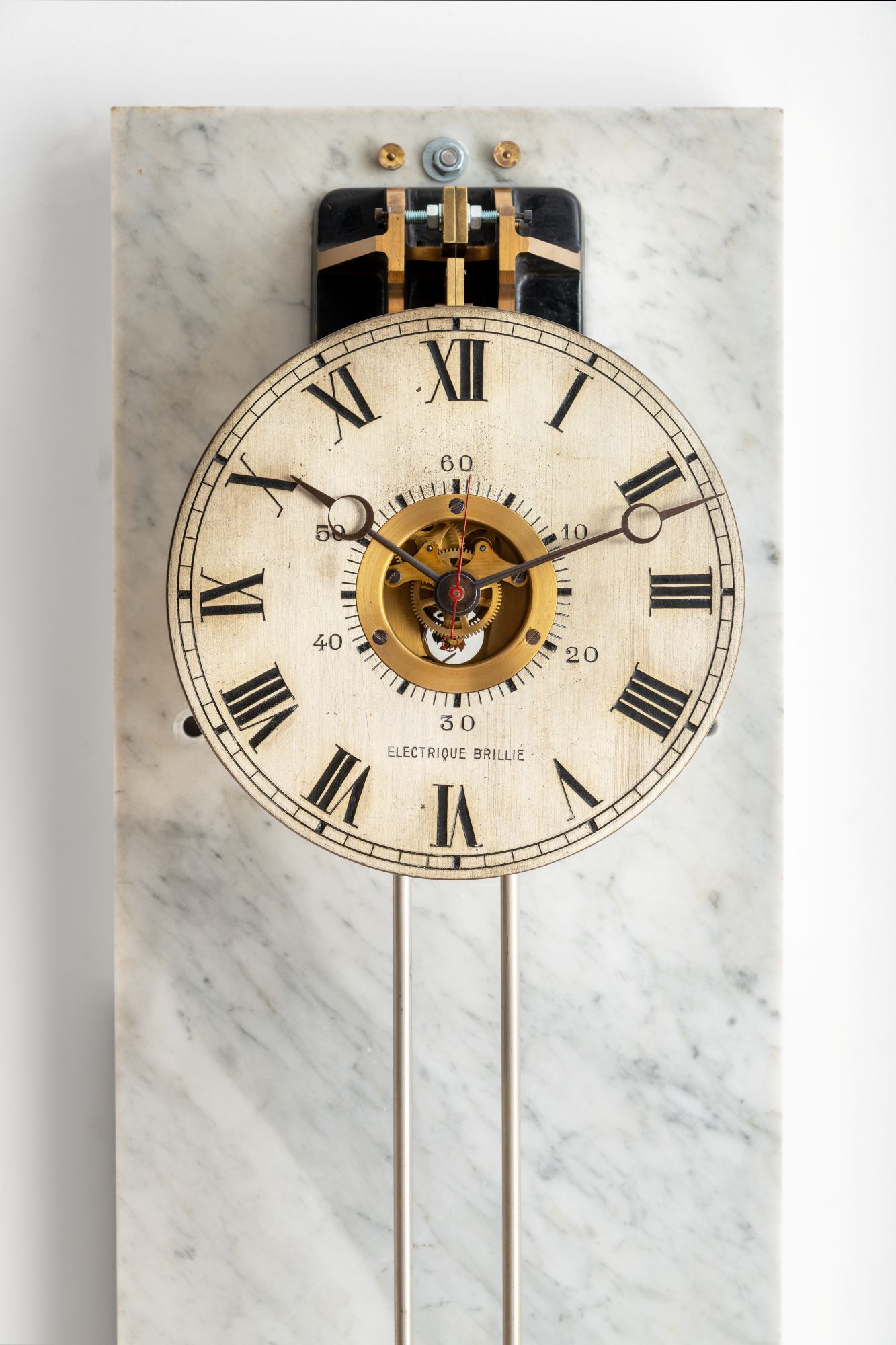
In 1840, Scottish inventor Alexander Bain filed his first patent for a wholly electrical clock, and clocks made to his design were soon installed along the railway line connecting Edinburgh to Glasgow, 42 miles away.
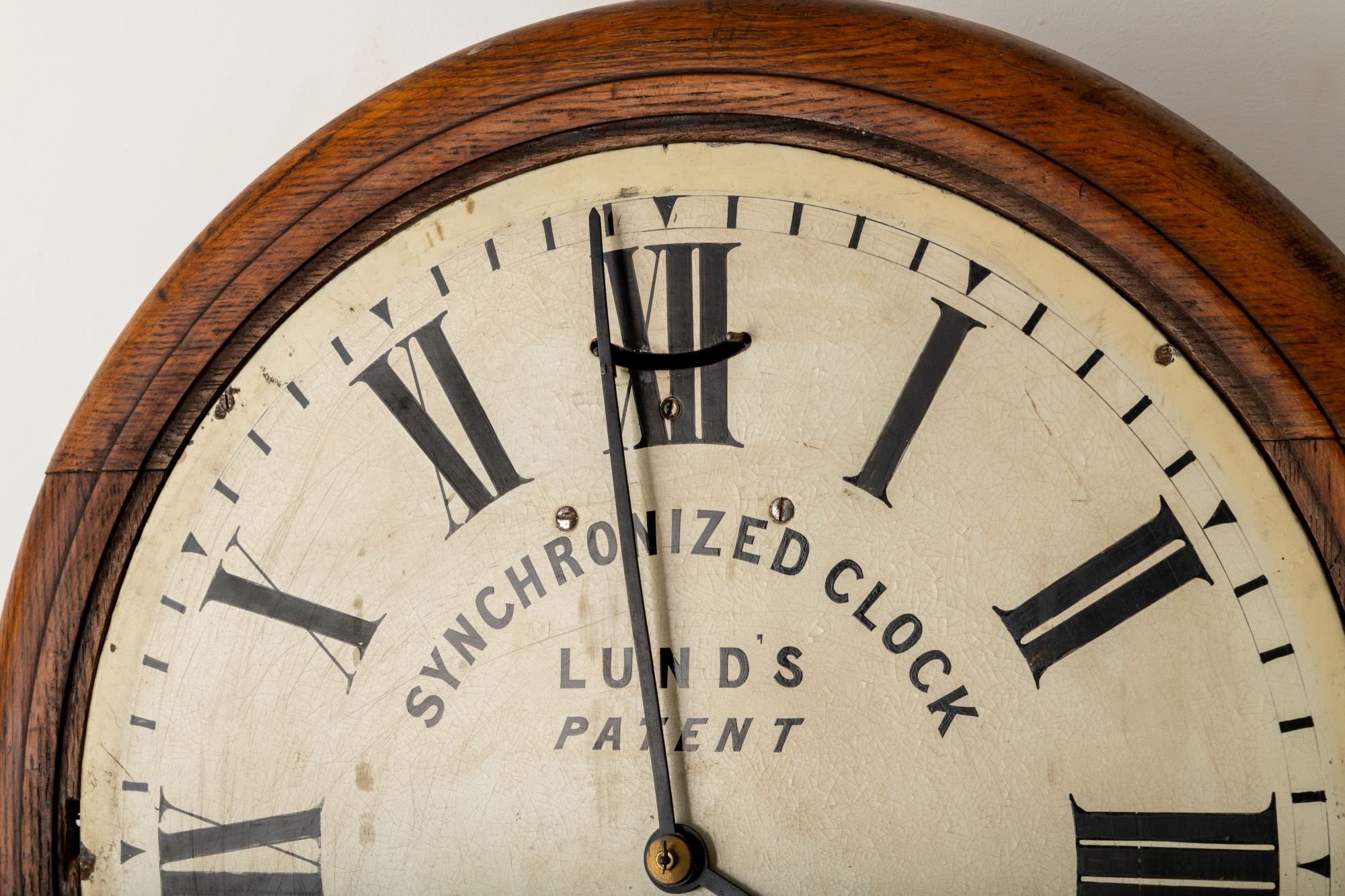
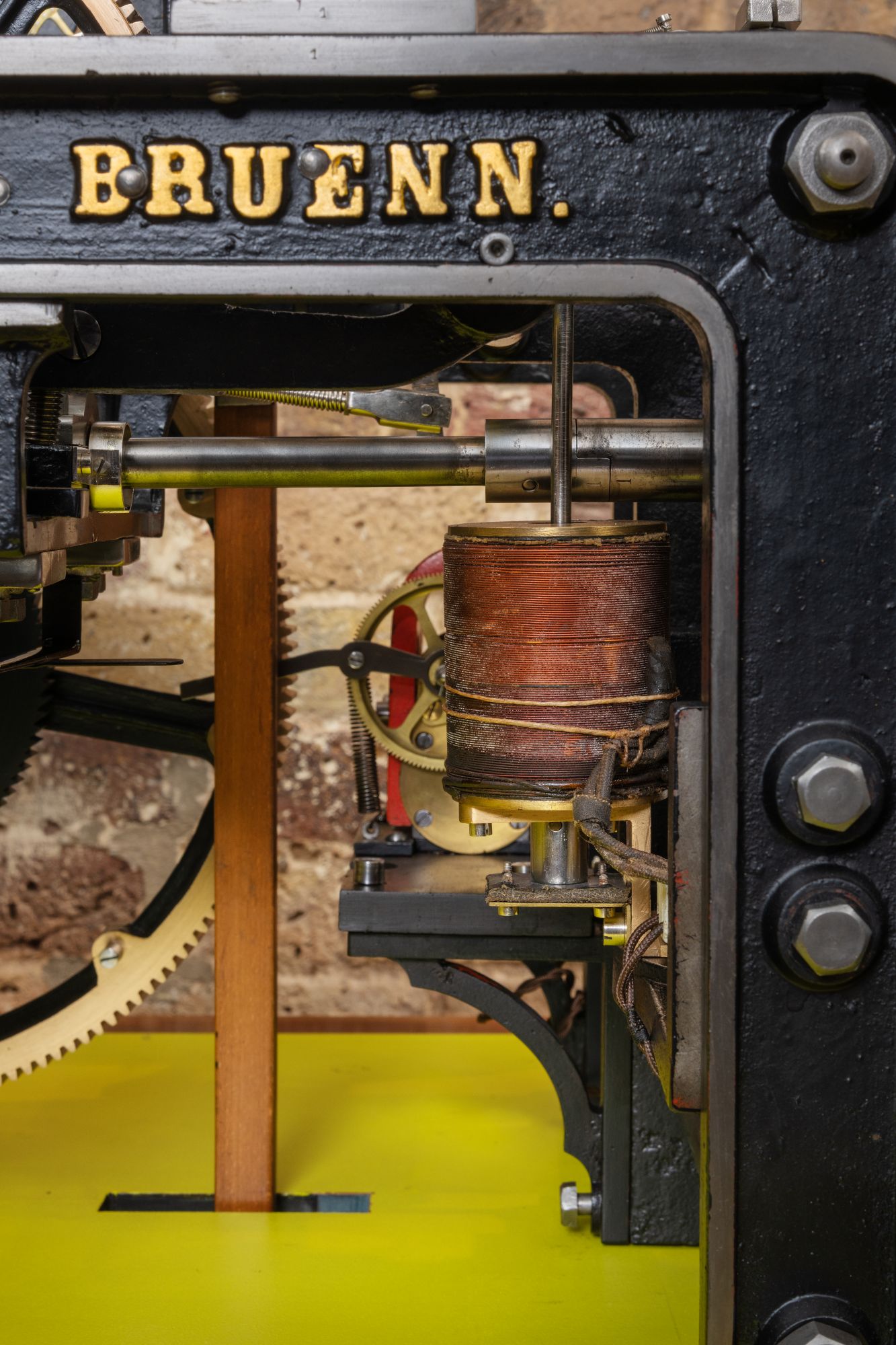
Bain’s ‘controlling clock’ kept the time in one station and sent it, via electric impulses, to a group of secondary clock dials along the line. These marched obediently in step: one time for all.





Clocks working to similar principles were soon installed on railway lines all over Europe.




Time on the Underground
In London, meanwhile, another railway was being constructed: underground. From the first, the signalling system used on the London Underground ensured the safe division of trains, but signalling could not distribute uniform time around the underground’s network of public-facing clock dials.
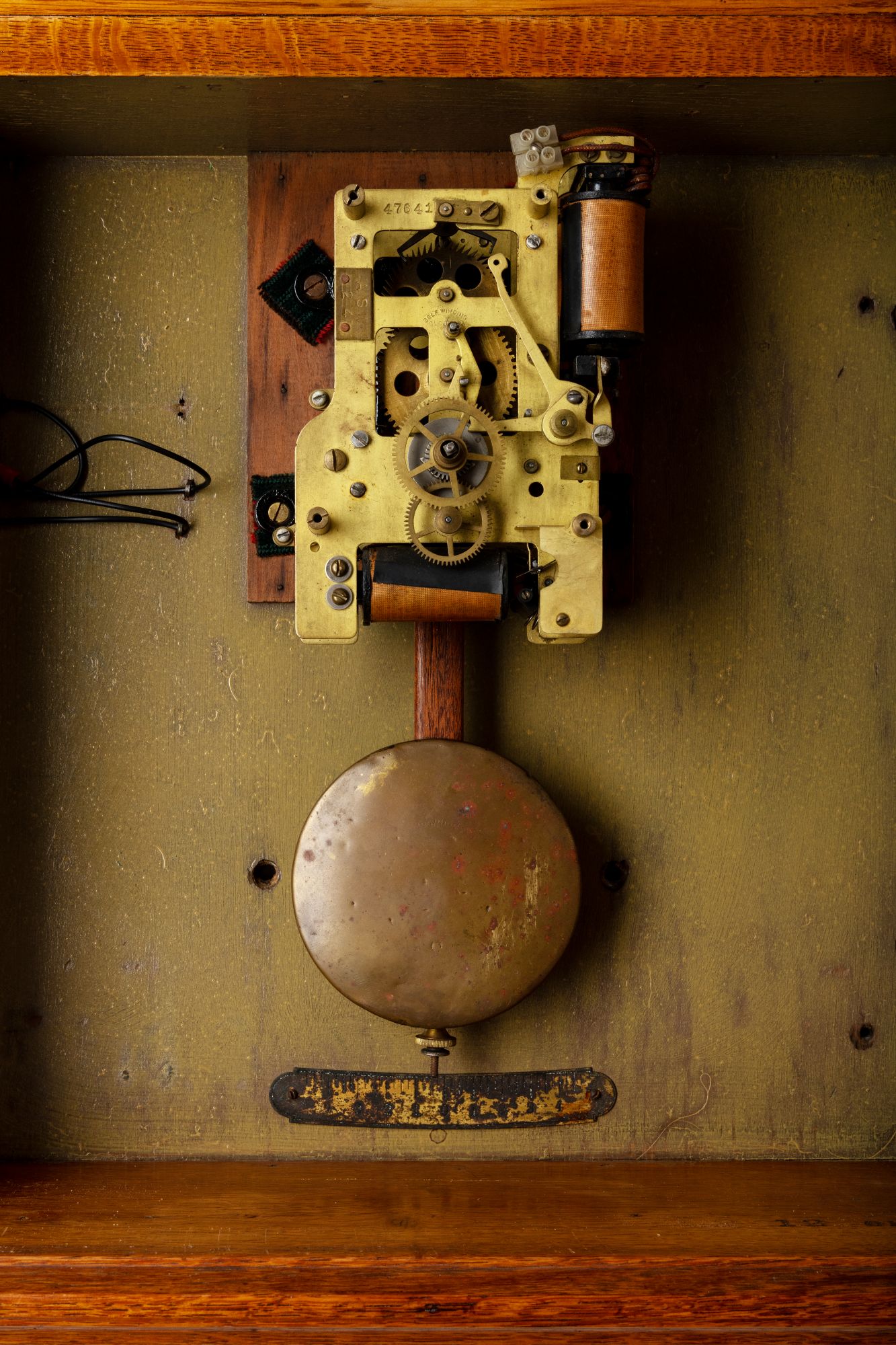
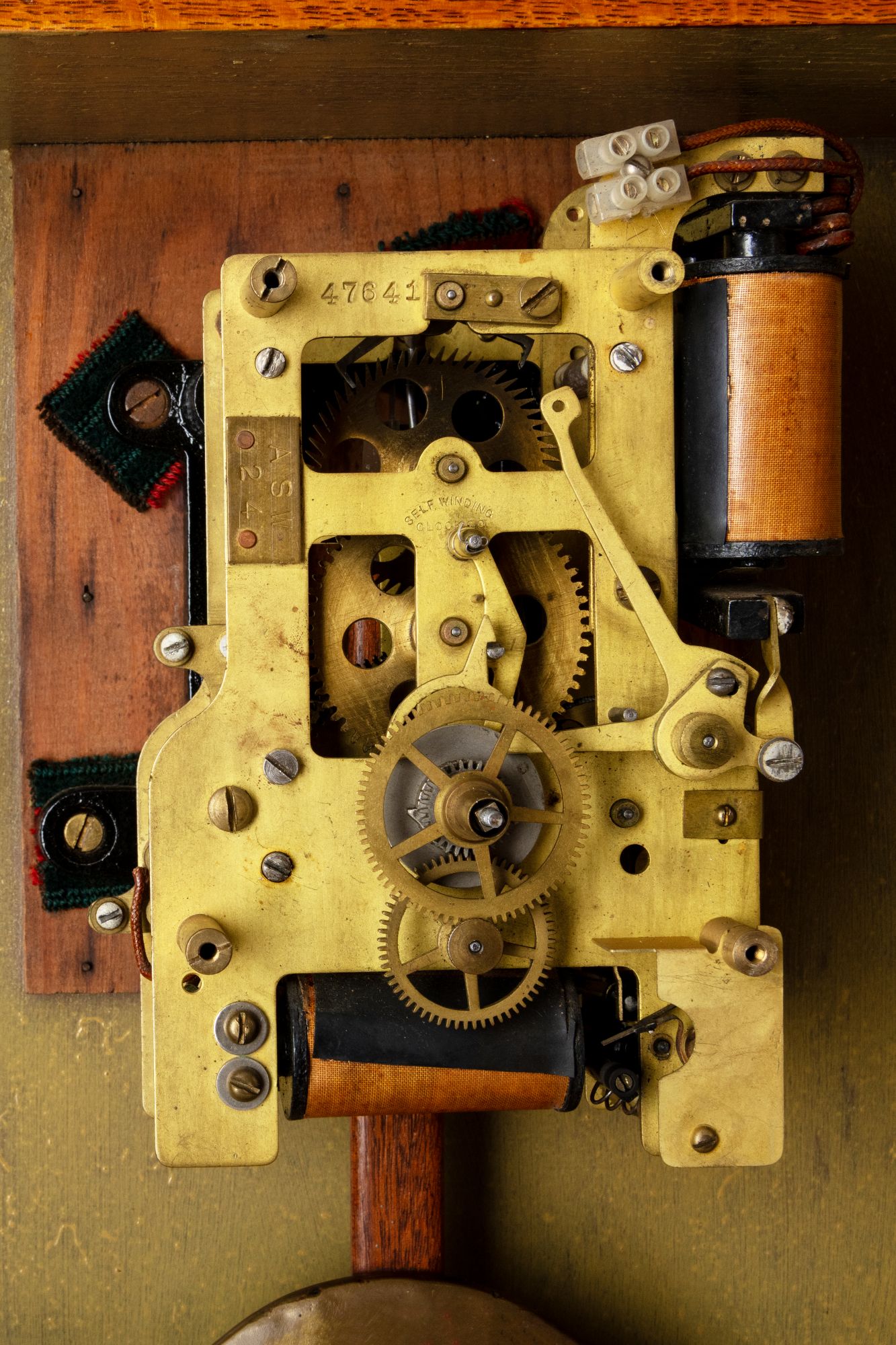
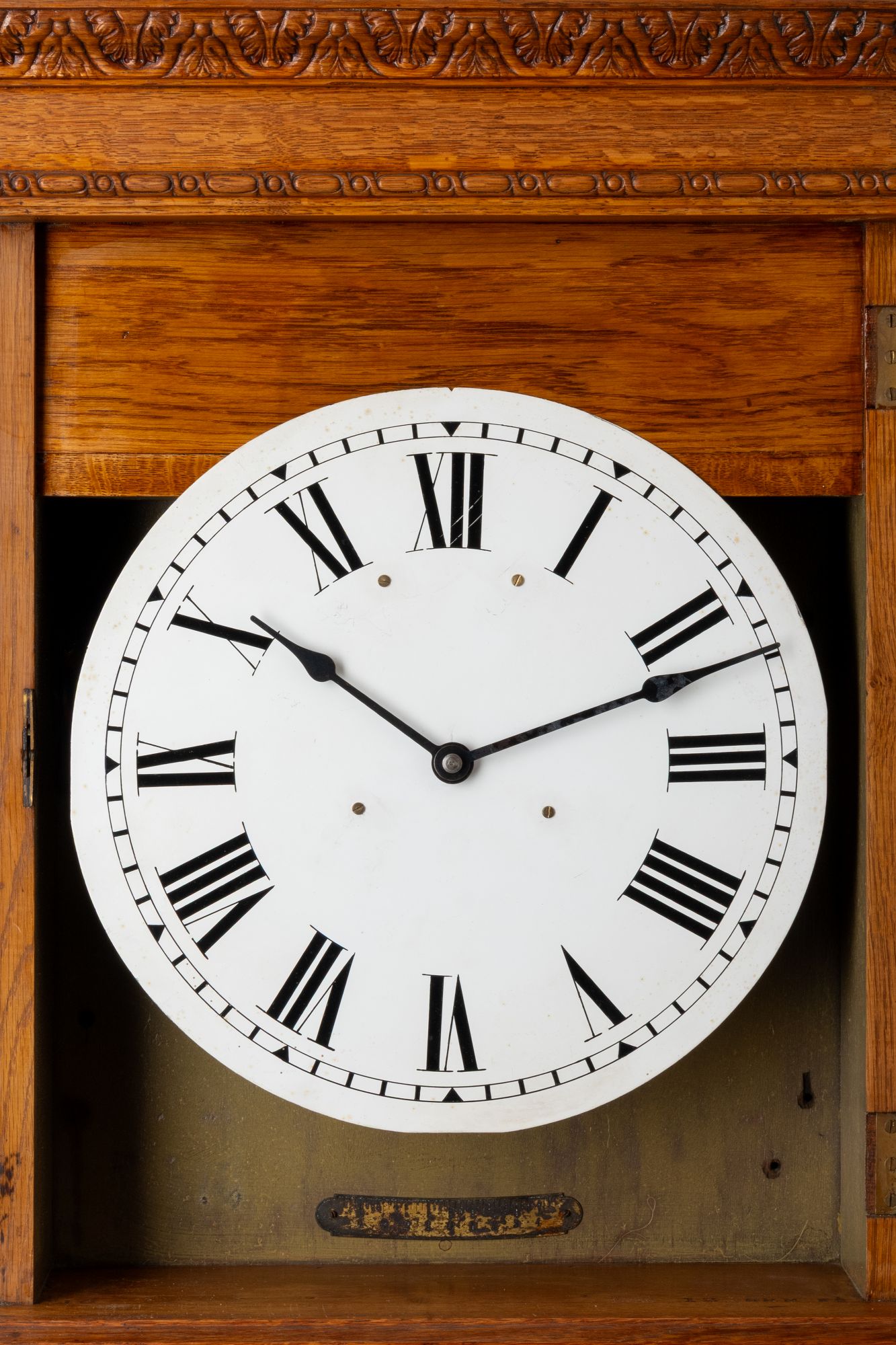
In 1900, American tycoon Charles Tyson Yerkes bought and electrified what would eventually become the Northern, Piccadilly and Bakerloo lines. He also installed clocks from the Self Winding Clock Company of New York.
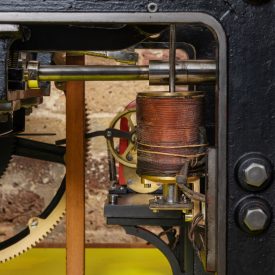
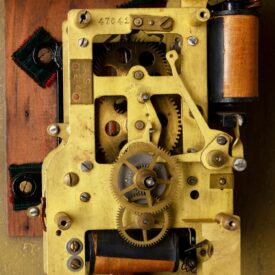
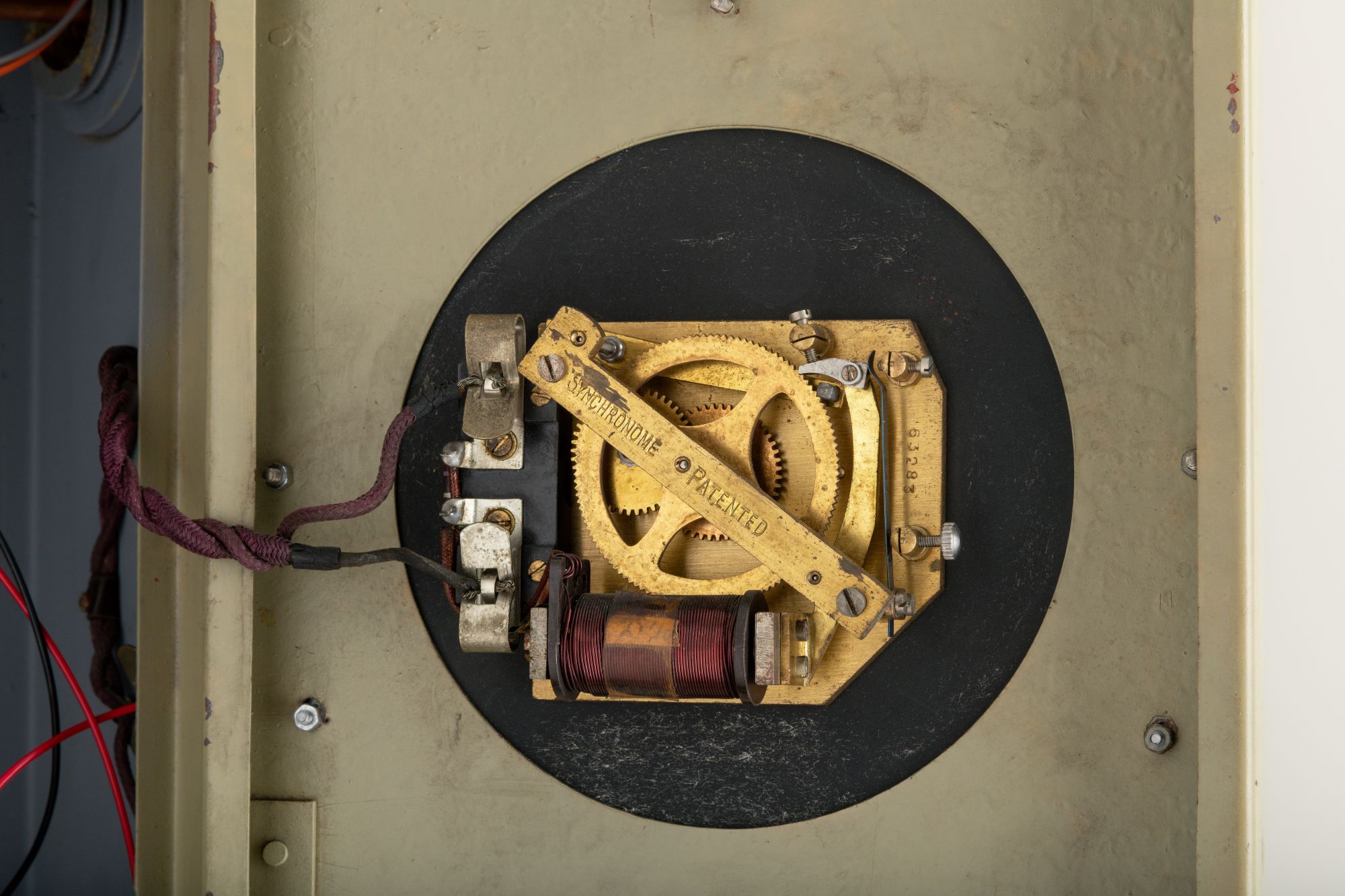
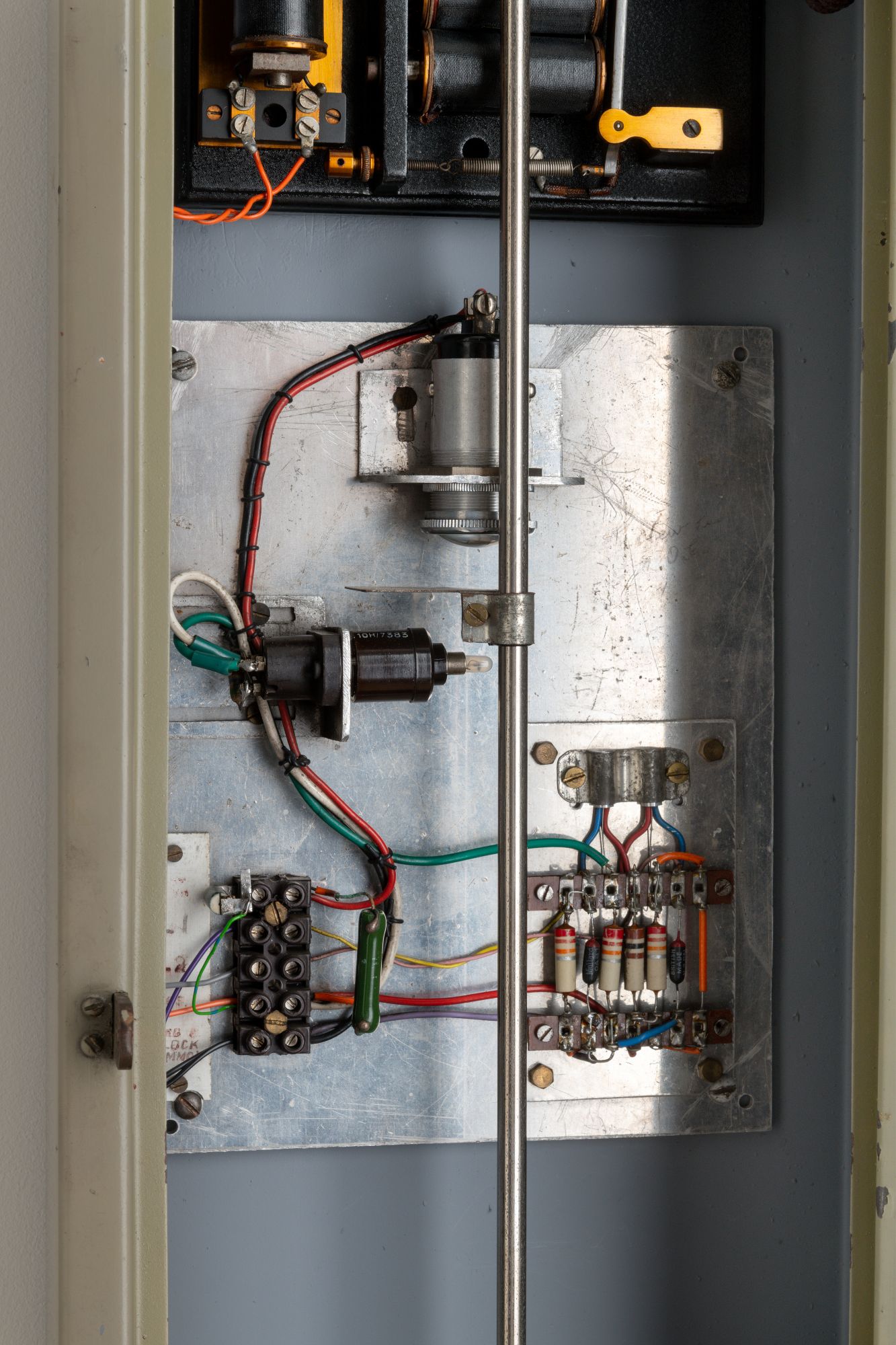
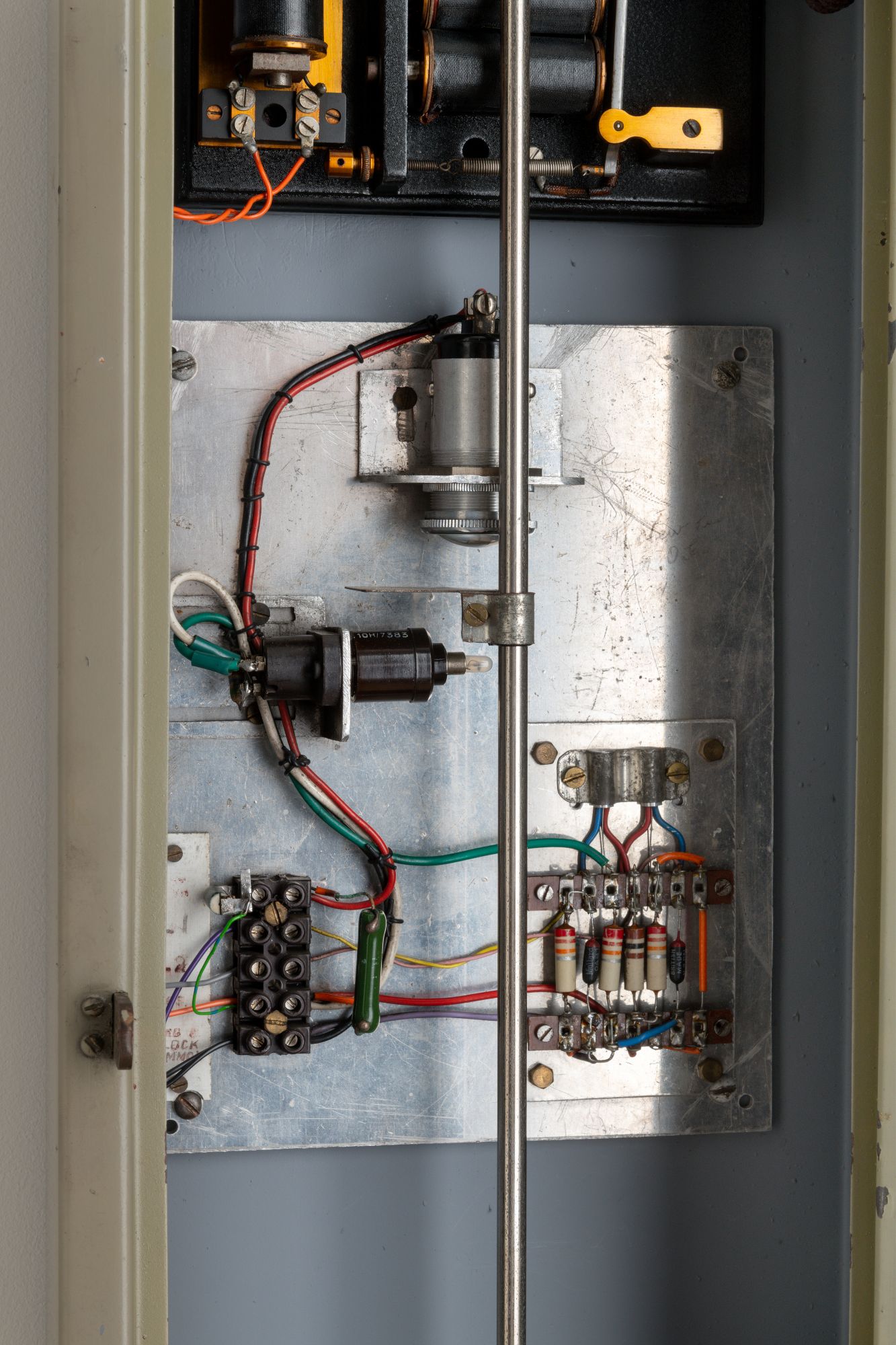
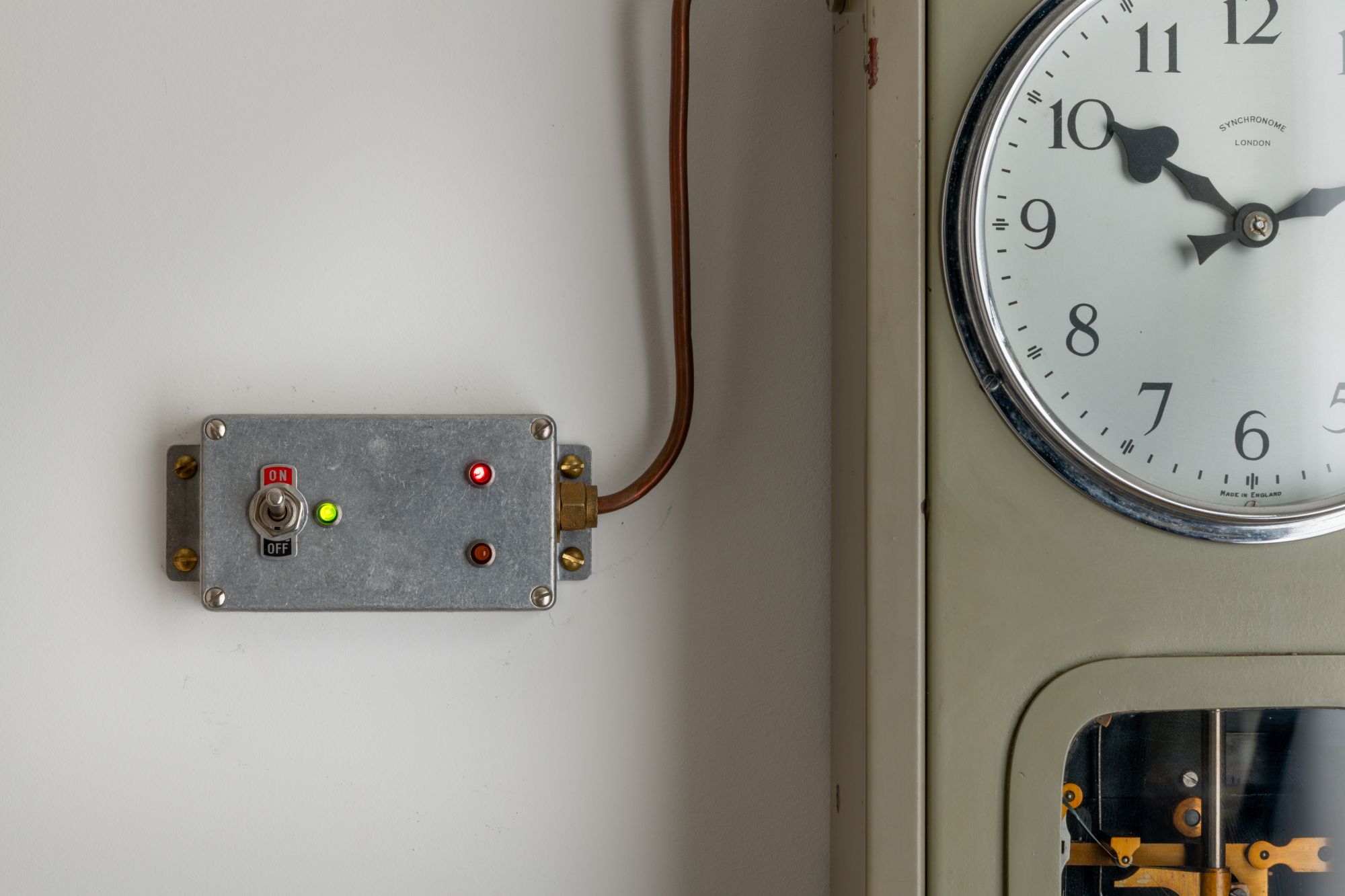
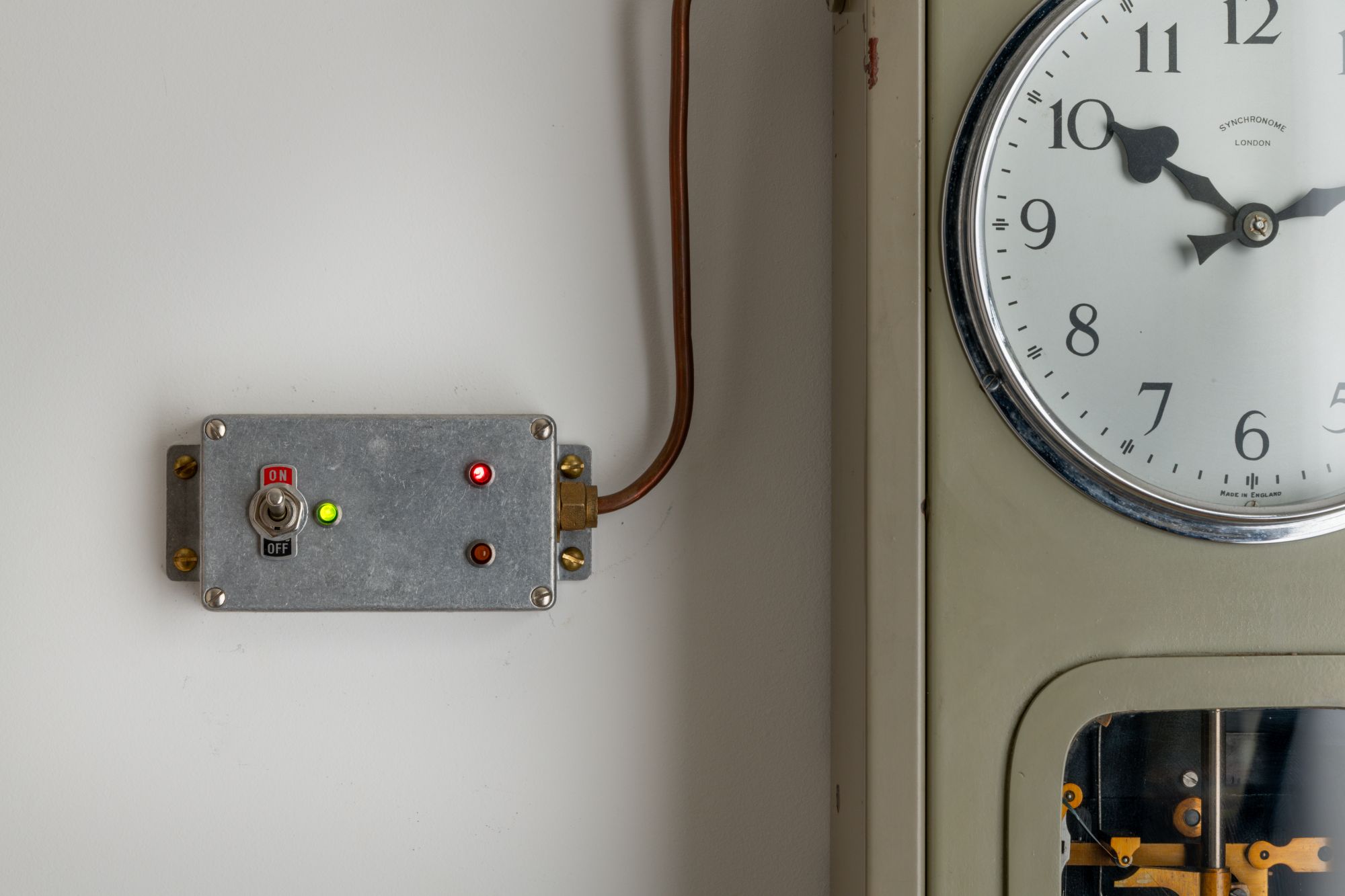
These clocks were also hybrid systems: mechanical clock movements with an hourly auto-rewind and electric synchroniser. The rewind eased the maintenance burden on staff, while the synchroniser made it possible to adjust the clocks remotely to a single time source.
Some of Yerkes’s Self Winding clocks can still be seen on the Underground today, although during its early period of independence, different lines specified different clock companies: Magneta and Synchronome were also popular.


Synchronisation
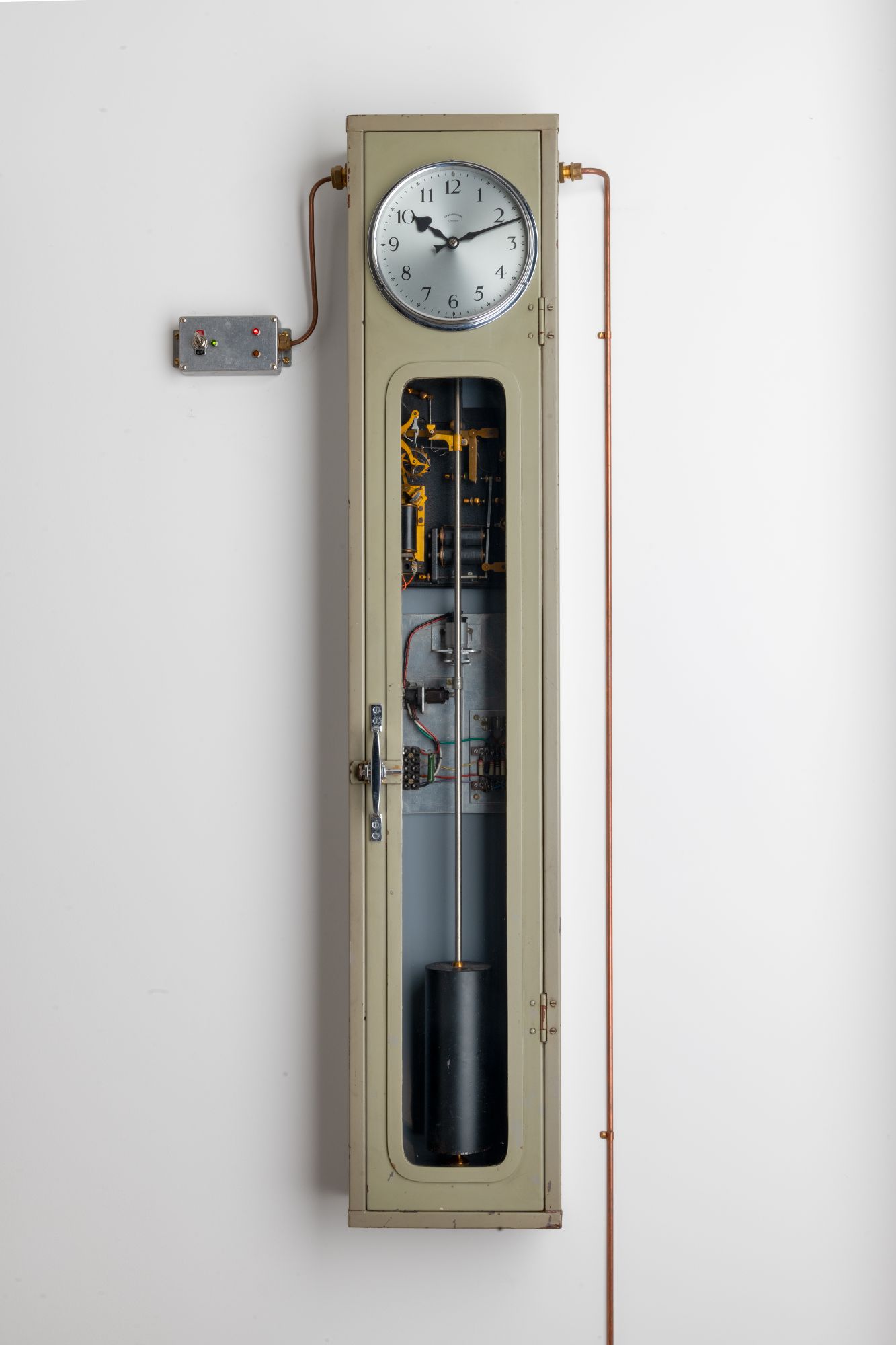
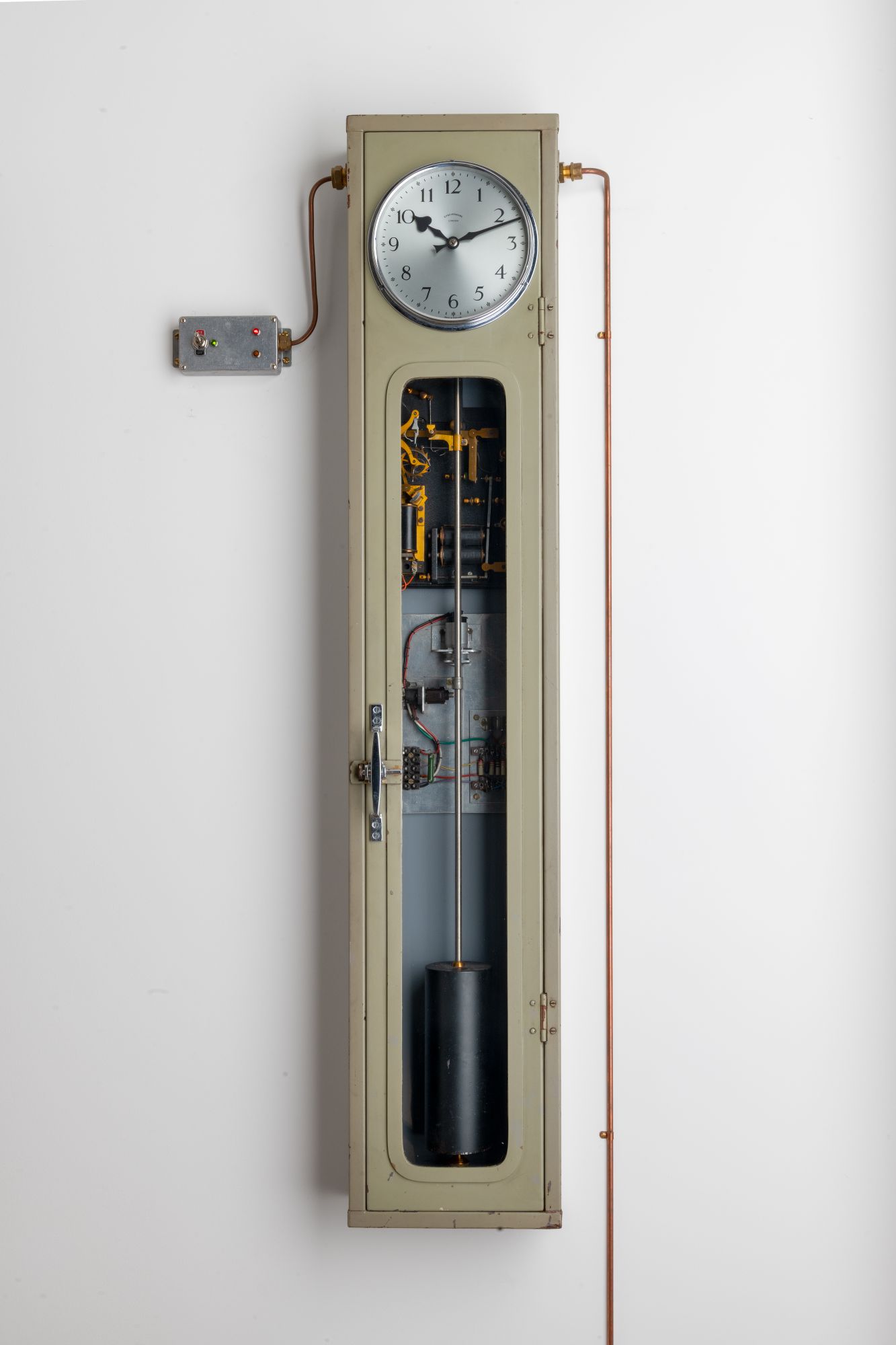
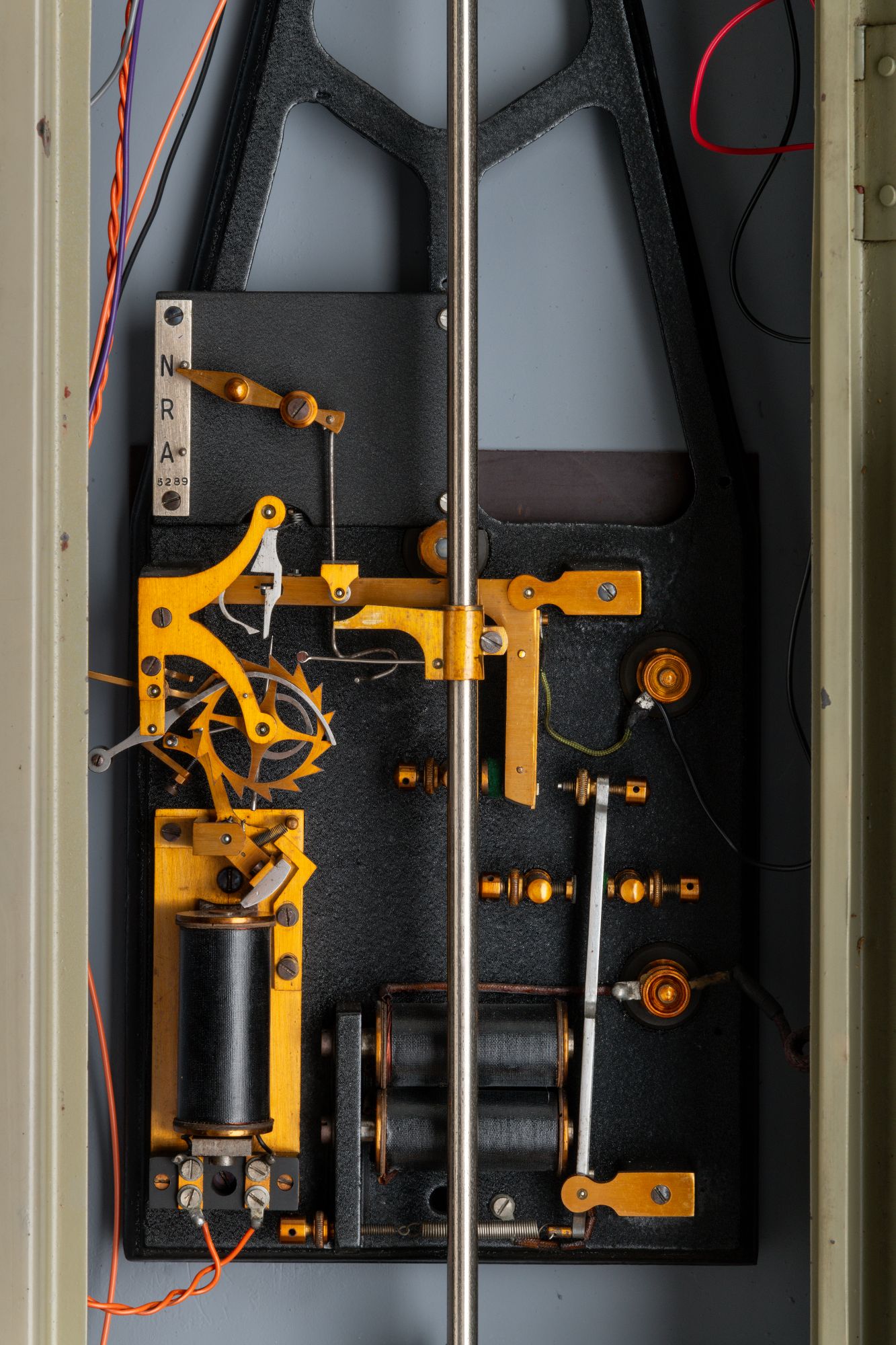
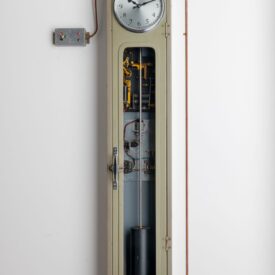
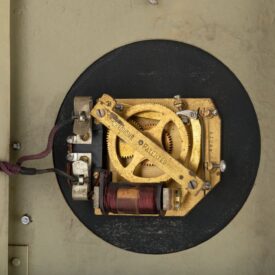
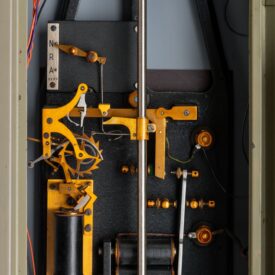
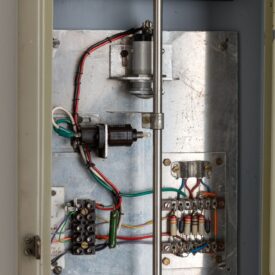
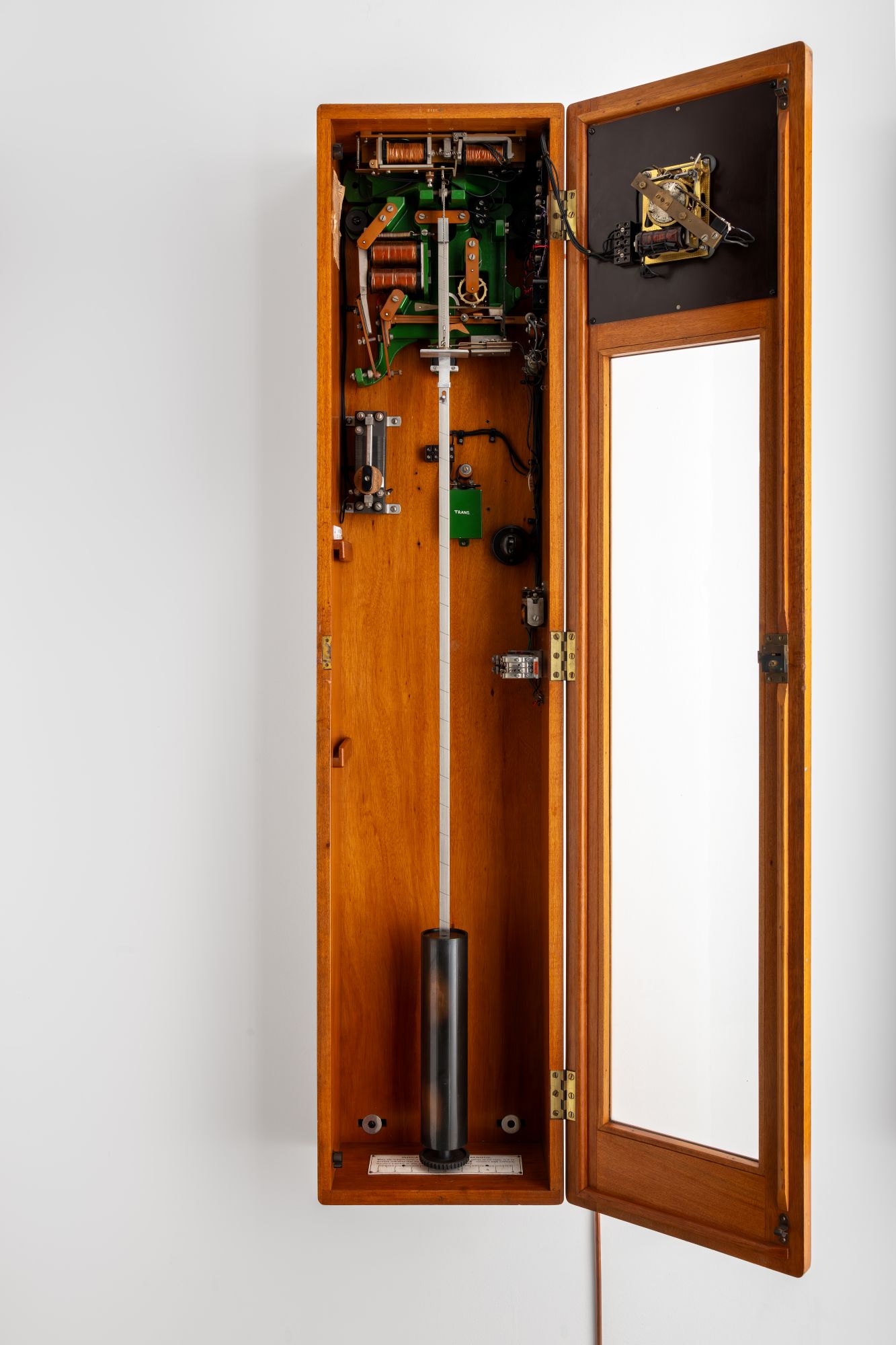
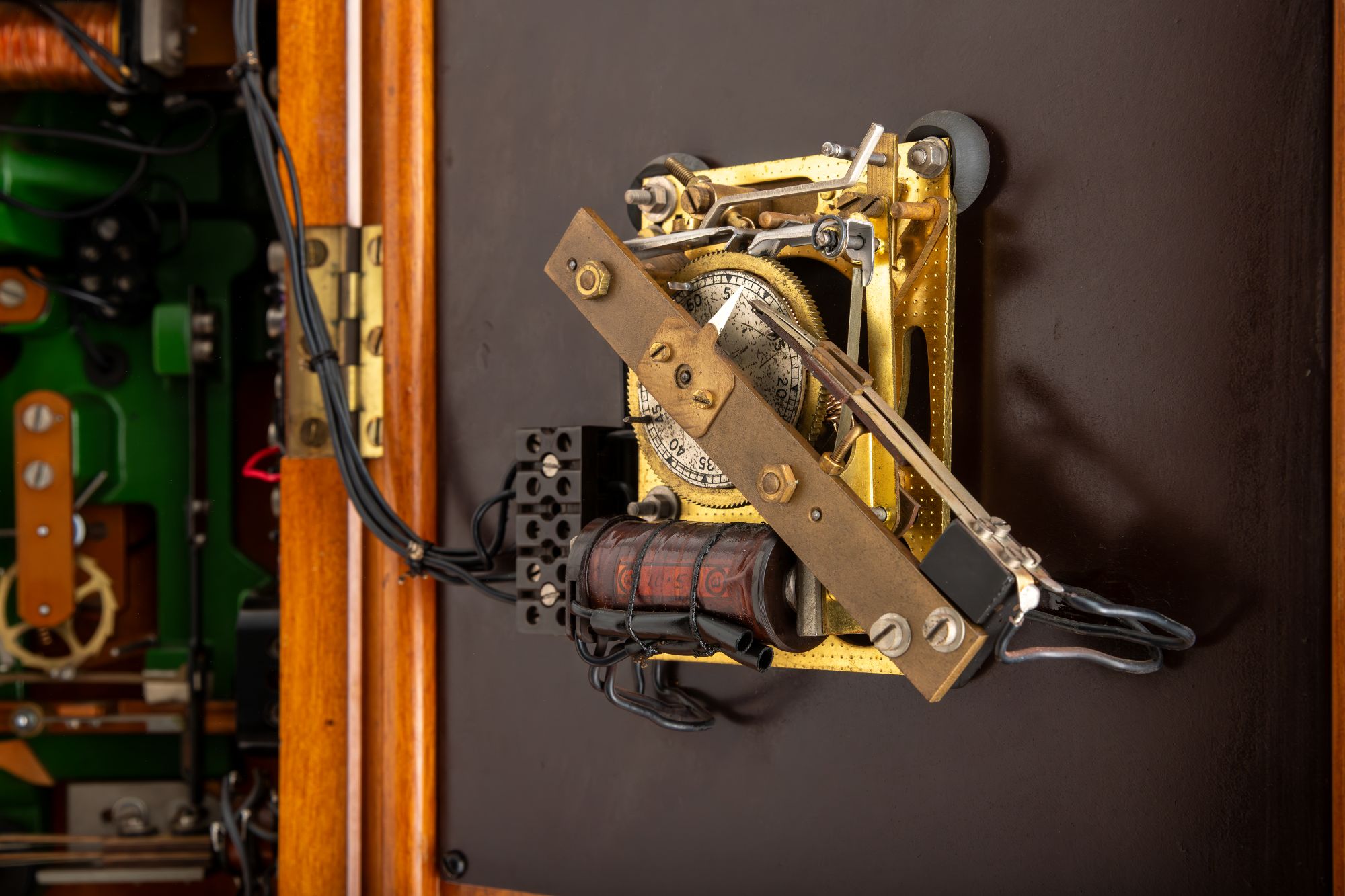
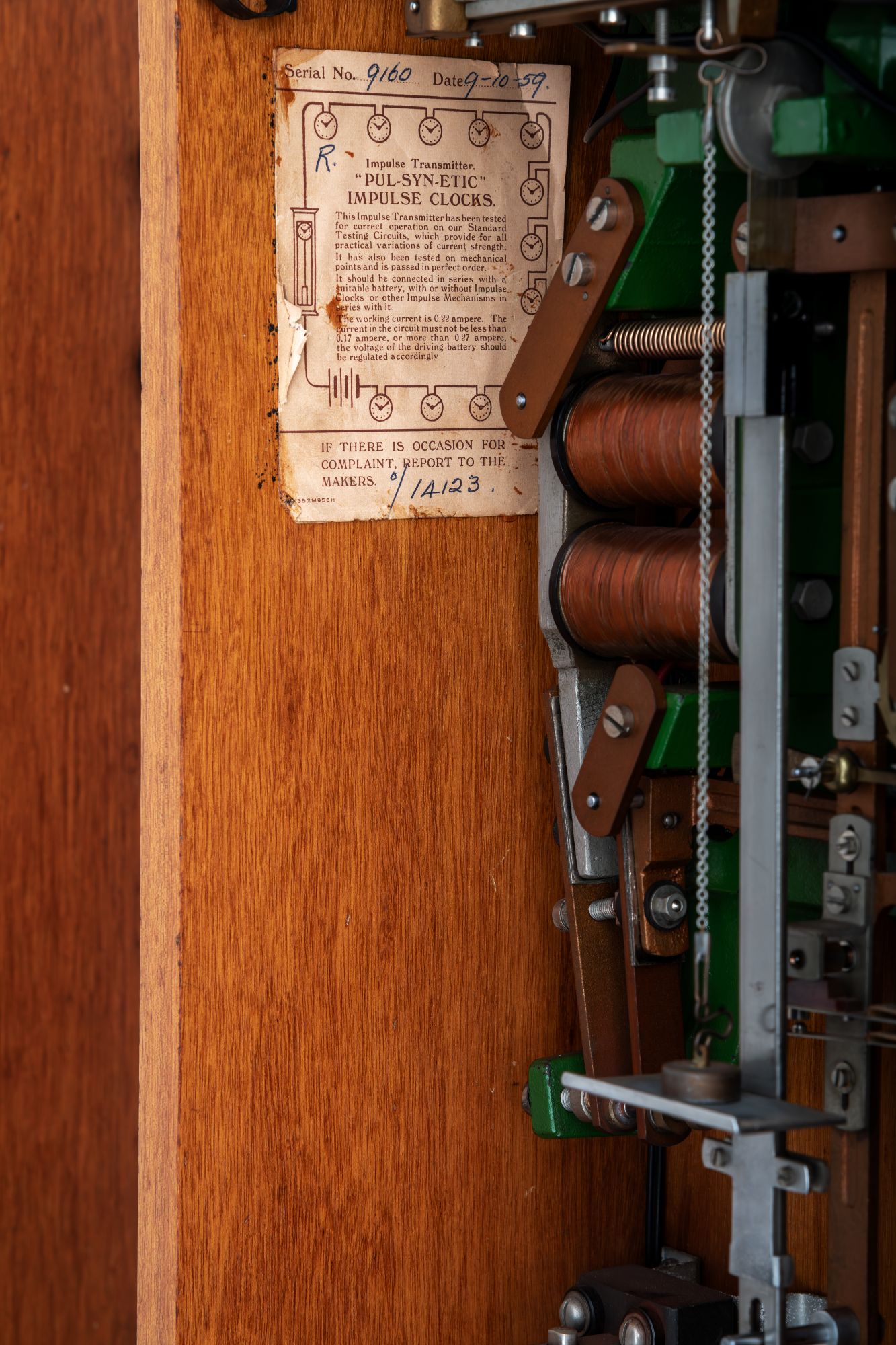
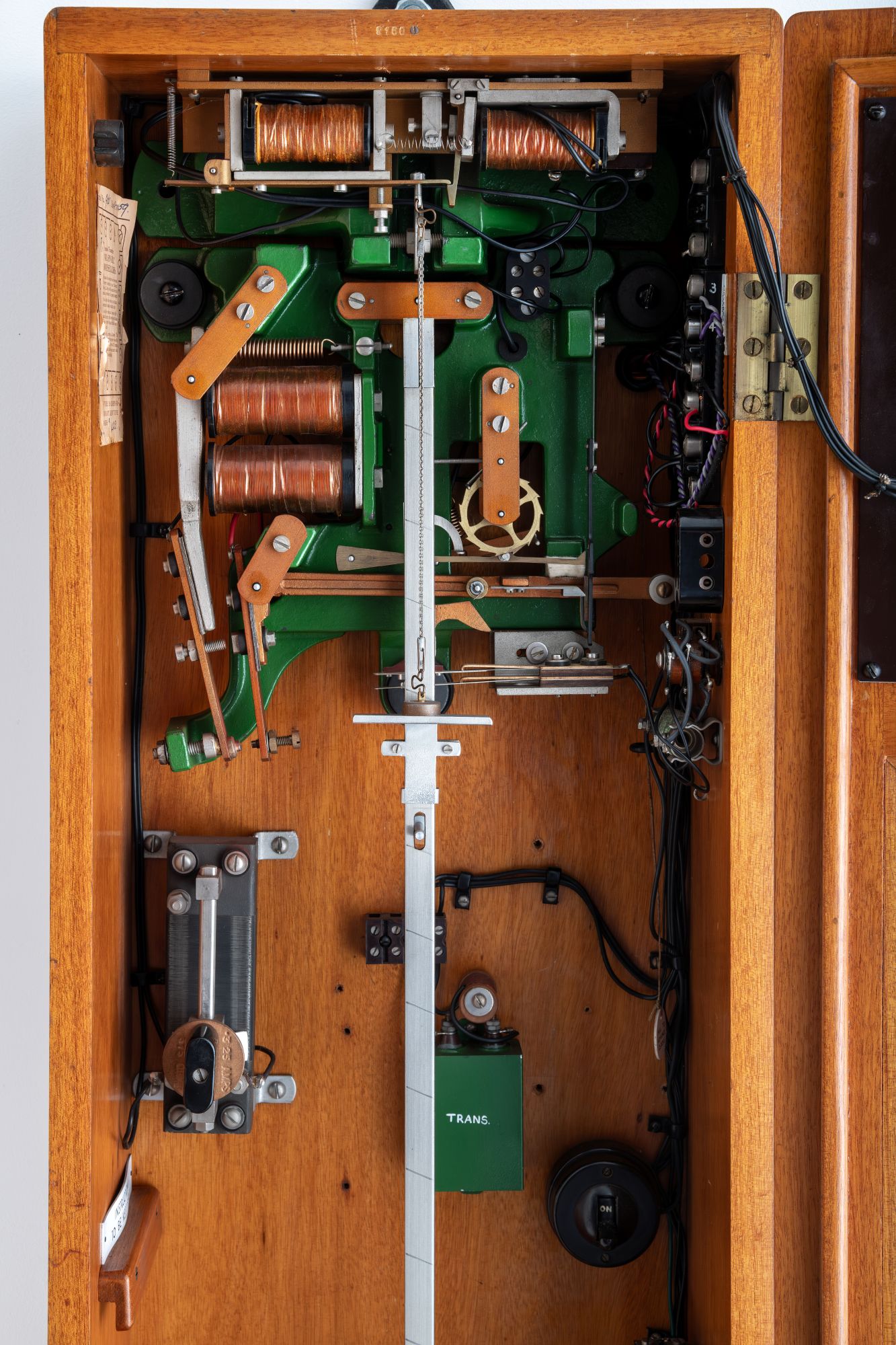
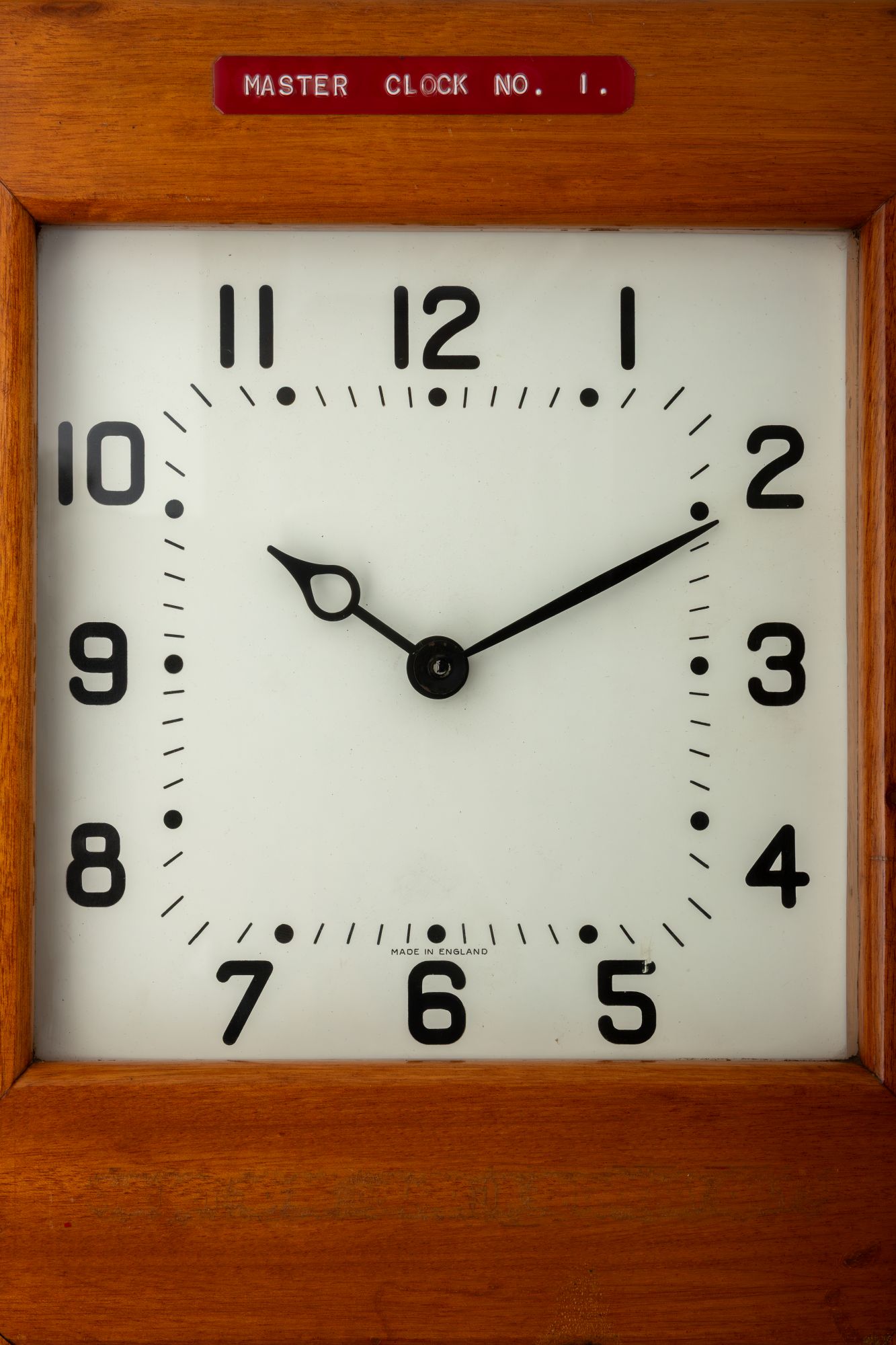
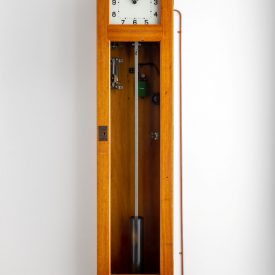
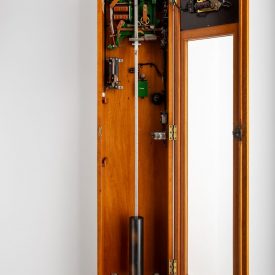
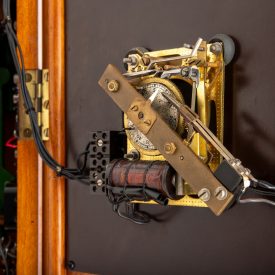
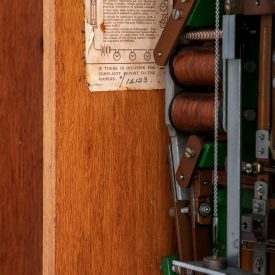
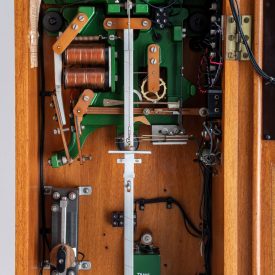
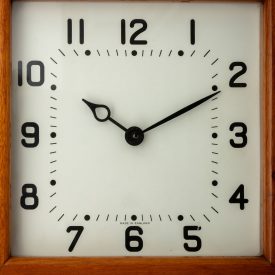
As the century went on, synchronisation chains became ever more complex: a Gent ‘C7’ clock installed at the BBC’s new Television Centre in 1959 incorporates a ‘see-saw’ synchroniser, which automatically adjusts the clock every fifteen minutes, in response to the latest Greenwich time signal (distributed over the radio from 1923 as the ‘Six Pips’).
Itself a distributing clock, sending the time around a network of dials across the building, this ‘C7’ was in turn marching in step to a superior time source at Greenwich.

Today, unless we proactively carry watches around with us, most of us get our time remotely from GPS: a network of atomic clocks installed in space in the 1970s by the US military. Time has hardly ever been more invisible, or more all-pervasive: GPS is in everything from TVs to traffic lights, and we have continual access to more accurate time than ever before. Yet our modern system of seamless synchronisation is the direct descendent of the wires and cables of the clock networks originally conceived in the nineteenth century.
Further reading
Derek Howse, Greenwich Time and the Discovery of Longitude (Oxford: Oxford University Press, 1980)
David Rooney and James Nye, ‘“Greenwich Observatory Time for the Public Benefit”: Standard Time and Victorian Networks of Regulation’, The British Journal for the History of Science, 41:1 (March 2009), pp.5-30