Stories
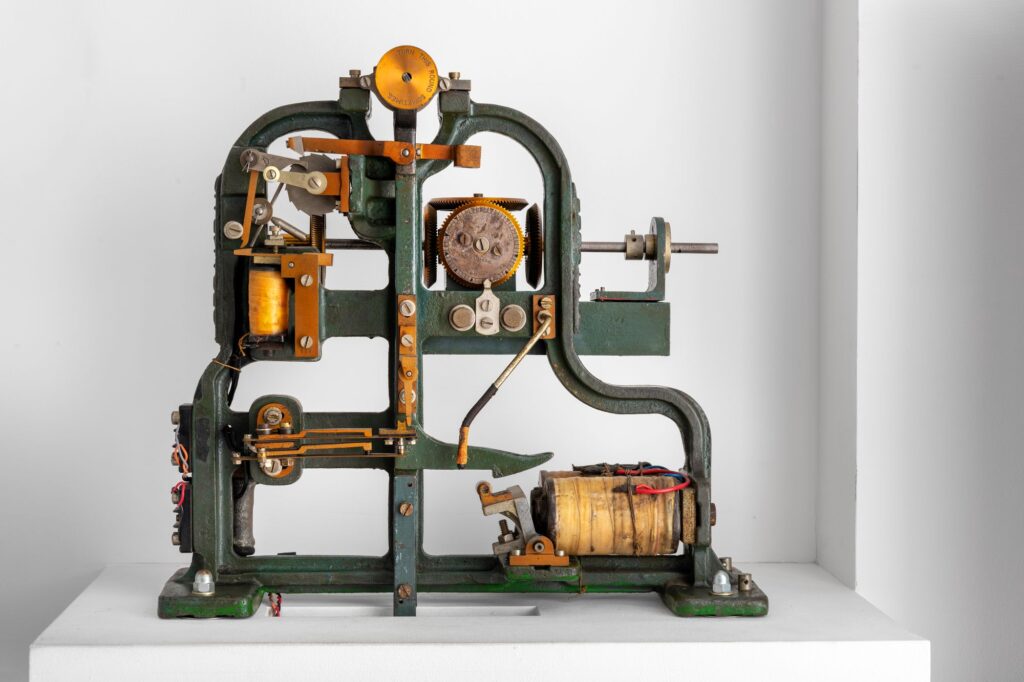
Objects and stories from The Clockworks collection.
-
Time at sea
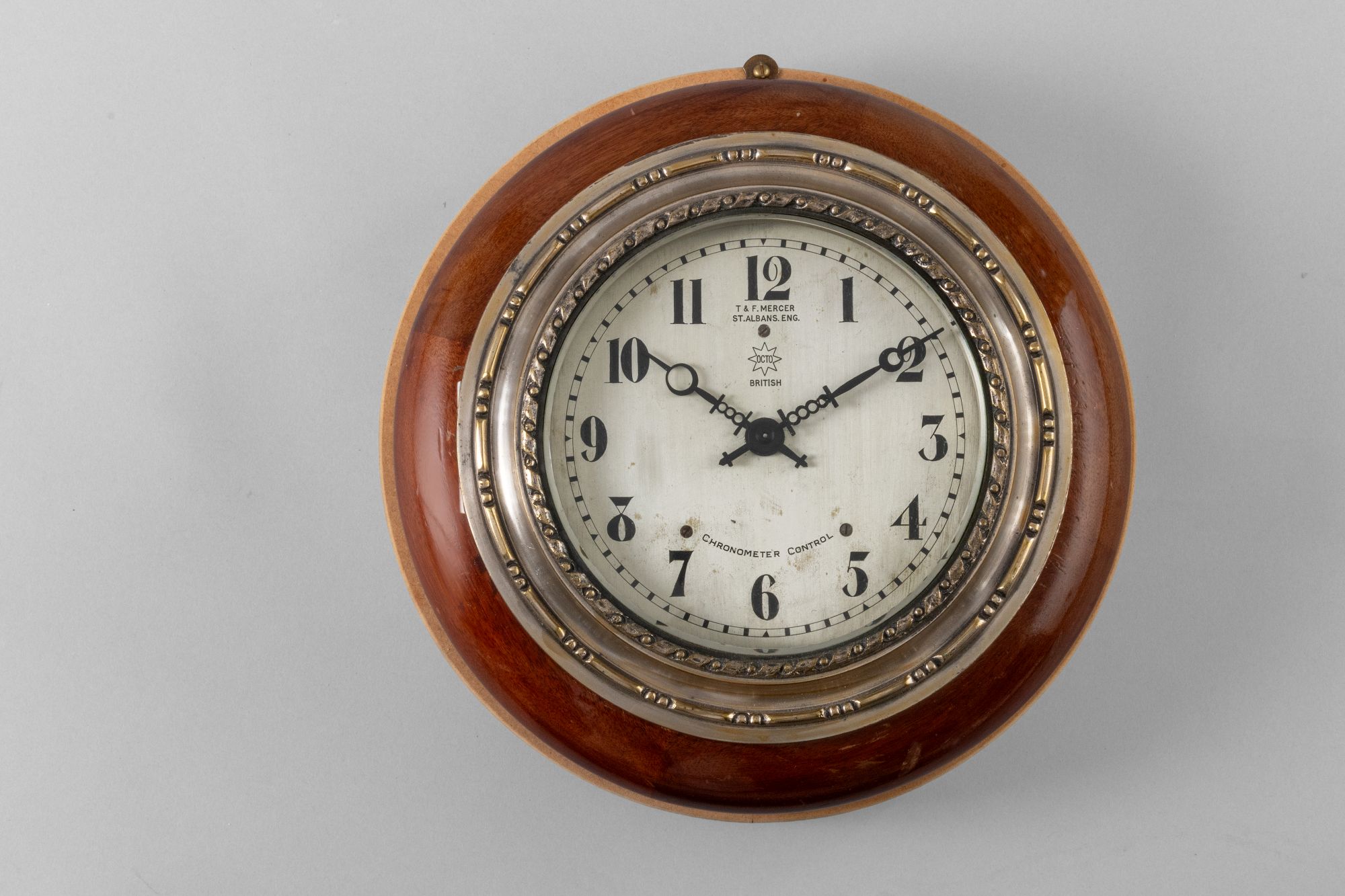
Electric clock technology helps conquer the sea. Traditionally, timekeeping at sea has been managed by the hourglass: sailors ring a bell every 30 minutes, with ‘eight bells’ marking the end of a four-hour watch. However, from the later nineteenth century, many ships started to require more complex timekeeping systems – and electrical infrastructure increasingly straddled…
-

Electric time at home
When catering to domestic markets, clockmakers had to combine accuracy, price, and style. Though electric and electro-mechanical clocks were quickly adopted in institutional settings, domestic take-up was slower. Many clockmakers struggled to make electric clocks that were sufficiently reliable, and sufficiently cheap, to seriously challenge their traditional mechanical cousins. Earliest examples Alexander Bain is often…
-
The birth of synchronised time
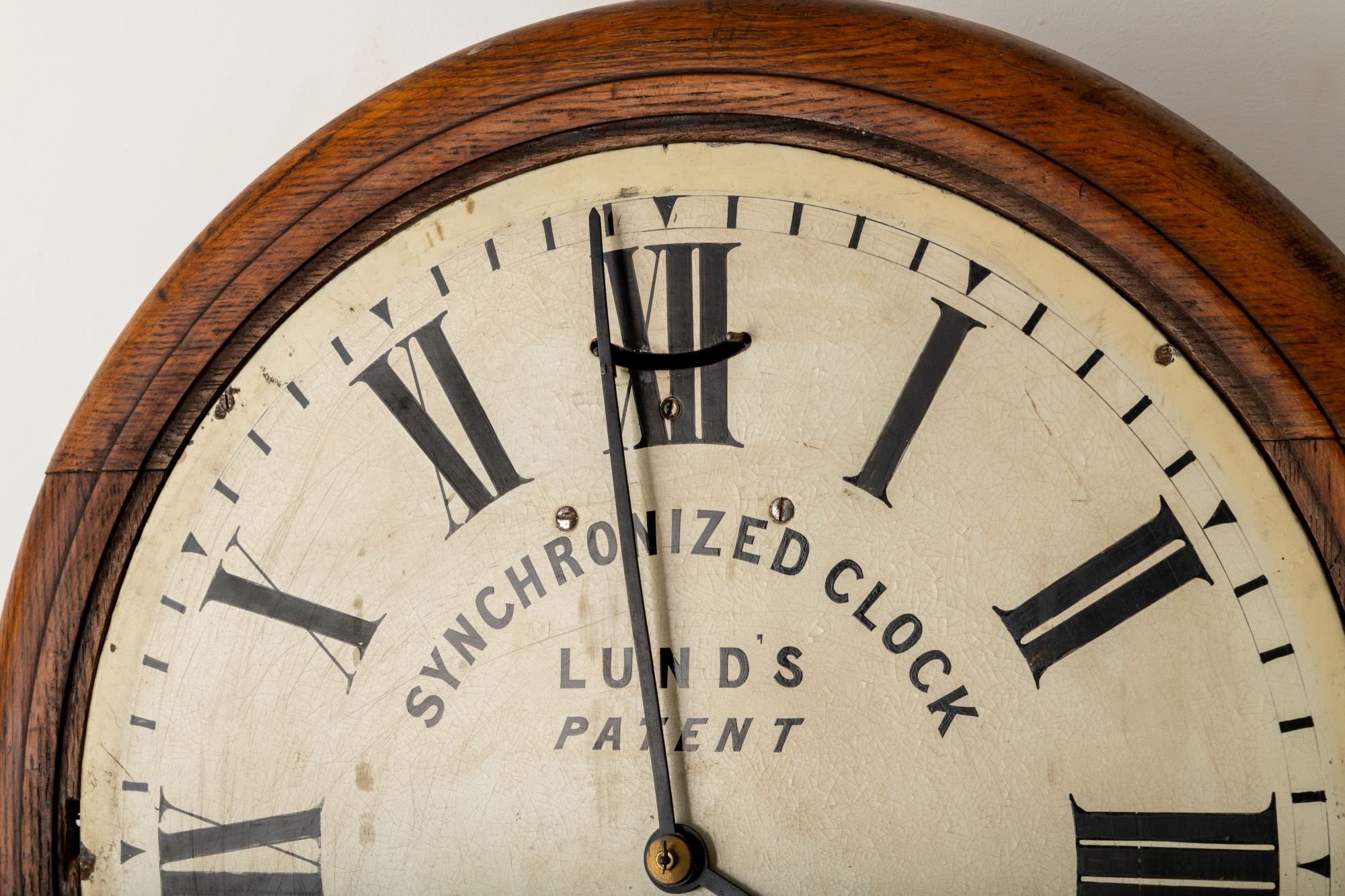
How electric clocks made networked time. Today, we take synchronised time for granted: our phones, computers and digital timekeepers are silently updated by satellites or radio waves, and we have one time across the country, no matter where we are. It hasn’t always been like this. For centuries, people ran their mechanical clocks and watches…
Find out more