
-
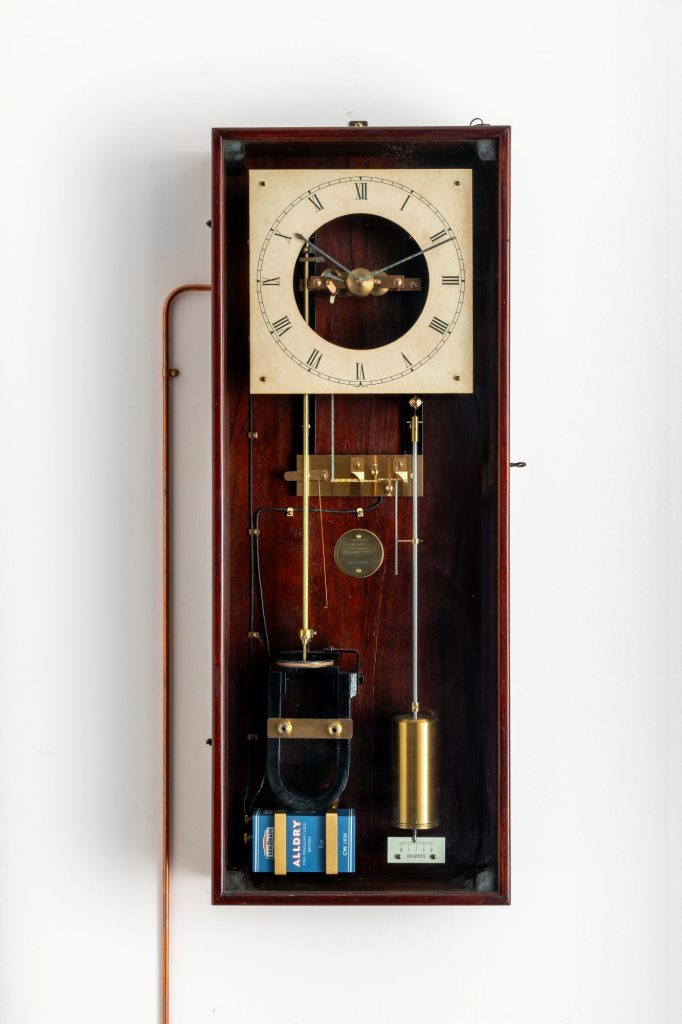 ffolliott Gray, 'The Duo', TCW 1013. Image available for non-commercial use via Creative Commons under a CC BY-NC 4.0 license. TCW_1013_01
 -
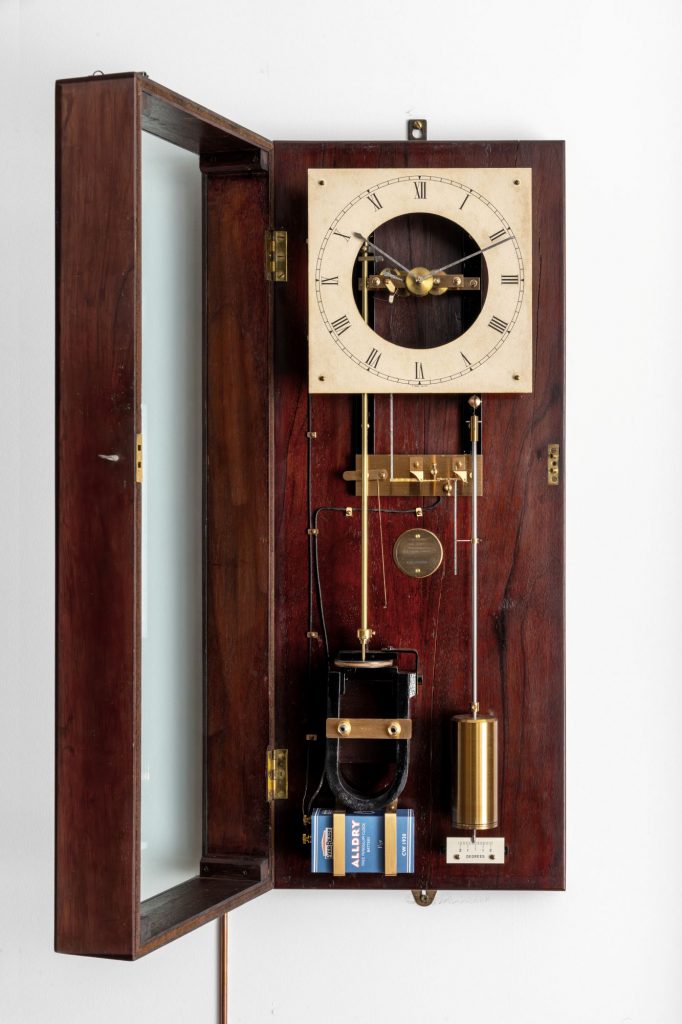 ffolliott Gray, 'The Duo', TCW 1013. Image available for non-commercial use via Creative Commons under a CC BY-NC 4.0 license. TCW_1013_02
 -
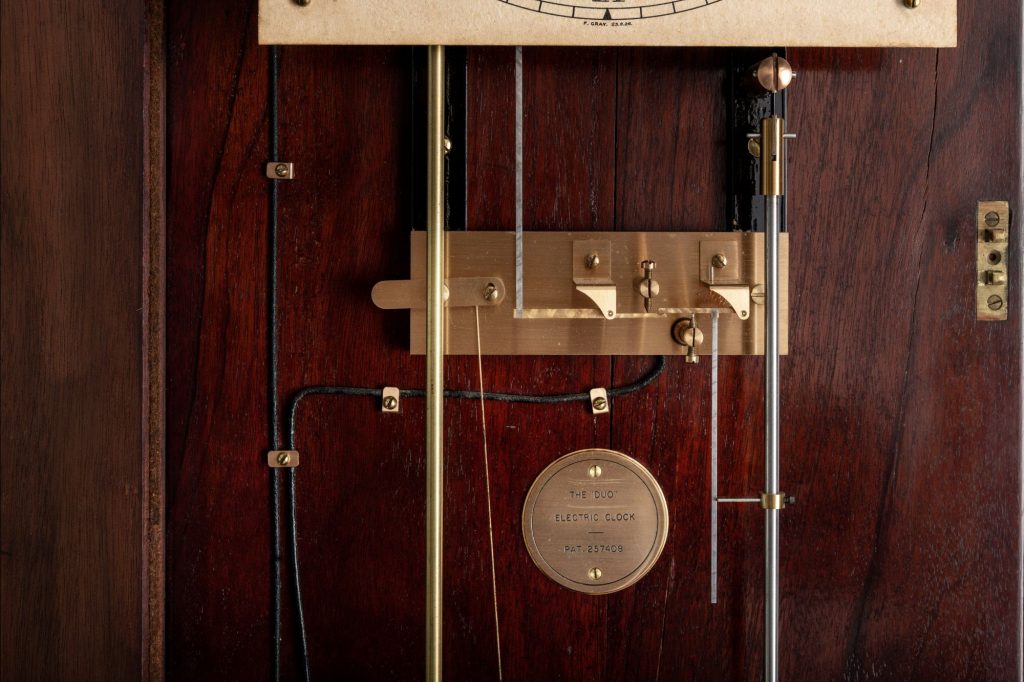 ffolliott Gray, 'The Duo', TCW 1013. Image available for non-commercial use via Creative Commons under a CC BY-NC 4.0 license. TCW_1013_05
 -
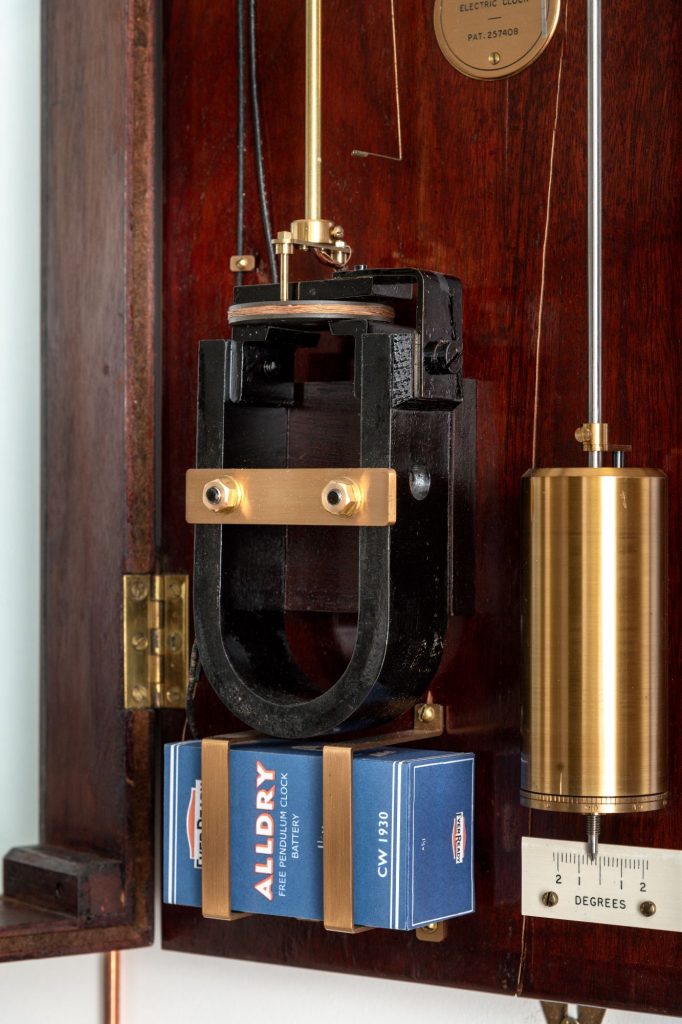 ffolliott Gray, 'The Duo', TCW 1013. Image available for non-commercial use via Creative Commons under a CC BY-NC 4.0 license. TCW_1013_08
 -
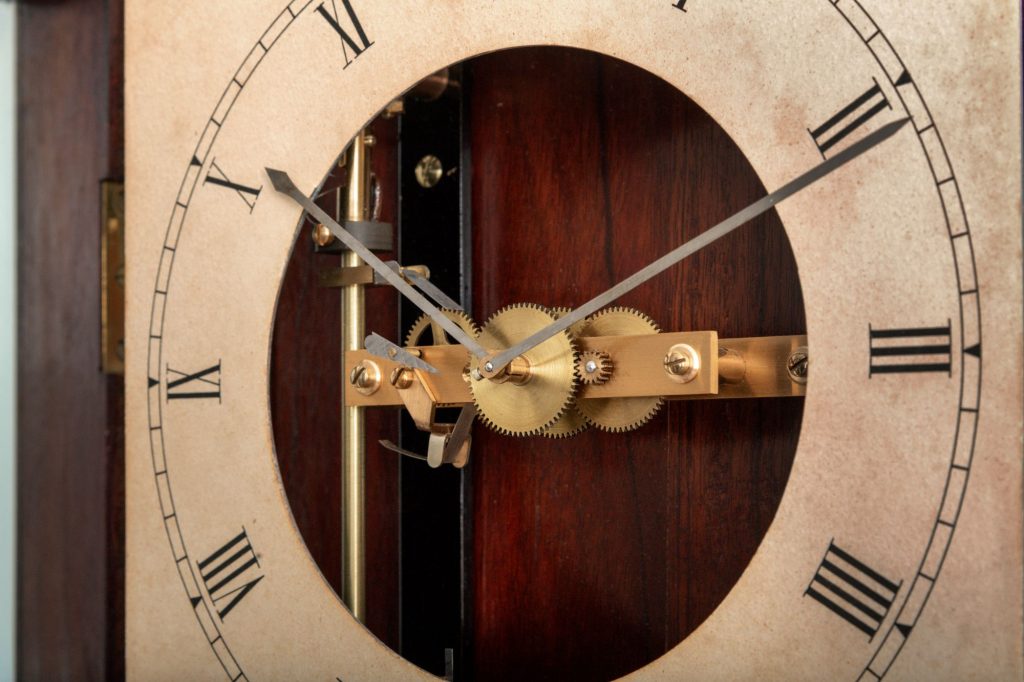 ffolliott Gray, 'The Duo', TCW 1013. Image available for non-commercial use via Creative Commons under a CC BY-NC 4.0 license. TCW_1013_09
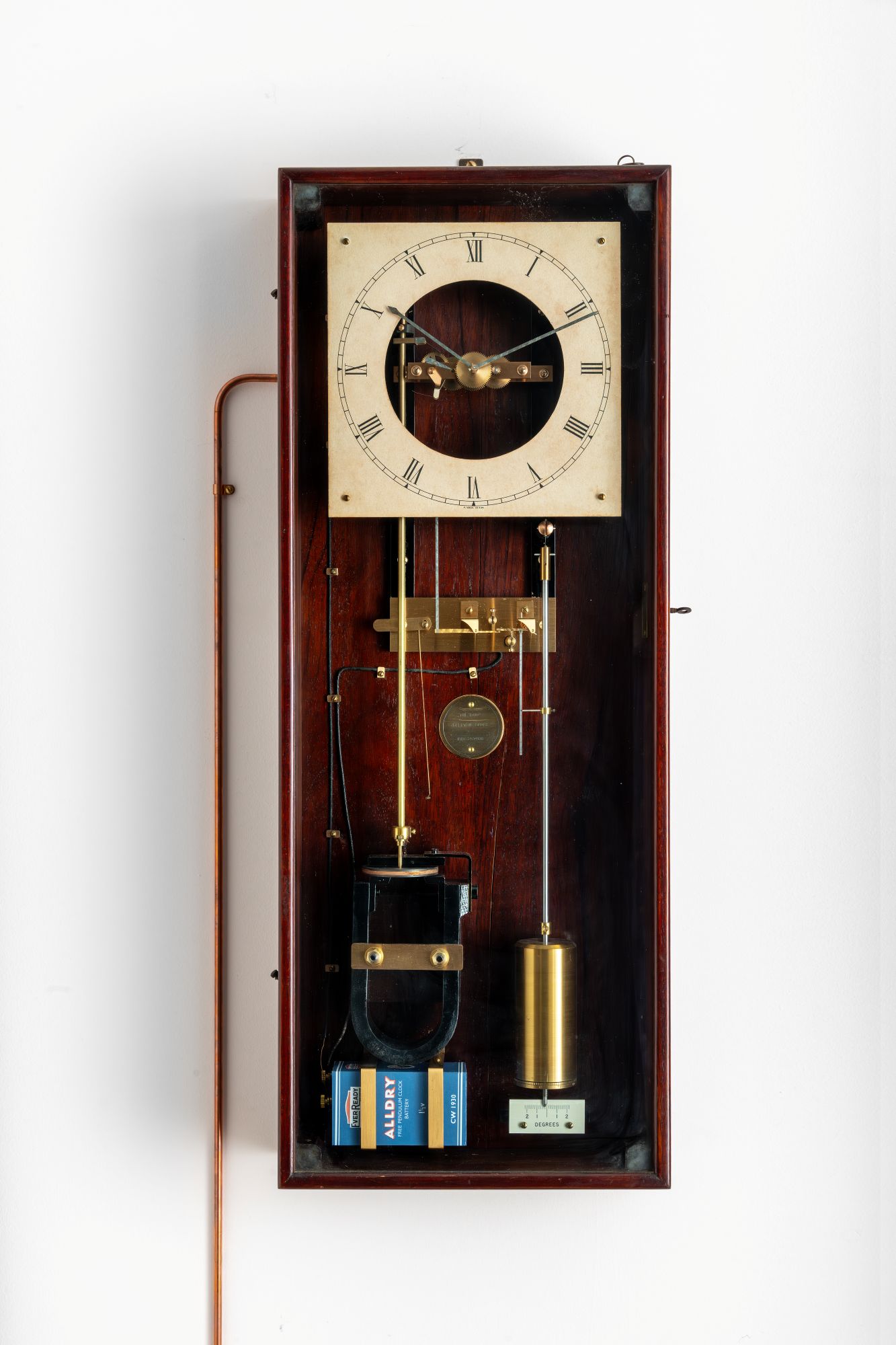
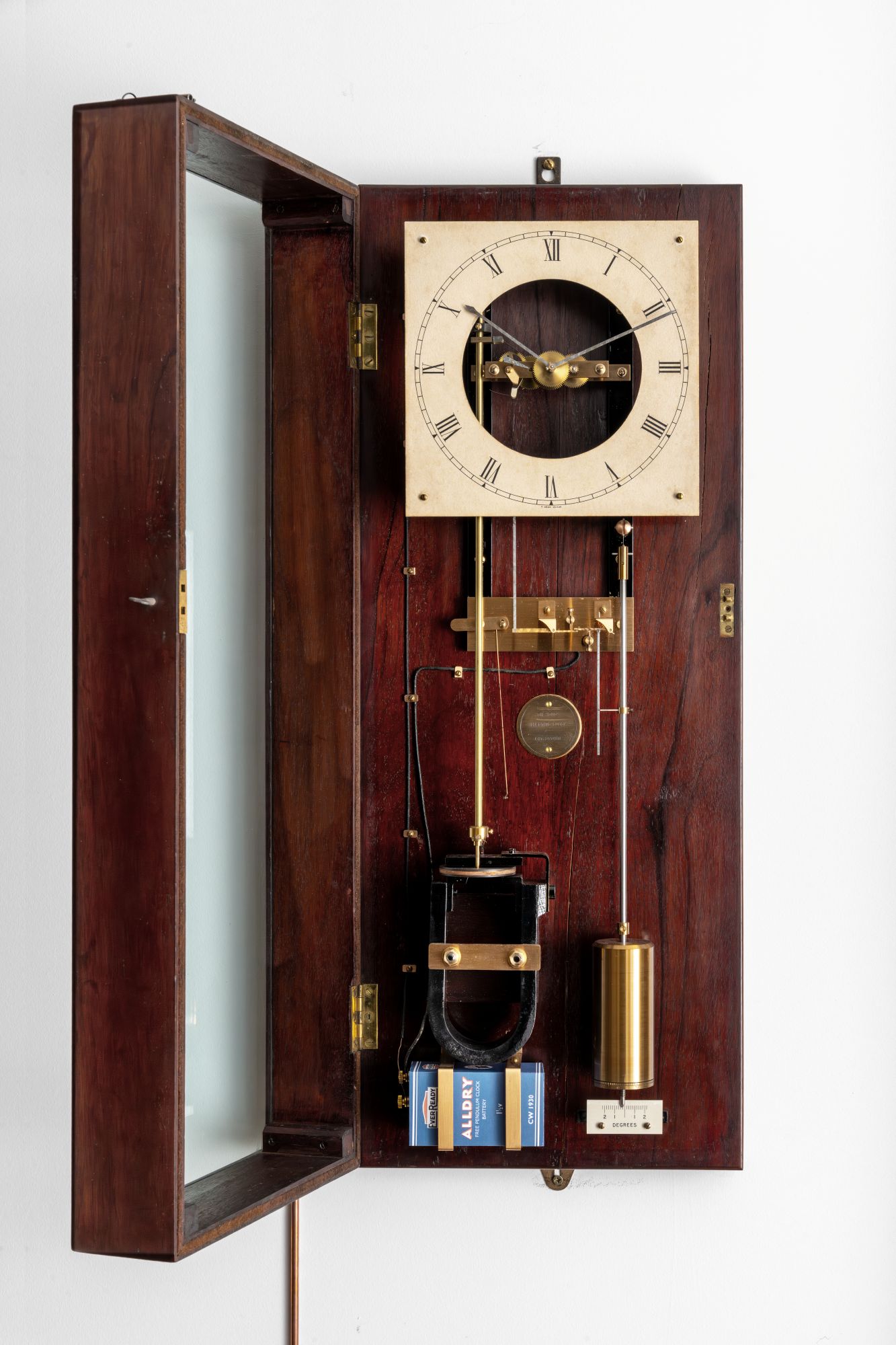
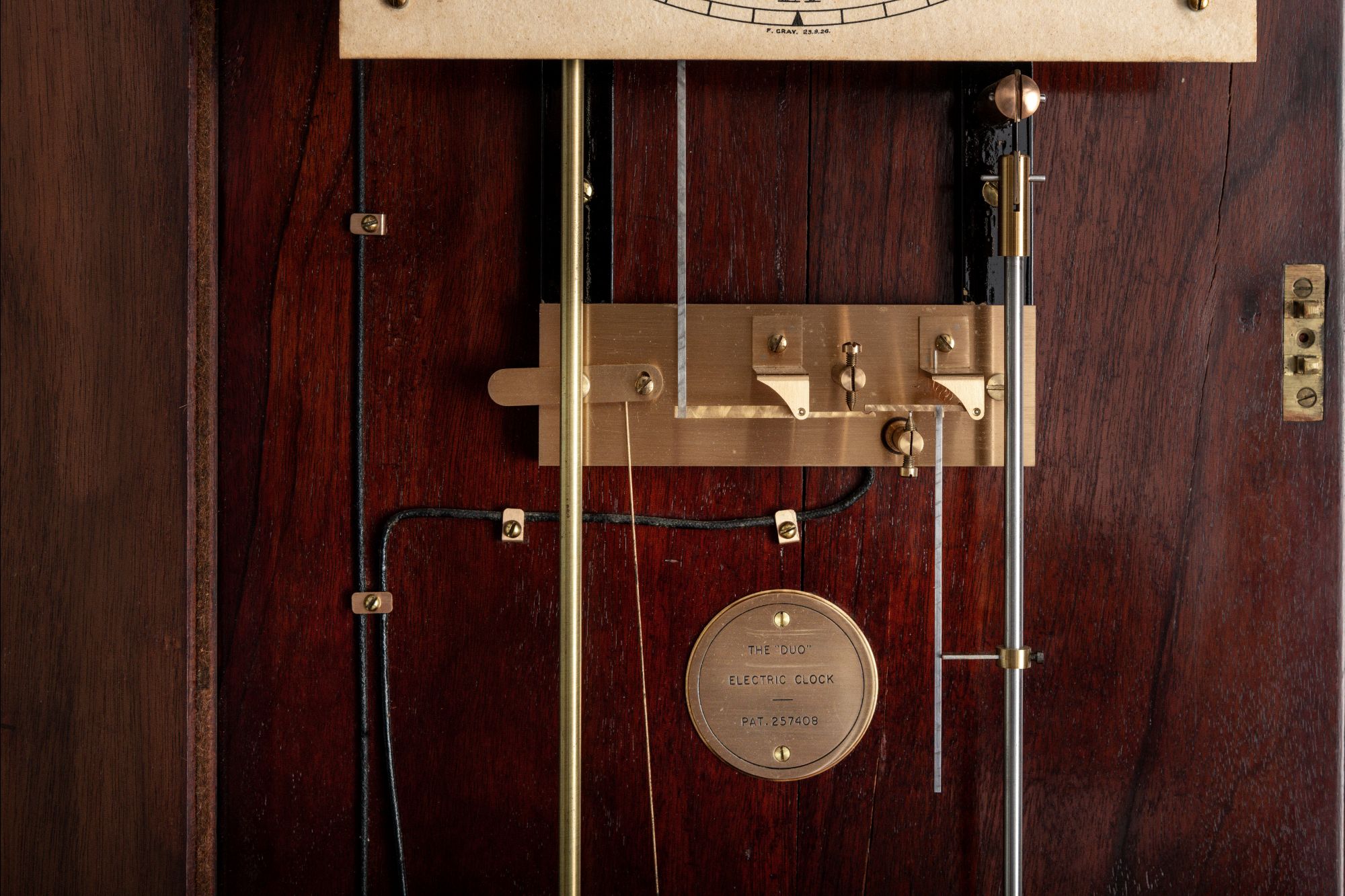
-
 ffolliott Gray, 'The Duo', TCW 1013. Image available for non-commercial use via Creative Commons under a CC BY-NC 4.0 license. TCW_1013_01
 -
 ffolliott Gray, 'The Duo', TCW 1013. Image available for non-commercial use via Creative Commons under a CC BY-NC 4.0 license. TCW_1013_02
 -
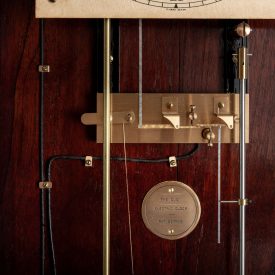 ffolliott Gray, 'The Duo', TCW 1013. Image available for non-commercial use via Creative Commons under a CC BY-NC 4.0 license. TCW_1013_05
 -
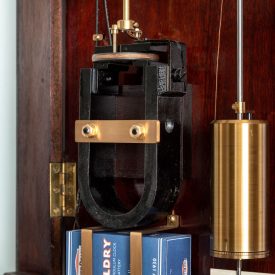 ffolliott Gray, 'The Duo', TCW 1013. Image available for non-commercial use via Creative Commons under a CC BY-NC 4.0 license. TCW_1013_08
 -
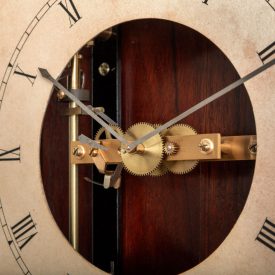 ffolliott Gray, 'The Duo', TCW 1013. Image available for non-commercial use via Creative Commons under a CC BY-NC 4.0 license. TCW_1013_09
Creator
ffolliott Gray
Title
'The Duo', Electric Clock, no. 3
Category
Inscriptions and markings
On plaque: ‘THE “DUO” | ELECTRIC CLOCK | PAT. 257408’
Provenance
Purchased 1995 from David Harriman (dealer); purportedly previously in the maker's loft, cleared on behalf of a surviving family member.
Overview
Bradford-born ffolliot Gray completed this clock in his loft in Luton and exhibited it at the International Exhibition of Inventions in 1926. He called it ‘the Duo’ because it uses two pendulums working together. The pendulum on the right-hand side keeps the time, while the pendulum on the left supplies the energy to move the hands. Because the timekeeping pendulum has nothing to do but keep time, it does this to a good level of accuracy. Only five examples of this ingenious amateur clock were made.
In depth
Bradford-born ffolliot Gray worked for many years as an engineer, completing this clock design in his spare time from the loft of his house in Luton. Gray was granted a patent for a ‘twin pendulum’ clock in September 1926. He put the patent number on the dial of this clock, which he also numbered: the third he had made. ‘The Duo’ was exhibited at the International Exhibition of Inventions at the newly opened Central Hall, Westminster in October of the same year, where it was ‘warmly commended’ by the judges.
As its name suggests, the clock’s innovation is its twin pendulum system. The electro-mechanically powered drive pendulum on the left advances the motion work using a pecking pawl. It also has the job of lifting the gravity arm, leaving the pendulum on the right with nothing to do except keep time, which it thereby does to a good level of precision. ‘The Duo’ is thus a novel solution to the quest for a ‘free pendulum’; an early ambition of horology, and a live topic in the 1920s, William Hamilton Shortt and the Synchronome Company having manufactured their own observatory-grade ‘free pendulum’ clock in 1921 (TCW 1073).
Although Gray’s clock was presumably envisaged primarily as a domestic timekeeper, he was clearly also interested in its potential as a networked controlling clock: as well as exhibiting a separate clock with a ‘Repeater-Transmitter’ in 1926, he created a later transmitting version of ‘The Duo’ with a subsidiary dial (his fifth known clock), although this is unsigned and undated.
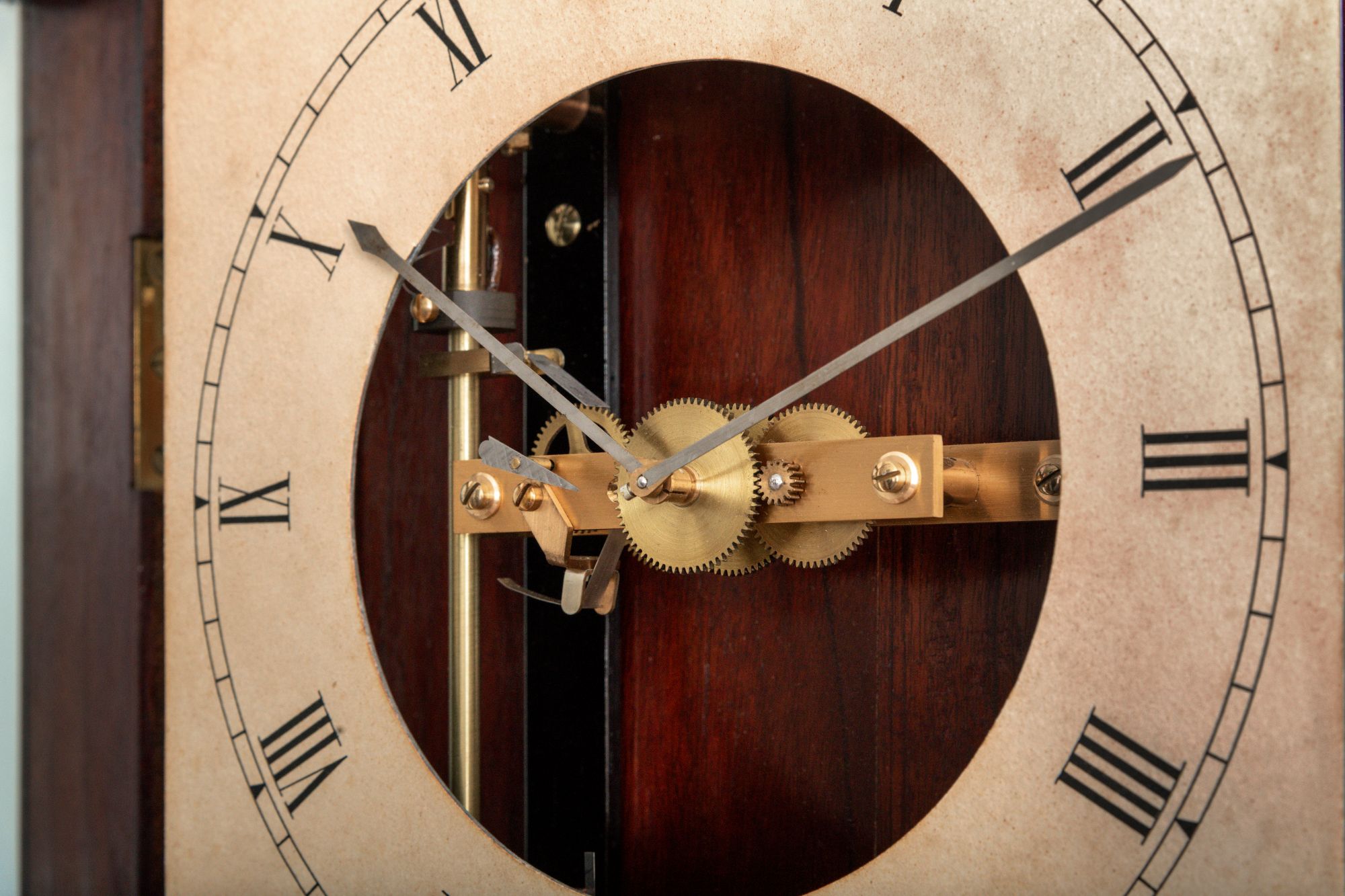
The Clockworks clock is one of the most developed of the five known ‘Duos’: it includes an amplitude restriction for the drive pendulum, and full crossing-out on all the wheels, visible through a partially skeletonised dial. Very much an independent amateur enterprise, the clock exemplifies the ingenuity brought to bear on perennial horology problems by engineers and inventors often working outside the formal discipline of clock and watchmaking.
As its name suggests, the clock’s innovation is its twin pendulum system. The electro-mechanically powered drive pendulum on the left advances the motion work using a pecking pawl. It also has the job of lifting the gravity arm, leaving the pendulum on the right with nothing to do except keep time, which it thereby does to a good level of precision. ‘The Duo’ is thus a novel solution to the quest for a ‘free pendulum’; an early ambition of horology, and a live topic in the 1920s, William Hamilton Shortt and the Synchronome Company having manufactured their own observatory-grade ‘free pendulum’ clock in 1921 (TCW 1073).
Although Gray’s clock was presumably envisaged primarily as a domestic timekeeper, he was clearly also interested in its potential as a networked controlling clock: as well as exhibiting a separate clock with a ‘Repeater-Transmitter’ in 1926, he created a later transmitting version of ‘The Duo’ with a subsidiary dial (his fifth known clock), although this is unsigned and undated.
The Clockworks clock is one of the most developed of the five known ‘Duos’: it includes an amplitude restriction for the drive pendulum, and full crossing-out on all the wheels, visible through a partially skeletonised dial. Very much an independent amateur enterprise, the clock exemplifies the ingenuity brought to bear on perennial horology problems by engineers and inventors often working outside the formal discipline of clock and watchmaking.
Technical description
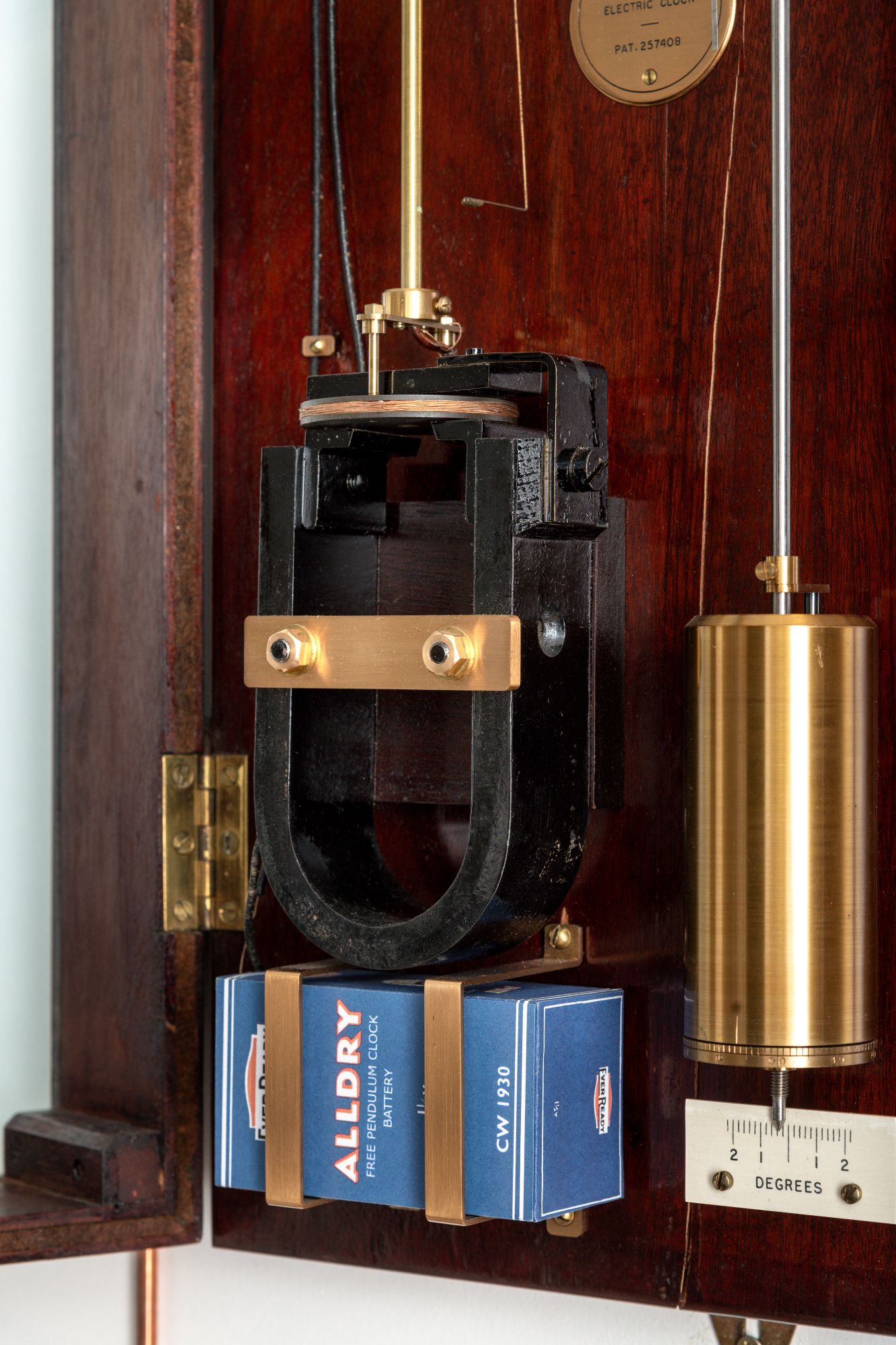
The clock uses two pendulums working together. The ‘time pendulum’ is the clock’s timekeeper; because this does not drive the hands, it doesn’t lose energy (a drawback in some electrical clocks). The drive pendulum is powered electromagnetically, using the interaction between a fixed permanent magnet below and the electromagnetic coil that forms its bob. This pendulum provides the energy to advance the hands via a pecking pawl linked to the motion works.
In operation, the drive pendulum moves to the right, pushing the left gravity arm around its pivot point clockwise. This lets the right-hand gravity arm pivot anti-clockwise, under its own weight. The right-hand gravity arm then gives the time pendulum a small push to the right. This push is always gentle and constant, since it is determined by the gravity arm’s weight. At the end of its travel, the right-hand gravity arm touches a stop that also acts as a switch, closing the electrical circuit. Current flows from the battery into the coil on the drive pendulum. The drive pendulum therefore receives an electromagnetic impulse by reason of repulsion from the nearby permanent magnet. As the time pendulum returns to the left, it begins to lift its corresponding gravity arm, which will now pivot clockwise, coincidentally breaking the electrical circuit. Energy will therefore apparently be robbed from the time pendulum. However, as it returns, the left-hand gravity arm finishes the process of the right-hand gravity arm being lifted again. This last part of the cycle involves the right-hand gravity arm being lifted slightly higher than the point where the time pendulum leaves it. There is therefore a net positive transfer of energy to the time pendulum, achieved on its rightward travel. The process repeats, keeping the clock in continuous operation.
In operation, the drive pendulum moves to the right, pushing the left gravity arm around its pivot point clockwise. This lets the right-hand gravity arm pivot anti-clockwise, under its own weight. The right-hand gravity arm then gives the time pendulum a small push to the right. This push is always gentle and constant, since it is determined by the gravity arm’s weight. At the end of its travel, the right-hand gravity arm touches a stop that also acts as a switch, closing the electrical circuit. Current flows from the battery into the coil on the drive pendulum. The drive pendulum therefore receives an electromagnetic impulse by reason of repulsion from the nearby permanent magnet. As the time pendulum returns to the left, it begins to lift its corresponding gravity arm, which will now pivot clockwise, coincidentally breaking the electrical circuit. Energy will therefore apparently be robbed from the time pendulum. However, as it returns, the left-hand gravity arm finishes the process of the right-hand gravity arm being lifted again. This last part of the cycle involves the right-hand gravity arm being lifted slightly higher than the point where the time pendulum leaves it. There is therefore a net positive transfer of energy to the time pendulum, achieved on its rightward travel. The process repeats, keeping the clock in continuous operation.
Video
Dimensions
29 x 12.5 x 75 cm
Inventory number
TCW 1013
Date
1925
Bibliography
Thomas Schraven, 'ffolliott Gray's Invention "The Duo Electric Clock"', Antiquarian Horological Society: Electrical Horology Group Paper, No. 60
Location
Gallery 2