
-
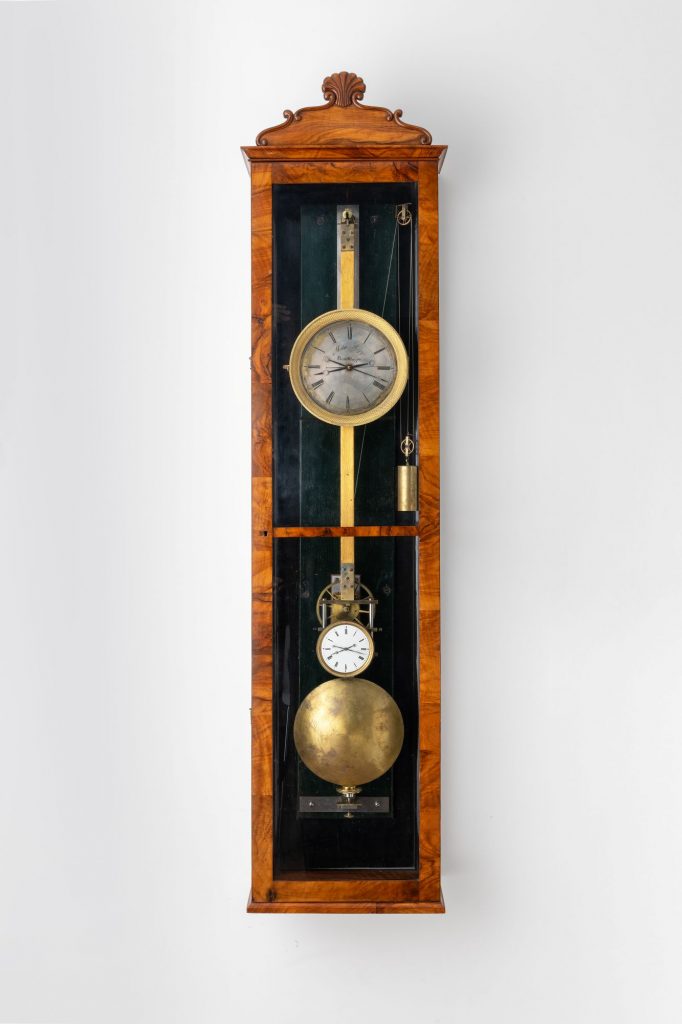 Matthaus Hipp, Regulator, TCW 1035. Image available for non-commercial use via Creative Commons under a CC BY-NC 4.0 license. TCW_1035_01
 -
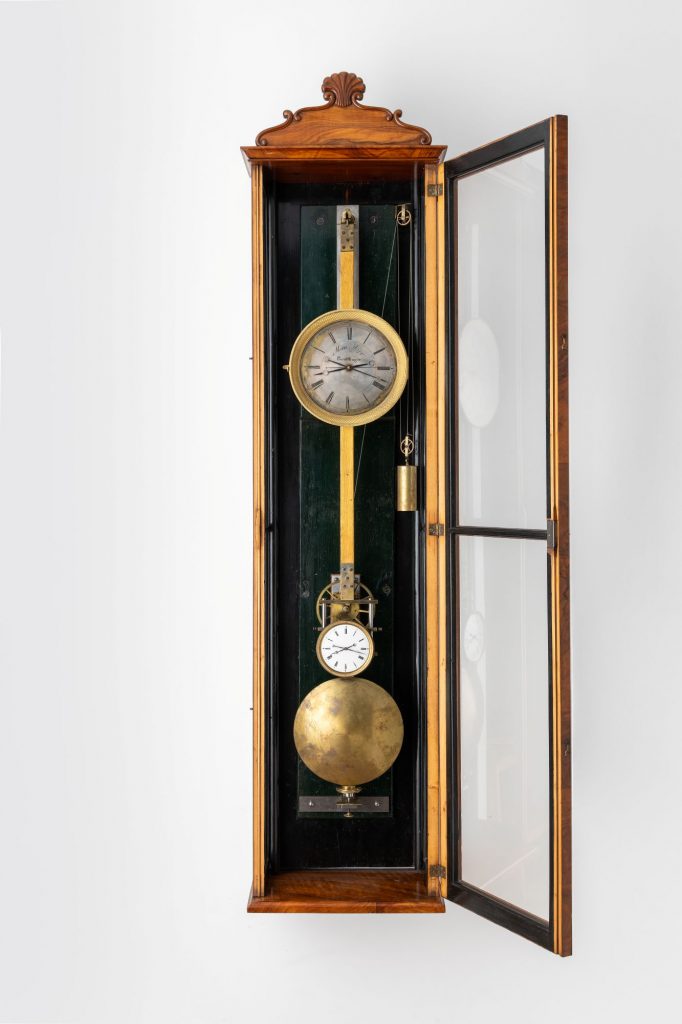 Matthaus Hipp, Regulator, TCW 1035. Image available for non-commercial use via Creative Commons under a CC BY-NC 4.0 license. 1035
 -
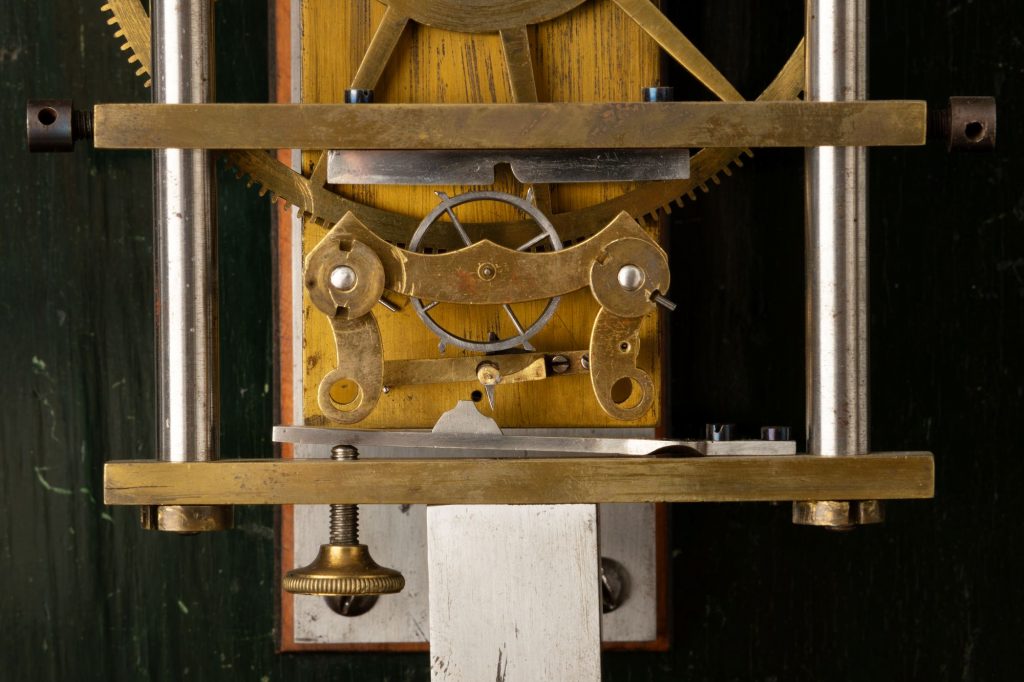 Matthaus Hipp, Regulator, TCW 1035. Image available for non-commercial use via Creative Commons under a CC BY-NC 4.0 license. TCW_1035_03
 -
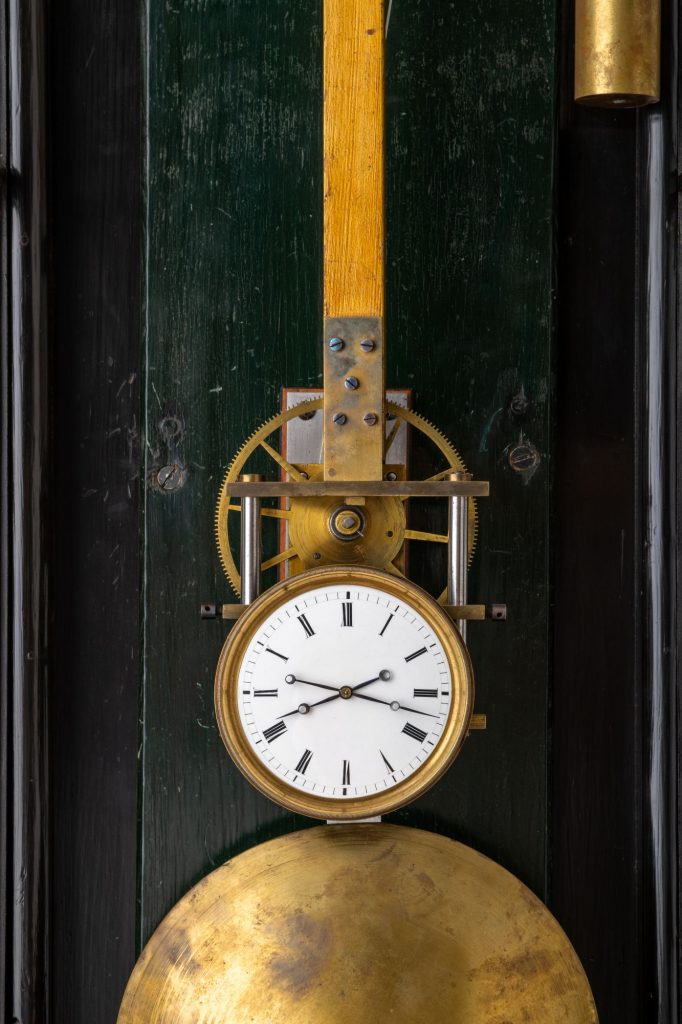 Matthaus Hipp, Regulator, TCW 1035. Image available for non-commercial use via Creative Commons under a CC BY-NC 4.0 license. TCW_1035_08
 -
 Matthaus Hipp, Regulator, TCW 1035. Image available for non-commercial use via Creative Commons under a CC BY-NC 4.0 license. TCW_1035_12

-
 Matthaus Hipp, Regulator, TCW 1035. Image available for non-commercial use via Creative Commons under a CC BY-NC 4.0 license. TCW_1035_01
 -
 Matthaus Hipp, Regulator, TCW 1035. Image available for non-commercial use via Creative Commons under a CC BY-NC 4.0 license. 1035
 -
 Matthaus Hipp, Regulator, TCW 1035. Image available for non-commercial use via Creative Commons under a CC BY-NC 4.0 license. TCW_1035_03
 -
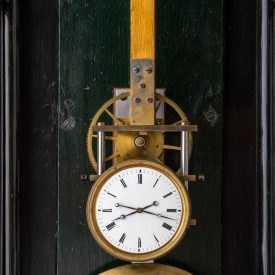 Matthaus Hipp, Regulator, TCW 1035. Image available for non-commercial use via Creative Commons under a CC BY-NC 4.0 license. TCW_1035_08
 -
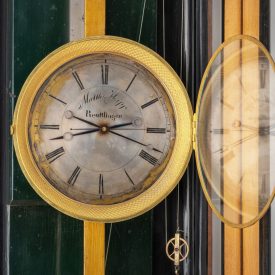 Matthaus Hipp, Regulator, TCW 1035. Image available for non-commercial use via Creative Commons under a CC BY-NC 4.0 license. TCW_1035_12
Creator
Matthӓus Hipp
Title
Weight-driven regulator
Category
Inscriptions and markings
On dial: Matt: Hipp | Reuttlingen
Provenance
Purchased from Derek Roberts [dealer], September 2011.
Overview
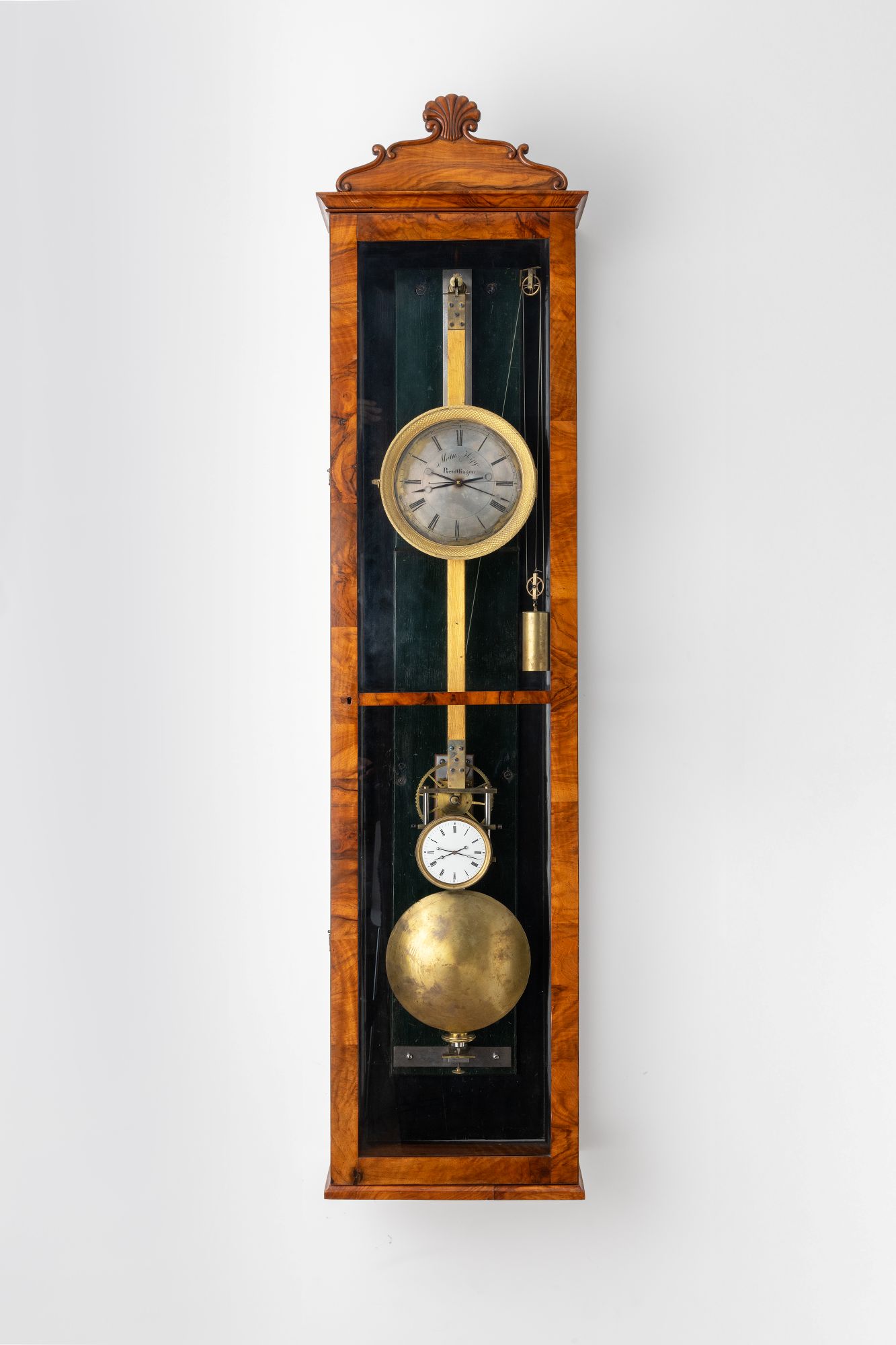
This weight-driven clock is believed to be the prototype for the ‘Hipp Toggle’, devised by Swiss-German inventor Matthӓus Hipp in 1843. The drive has a small notch; the pendulum holds a toggle. When the pendulum arc decays, the toggle is caught in the notch and a lifting action occurs as the pendulum swings through dead centre. This unlocks the drive train, which impulses the pendulum: power on demand. Though not originally intended for electric clocks, the Hipp Toggle ultimately helped overcome the shortcomings of early batteries and contacts, bringing reliable electric clocks into the realm of the possible.
In depth
Matthӓus Hipp’s great clockmaking innovation was his so-called ‘Hipp Toggle’, a method for determining the moment of impulse to the pendulum, which – crucially –only provides an impulse when it is required. This minimises interference with the pendulum’s swing – always desirable, since interference inevitably negatively affects a pendulum’s timekeeping – and it allowed the clock to become, as Hipp termed it, ‘self-regulating’. The ‘Hipp Toggle’ was originally applied to this mechanical clock: once triggered, the toggle unlocks the train to impulse the pendulum. However, with a small adaptation, it would ultimately prove instrumental in making electrical horology viable, the concept of power on demand effectively overcoming the vagaries of early batteries and contacts.
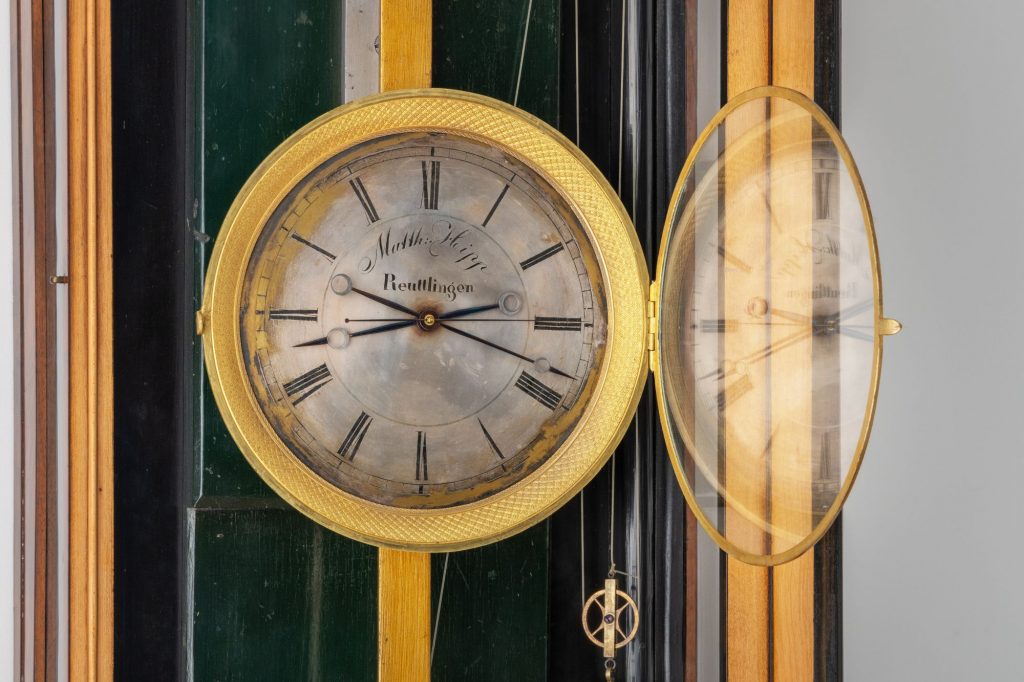
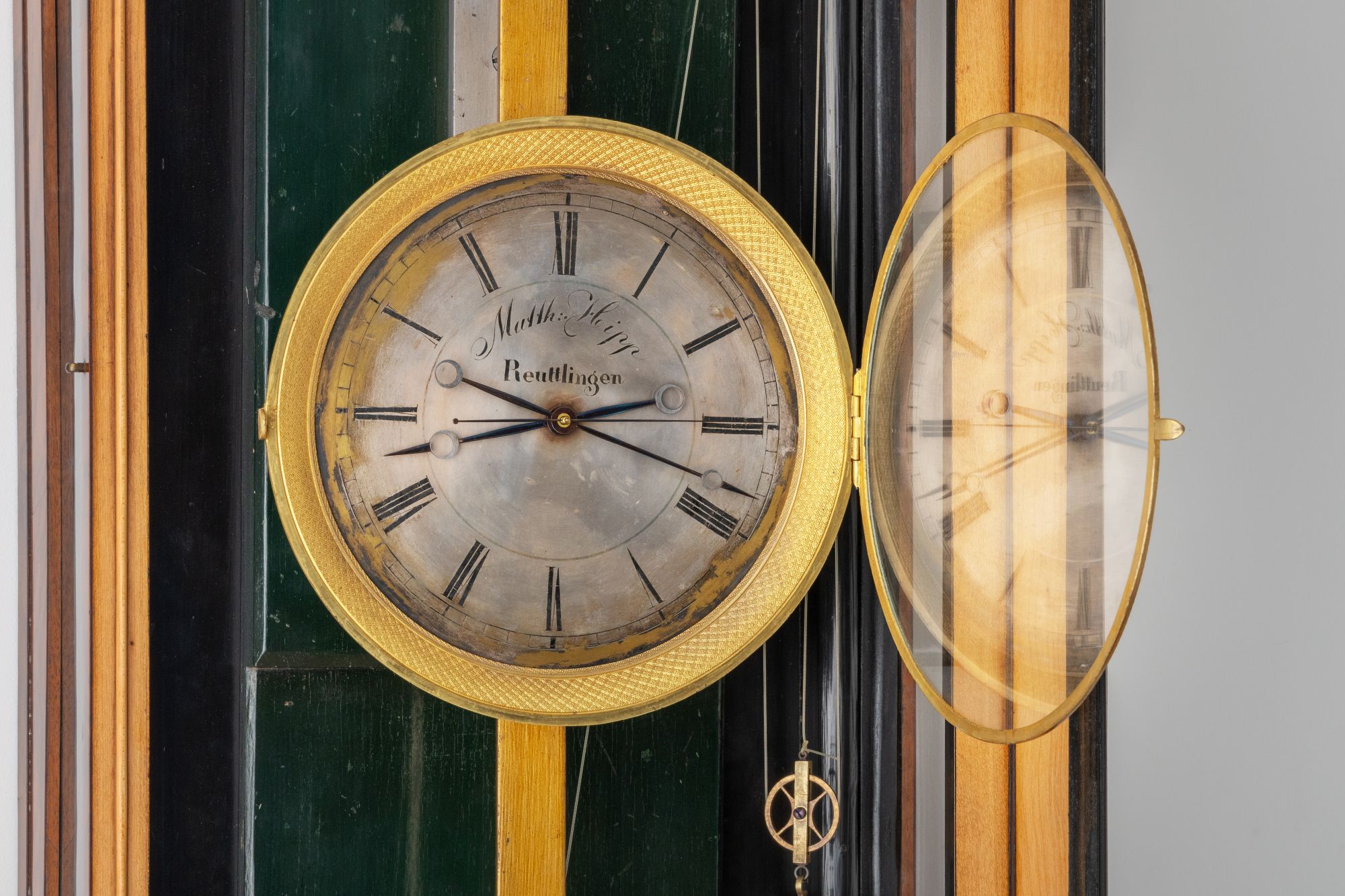
The idea for the Hipp Toggle probably dates back to the 1830s, though it is first comprehensively described in a patent from 1843. However, this weight-driven mechanical regulator represents its first known appearance in a clock, and it is almost certainly Hipp’s test bed. The fact that the upper dial has a glazed bezel, despite itself being behind glass, certainly suggests an experimental clock: during testing, the movement would have been free-mounted onto the existing backboard, with the bezel protecting the dial. Similarly, every element of the escapement in front of the pendulum is adjustable. It is possible the walnut case, which is stylistically consistent with the mid-nineteenth century, was added for exhibition, and this may indeed be the clock Hipp is known to have displayed in the General German Industrial Exhibition at Berlin’s Zeughaus in 1844.
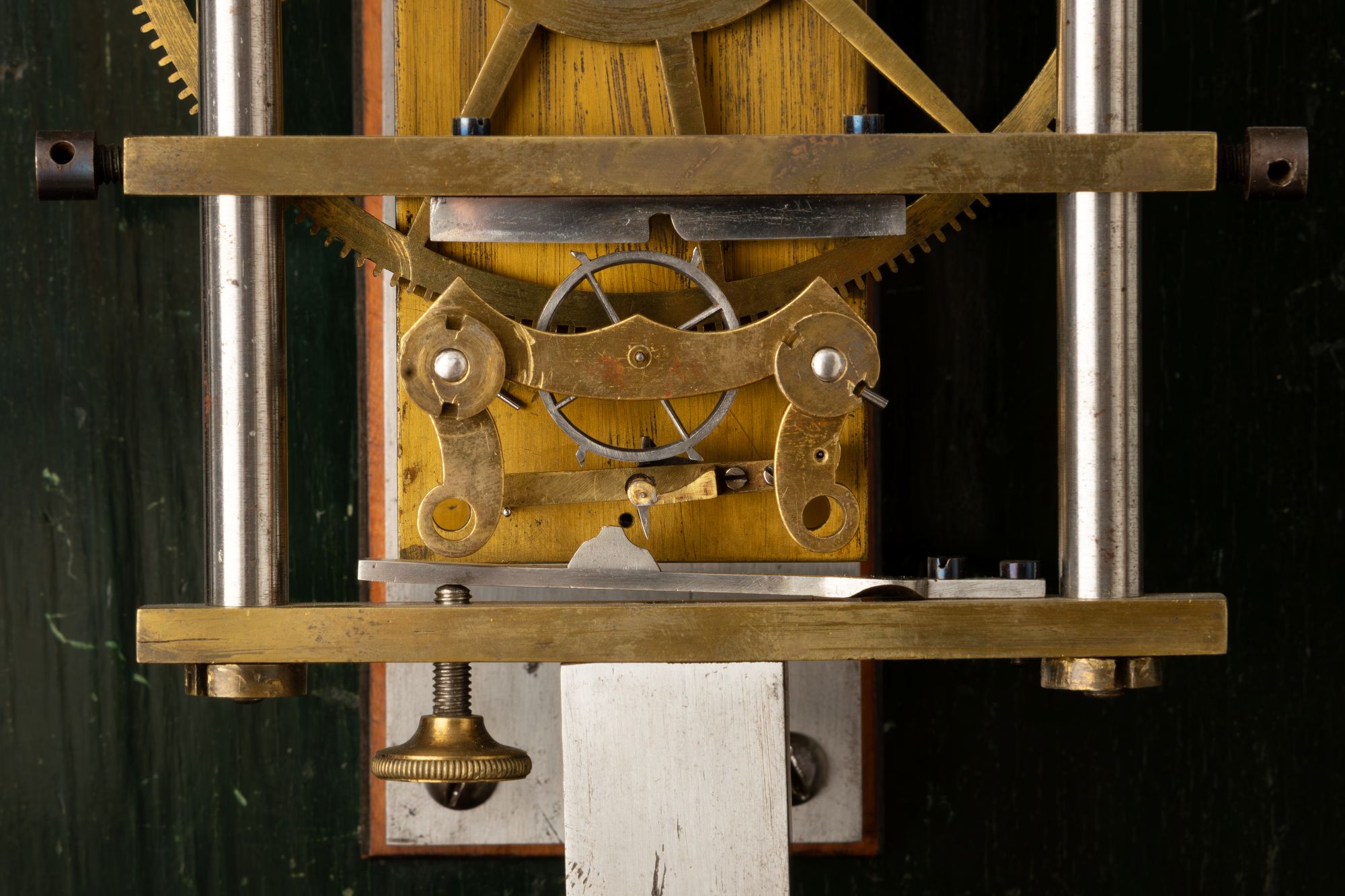
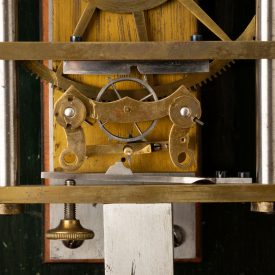
Here, the drive module is mounted to the back of the case, with the pendulum in front of it. The escapement sits at the interface between the two. The notch is on a steel plate mounted onto the pendulum, while the toggle is mounted on a pivoted arm which also carries a detent that engages with the escape wheel to hold it in a locked position. When the pendulum loses momentum and its arc declines,the toggle is engaged in the notch, and the continued motion of the pendulum forces the pivoted arm upwards - thus allowing the detent to unlock the escape wheel. As the escape wheel revolves, one of its teeth engages with the pendulum and delivers an impulse, while the pivoted arm is relocked in position, awaiting the next cycle.
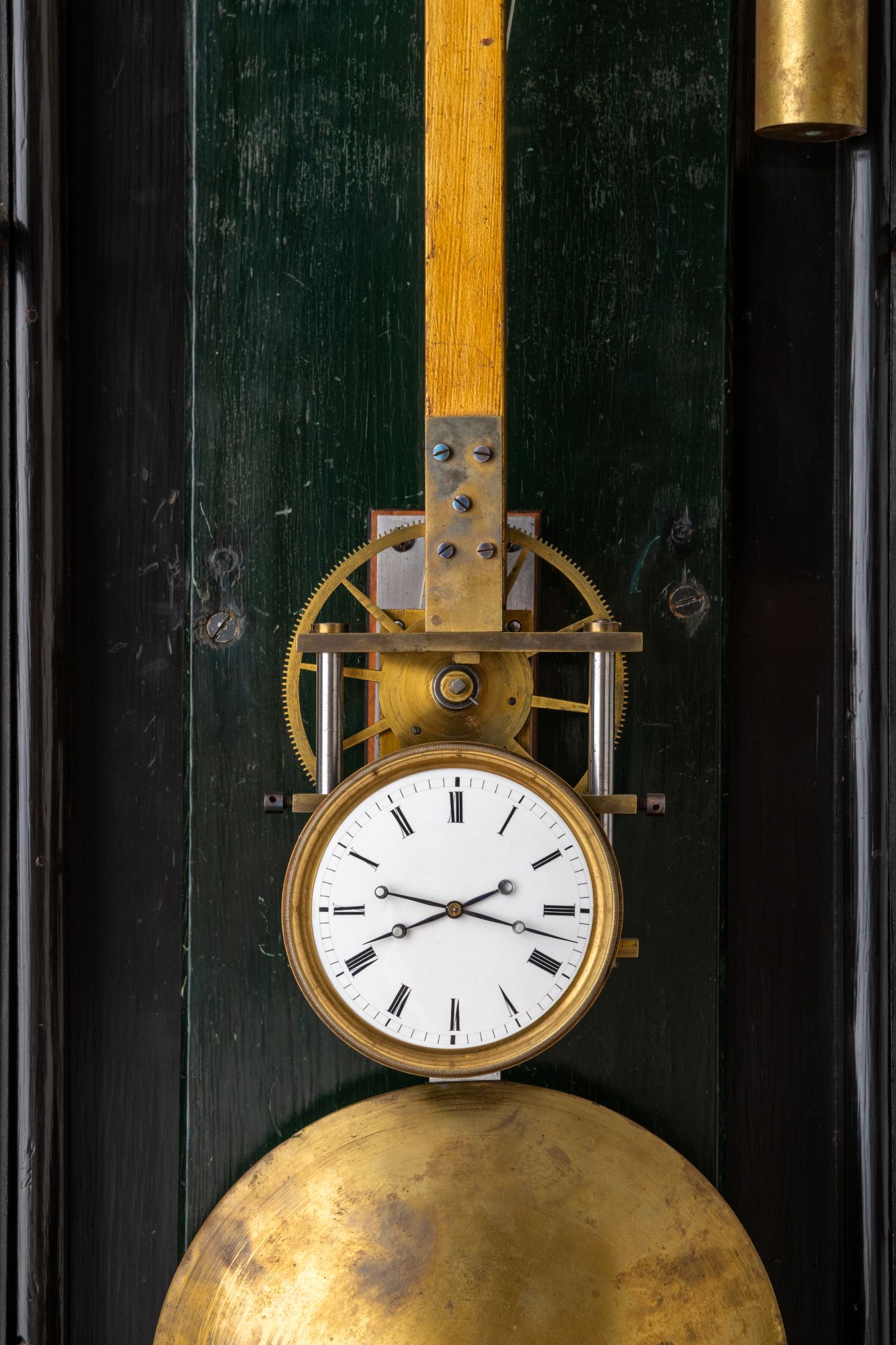
There are two dials; the upper one, with a signed silvered dial and centre sweep hours, minutes and seconds, shows the time (via a conventional hand mechanism), while the lower records the drive impulses. This hand moves two minutes each time, thus showing how consistently impulses are being delivered.
Like many pioneers within electrical horology, Matthaus Hipp worked across several burgeoning technologies. He also created a ‘writing telegraph’ and chronoscope (see TCW 4019). Born in Blaureuren in 1813, the son of a baker, Hipp was apprenticed to a clockmaker in his teens. Along with many European inventors, he became interested in electromagnetism in the 1840s, but his German career suffered after the May Revolution in Baden in 1849 (official documents described him unfavourably as ‘democratic’) and he moved to Switzerland. From 1860, he was managing an electric telegraph company in Neuchatel, which also worked on networked clock systems. It is not known exactly when he first combined his ‘Hipp Toggle’ with his parallel work on electricity, but electrical clocks were being manufactured to his design from the 1870s. At his death in 1893, his company passed to his nominated successors, the engineers A. Favarger and A. De Peyer. This company – known first as ‘Favarger’ and later ‘FAVAG’ – continued producing Hipp electric clocks up until the 1970s.
The idea for the Hipp Toggle probably dates back to the 1830s, though it is first comprehensively described in a patent from 1843. However, this weight-driven mechanical regulator represents its first known appearance in a clock, and it is almost certainly Hipp’s test bed. The fact that the upper dial has a glazed bezel, despite itself being behind glass, certainly suggests an experimental clock: during testing, the movement would have been free-mounted onto the existing backboard, with the bezel protecting the dial. Similarly, every element of the escapement in front of the pendulum is adjustable. It is possible the walnut case, which is stylistically consistent with the mid-nineteenth century, was added for exhibition, and this may indeed be the clock Hipp is known to have displayed in the General German Industrial Exhibition at Berlin’s Zeughaus in 1844.
Here, the drive module is mounted to the back of the case, with the pendulum in front of it. The escapement sits at the interface between the two. The notch is on a steel plate mounted onto the pendulum, while the toggle is mounted on a pivoted arm which also carries a detent that engages with the escape wheel to hold it in a locked position. When the pendulum loses momentum and its arc declines,the toggle is engaged in the notch, and the continued motion of the pendulum forces the pivoted arm upwards - thus allowing the detent to unlock the escape wheel. As the escape wheel revolves, one of its teeth engages with the pendulum and delivers an impulse, while the pivoted arm is relocked in position, awaiting the next cycle.
There are two dials; the upper one, with a signed silvered dial and centre sweep hours, minutes and seconds, shows the time (via a conventional hand mechanism), while the lower records the drive impulses. This hand moves two minutes each time, thus showing how consistently impulses are being delivered.
Like many pioneers within electrical horology, Matthaus Hipp worked across several burgeoning technologies. He also created a ‘writing telegraph’ and chronoscope (see TCW 4019). Born in Blaureuren in 1813, the son of a baker, Hipp was apprenticed to a clockmaker in his teens. Along with many European inventors, he became interested in electromagnetism in the 1840s, but his German career suffered after the May Revolution in Baden in 1849 (official documents described him unfavourably as ‘democratic’) and he moved to Switzerland. From 1860, he was managing an electric telegraph company in Neuchatel, which also worked on networked clock systems. It is not known exactly when he first combined his ‘Hipp Toggle’ with his parallel work on electricity, but electrical clocks were being manufactured to his design from the 1870s. At his death in 1893, his company passed to his nominated successors, the engineers A. Favarger and A. De Peyer. This company – known first as ‘Favarger’ and later ‘FAVAG’ – continued producing Hipp electric clocks up until the 1970s.
Video
Dimensions
158 x 37 x 20 cm
Inventory number
TCW 1035
Date
c.1842
Bibliography
Johannes Graf, ‘Der lange Weg zur Hipp-Wippe: Ab wann werden Uhren von Matthӓus Hipp elektrisch angetrieben?’, Chronométrophilia, No. 76 (Winter 2014), pp.67-77
Helmut Kahlert, ‘Matthӓus Hipp in Reutlingen: The Development Years of a Great Inventor (1813-1893)’, The Antiquarian Horological Society EHG Paper No. 57
Helmut Kahlert, ‘Matthӓus Hipp in Reutlingen: The Development Years of a Great Inventor (1813-1893)’, The Antiquarian Horological Society EHG Paper No. 57
Location
Gallery 2